
Electrical switchgear manufacturing turns an approved electrical design into a documented assembly that can switch, protect and isolate a distribution system. The work includes enclosure fabrication, busbar preparation, component installation, control wiring, inspection and agreed factory tests. A buyer should assess the complete process, rather than judge quality from cabinet paint or the brand of a circuit breaker. This guide explains what to request at each production stage and how to connect the final equipment to its approved drawings, ratings and test records. It describes a procurement workflow, not an instruction to build or energize equipment.
Start with a defined assembly and design boundary
The first manufacturing deliverable is a clear definition of the assembly. Confirm nominal system voltage, frequency, continuous current, prospective fault duty, earthing arrangement, indoor or outdoor service, and the functions of each bay. Distinguish a low-voltage switchboard from low-voltage power circuit breaker switchgear, medium-voltage metal-clad equipment and a ring main unit. These descriptions affect the relevant standards and evidence required; they cannot be swapped merely because two enclosures look similar.
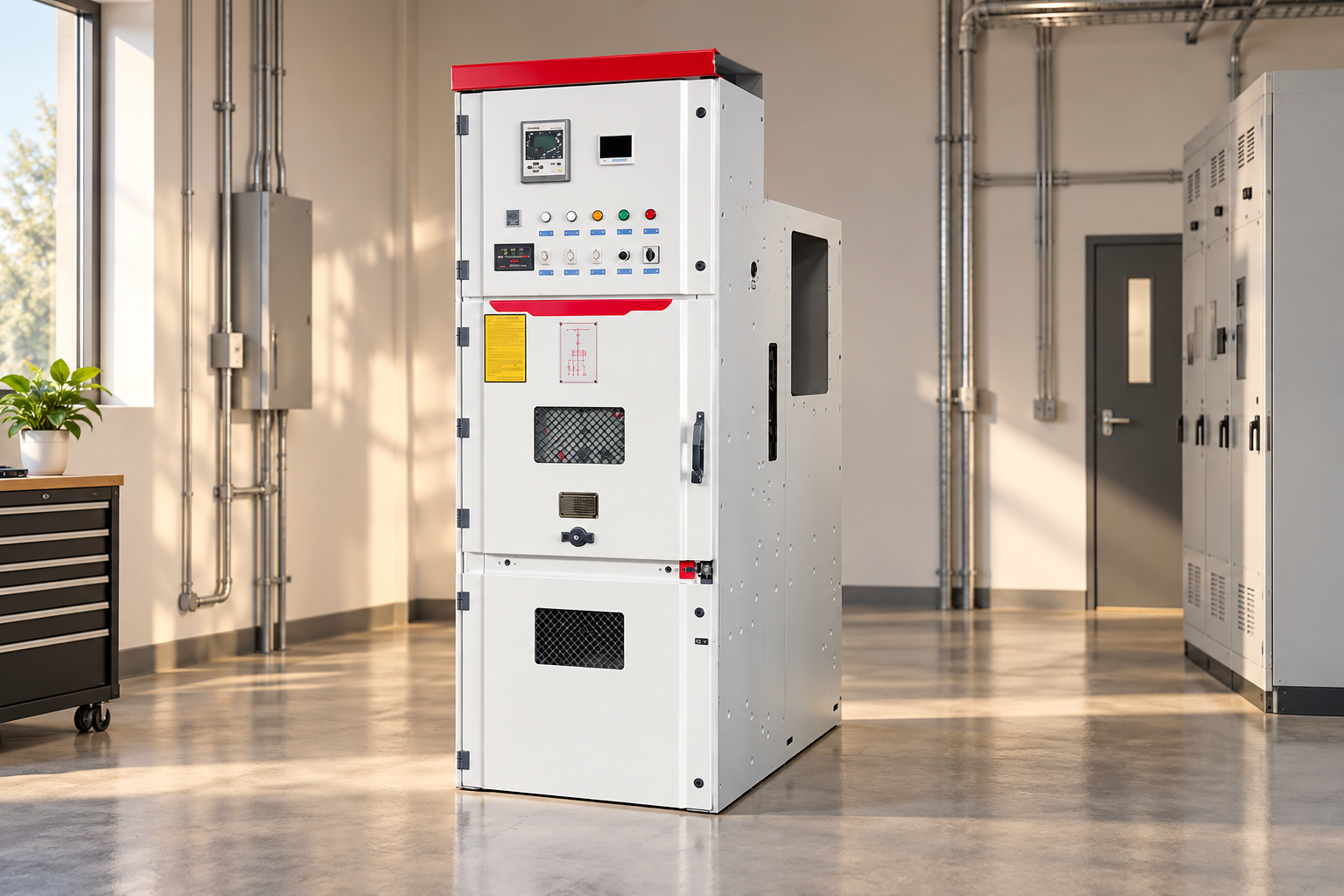
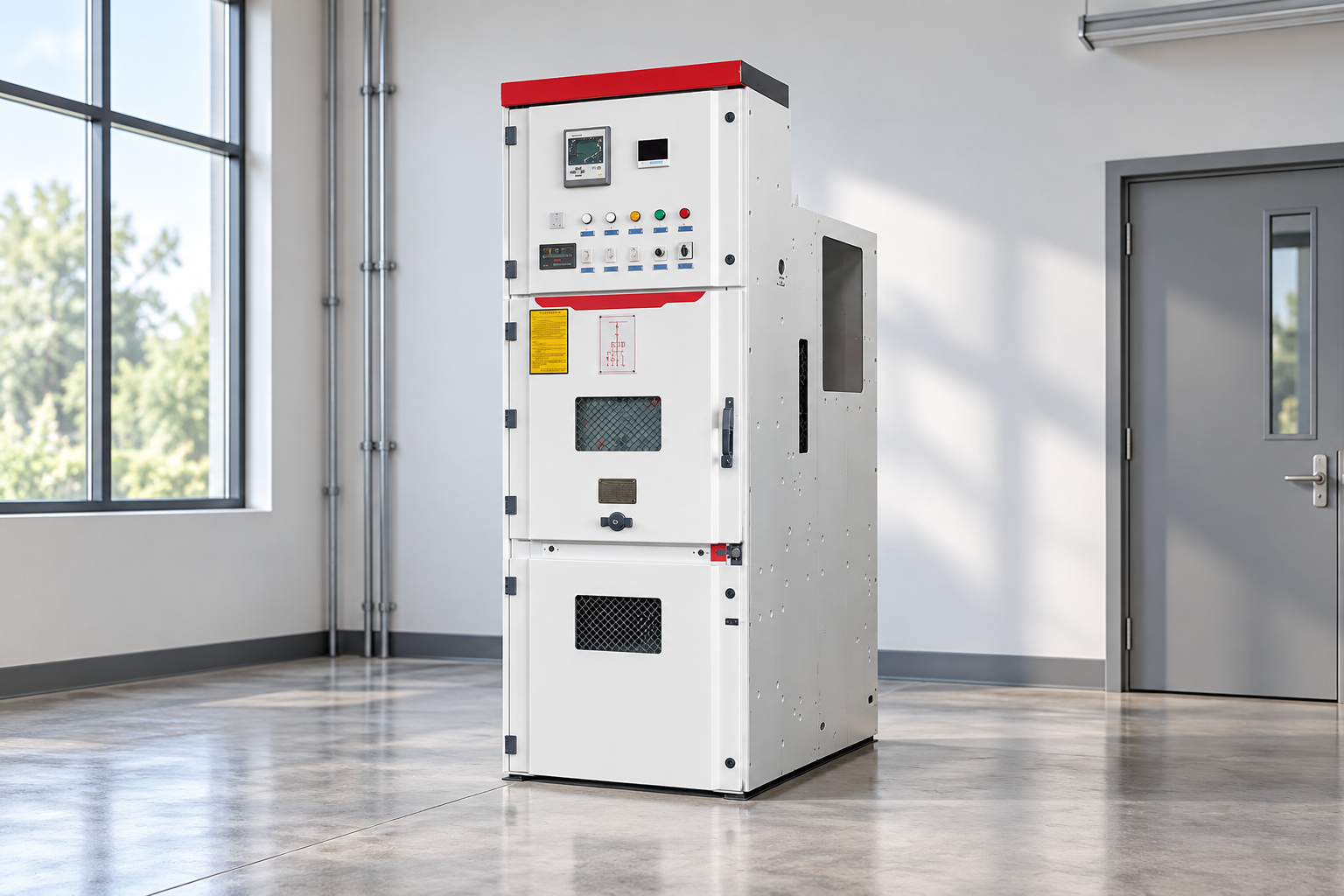
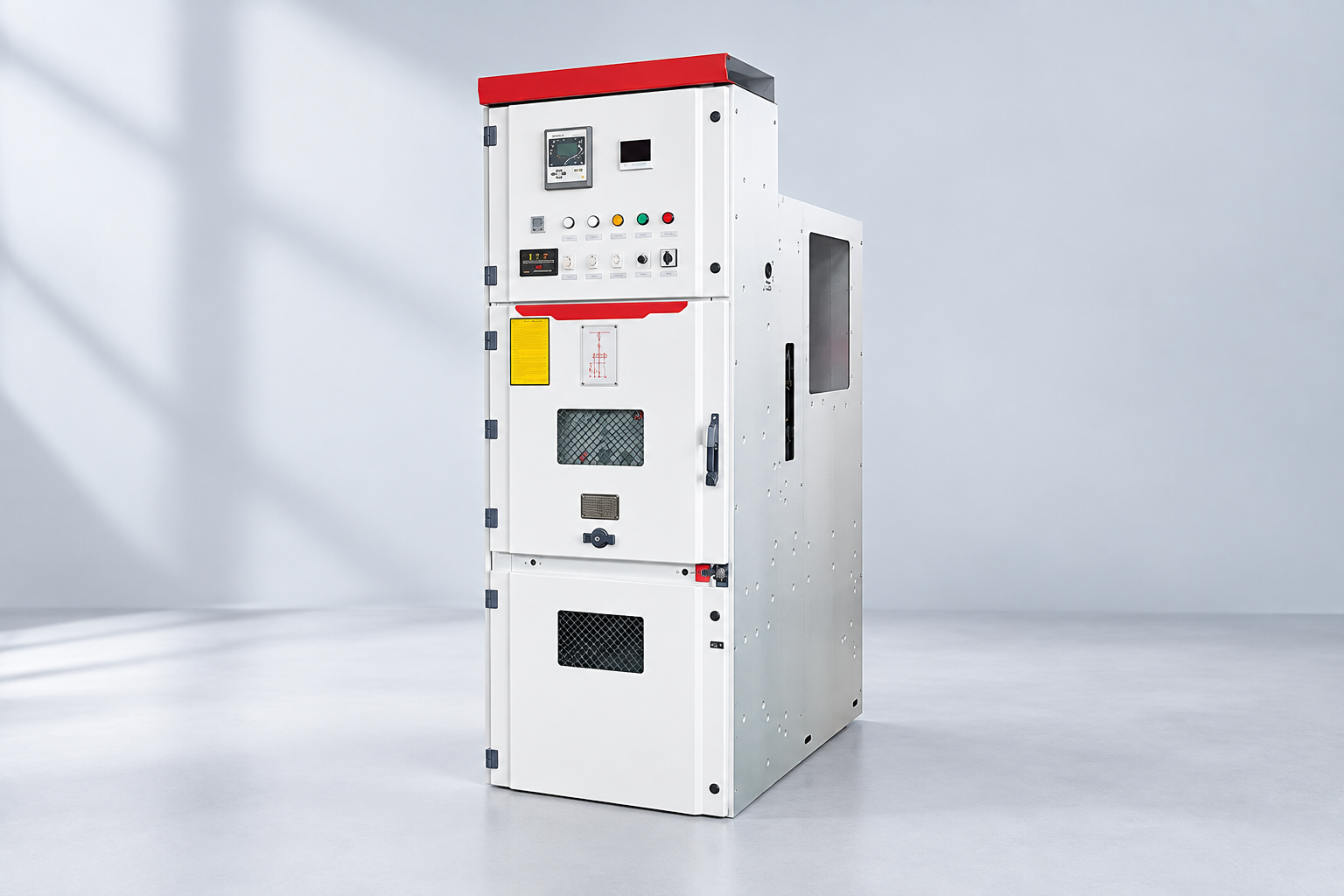
For a medium-voltage project, an LBAJI KYN28A-12 enclosure is a useful product-category reference, but the exact ordered lineup needs its own approved schedule. Specify the incoming and outgoing bay functions, bus sections, metering, protection and cable interfaces. Record who owns the system studies and who approves the equipment drawings. A manufacturer cannot resolve an unknown utility fault level by choosing a familiar breaker model.
Approve drawings before purchasing long-lead components
The drawing package normally combines a single-line diagram, general arrangement, equipment schedule, control schematics, terminal drawings and bill of materials. Review them together. A bay shown on the one-line must appear in the arrangement and component schedule, while a trip circuit must connect to the correct breaker and control supply. Identify revision numbers and formal approval status so production does not mix an old schematic with a revised parts list.
Define approval hold points before the purchase order is released. Changes to breaker type, instrument transformer ratio, bus arrangement or enclosure dimensions can affect other design checks. Require a written change proposal explaining electrical, mechanical, certification, cost and delivery consequences. An alternative component may be available sooner, but availability alone is not a technical approval. Keep deviations visible until the responsible engineer accepts or rejects them.
Inspect enclosure fabrication and mechanical interfaces
Enclosure fabrication determines how doors, partitions, cable compartments, lifting points and mounting interfaces fit together. Review the approved material and finish requirements, panel alignment and access arrangement. Ask how the supplier checks sharp edges, door movement, component mounting and protective bonding connections. For outdoor equipment, discuss the declared enclosure protection and environmental assumptions; a photograph cannot demonstrate weather resistance or an internal-arc classification.
Mechanical fit matters at installation. Verify shipping section dimensions, weights, lifting instructions, base channels, anchoring details, cable entry locations and maintenance access. A cabinet can pass an electrical factory test yet be impractical to move through the building or terminate on the specified cables. Resolve these interfaces before production rather than changing the enclosure on site, where an alteration may require further engineering or certification review.
Control busbar preparation and assembly
Busbars carry current through the lineup and must work as part of the verified assembly design. The manufacturing file should identify conductor material, geometry, supports, joints and insulation arrangements. Ask for traceability between the approved design and the installed bus system. A statement that the supplier uses copper does not establish temperature-rise performance, short-circuit withstand or suitability of a particular joint arrangement.
Joint preparation and fastening need controlled instructions, suitable tools and inspection records. Do not prescribe a generic torque from a blog or copy a value from another cabinet. The correct value depends on the approved connection and manufacturer instructions. Where recorded checks are required, associate the result with the actual joint or assembly stage. Buyers should also confirm how temporary protection prevents damage or contamination before the lineup is closed.
Verify component identity and permitted substitutions
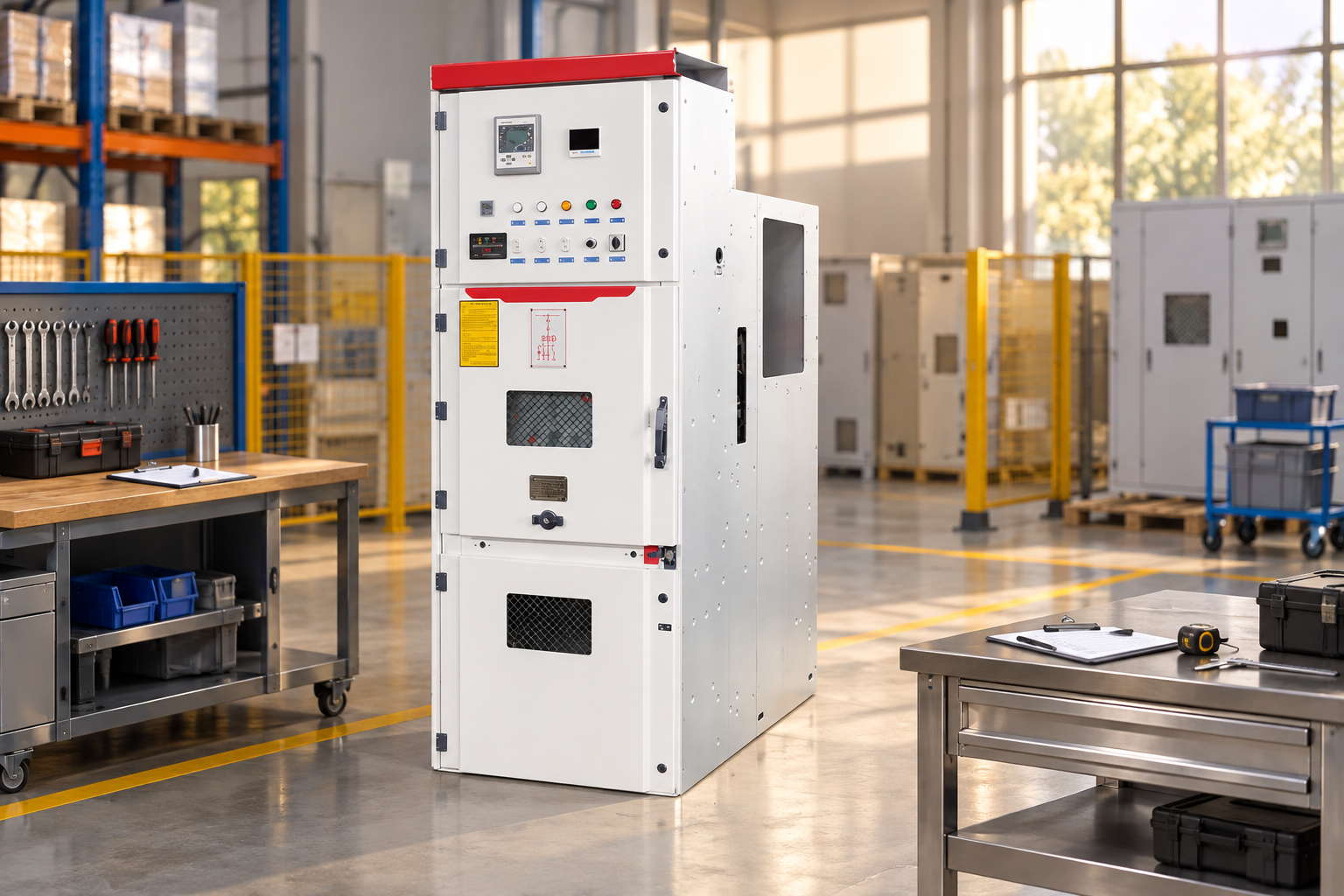
Record the supplied breaker, relay, instrument transformers, auxiliary power devices, terminals and other agreed components. Match model, rating and configuration to the approved bill of materials. A breaker family name may cover several interrupting ratings, operating mechanisms and accessory combinations. The buyer needs the exact configuration and supporting documents, not a catalogue page showing the largest value available in the family.
Treat certification at assembly level carefully. Recognized or listed components do not automatically make every finished combination a certified assembly. UL’s guidance on its switchboard programs describes defined design parameters and quality-control requirements. For projects requiring a particular certification, request the applicable assembly scope and verification route. Do not imply that an LBAJI catalogue product holds a certification unless a current, matching record has been supplied.
Check wiring against controlled schematics
Control wiring connects protection, indications, breaker operation, interlocks and external interfaces. Manufacturing checks should reconcile wire identification, terminal numbering and device labels with the approved schematics. Confirm the auxiliary supply voltage and polarity where relevant, the required trip and close functions, and the treatment of external contacts. A neat wiring loom is useful, but visual neatness alone cannot prove the circuit works.
Ask how the manufacturer verifies continuity and agreed functional logic. Identify test conditions, temporary jumpers and simulator inputs in the test procedure. The final drawings should reflect accepted changes, and temporary arrangements must be removed or explicitly documented before shipment. Communications points deserve similar attention: define the signal meaning, scaling, status conventions and responsibility for integration with the building or plant system.
Separate design verification, routine checks and buyer witness tests
These activities answer different questions. Design or type verification supports the assembly design within a stated scope. Routine production checks relate to the particular equipment manufactured. A buyer-witness factory acceptance test reviews the agreed order and functions, but does not automatically repeat every design test or demonstrate conditions absent from the factory setup.
Agree the test plan, acceptance criteria and instruments before the witness visit. Identify which checks are performed on every assembly, which evidence is reviewed from previous design verification, and which project-specific sequences will be demonstrated. Test voltages, durations and thresholds belong to the applicable standard and approved procedure. A purchasing checklist should name the required evidence without inventing universal pass limits for all switchgear classes.
Record nonconformities and retest after correction
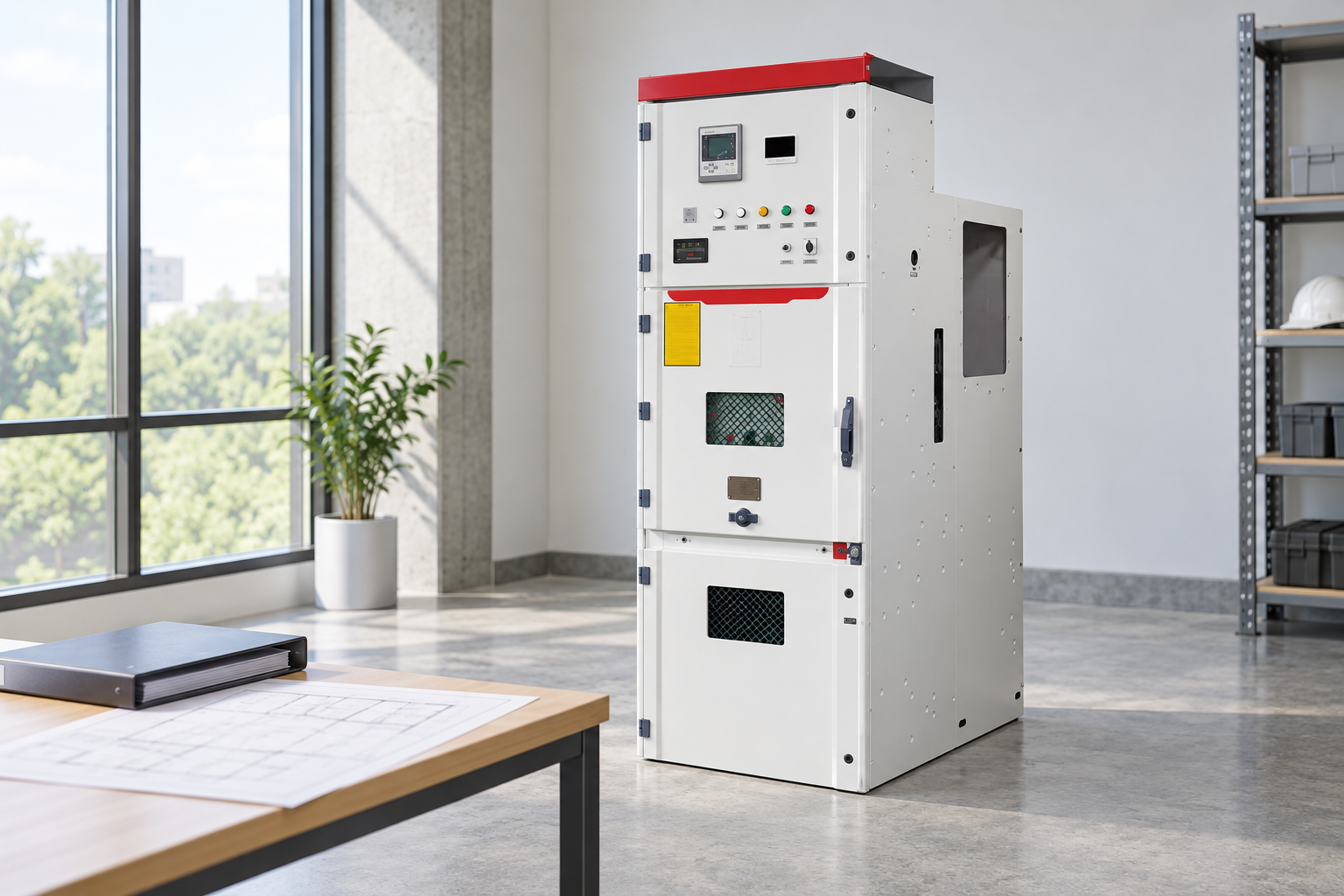
A useful factory report identifies equipment serial numbers, drawing revisions, test conditions, measured results and deviations. When a fault is found, document the symptom, cause, corrective action and affected functions. A signed note saying “repaired” provides less assurance than a clear retest record demonstrating that the correction worked and did not create a new problem elsewhere.
Classify unresolved items by their effect on safety, functionality, installation and documentation. The buyer and responsible engineer should agree shipment conditions in writing. Cosmetic touch-up and an unverified protection circuit are not equivalent outstanding items. Maintain a list of hold points and responsible owners, with evidence of closure. Never use shipment urgency as a substitute for resolving a material electrical or mechanical defect.
Prepare the shipment and commissioning handover
Packing should protect the equipment against the agreed transport and storage conditions. Confirm restraints, moisture protection, handling instructions and identification of separate accessories. Shipping sections should reconnect using the approved instructions, with necessary parts identified. Record how the receiver checks for transport damage and what storage conditions apply before installation. A finished factory inspection does not remove the need for checks after a long journey.
The handover file should contain approved as-built drawings, final parts lists, test records, operation and maintenance instructions, protection-setting responsibility and spare-parts information. Factory acceptance supports release from the plant; site acceptance addresses transport, installation and system integration. Energization needs an approved commissioning and safety process. OSHA electrical work practices provide relevant U.S. safety context, but local requirements and project procedures must be confirmed separately.
Manufacturing evidence to request
| مرحلة | Buyer question | Useful evidence |
|---|---|---|
| Design release | Is the lineup technically approved? | Revision-controlled drawings and accepted deviations |
| Assembly | Do installed parts match the order? | Bill of materials, component identities and production inspection records |
| تحقق | Which design and production checks apply? | Applicable verification reports and order-specific results |
| Functional tests | Does the approved logic operate? | Agreed test procedure, recorded outcomes and retest evidence |
| Shipment | Can the site install and maintain the lineup? | Packing list, handling instructions and final handover documents |
الأسئلة الشائعة
Is the best-known breaker brand enough to ensure switchgear quality?
No. The breaker is one component within a coordinated assembly. Busbars, supports, enclosure arrangement, protection, wiring and workmanship also matter. Evaluate the approved design and order-specific inspection records. Confirm that substitutions remain within the required verification or certification scope, rather than accepting a brand name as proof of the whole cabinet’s performance.
Does a factory acceptance test replace a type test?
Usually it serves a different purpose. A factory acceptance test checks the particular order against an agreed procedure. Design or type verification supports the assembly design within a defined scope. Ask which reports establish the design and which checks apply to the supplied equipment. The witness procedure should state its boundaries and remaining site checks.
Can a buyer approve manufacturing from photographs?
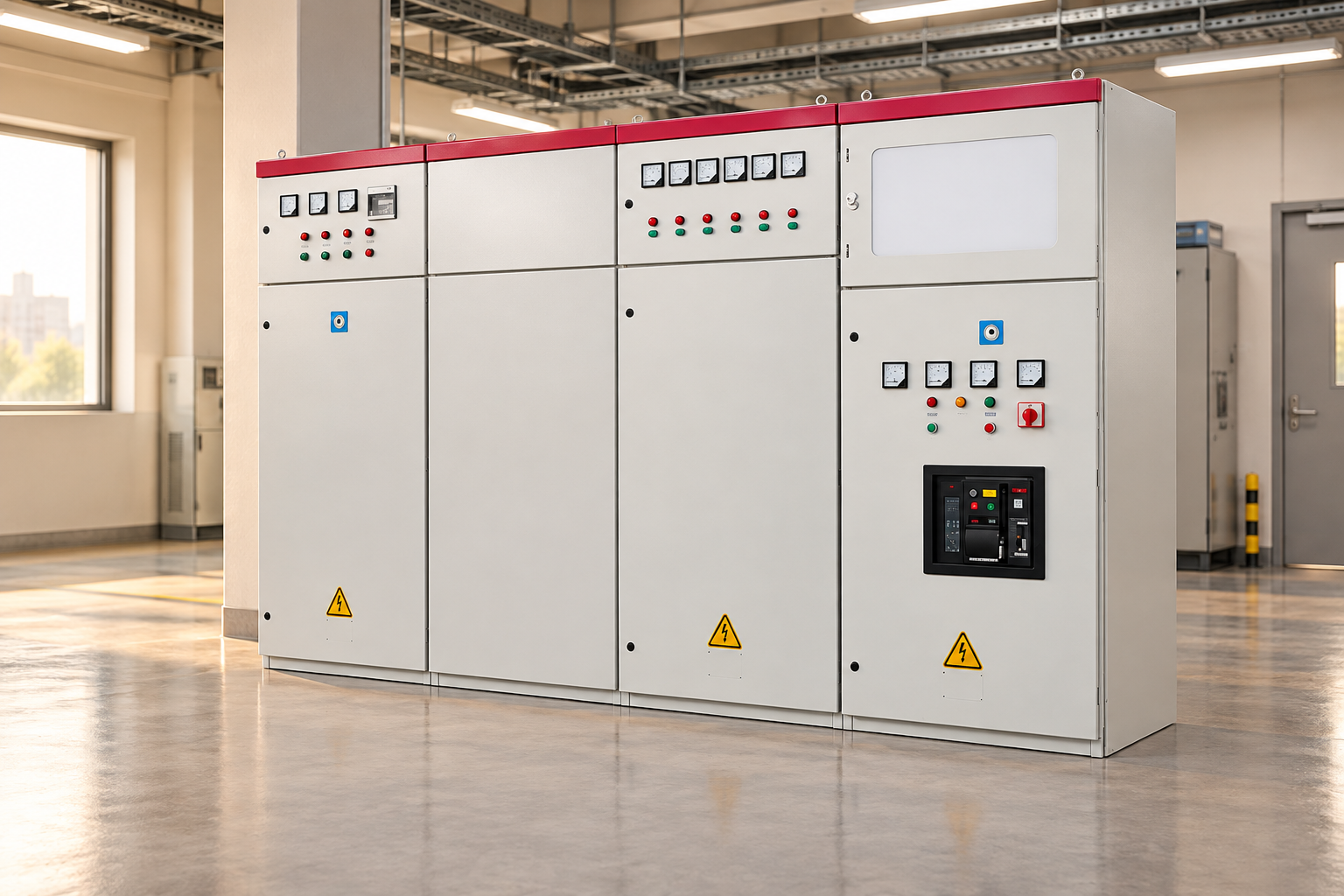
Photographs can show visible arrangement, labeling and finish, but they cannot establish fault withstand, temperature-rise behavior or correct protection logic. Use them alongside controlled drawings, component records and test evidence. Request additional inspection where a critical detail is unclear. The image reference in this article illustrates an equipment category and is not a completed-project test record.
What should happen when a component becomes unavailable?
The supplier should submit a substitution request showing the old and proposed items and their effect on ratings, dimensions, controls, verification and delivery. The responsible reviewer then approves or rejects it. Update all affected documents before manufacturing continues, and repeat any checks affected by the change. A verbal promise that two parts are equivalent is insufficient.
What is the final manufacturing deliverable?
It is the equipment together with a traceable handover file. The buyer should be able to connect each supplied bay to its drawings, component configuration, relevant verification evidence and production tests. Remaining site activities, settings and responsibilities should be explicit. That connection between physical equipment and records is more useful than a generic certificate of quality.
Related LBAJI resources
LBAJI KYN28A-12 Metal-clad Withdrawable AC Switchgear. switchgear fundamentals. دليل اختبار الأجهزة الكهربائية. switchgear maintenance checklist.
Technical sources
Use these references for the relevant equipment and work-practice scope. Confirm the edition and project requirements with the responsible engineer.
Further viewing
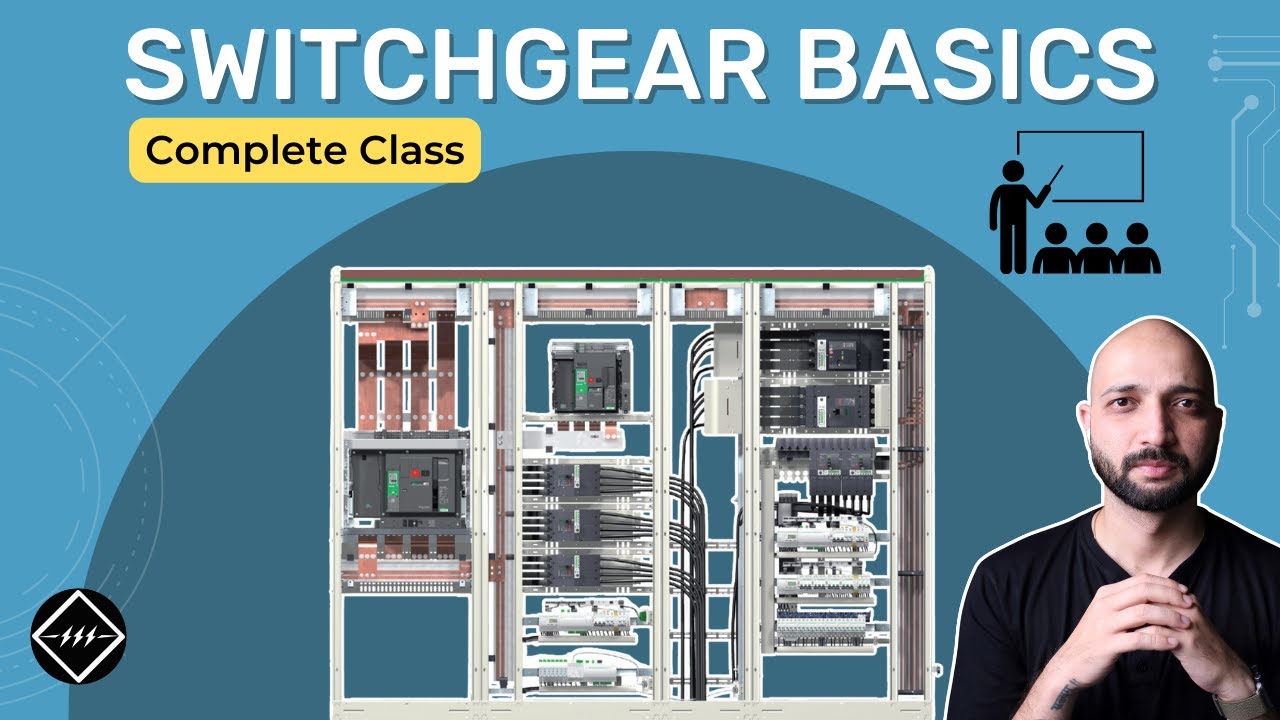
Gaurav J – TheElectricalGuy — Switchgear Basics: Complete Beginner’s Guide | TheElectricalGuy. This independent educational video provides background principles; it does not specify LBAJI equipment ratings or replace a project procedure.