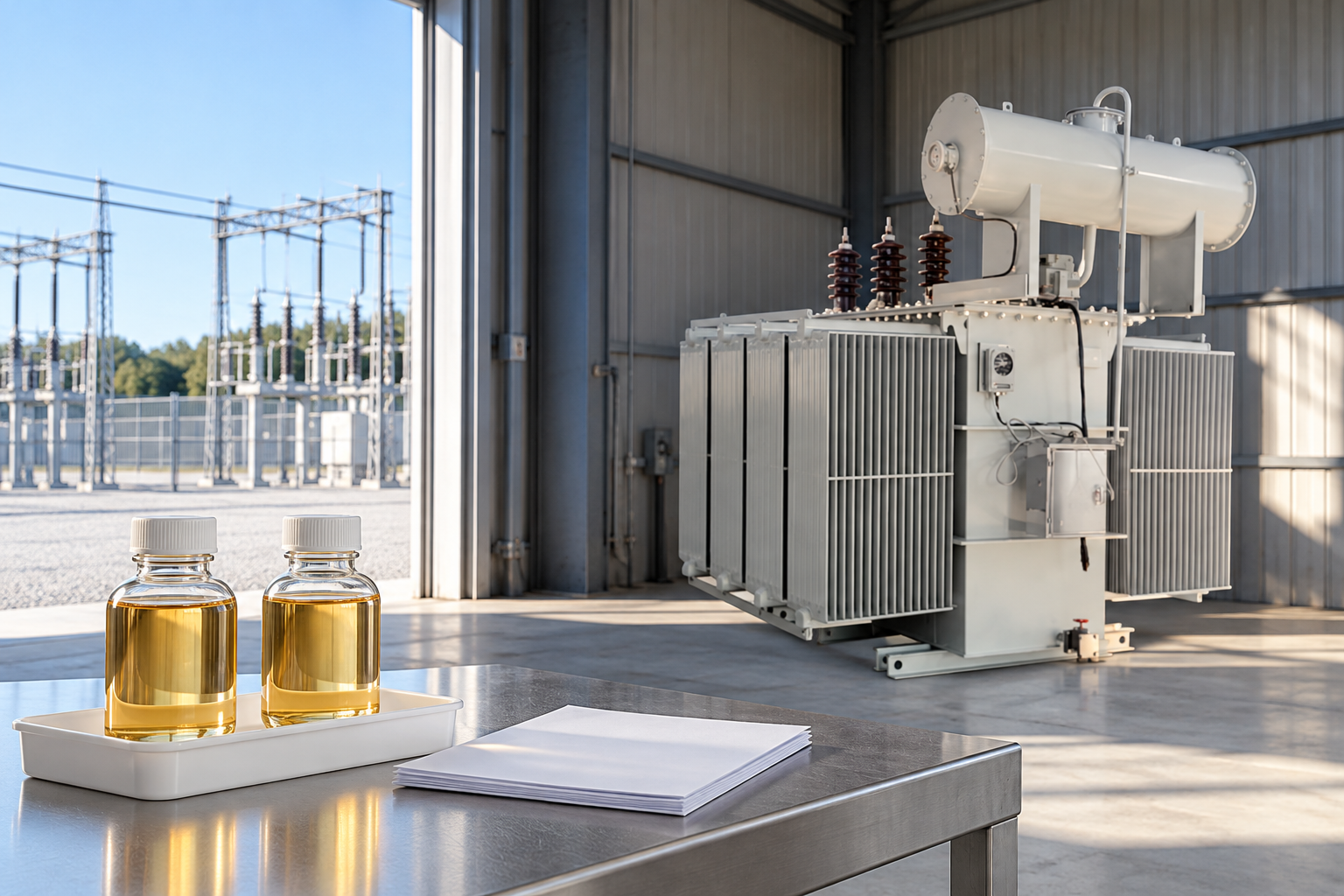

Transformer factory acceptance testing is the last moment problems are the factory’s to fix at the factory’s cost—after shipment, every issue becomes a negotiation.
Importers who witness FAT with a structured checklist consistently receive better-documented units. This guide covers the tests to witness, the logistics, and the release criteria.
Write witness rights into the purchase contract; they are difficult to add later.
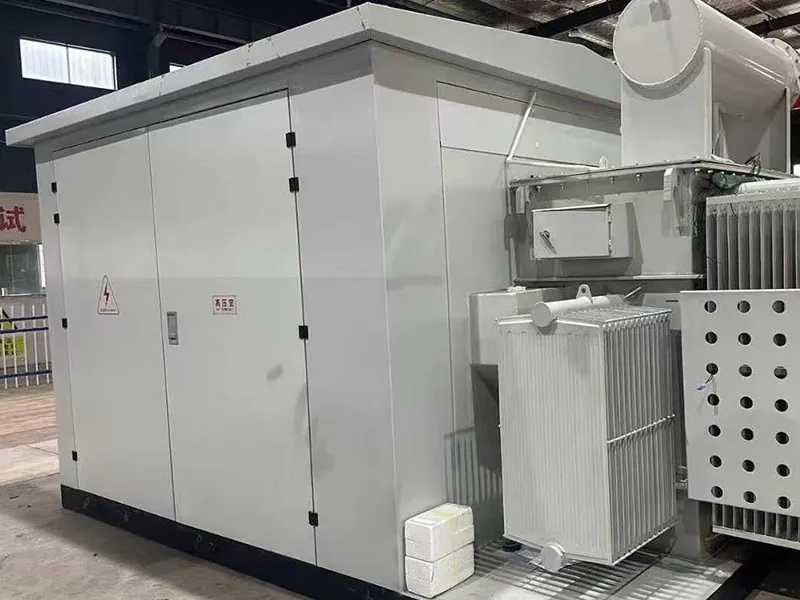
Part 1. What FAT covers and why witnessing matters
Factory acceptance testing bundles the routine tests performed on every unit with any contracted type or special tests, executed before shipment release.
Witnessing—on site or remote—verifies the tests happen on your unit, with calibrated equipment, against the agreed acceptance criteria.
للمزيد من السياق، انظر مواصفات محول زيتي 2000 كيلو فولت أمبير ودليل طلب عرض الأسعار (RFQ).
للمزيد من السياق، انظر مواصفات محول مغمور بالزيت بقوة 800 كيلو فولت أمبير وقائمة التحقق لطلب تقديم العرض (RFQ).
Part 2. Routine tests to witness
Six routine tests carry most of the acceptance weight.
| اختبار | What it proves |
|---|---|
| مقاومة الملفات | Joint quality and conductor integrity |
| Ratio and vector group check | Nameplate ratings and connection correctness |
| No-load loss and current | Core quality at rated excitation |
| Load loss and impedance | Guaranteed losses and short-circuit impedance at reference temperature |
| Applied and induced voltage tests | Insulation withstand between and within windings |
| مقاومة العزل | Dryness and assembly quality |
IEC 60076-1 and IEEE C57.12.90 define the methods and tolerances; name the edition in the contract so acceptance criteria stay unambiguous.
Part 3. Type and special tests
Type tests—temperature rise, lightning impulse, short-circuit withstand—prove the design family rather than each unit.
Accept existing type test reports on identical designs where schedule matters; require witnessed repeats only when the design is new or the project demands it.
Special tests such as sound level measurement belong in the contract explicitly, with acceptance values.
Part 4. Witness logistics
Agree notice periods, hold points, and re-test rules before production starts—chasing them during testing wastes leverage.
Remote witnessing works when the factory provides live instrument views and signed raw data; state the format in the contract.
One competent witness carrying the test plan beats a delegation without it.
Part 5. Documentation and release
Release shipment against a document set: signed test reports with raw data, nameplate photo, calibration references, and closure of any non-conformities.
Check report values against guaranteed figures—losses and short-circuit impedance carry commercial tolerances that affect price adjustments.
Document acceptance comes first; shipment release follows it, never the reverse.
الجزء السادس: توصيات المنتجات وحدود الملاءمة
توصية المنتج: Test scope and acceptance criteria are series-level topics—settle them during selection. Start at the فئة منتجات المحولات, ، ثم راجع سلسلة محولات الطاقة المغمورة بالزيت S□-M و سلسلة محولات الجاف المعزولة بالراتنج SC(B) خلافاً للمواصفات المعتمدة.
| ملائمة أفضل | مناسبة ضعيفة بدون دراسة إضافية |
|---|---|
| Contracts naming tests, standards, and editions | Assuming FAT is included without written scope |
| Importers with witness rights in the purchase order | Requesting witnessing after production ends |
| Teams checking reports against guaranteed figures | Filing unread test reports at handover |
قدّم قدرة الكيلو فولت أمبير (kVA) ومجموعة الجهد، ومجموعة المتجهات ونطاق الصنابير، واللاحمل (لا شيء) وفقدان الحمل، وطريقة التبريد والغلاف، وهدف معاوقة قصر الدائرة من خلال اتصل بنا للتأكيد الخاص بالنموذج.
Part 7. Common FAT mistakes
- Signing contracts without witness rights or notice periods.
- Accepting summary sheets without raw measurement data.
- Ignoring the reference temperature when checking loss guarantees.
- Treating type test reports from a different design as equivalent evidence.
- Skipping calibration record checks on the test equipment.
- Releasing shipment before non-conformities are closed in writing.
الأسئلة الشائعة
What is factory acceptance testing for transformers?
The routine, type, and special tests executed at the factory before shipment release, checked against contracted acceptance criteria.
Which routine tests should importers witness?
Ratio and vector group, winding resistance, no-load and load loss with impedance, applied and induced voltage, and insulation resistance.
What is the difference between routine and type tests?
Routine tests run on every unit; type tests prove the design family once—temperature rise, impulse, and short-circuit withstand.
Can factory acceptance testing be witnessed remotely?
Yes—with live instrument views, signed raw data, and a contract clause defining the remote format and hold points.
What documents follow a passed FAT?
Signed test reports with raw data, calibration references, nameplate records, and written closure of any non-conformities.
What happens if a test result misses its limit during FAT?
The factory investigates, corrects, and re-tests under the agreed re-test rules; shipment release waits for closure.
How much notice should the factory give before FAT?
Contracts commonly set one to two weeks of notice; fix the period explicitly so travel and remote setup stay plannable.