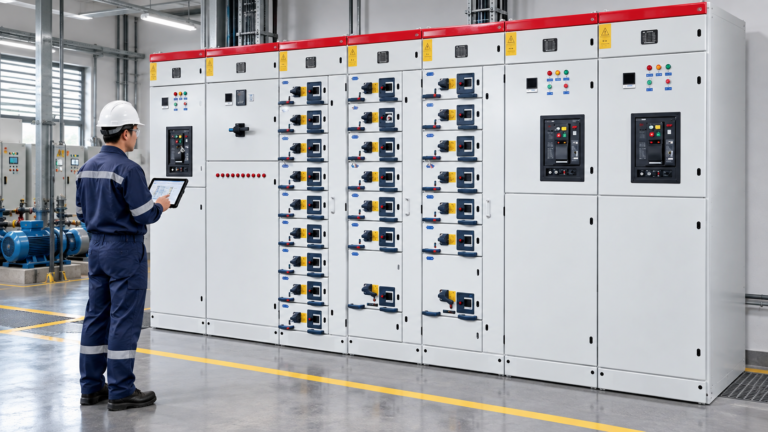
Overload Relay: Guide
An overload relay protects a motor from sustained overcurrent and overheating; it is not normally intended to clear a short circuit. It works with a contactor and upstream short-circuit protective device, opening the…


An overload relay protects a motor from sustained overcurrent and overheating; it is not normally intended to clear a short circuit. It works with a contactor and upstream short-circuit protective device, opening the…
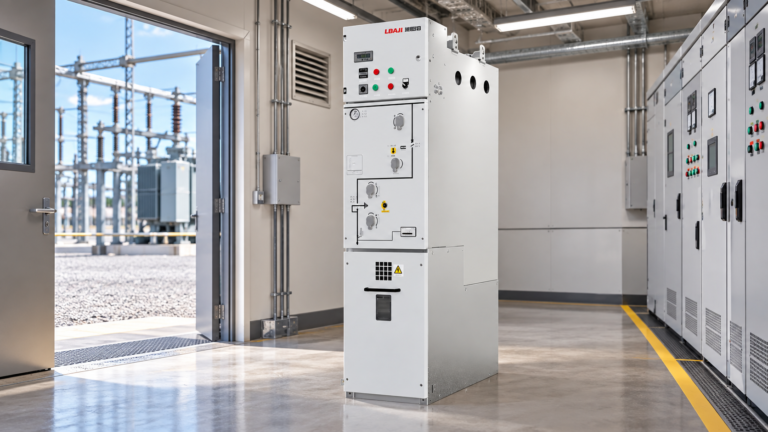
What is considered high voltage depends on the governing standard, industry and task. A value called high voltage in electronics may be treated differently in building wiring, industrial equipment, transmission systems…
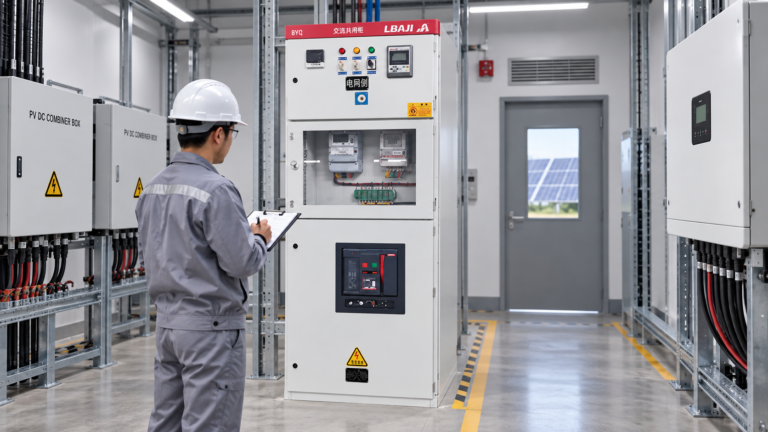
A direct-current circuit breaker must interrupt DC current without relying on the natural current zero crossings available in AC systems. Voltage rating, polarity, arc-control design, time-current behavior and available…
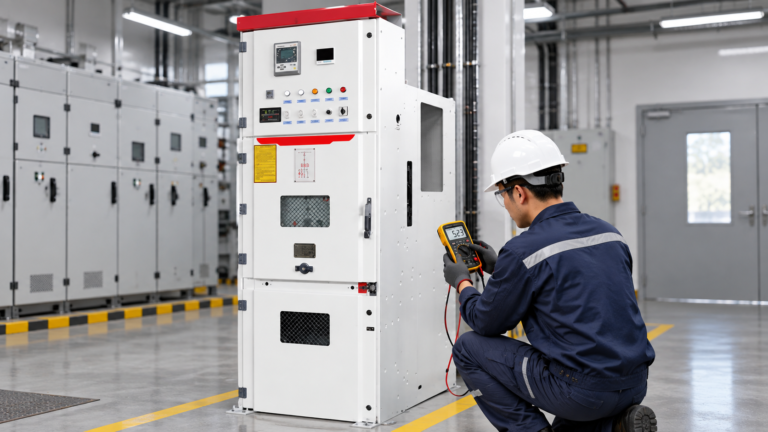
Calculate voltage drop across a resistor with Ohm's law: V = I × R. Use volts for V, amperes for I and ohms for R. In a series circuit, each resistor's drop is proportional to its resistance; in parallel, each branch…
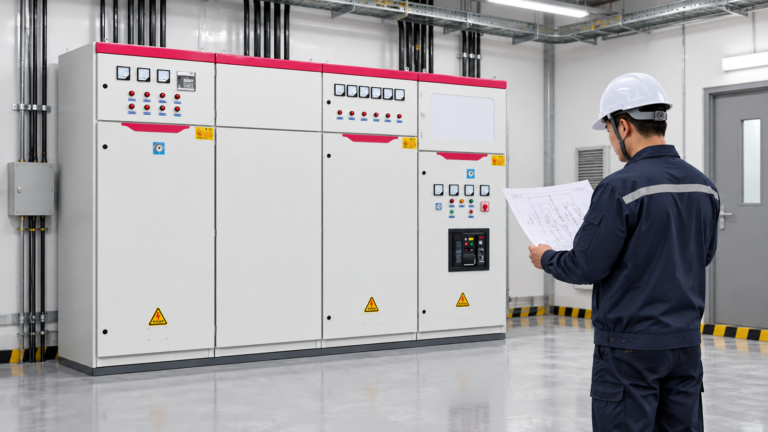
Circuit breaker box wiring connects the service or feeder, main disconnect, busbars, branch breakers, neutral conductors and protective earth into one coordinated assembly. A useful wiring diagram must show the actual…
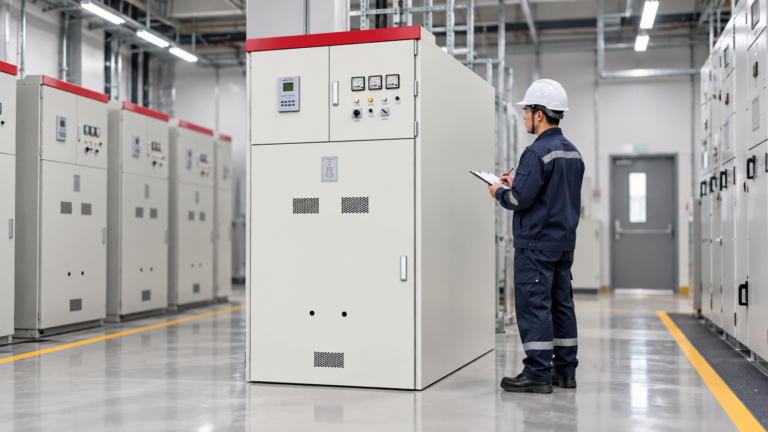
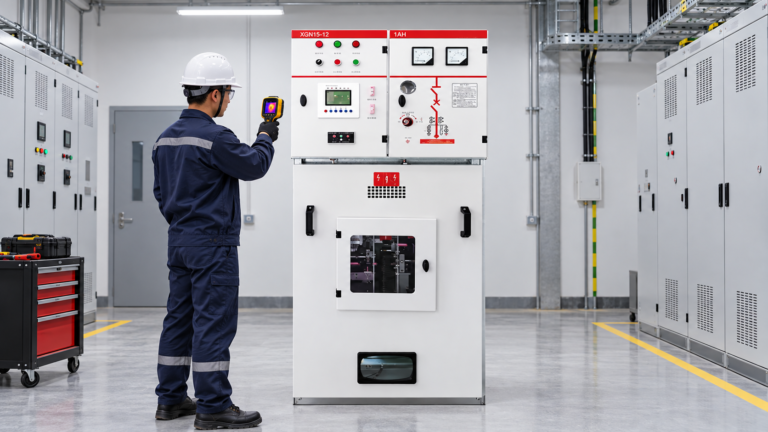
A high-voltage circuit breaker interrupts normal load current and fault current in a power system while insulation, operating mechanisms and protection relays manage the much greater electrical and mechanical stress…
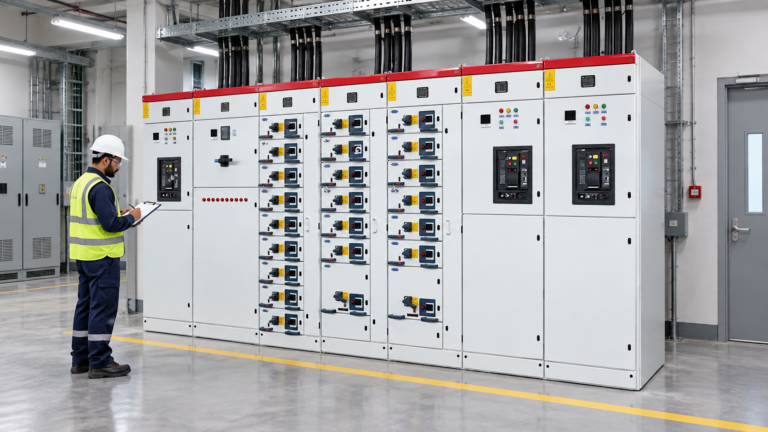
A three-phase panel distributes a three-phase source into protected feeders or branch circuits while maintaining phase identification, neutral and grounding integrity, interrupting ratings and practical load balance.…
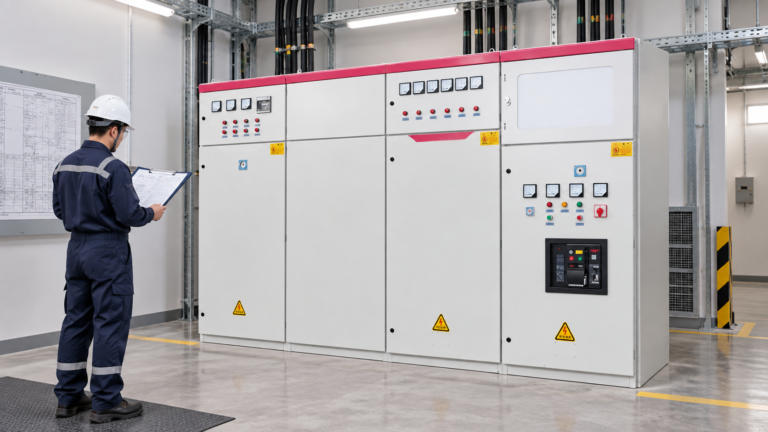
Adding a circuit breaker to a panel is an engineered modification, not simply an empty-slot exercise. The panel listing, breaker family, bus condition, service capacity, fault rating, conductor ampacity, grounding…
An arc-fault circuit breaker combines overcurrent protection with electronics that recognize current patterns associated with hazardous arcing. Troubleshooting must distinguish a genuine wiring fault from load behavior,…
Tell us about your electrical equipment requirements.