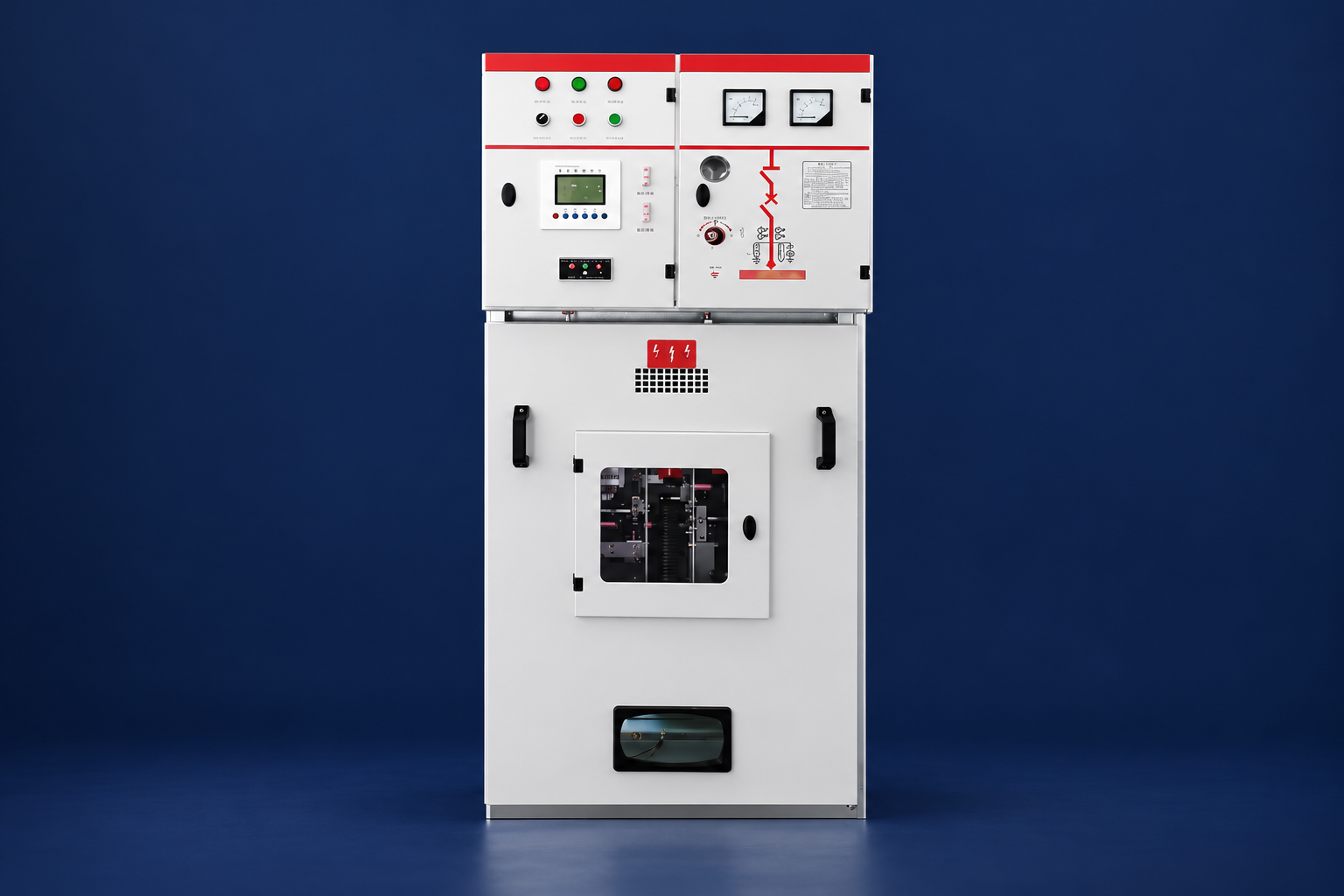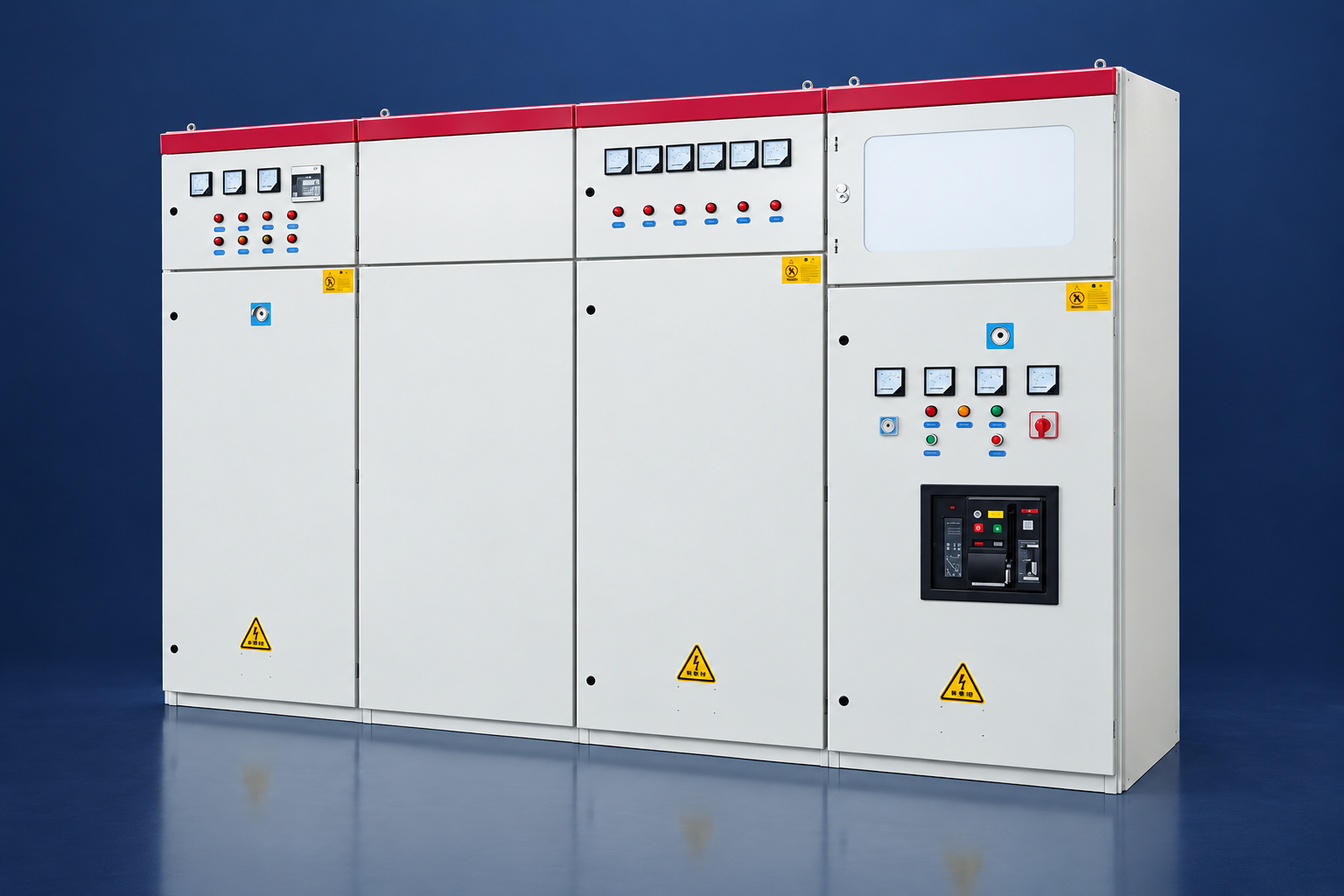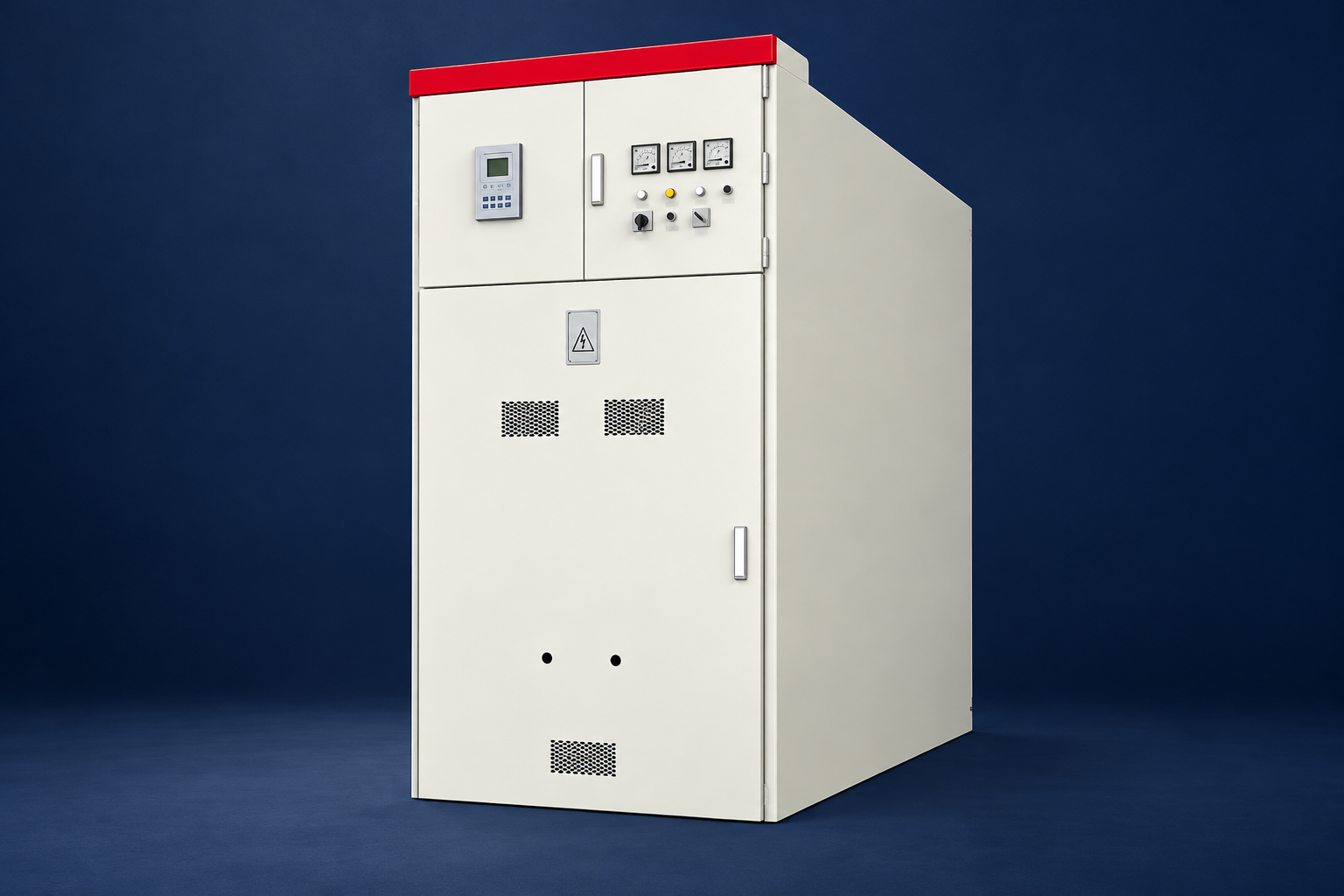

Luftisolierte Mittelspannungs-Schaltanlagen nutzen atmosphärische Luft als Hauptisolierung zwischen den Phasen und Erde, während Metallgehäuse Leistungsschalter, Sammelschienen, Messwandler, Kabel und Steuergeräte umschließen. AIS ist wartungsfreundlich und bekannt, benötigt jedoch mehr Platz als gekapselte Alternativen. Die Auswahl sollte basierend auf Bemessungsspannung, Isolationspegel, Dauer- und Kurzschlussstrom, Störlichtbogenstrategie, Ladesicherheitskontinuität, Umgebung und Wartungszugang erfolgen.
Die wichtigsten Erkenntnisse
- Wählen Sie Mittelspannungsschaltanlagen nicht allein nach der Nennspannung aus.
- Schottung, Verriegelungen und Störlichtbogenklassifizierung beeinflussen das Personalrisiko und die Betriebskontinuität.
- Höhe, Verschmutzung, Kondensation und Zugänglichkeit können das korrekte Design verändern.
AIS-Konstruktion und Abteilungen
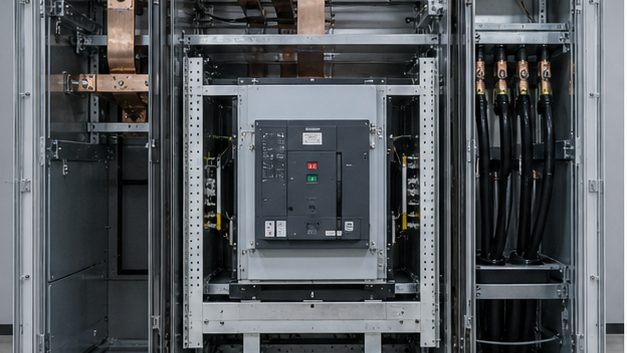
Eine typische metallgekapselte Schaltanlage trennt den ausfahrbaren Leistungsschalter, die Hauptsammelschiene, die Kabelanschlussstellen und die Niederspannungssteuerung durch geerdete Metallwände. Blenden verdecken die Haupttrennstücke, wenn der Leistungsschalter herausgezogen ist. Strom- und Spannungswandler versorgen Messgeräte und Relais, während Erdungsschalter oder Erdungswagen die Wartung unterstützen, sofern vorgeschrieben.
Metallgekapselte Schaltanlagen ist ein weiter gefasster Begriff und bietet möglicherweise eine geringere Unterteilung als metallgekapselte (metal-clad) Konstruktionen. Die Projektspezifikation sollte die Konstruktionsnorm und die Serviceanforderungen angeben, anstatt sich auf Marketingbezeichnungen zu verlassen.
Elektrische Nennwerte, die die Auswahl bestimmen
Die Bemessungs-Spannung sowie die netz- oder stoßspannungsfeste Bemessung müssen zum System und zur Isolationskoordination passen. Der Bemessungsdauerstrom gilt für die Sammelschiene und jede funktionale Einheit. Der Bemessungs-Kurzzeitstrom und dessen Dauer beschreiben die thermische Beanspruchung; der Bemessungs-Stoßstrom beschreibt die elektrodynamische Kraft. Die Ausschalt- und Einschaltvermögen von Leistungsschaltern müssen die untersuchte Fehlerbelastung überschreiten.
Frequenz, Erdung, Lastart, Kabelladung, Kondensatorschaltung, Transformatoreinschaltstrom und Motorbetrieb können die Auswahl des Leistungsschalters beeinflussen. Das zukünftige Fehlerpegelwachstum sollte bewertet und nicht durch Runden kaschiert werden.
Störlichtbogen, Verriegelungen und Betriebskontinuität
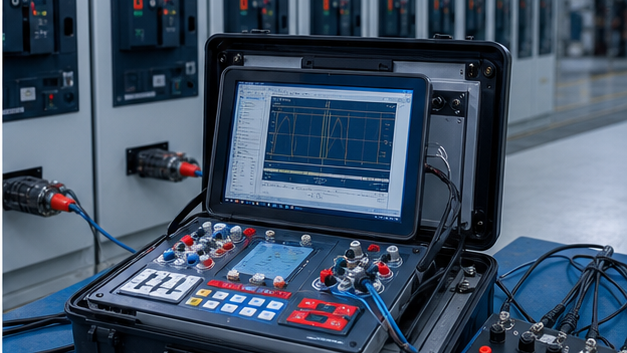
Eine Störlichtbogenklassifizierung gibt die geprüften Zugänglichkeitsseiten, den Lichtbogenstrom und die Dauer unter definierten Bedingungen an. Sie ist keine Garantie dafür, dass jedes mögliche Störlichtbogenereignis harmlos verläuft. Raum-Entlastungswege, Abgaskanäle, Befestigung, Installations- und Wartungszustand müssen der geprüften Konfiguration entsprechen.
Mechanische und elektrische Verriegelungen müssen unsichere Bedienvorgänge verhindern, wie das Verfahren eines geschlossenen Leistungsschalters, den Zugang zu unter Spannung stehenden Fächern oder das Einschalten auf einen nicht ordnungsgemäß positionierten Erdungsschalter. Schlüsselsperren müssen über angeschlossene Geräte hinweg dokumentiert werden.
AIS-Bewertungs- und Konstruktionscheckliste
| Artikel | Geben Sie an | Häufiger Fehler | Verifizierung |
|---|---|---|---|
| Spannungsisolation | Maximale Spannung, BIL/LIWV und Stehwechselspannung | Nur Nennspannung verwenden | Typenschild und dielektrischer Prüfbericht |
| Fehlerdienst | Kurzzeit-, Spitzen-, Leistungsschalter-Ausschaltstrom und -dauer | Ignorieren des zukünftigen Fehlerwachstums | Kurzschlussstudie und Prüfzertifikate |
| Arc-Leistung | Zugänglichkeit, aktuell, Dauer und Abgasanlage | Die Behandlung von Störlichtbogenbeständigkeit als universell | Klassifizierungsbericht und Raumgestaltung |
| Abteile | Trennung von Leistungsschalter, Sammelschiene, Kabel und Niederspannung | Unter der Annahme, dass alle metallgeklammerten Schaltanlagen metallgekapselt sind | Bauzeichnungen |
| Umwelt | Höhe, Verschmutzung, Luftfeuchtigkeit und Temperatur | Keine Kondensationskontrolle | Standortdaten und Herstellers derating |
Umwelt-, Wartungs- und Werksprüfungen
Staub, Salz, Luftfeuchtigkeit, Kondensation, Höhenlage und Temperatur beeinflussen Isolierung und Korrosion. Raumheizungen, Belüftung, gefilterte Räume oder größere Kriechströme können erforderlich sein. Höhenlagen können je nach Norm und Gerätekonstruktion eine Isolations- oder Stromreduzierung erfordern.
Die routinemäßige Wartung umfasst Reinigung, mechanische Betätigung, Kontaktprüfung, Isolationsprüfungen, Relaistests sowie die Überprüfung von Einschüben und Verschlussklappen. Die Werksabnahme sollte die Prüfung der Dielektrizität, des Widerstands, der Mechanik, der Verdrahtung, des Schutzes und der Funktion mit rückverfolgbaren Aufzeichnungen umfassen.
Technische Validierung und Sicherheitsgrenze
Dieser Leitfaden unterstützt bei Spezifikation und Beschaffung; er ersetzt weder eine Projektstudie, die geltenden Vorschriften, die Herstelleranweisungen noch die Arbeit von qualifiziertem Elektrofachpersonal. Überprüfen Sie Folgendes vor der Auswahl, Prüfung, Verdrahtung oder Inbetriebnahme der Ausrüstung:
- Verwenden Sie die neuesten Kurzschluss-, Lastfluss- und Schutzstudien.
- Bestätigen Sie den Kabelabschlussraum, den Biegeradius, die Phasenfolge und die Einführungsrichtung.
- Koordinieren Sie Raumfreigaben, Druckentlastung und Notausgänge.
- Verriegelungen durch einen dokumentierten Funktionsablauf verifizieren.
- Halten Sie Türen, Abdeckungen und Befestigungselemente während des Betriebs im geprüften Zustand.
Informationen, die in die Angebotsanfrage (RFQ) aufzunehmen sind
Ein nützliches Angebot muss für jeden Lieferanten auf derselben technischen Abgrenzung basieren. Fügen Sie die folgenden Informationen ein und fordern Sie, dass alle Abweichungen ausdrücklich aufgeführt werden:
- Systemspannung, Frequenz, Erdung und verfügbarer Fehlerstrom.
- Sammelschienen- und Einspeiseströme, Leistungsschalterbeanspruchungen und Schutzfunktionen.
- Konstruktionsstandard, Kompartimentklasse und Störlichtbogenanforderung.
- Innen- und Außenbereich, Höhe, Temperatur und Korrosionsbelastung.
- Einliniendiagramm, Rangierliste, Kabeliste, Kommunikation, Prüfungen und Dokumentation.
Von technischen Daten zu einer genehmigten Entscheidung
Verwenden Sie eine stufenweise Überprüfung, anstatt die erste Katalogübereinstimmung zu genehmigen. Beginnen Sie mit der AIS-Konstruktion und den Kompartimenten und gleichen Sie dann die elektrischen Bemessungswerte, die die Auswahl steuern, mit internem Lichtbogen, Verriegelungen und der Betriebskontinuität ab. Schließen Sie die Überprüfung mit Umgebung, Wartung und Werksprüfungen ab. Halten Sie in jeder Phase das Quelldokument, die Einheiten, den Betriebsfall und die für die Freigabe verantwortliche Person fest. Dies verhindert, dass ein Wert, der von einer alten Zeichnung, einem Systemtypenschild oder einem nicht zusammenhängenden Produkt kopiert wurde, zu einem unkontrollierten Planungsinput wird.
Vor der Abnahme ist die Lieferantenantwort Zeile für Zeile mit der Anfrage zu vergleichen und jede Abweichung zu kennzeichnen. Es ist zu bestätigen, dass Zeichnungen, Berechnungen, Einstellungen, Zertifikate und Prüfberichte sich auf genau das angebotene Modell und die Revision beziehen. Der genehmigte Einreichungsplan, die Typenschilddaten, die Werksergebnisse und die Inbetriebnahmemessungen sind als Instandhaltungsbasis aufzubewahren. Wenn sich eine Bemessung, ein Anschluss, eine Umgebung oder eine Prüfbedingung ändert, ist die betroffene Prüfung zu wiederholen, anstatt anzunehmen, dass die ursprüngliche Schlussfolgerung weiterhin gültig bleibt.
Die Dokumentenlenkung muss den Revisionsstand, den Freigabestatus und ersetzte Dateien kennzeichnen. Die Teams vor Ort sollten dieselben freigebenden Werte erhalten, die für die Beschaffung verwendet wurden, während Inbetriebnahmeprotokolle jede während der Installation vorgenommene autorisierte Änderung erfassen müssen. Diese Rückverfolgbarkeit ist besonders wichtig, wenn Anlagen Jahre später ersetzt werden: Der nächste Ingenieur benötigt verifizierte Schnittstellen und die Testhistorie und keine unvollständige Beschreibung, die von einer Bestellung kopiert wurde.
Durch aktuelle Suchergebnisse fundierte Berichterstattung
Die aktuellen US-Google-Top-20-Bewertungen brachten wiederholt Themen zum Vorschein, darunter LUFTISOLIERTE SCHALTANLAGEN, Gasisolierte Schaltanlagen (GIS)-Portfolio, Was sind Mittelspannungsschaltanlagen?, VERWANDTE ANGEBOTE und Lebendtank-Leistungsschalter (LTB). Der Artikel geht auf diese Nutzerbedürfnisse in einer originellen Ingenieur- und Beschaffungsreihenfolge ein; die Navigation zu Wettbewerbsmarken und fte Fremdverkaufsmaterialien wurden ausgeschlossen.
Zugehörige LBAJI-Ressourcen
Weiter mit Mittelspannungs-Schaltanlagen-Handbuch gas- versus luftisolierte Schaltanlagen LBAJI-Schaltanlagenprodukte. Diese Ressourcen helfen dabei, die Berechnung oder Komponentenentscheidung mit einer vollständigen Transformator-, Schaltanlagen-, Steuerungs- oder Verteilungsspezifikation zu verknüpfen.
Technische Referenzen und Weiterführende Literatur
- IEC 62271-200 — Gekapselte AC-Schaltanlage für Hochspannung und Stklassifikation von internen Störlichtbögen.
- IEEE Standards Association — C37 Schaltanlagen- und Leistungsschalternormen.
- OSHA-Elektrische Sicherheit — Arbeitsweisen an elektrischen Anlagen.
Fazit
Eine solide AIS-Spezifikation verbindet elektrische Bemessungswerte, Schrankkonstruktion, Störlichtbogenstrategie, Umgebungsbedingungen und Wartungsfreundlichkeit. Fordern Sie vom Lieferanten den Nachweis jedes Bemessungswertes und jeder Schnittstelle durch Zeichnungen und Prüfnachweise anstelle einer Katalogbeschreibung.