
Turbo

Turbo

Disyuntor miniatura vs MCCB: Guía de comparación
LBAJI electrical equipment illustration for Miniature Circuit Breaker Vs MCCB

Miniature circuit breaker vs MCCB is a practical comparison for engineers selecting low-voltage distribution protection. Both devices can interrupt fault current, but their frame size, current range, trip adjustment, accessories, breaking capacity and installation applications differ. The correct choice depends…

Circuit Breaker For Motor Protection: Guide

LBAJI electrical equipment illustration for Circuit Breaker For Motor Protection

A circuit breaker for motor protection must handle normal running current, starting current and fault current without nuisance tripping or leaving the motor and conductors unprotected. A motor branch circuit normally combines short-circuit protection, overload protection, a switching device and…

How To Wire A Shunt Trip Circuit Breaker?

LBAJI how-to-wire-a-shunt-trip-circuit-breaker IMG-046.png

A shunt-trip circuit breaker has an accessory that opens the breaker when a separate control signal energizes its trip coil. The control circuit may be initiated by an emergency-stop system, fire alarm, remote trip pushbutton, protective relay or building-management system.…

Low Voltage Vs High Voltage: Comparison Guide
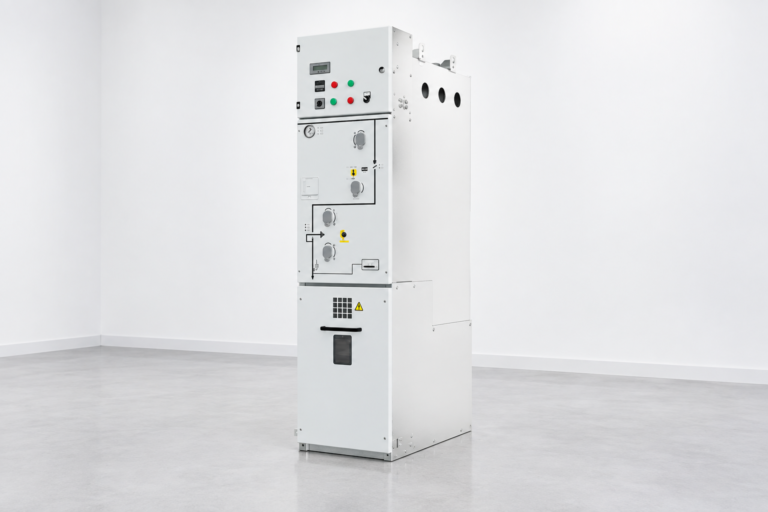
LBAJI low-voltage-vs-high-voltage-comparison-guide IMG-041.png

Low voltage versus high voltage is not a single worldwide cutoff. The boundary depends on the electrical code, utility rule, product standard and task. In a practical power-distribution design, the distinction changes insulation, clearances, protection, switchgear construction, test methods and…

What Is Low Voltage Wiring?

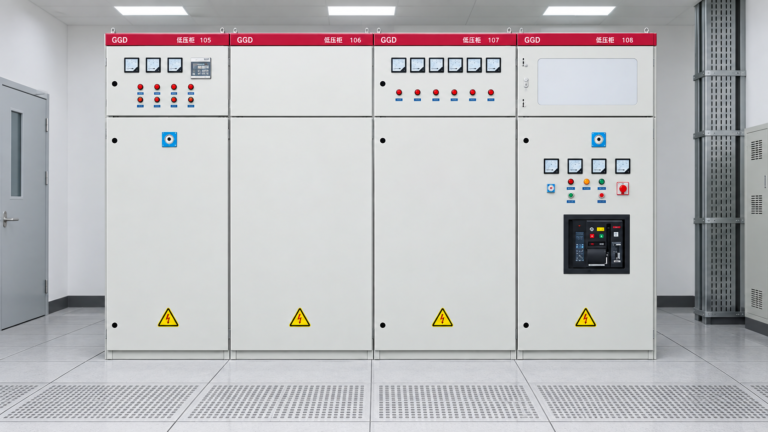
LBAJI GGD low-voltage switchgear wiring reference

Low-voltage wiring is wiring that operates below the voltage boundary defined by the applicable code, standard or project specification. The phrase is not universal: a building-power circuit, a 24 V control circuit, a fire-alarm loop and an Ethernet cable may…