
Fixed vs withdrawable switchgear is a decision about how equipment is connected, isolated and maintained, rather than a simple ranking of safety or quality. A fixed device remains mounted in its assembly; a withdrawable arrangement provides a designed means of moving a device or functional unit between specified positions. The right choice depends on the approved assembly design, permitted operating procedures, maintenance strategy and available service resources. Buyers should compare complete equipment configurations and the work they support, not assume that a drawer, removable breaker or larger enclosure automatically delivers shorter outages.
Identify what is actually withdrawable
The word withdrawable can describe different things. In a medium-voltage assembly it may refer to a circuit-breaker truck and its associated interfaces. In a low-voltage assembly it may refer to a functional unit containing a particular feeder circuit. A removable component does not necessarily have the same positions, interlocks or separation arrangements as a fully withdrawable unit. Ask the supplier to identify the exact item, the connection system and the position definitions in the operating documentation.
Keep the voltage class and assembly standard visible during comparison. A low-voltage drawer assembly and medium-voltage metal-enclosed switchgear have different construction and verification contexts. IEC 61439 and IEC 62271 documents address different equipment scopes; referencing one family does not establish the configuration of another. For a meaningful tender comparison, use the same system requirements and clearly name the fixed, removable or withdrawable arrangement offered for each circuit.
Compare the isolation boundary
Withdrawal may change a device’s connection to the main circuit, but the assembly can contain other energized conductors and separate control supplies. The operating procedure must explain which interfaces change state and which remain connected. Position indication, shutters, auxiliary connections and interlocks are design-specific. Do not interpret a test or disconnected position without the manufacturer’s definition, and do not treat withdrawal as a substitute for establishing an electrically safe work condition.
Fixed equipment also requires a defined isolation method. That method may involve upstream devices, approved disconnecting arrangements and lockout provisions. The important comparison is therefore the work boundary available for a named task. Ask whether inspection, replacement or repair of the particular component requires an outage of one feeder, one section or a wider installation. Answers should refer to the actual electrical arrangement and operating procedure rather than a sales statement about easy maintenance.
Use a task-based comparison table
The following table structures a design review. Its entries are questions to resolve for the offered assembly, not guarantees associated with either construction type. Supplier documents and the project maintenance assessment should establish the final answers.
Kontekst referensi: IEC 61439-1 low-voltage assembly scope. Daftar periksa kualitatif asli ini mengorganisir keputusan proyek; ini bukan standar yang direproduksi atau pengganti dari kriteria yang telah disetujui.
| Area ulasan | Fixed arrangement question | Withdrawable arrangement question |
|---|---|---|
| Akselerasi isolasi | Which upstream boundaries must be secured for the task? | Which circuits remain live in each defined position? |
| Replacement | What connections and mounting work are required? | Is a compatible spare unit available and approved? |
| Antarmuka | How are fixed joints and auxiliary circuits inspected? | How are moving contacts and position mechanisms maintained? |
| Operating procedure | Which tools and access restrictions apply? | Which movement restrictions and interlocks apply? |
| Space | What access is needed for removal and reconnection? | What space and handling equipment are needed for withdrawal? |
| Records | How is device configuration identified after repair? | How is spare interchangeability controlled after exchange? |
Examine the maintenance task before the outage claim
A facility replacing a feeder device occasionally has different needs from one operating many similar circuits with an organized spare-unit programme. Estimate the work sequence for the intended maintenance activity: secure the boundary, establish the required safe condition, gain access, remove the relevant equipment, install or reconnect the replacement, perform verification and authorize return to service. Withdrawal may shorten one step without removing the others. The schedule must include qualified personnel and the necessary checks.
For fixed equipment, evaluate whether access and connection work are acceptable during the planned outage. For withdrawable equipment, evaluate whether the movement and contact systems can be maintained by the site’s service team. Do not compare an experienced crew with stocked spares on one side against an unprepared repair process on the other. The benefit of the arrangement depends on the support system that accompanies it, including documentation, training, compatible equipment and an actual maintenance plan.
Specify spare interchangeability explicitly
A spare that looks identical is not automatically suitable for a circuit. Verify the approved type, revision, ratings, auxiliary interfaces and configuration. Protection settings, communication addresses and control wiring can differ even where the mechanical envelope is similar. Establish who checks compatibility before a spare is inserted or connected. Keep the original configuration record and the replacement record linked so that a later fault investigation can reconstruct what changed.
If rapid exchange is a project requirement, include it in the procurement scope. Ask the supplier which spare units are approved for which circuits and whether any restrictions apply. Document the storage and inspection requirements for the spare. A spare drawer left in a dusty storeroom without configuration records may not provide the operational benefit assumed in the tender. Replacement speed should be supported by a defined procedure and verified resources, rather than an optimistic catalogue comparison.
Review moving interfaces and mechanisms
Withdrawable construction introduces interfaces that must function correctly during movement and in the final operating position. Their maintenance requirements should be available in the equipment manual. Wear, contamination, misalignment or incorrect adjustment can affect the intended behavior. Inspection methods, service intervals and permissible replacement parts depend on the design; this article does not supply universal limits or instructions for manipulating an installed mechanism.
Fixed construction avoids some moving connection interfaces but still contains joints, mechanisms and access arrangements requiring maintenance. It should not be described as maintenance-free. Compare the actual service instructions, required tools and support availability for the offered designs. Consider whether the facility can recognize a defect before an attempted operation. An arrangement with sophisticated movement features can be a poor operational fit if training, spare parts and manufacturer support are unavailable at the site.
Keep interlocks and procedures in the comparison
Interlocks are intended to control permitted equipment states and sequences. They do not eliminate the need to verify the electrical condition or follow an approved procedure. For withdrawable equipment, request a sequence description covering the applicable positions, auxiliary connections, door access and movement restrictions. For fixed equipment, request the equivalent description of isolation and access arrangements. The design review should identify exceptions and special operating modes, not only the normal sequence.
Avoid generic instructions such as simply rack the device out before maintenance. A safe task needs a defined boundary, control of energy sources and verification by qualified personnel. The official electrical work-practice reference linked below explains why equipment state and work authorization must remain distinct. During acceptance, check that the labels, operating manual and demonstrated sequence agree. A drawing that describes one mechanism while the delivered equipment uses another is an unresolved discrepancy.
Reserve the right working space
Withdrawable units need the access and handling space specified for their movement and removal. The required envelope can include a service trolley, lifting arrangement or temporary equipment parking position. Draw the full maintenance activity in the room layout, including the path out of the room. Do not size an aisle from the closed-door cabinet depth alone. Confirm that the arrangement remains practicable after cables, adjacent equipment and building services are installed.
Fixed devices may also require substantial access for replacement, connections or inspection. Their room requirements depend on the design and task, not simply on the absence of a truck. Review front and rear access, cable interfaces and component removal routes with the supplier. The project should use applicable installation requirements and manufacturer drawings for dimensions; a general article cannot establish a universally safe clearance for an unknown lineup and jurisdiction.
Evaluate cost across the support period
Purchase price is one part of the decision. Compare expected maintenance work, spare inventory, training, handling equipment and the consequences of the required outages. Keep assumptions explicit so that a lower initial price is not compared with a different reliability target. Conversely, avoid assigning a benefit to withdrawal where the site will not maintain spares or trained personnel. The selected arrangement should match the service model the owner can actually sustain.
Ask for a supported parts plan and document availability over the intended service period. A technically suitable design may still impose difficult repairs if interfaces are proprietary and support is uncertain. Record which components can be serviced locally and which require manufacturer assistance. These questions are relevant to both fixed and withdrawable equipment. A complete commercial comparison should identify the service obligations and exclusions alongside the equipment supply price.
Apply the comparison to the actual project
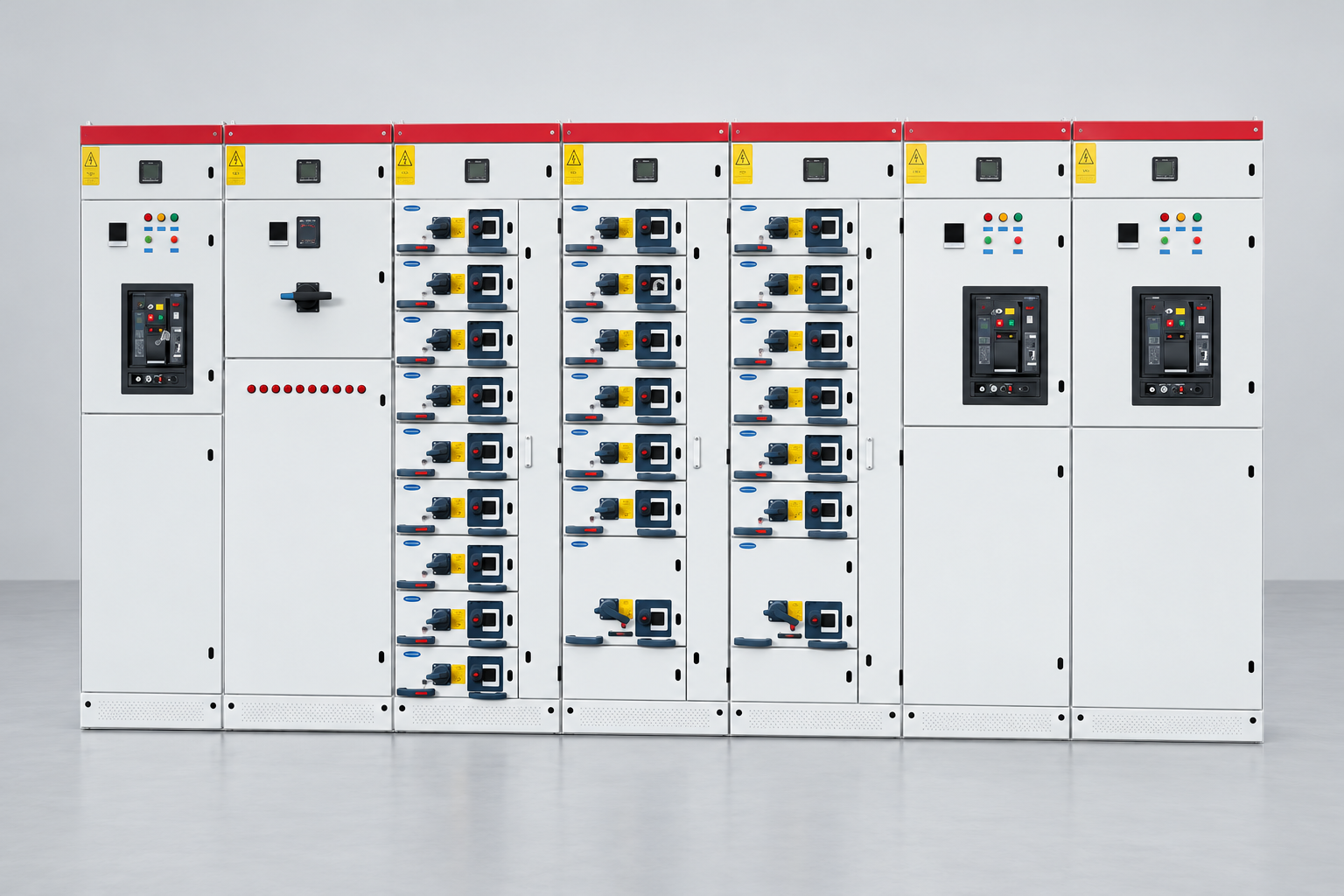
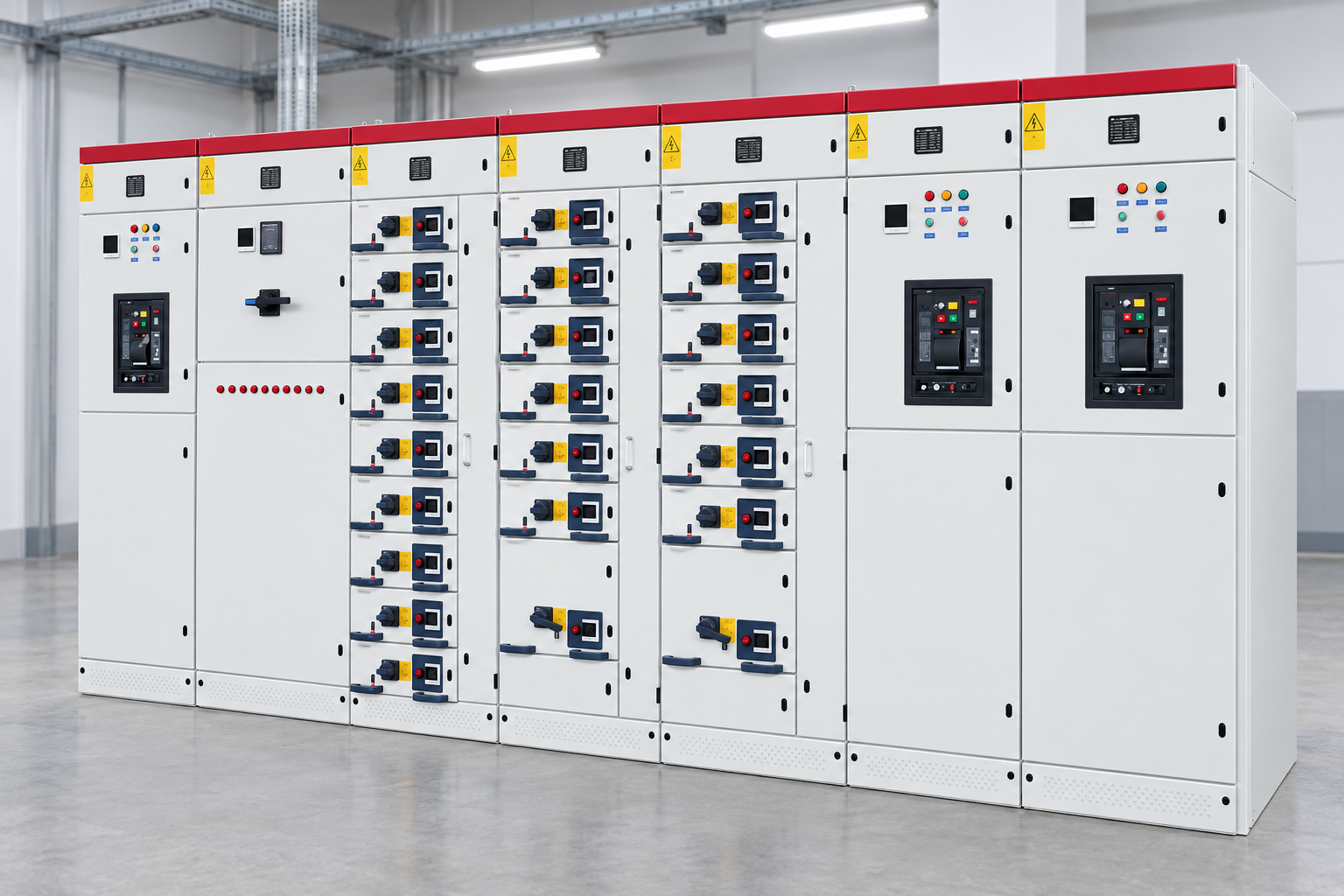
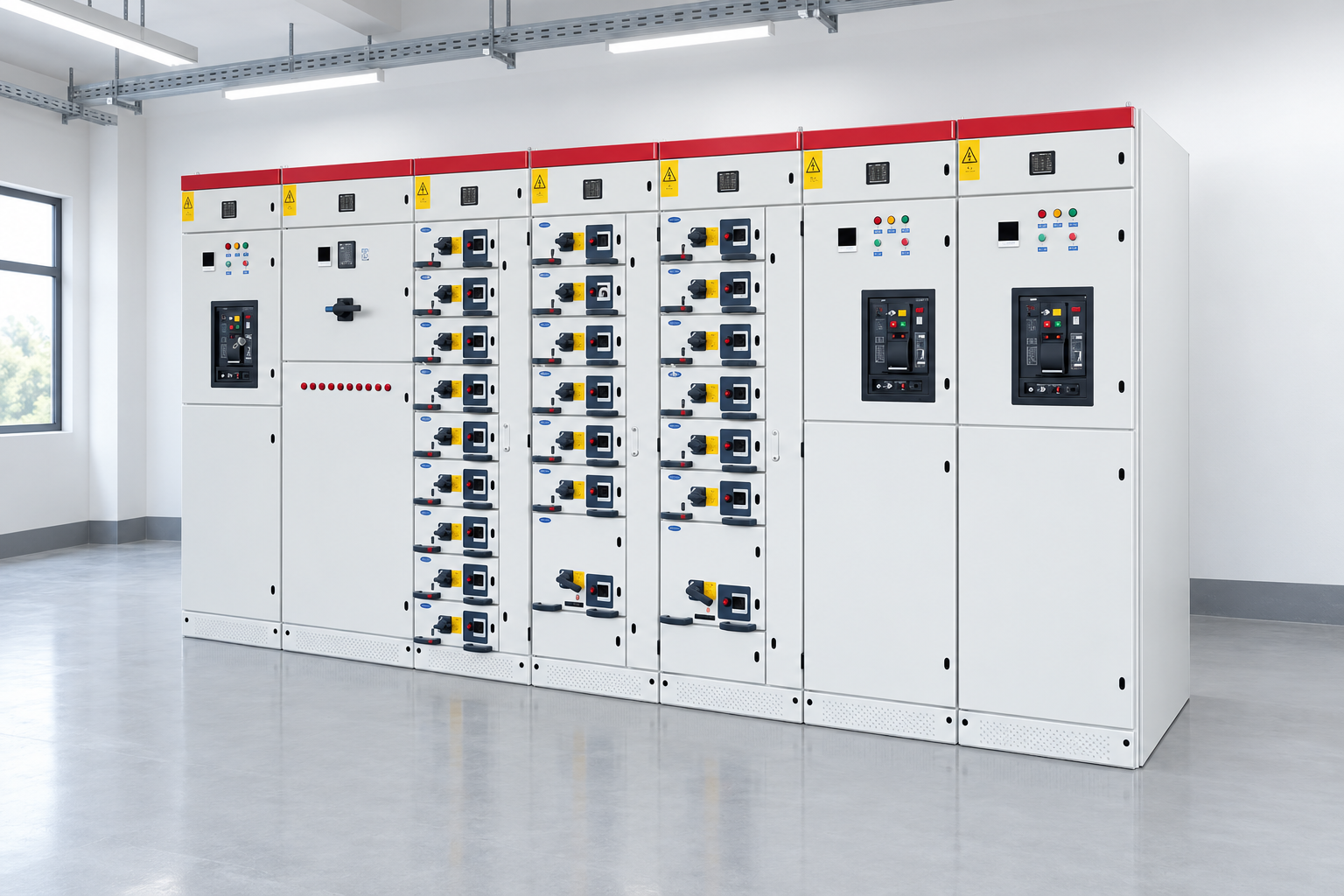
LBAJI’s MNS/GCK/GCS product reference shows a low-voltage lineup with visible functional-unit arrangements. It supports identification of the equipment category, while the ordered circuit configuration, positions and ratings must be confirmed from project documents. Request a circuit schedule identifying which units are fixed or withdrawable and what isolation and replacement work each supports. Check that the quotation, drawings and maintenance instructions describe the same assembly.
The final decision should record the priority: for example, a controlled replacement task during a planned shutdown, or a supported spare-unit exchange process for selected feeders. State the conditions needed to achieve that objective. If the offered arrangement does not establish them, ask for clarification before purchase. The choice becomes defensible when it connects construction, procedures and service resources to a real operating requirement, rather than relying on a blanket claim that one format is always superior.
Pertanyaan yang sering diajukan
Is withdrawable switchgear always safer than fixed equipment?
No. Safety depends on the complete assembly, isolation boundaries, verified electrical condition and operating procedures. Construction format alone is not a safety assessment.
Does a disconnected position mean the whole cabinet is dead?
No. Other conductors and auxiliary supplies may remain energized. Use the manufacturer’s position definitions and the approved isolation procedure for the actual task.
Can any spare drawer replace an installed unit?
No. Mechanical fit does not establish ratings, control interfaces, configuration or approved interchangeability. Verify the spare against the circuit and manufacturer records.
Is fixed switchgear maintenance-free?
No. Fixed equipment still requires inspection and maintenance of its connections, mechanisms and protective functions under the applicable instructions.
What should a comparison RFQ include?
Include circuit duties, maintenance tasks, isolation boundaries, spare strategy, access requirements, training and support obligations, with the exact construction offered for each circuit.
Sumber teknis dan peralatan terkait
Halaman katalog standar menetapkan lingkup dokumen; kepatuhan dan penerimaan memerlukan dokumen lengkap yang relevan serta review teknik proyek.
- IEC 61439-1 low-voltage assembly scope
- Jangkauan peralatan switch AC tertutup logam IEC 62271-200
- 29 CFR 1910.333 Praktik Kerja Listrik, edisi resmi 2025
- LBAJI MNS/GCK/GCS Low-Voltage Withdrawable Switchgear
- Dasar-dasar peralatan switchgear
- Verifikasi dan pengujian peralatan pemutus sirkuit
- Checklist pemeliharaan peralatan pemutus sirkuit
Pembelajaran lebih lanjut: fungsi peralatan
Pengenalan pendidikan independen ini menjelaskan latar belakang peralatan tersebut. Ia tidak menunjukkan prosedur kerja yang aman untuk pemasangan spesifik tersebut. Sumber: Gaurav J – TheElectricalGuy.
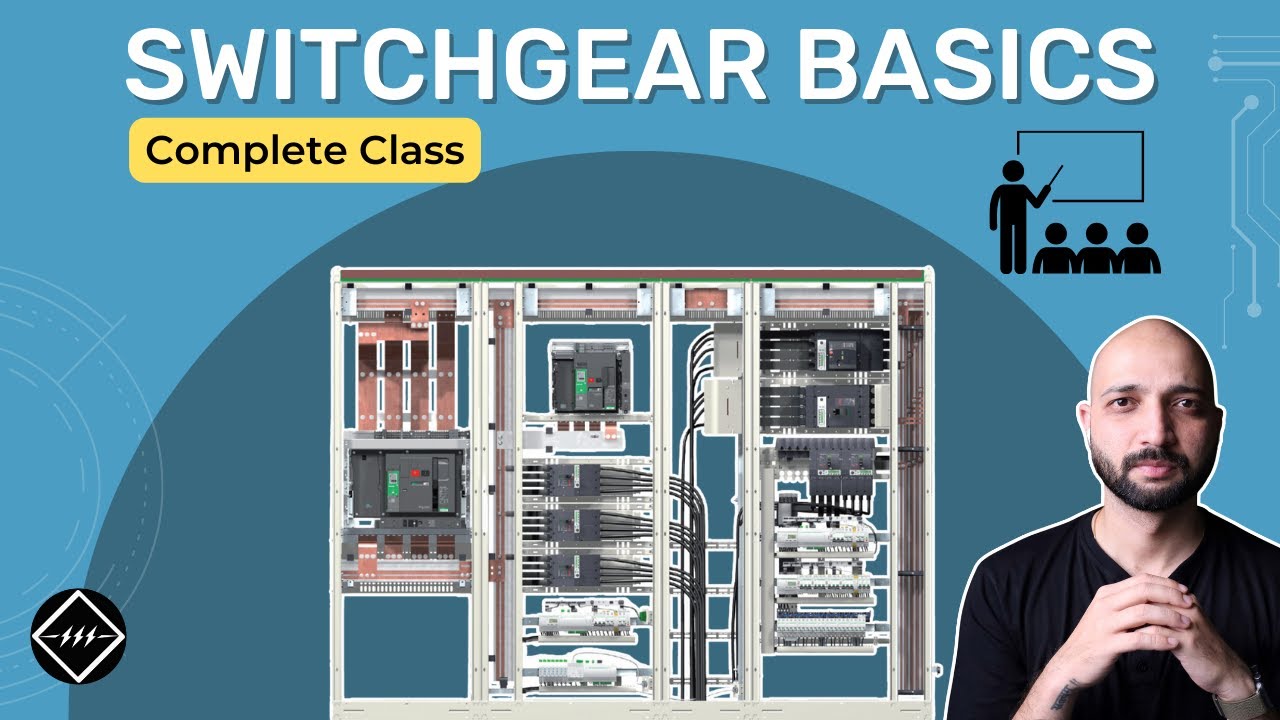
Saksikan Dasar-Dasar Perangkat Listrik: Panduan Lengkap untuk Pemula | TheElectricalGuy