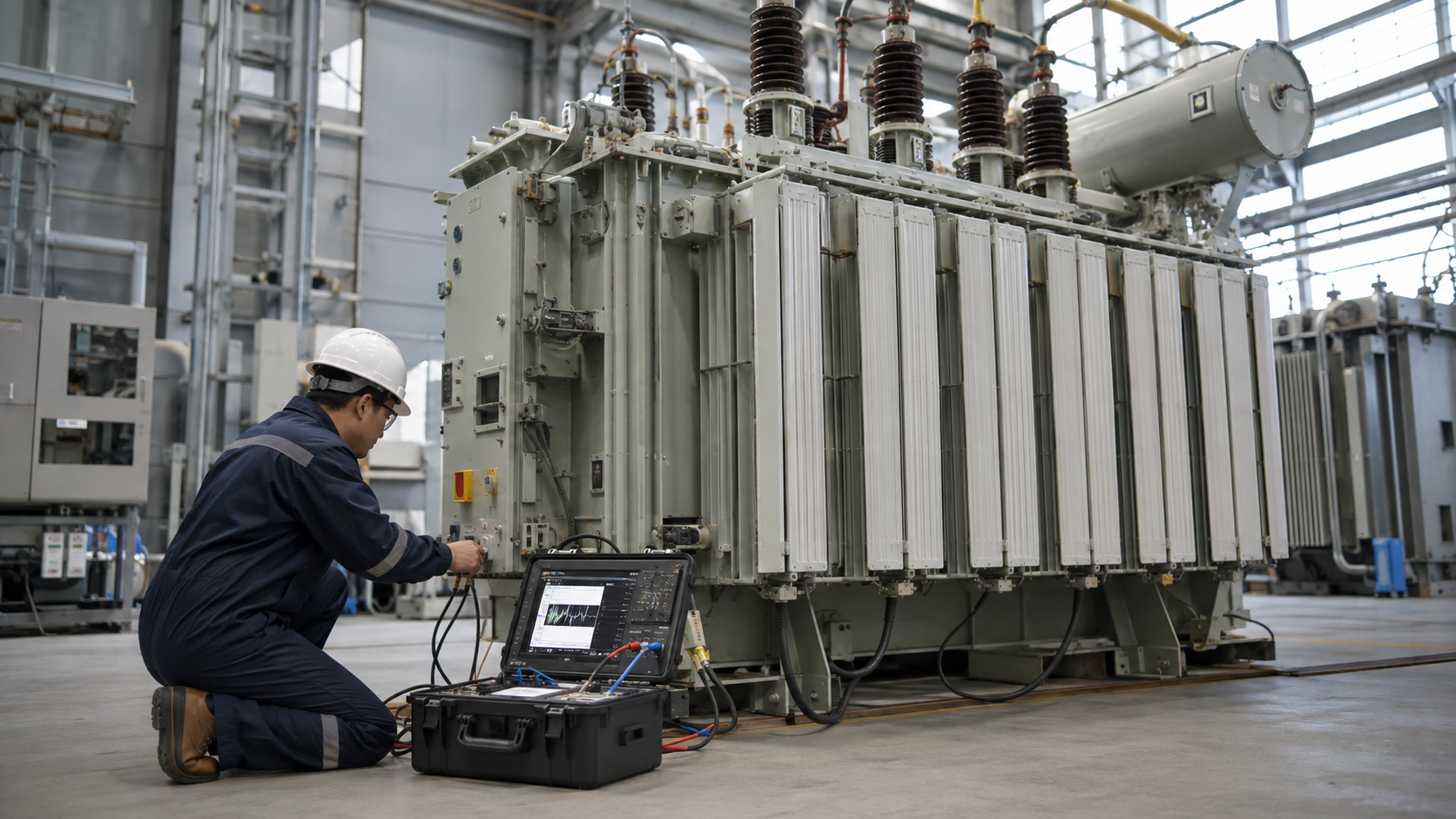

Máy biến áp tăng/giảm áp thực hiện việc hiệu chỉnh điện áp tương đối nhỏ bằng cách cộng hoặc trừ điện áp cuộn dây, thường ở kiểu đấu nối tự ngẫu; nó có thể điều chỉnh điện áp 208 V thành 230/240 V hoặc giảm mức nguồn điện hơi cao, nhưng thông thường nó không cung cấp khả năng cách ly. Việc lựa chọn yêu cầu điện áp đầu vào, điện áp đầu ra mong muốn, số pha, tải kVA hoặc ampe, cách đấu nối và chế độ làm việc liên tục. Sơ đồ đấu dây mang tính đặc thù theo mẫu và ứng dụng, do đó phải được cung cấp bởi nhà sản xuất.
Những điểm chính
- Kích thước dựa trên độ sụt áp và dòng tải, không chỉ dựa trên tổng kVA tải.
- Các kết nối máy biến áp tự ngẫu không cung cấp cách ly điện.
- Xác nhận dải điện áp động cơ, hệ thống nối đất và sơ đồ chính xác của nhà sản xuất.
Cách thức hoạt động của tính năng Tăng và Giảm áp (Bucking and Boosting)
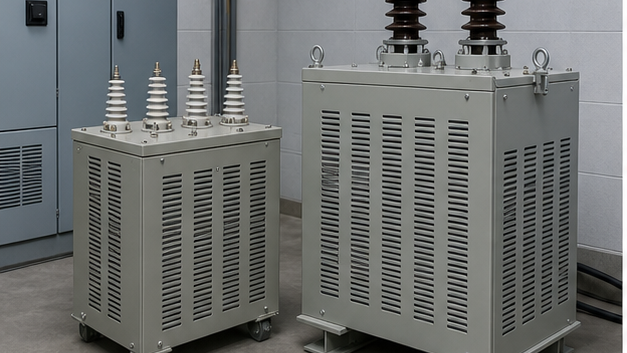
Một cuộn dây thứ cấp nhỏ được mắc nối tiếp với nguồn điện. Với cực tính cộng, điện áp của nó làm tăng điện áp tải; với cực tính trừ, nó làm giảm điện áp tải. Việc đảo ngược kết nối nối tiếp sẽ chuyển chế độ tăng áp thành giảm áp, nhưng các đầu dây chính xác phụ thuộc vào sơ đồ của sản phẩm.
Trong kết nối máy biến áp tự ngẫu, một phần công suất được truyền dẫn qua lại và chỉ phần hiệu chỉnh mới được biến đổi bằng từ tính. Điều này cho phép một máy biến áp có định mức nhỏ hỗ trợ tải kVA lớn hơn đối với một sự thay đổi điện áp nhỏ.
Kích thước từ dòng điện tải và độ chênh lệch điện áp
Công suất kVA biến đổi xấp xỉ bằng hiệu điện thế hiệu chỉnh nhân với cường độ dòng điện tải chia cho 1.000 đối với điện một pha. Ví dụ, việc hiệu chỉnh từ 208 V lên 236 V ở dòng điện 40 A cần khoảng 28 × 40 ÷ 1.000 = 1,12 kVA công suất biến đổi, tùy thuộc vào bảng lựa chọn của nhà sản xuất và cách đấu nối.
Không sử dụng kVA tải làm yêu cầu nhãn máy biến áp tự ngẫu (buck-boost) mà không áp dụng phương pháp đã được phê duyệt. Tải liên tục, khởi động động cơ, nhiệt độ môi trường và vỏ bọc có thể làm thay đổi lựa chọn cuối cùng.
Kết nối Một pha và Ba pha
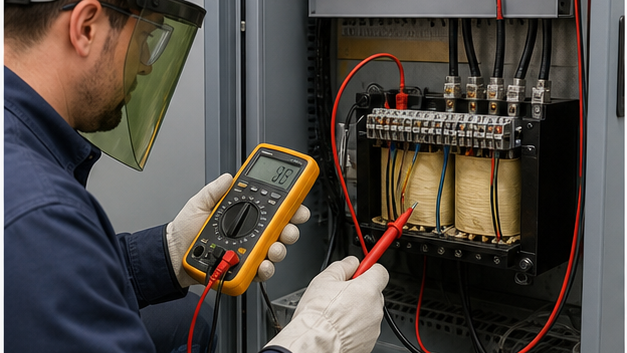
Các ứng dụng một pha có thể sử dụng một thiết bị mắc nối tiếp. Việc hiệu chỉnh ba pha thường sử dụng hai hoặc ba thiết bị tùy thuộc vào cách bố trí đấu tam giác hở hoặc hình sao và các điều kiện tải. Tải một pha không đều hoặc các hệ thống bốn dây đòi hỏi phải xem xét kỹ lưỡng dây trung tính và cách đấu nối.
Sơ đồ của nhà sản xuất quy định các mối nối nối tiếp/song song của cuộn dây sơ cấp và cực tính của cuộn dây nối tiếp. Một mối nối sai có thể tạo ra điện áp sai hoặc gây đoản mạch.
Ví dụ chọn máy biến áp Buck-Boost
| Đầu vào | Mục tiêu | Dòng điện tải | Sửa lỗi | Xấp xỉ kVA đã biến đổi |
|---|---|---|---|---|
| 208 V | 236 V | 40 A | +28 V | 1,12 kVA |
| 208 V | 230 V | 60 A | +22 V | 1,32 kVA |
| 240 V | 220 V | 30 A | −20 V | 0,60 kVA |
| 230 V | 240 V | 50 A | +10 V | 0,50 kVA |
| Ghi chú | — | — | — | Sử dụng bảng của nhà sản xuất để lựa chọn cuối cùng |
Giới hạn và Giải pháp thay thế của ứng dụng
Các thiết bị tăng-giảm áp rất hữu ích khi điện áp nguồn liên tục chênh lệch một lượng nhỏ. Chúng không phải là bộ ổn áp cho nguồn điện biến động mạnh và các kết nối thông thường không khắc phục được tình trạng mất cân bằng pha hoặc sự cố dạng sóng.
Hãy chọn máy biến áp cách ly khi cần cách ly điện, nối đất tách biệt hoặc thay đổi tỷ lệ lớn hơn. Sử dụng bộ ổn áp, máy biến áp đổi nấc hoặc giải pháp điện tử công suất khi điện áp thay đổi động.
For a balanced three-phase screening estimate, correcting 480 V to 500 V at 100 A corresponds to about √3 × 20 × 100 ÷ 1,000 = 3.46 kVA of apparent correction. This does not define the size or number of transformer units: the winding arrangement, source wires and manufacturer selection chart decide that. Match the chart against the actual load and exact proposed connection.
For a balanced three-phase screening estimate, correcting 480 V to 500 V at 100 A corresponds to about √3 × 20 × 100 ÷ 1,000 = 3.46 kVA of apparent correction. This does not define the size or number of transformer units: the winding arrangement, source wires and manufacturer selection chart decide that. Match the chart against the actual load and exact proposed connection.
Xác thực kỹ thuật và Giới hạn an toàn
Hướng dẫn này hỗ trợ việc lập thông số kỹ thuật và mua sắm; tài liệu này không thay thế cho nghiên cứu dự án, quy chuẩn hiện hành, hướng dẫn của nhà sản xuất hoặc công việc của nhân viên điện có chuyên môn. Hãy xác minh các nội dung sau trước khi lựa chọn thiết bị, thử nghiệm, đấu dây hoặc đóng điện:
- Đo điện áp nguồn trường hợp xấu nhất dưới tải đại diện.
- Xác nhận dung sai điện áp tải, dòng điện khởi động và chế độ làm việc liên tục.
- Xác minh rằng việc thiếu cách ly là có thể chấp nhận được đối với việc nối đất và an toàn.
- Chỉ sử dụng sơ đồ đi dây chính xác của nhà sản xuất cho kiểu máy đã chọn.
- Kiểm tra bảo vệ quá dòng, khả năng mang dòng của dây dẫn và môi trường vỏ tủ.
Thông tin cần đưa vào Yêu cầu báo giá
Một báo giá hữu ích phải dựa trên cùng một ranh giới kỹ thuật cho mọi nhà cung cấp. Hãy bao gồm các thông tin sau và yêu cầu liệt kê rõ ràng mọi sai lệch:
- Đã đo điện áp đầu vào tối thiểu/tối đa và điện áp đầu ra yêu cầu.
- Pha, tần số, dòng điện tải/kVA và chế độ khởi động động cơ.
- Mức tăng hoặc giảm điện áp yêu cầu và mức độ ổn định chấp nhận được.
- Các yêu cầu về nối đất, trung tính, cách điện và vỏ bọc.
- Sơ đồ đấu nối, các đầu vòi, bảo vệ, kích thước và dữ liệu kiểm tra.
Từ Dữ liệu Kỹ thuật đến một Quyết định được Phê duyệt
Sử dụng quy trình đánh giá theo từng giai đoạn thay vì phê duyệt kết quả khớp catalog đầu tiên. Bắt đầu bằng cách giải thích nguyên lý hoạt động của việc bù trừ tăng và giảm điện áp (buck and boost), sau đó đối chiếu việc chọn kích thước dựa trên dòng tải và độ chênh lệch điện áp với các kết nối một pha và ba pha. Hoàn thành việc đánh giá bằng các giới hạn ứng dụng và các giải pháp thay thế. Tại mỗi giai đoạn, hãy ghi lại tài liệu nguồn, đơn vị tính, trường hợp vận hành và người chịu trách nhiệm phê duyệt. Điều này ngăn chặn việc một giá trị được sao chép từ bản vẽ cũ, nhãn hệ thống danh định hoặc sản phẩm không liên quan trở thành một đầu vào thiết kế không kiểm soát.
Trước khi nghiệm thu, hãy so sánh phản hồi của nhà thầu từng dòng một với Yêu cầu báo giá (RFQ) và đánh dấu mọi điểm ngoại lệ. Xác nhận rằng các bản vẽ, tính toán, thông số cài đặt, chứng chỉ và báo cáo thử nghiệm đều đề cập chính xác đến mẫu và phiên bản được chào thầu. Lưu giữ hồ sơ trình duyệt đã được phê duyệt, dữ liệu trên nhãn thiết bị, kết quả thử nghiệm tại xưởng và các thông số đo đạc khi chạy thử làm cơ sở bảo trì. Nếu có sự thay đổi về định mức, kết nối, môi trường hoặc điều kiện thử nghiệm, hãy lặp lại việc đánh giá đối với phần bị ảnh hưởng thay vì giả định rằng kết luận ban đầu vẫn còn giá trị.
Việc kiểm soát tài liệu phải xác định được phiên bản, trạng thái phê duyệt và các tệp bị thay thế. Các đội ngũ hiện trường phải nhận được các giá trị đã được phê duyệt giống nhau được sử dụng cho việc mua sắm, trong khi các hồ sơ chạy thử phải ghi lại mọi thay đổi được ủy quyền thực hiện trong quá trình lắp đặt. Khả năng truy xuất nguồn gốc này đặc biệt quan trọng khi thiết bị được thay thế nhiều năm sau đó: kỹ sư tiếp theo cần các giao diện đã được xác minh và lịch sử kiểm tra, chứ không phải là một mô tả chưa đầy đủ được sao chép từ đơn đặt hàng.
Buck-Boost, Isolation Transformer or Voltage Regulator?
| Project need | Typical solution to evaluate | Key limit to confirm |
|---|---|---|
| A stable, modest voltage correction | Buck-boost transformer in the approved connection | It generally follows source-voltage variation and an autotransformer connection does not isolate the load. |
| Electrical separation or a separately derived secondary | Isolation transformer designed for the application | Grounding, shielding, insulation and protection still require project review. |
| Input voltage that varies during operation | Voltage regulator or another dynamic correction method | A fixed buck-boost ratio does not hold output constant as the input changes. |
Tài liệu LBAJI liên quan
For the basic magnetic principle, read our Hướng dẫn cơ bản về Transformer. Review the transformer wiring and diagram guide for connection checks, and use the Hướng dẫn tính toán kích thước biến áp when selecting equipment for a full load schedule. Related references include the Hướng dẫn về máy biến áp tăng áp, máy tính biến áp và dòng sản phẩm máy biến áp.
Các câu hỏi thường gặp
Can a buck-boost transformer change 208 V to 240 V?
A correctly selected unit may make that correction, subject to load, phase and manufacturer connection data.
Does buck-boost provide isolation?
Not when connected as an autotransformer; primary and load are electrically connected.
Why is its nameplate kVA smaller than load kVA?
Only the correction voltage portion of the power is magnetically transformed.
Can it stabilize fluctuating voltage?
It provides a fixed correction and is not a dynamic regulator.
Can one unit serve a three-phase load?
Three-phase arrangements generally require two or three units using approved diagrams.
Tài liệu kỹ thuật
Manufacturer selection charts and connection instructions apply to specific product families. Use them to check the exact voltage combination and wiring diagram for the offered model.
Kết luận
Máy biến áp tăng/giảm áp là công cụ hiệu chỉnh điện áp cố định hiệu quả khi nguồn, đích và tải được xác định rõ ràng. Tính toán kVA được biến đổi, xác nhận sơ đồ nối đất không cách ly và tuân theo chính xác sơ đồ đấu nối của nhà sản xuất.