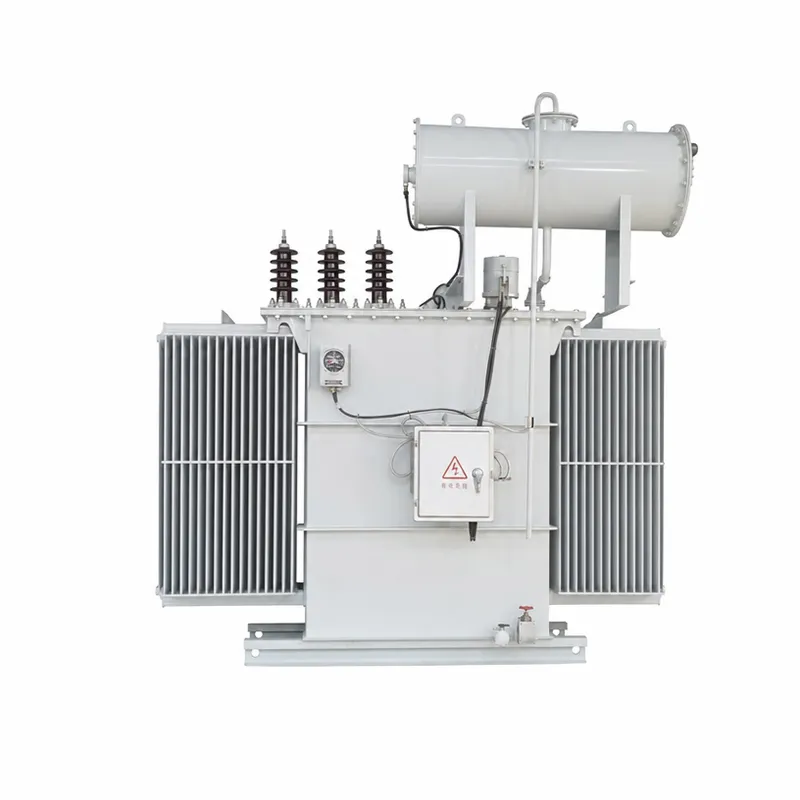

Selecting a transformer for your power distribution system is very important for the efficiency and reliability of your operations. In particular, the 63KVA electrical transformer represents a critical component for both industrial and commercial applications. This article will detail the specifics of the 63KVA electrical transformer, including its unique features and characteristics, energy efficiency, and criteria for selection so that purchasers can make an informed decision.
Introduction to 63KVA Electrical Transformer
Transformers are devices that provide an efficient method of transferring electricity from one voltage level to another; therefore, when selecting a transformer it is important to select one that meets the needs of your electric equipment and delivers power safely.
A transformer can be identified by its ratings, the most common type being the 63KVA type. They are usually used in commercial locations such as factories and stores, as they require moderate amounts of power. To fully utilize a 63KVA transformer, it is important to understand the specifications of the unit and the applications for which it will be used.
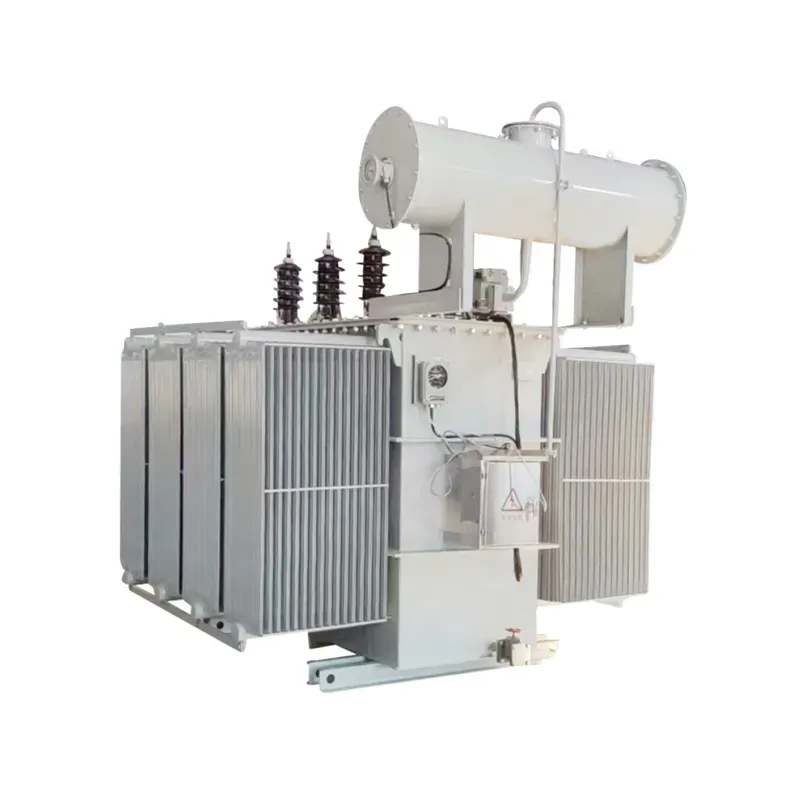
Energy Efficiency Features of 63KVA Electrical Transformer
One of the main advantages of a 63 kVA electrical transformer is its ability to increase energy efficiency. Today’s transformers use advanced materials and configurations in order to enhance electric energy efficiency by minimising energy loss in the conversion of electrical energy to mechanical energy. Some of the features of transformers that contribute to their high level of efficiency include:
1.Making Use of High-Quality Core Material. Using High-Quality Silicon Steel in the Core Minimizes the Eddy Current Losses of The Core, Leading To An Improvement in Overall Efficiency of The Motor.
2. Optimized Design: By designing more effectively, the design’s magnetism performance improves and subsequently the design’s energy use and operation costs will be lowered.
3. Regulatory Compliance: A majority of 63 KVA transformers satisfy/or exceed international energy efficiency standards, which helps to reduce the amount of carbon produced and thus provides an environmentally sustainable product.
How to Select a Qualified 63KVA Electrical Transformer
A number of different things need to be considered when choosing an electrical transformer 63kVA. Below is a list of important factors to remember when making a selection:
1. Voltage you need to have from a power outlet depends on what type transformer you have to work with, typically 63 kVa or a standard.
2. Load Analysis – To assess how well a transformer can meet its power requirements it is important to evaluate the type of load (i.e. whether it is resistive, inductive or capacitive) that will be connected to the transformer.
3. Weather Conditions: Evaluate the environmental conditions where you will place the transformer. Transformer’s are designed for installation either indoors or outdoors, and the transformers should be selected with respect to the weather conditions in the area to be installed.
4. The manufacturer’s reputation is important in selecting a manufacturer of transformers that are reliable and efficient electrical devices.
Frequently Asked Questions
Q: What is the primary function of a 63KVA electrical transformer?1. The main role or task of regulating the supply of an electrical system is to control voltage and ensure continuous reliable source of power for an electrical device in a commercial or industrial setting.
Q: How can I improve the lifespan of my 63KVA transformer?The life extension of a transformer is enhanced significantly by regularly maintaining and monitoring the operational conditions of the transformer.
Q: Are there specific certification standards for 63KVA transformers?Yes, numerous transformers have to fulfill certification requirements such as ISO9001 and energy efficiency regulations to maintain product quality.
The 63 KVA transformer is a critical part of the energy distribution infrastructure and provides high-efficiency and reliable service in many applications, making them an essential aspect of electrical design. In order to maximize your investment into a transformer, important considerations must be made, including having an energy-efficient design, understanding the load requirements of your application and selecting a quality manufacturer. These factors will all contribute to improving transformer performance, reducing energy costs, extending equipment life and providing superior power distribution benefits. Make your best decision today to improve your power distribution system!