

Use this amps to kVA calculator to estimate apparent power from measured RMS voltage and current. For a single-phase circuit, multiply volts by amps and divide by 1,000. For a balanced three-phase circuit, multiply line-to-line volts by line amps and by √3, then divide by 1,000. For example, 100 A at 480 V three phase is about 83.14 kVA; the same 100 A at 240 V single phase is 24.00 kVA. Enter operating values for the same load and time period. The result is an electrical calculation, not an approved transformer size or a protective-device rating.
Amps to kVA Calculator
Select the phase arrangement, then enter RMS voltage and current. For three-phase service, the voltage input means line-to-line voltage and the current input means line current. Power factor is requested only so the tool can also display an optional kW estimate; changing power factor must not change the kVA result. Use the result as a starting point for checking the load schedule, not as an equipment selection.
If you do not have JavaScript available, use the formulas below. Record where each input came from and whether it describes a single branch, a feeder, or the complete operating load. Do not combine a current reading from one circuit with a voltage from another.
Single-Phase Formula: Volts × Amps
For a single-phase AC load, kVA = V × A ÷ 1,000. V is the RMS voltage across that load and A is its RMS current. The factor 1,000 converts volt-amperes to kilovolt-amperes. At 240 V and 100 A, the calculation is 240 × 100 ÷ 1,000 = 24 kVA. At 120 V and 50 A, it is 6 kVA. These are apparent-power values; neither calculation says how many real kilowatts the load consumes without its power factor.
A 120/240 V split-phase service needs more care than typing the service’s nominal voltage and one panel ampere number. A 240 V load is connected line-to-line, while a 120 V load is connected line-to-neutral. When both kinds of load are present, use a load schedule or measured branch data and check how the 120 V circuits are distributed between the legs. A service-breaker rating is a protective limit, not a simultaneous-load measurement.
Three-Phase Formula: Use Line-to-Line Voltage
For a reasonably balanced three-phase load, kVA = √3 × VLL × IL ÷ 1,000. VLL is RMS line-to-line voltage and IL is RMS line current. √3 is approximately 1.73205. The three-phase form follows from adding the apparent power of three phases while accounting for their 120-degree phase relationship. The Southern Illinois University three-phase training manual sets out the same line-voltage and line-current relationship.
At 480 V and 100 A, √3 × 480 × 100 ÷ 1,000 = 83.14 kVA. At 400 V and 100 A, the result is 69.28 kVA. Do not use 277 V line-to-neutral in this formula and also multiply by √3 as though it were 480 V line-to-line: that mixes voltage conventions. If only phase-to-neutral voltage is known for a balanced wye system, use 3 × phase-to-neutral voltage × phase current ÷ 1,000 instead. Confirm the actual system and connection before converting between those forms.
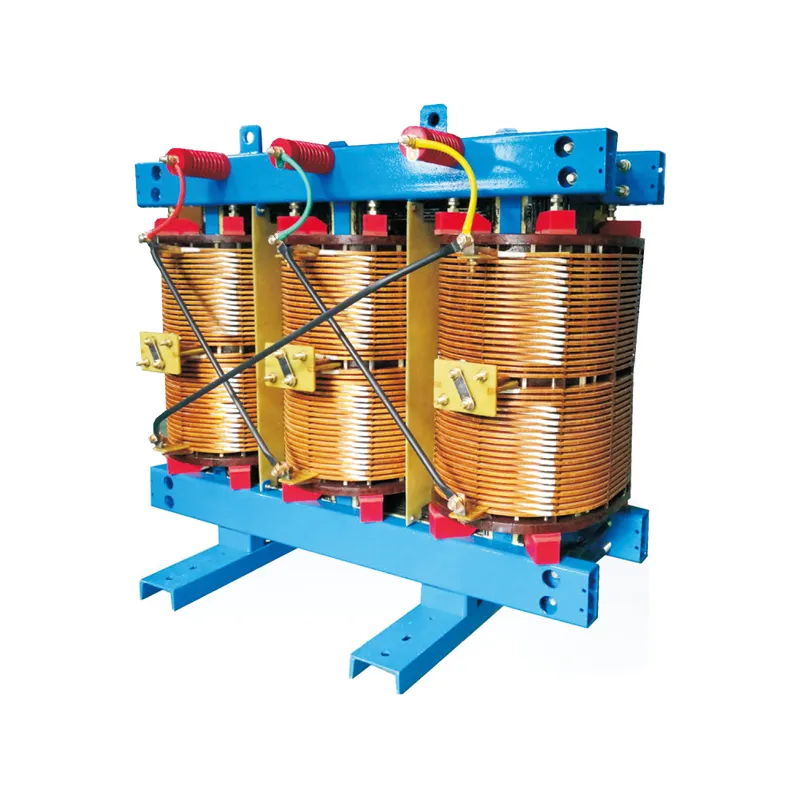
Worked Conversion Table
The following arithmetic examples use the formulas above and rounded results. They are not recommended equipment sizes or guaranteed operating ratings. Recalculate from the project’s measured or designed values.
| Supply | Voltage used (V) | Current (A) | Calculation | Apparent power (kVA) |
|---|---|---|---|---|
| Single phase | 120 | 50 | 120 × 50 ÷ 1,000 | 6.00 |
| Single phase | 240 | 100 | 240 × 100 ÷ 1,000 | 24.00 |
| Balanced three phase | 208 line-to-line | 200 | √3 × 208 × 200 ÷ 1,000 | 72.05 |
| Balanced three phase | 400 line-to-line | 100 | √3 × 400 × 100 ÷ 1,000 | 69.28 |
| Balanced three phase | 480 line-to-line | 100 | √3 × 480 × 100 ÷ 1,000 | 83.14 |
For example, the 208 V row uses a line current of 200 A and a balanced three-phase assumption: √3 × 208 × 200 ÷ 1,000 = 72.0538 kVA before rounding. It does not imply that a particular transformer can continuously supply that load. The U.S. Department of Energy motor-driven systems manual also describes three-phase apparent power as system voltage times amperage times √3, divided by 1,000.
kVA Is Not kW: Where Power Factor Belongs
kVA is apparent power; kW is real power. For the same operating point, kW = kVA × power factor. Thus an 83.14 kVA load at a true power factor of 0.80 corresponds to about 66.51 kW. At 0.90 it corresponds to about 74.82 kW, although the apparent power remains 83.14 kVA when voltage and current are unchanged. Do not multiply by power factor inside the amps-to-kVA formula and then label the result kVA: that produces a real-power estimate instead.
Power factor may vary with loading, motor operation, power-electronic equipment and harmonic distortion. For nonlinear loads, a displacement-power-factor label may not equal true power factor measured at the operating point. The calculator accepts one power-factor input for a simple kW estimate; a power analyzer is more appropriate where waveform distortion or imbalance matters. If the factor is unknown, report the kVA result without inventing a kW value.
Input Checks Before Trusting a Result
- Phase: identify whether the measured load is single phase, split phase or balanced three phase. The tool’s three-phase option is not an unbalanced-load solver.
- Voltage: use the actual RMS voltage at the load, and line-to-line voltage for the three-phase option. A nominal service label can differ from operating voltage.
- Current: use RMS line current measured or calculated for the same operating period as the voltage. A breaker handle number is not measured current.
- Power factor: use a measured or documented value only for the optional kW estimate. Its allowed range is greater than zero and at most one.
- Operating case: distinguish continuous operation, start-up, intermittent peaks and future expansion. One snapshot does not describe all cases.
The form rejects zero or negative voltage and current, and a power factor outside its physical input range. It does not validate instrument calibration, the connection of the meter, harmonic content, motor starting, or code-based demand factors. If measurements come from different dates or circuit points, the arithmetic can be exact while the engineering conclusion is wrong.
Unbalanced Three-Phase and Multiple Loads
One line current is not enough to characterize a significantly unbalanced three-phase feeder. Measure each phase and, where needed, phase voltage and phase angle; calculate per-phase complex power or use a suitable three-phase power analyzer. An arithmetic average of three different currents inserted into the balanced formula can conceal a heavily loaded phase. This matters for conductors, protection and transformer heating even if the apparent-power total looks moderate.
Similarly, do not simply sum the nameplate kVA of every connected device and call that the simultaneous demand. Record which loads operate together, their duty and diversity assumptions, and the required design margin. Keep the calculation sheet and measurement time stamps so that another engineer can reproduce the basis. For an overview of related quantities and units, see the site’s electrical calculations guide.
Further Study: Three-Phase Circuits
For a university-level explanation of three-phase circuit relationships beyond this calculator, NPTEL IIT Kharagpur provides the lecture below. The calculation and its limitations are fully explained above; the video is optional background study, not an installation instruction or a substitute for a project review.
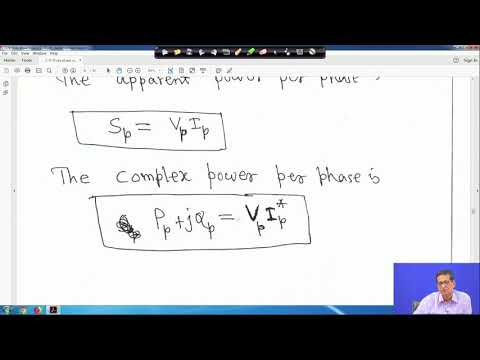
Open the NPTEL lecture on YouTube if the embedded player is unavailable.
From Calculated kVA to a Transformer Inquiry
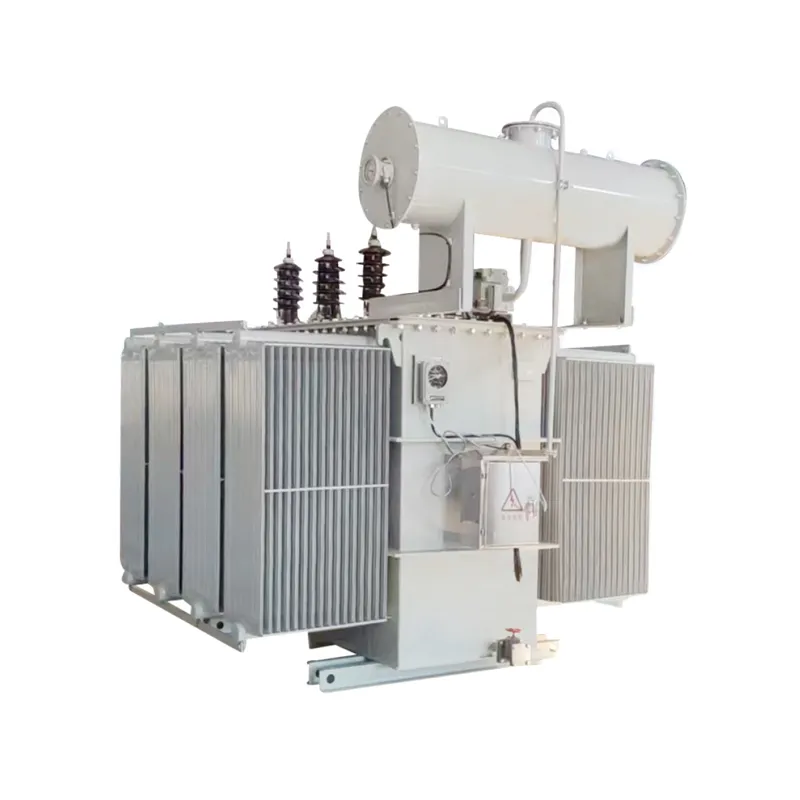
Calculated load kVA is a starting input to equipment selection, not an automatic product recommendation. A transformer inquiry also needs primary and secondary voltage, phase, frequency, load profile, ambient and installation conditions, allowable temperature rise, impedance, taps, losses, enclosure requirements, motor starting and harmonic loading. Review applicable standards and the manufacturer’s exact data for the proposed model. The 35kV oil-immersed transformer product page includes a project inquiry worksheet; no calculation on this page guarantees that product is suitable for a particular load.
If a calculation gives 83.14 kVA, it is not sufficient to round to the next catalogue nameplate and place an order. Check continuous demand, permissible overload practice, voltage regulation, future growth, fault level, protection and any redundancy requirement. The correct equipment may differ by application and local rules. For a capacity-specific current example, compare the 75 kVA transformer amps guide; it answers the reverse question of current at a chosen transformer size.
What to Put in the RFQ
Send a supplier an approved load schedule rather than a bare kVA number. State the measurement or calculation source, voltage and phase conventions, current per operating case, demand assumptions, power factor if relevant, motor and electronic loads, site temperature and altitude, target voltage ratio, frequency, service environment and project standard. Ask the supplier to identify the offered model, nameplate rating, impedance, losses, taps, dimensions, tests, documentation and exclusions. Clarify whether any numerical value is indicative or guaranteed for the quoted configuration.
After receiving a quotation, compare it against the same input sheet used by other bidders. Record exceptions and the revision of each drawing and datasheet. The electrical designer and qualified site personnel should review the final protection and installation design. The calculation tool is useful for checking arithmetic and communicating a load case; it is not a substitute for that review.
Frequently Asked Questions
Do I need power factor to convert amps to kVA?
No for the basic single-phase or balanced-three-phase RMS apparent-power formulas. Power factor is needed to estimate real kW from kVA.
How many kVA is 100 A at 480 V three phase?
About 83.14 kVA using 480 V line-to-line and 100 A line current in a balanced three-phase system.
How many kVA is 100 A at 240 V single phase?
24.00 kVA when 240 V is the RMS voltage across that single-phase load.
Can I use the same formula for unbalanced three-phase loads?
Not reliably from one current value. Use per-phase measurements and a suitable power analysis for a materially unbalanced load.
Does the calculated kVA tell me which transformer to buy?
No. It is one input. Demand, duty, starting current, harmonics, environment, future growth, protection and the proposed transformer’s documented ratings also matter.
References and Related Calculations
For the definitions of current and SI units, consult the U.S. National Institute of Standards and Technology. For related conversions, use the site’s kVA to kW guide and transformer calculation guide. These answer different questions; the primary task on this page is converting measured amps and volts to apparent kVA.
Bottom Line
Match the formula to the circuit, enter simultaneous RMS measurements and label the voltage convention. Single-phase kVA is volts times amps divided by 1,000; balanced-three-phase kVA adds the √3 factor when using line-to-line voltage. Keep power factor separate for the optional kW estimate. Finally, treat the calculated result as a documented load input, not a standalone transformer selection or permission to work on energized equipment.