wp_kexun

wp_kexun

How Much Oil Does a 160 KVA Transformer Hold?

In understanding how a 160 kVA transformer operates, one of the major parts of its specifications is oil capacity. The oil cools the transformer and insulates electrical components from each other. This is vital for operating the transformer at maximum efficiency for a long lifetime. So the question is, how much oil is there in a 160 kVA transformer?

Understanding Distribution Transformers: Types and Applications

A distribution transformer is the final link between the power grid and end users, stepping down high transmission voltages to safe, usable levels for homes, businesses, and industries. Available primarily as pole-mounted or pad-mounted units, each type serves distinct environments: pole-mounted transformers suit rural and overhead applications with easy installation and elevated security, while pad-mounted transformers are built for underground urban networks, offering higher capacity, tamper-proof enclosures, and aesthetic integration. Selecting the right distribution transformer depends on factors like location, load demand, and accessibility. Whether powering a remote farm or a dense commercial complex, the proper distribution transformer ensures reliable voltage conversion, operational safety, and long-term efficiency across any electrical distribution system.

What is a 10KVA Transformer?

Thanks to its flexible configuration, a 10KVA transformer serves numerous settings. It handles household voltage distribution for appliances like HVAC units and refrigerators. In commercial buildings, it corrects voltage imbalances and powers office equipment, servers, and lighting. Industrial applications rely on it to provide stable voltage for machines, tools, and motors. Within renewable energy systems, such as wind and solar setups, it efficiently manages and distributes power to connected loads. Temporary construction sites also use these step-down transformers to safely power large machinery and equipment.

How Does a Dry Type Electric Transformer Work?

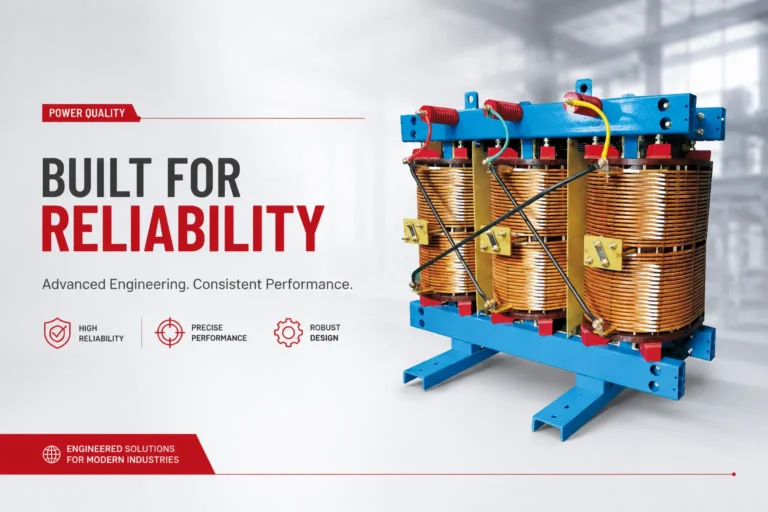
The dry type electric transformer offers a safe and eco-friendly alternative to oil-filled models by using air and solid insulation for cooling. Ideal for indoor spaces like schools and hospitals, it reduces fire hazards, eliminates the risk of oil leaks, and requires less maintenance. However, it tends to be bulkier, more expensive upfront, and has lower thermal limits compared to liquid-filled units. Understanding these trade-offs in safety, cost, and performance will help you decide if a dry type electric transformer is the right fit for your electrical needs.

Electrical Transformer: Function, Types, and Applications

Transformers are electricity devices that convert AC (Alternating Current) to either a higher (step-up transformer) or lower (step-down transformer) voltage. They do so by changing the current voltage from one circuit to another which allows power to be transferred over longer distances more efficiently, minimizing power losses during that distance. A very important part of delivering power (electricity) to homes, companies and industrial sites of all kinds since different voltage levels are required for each of these types of facilities to operate properly.

ما هو المحول العازل؟ السلامیة، الاستخدامات والاطفاء

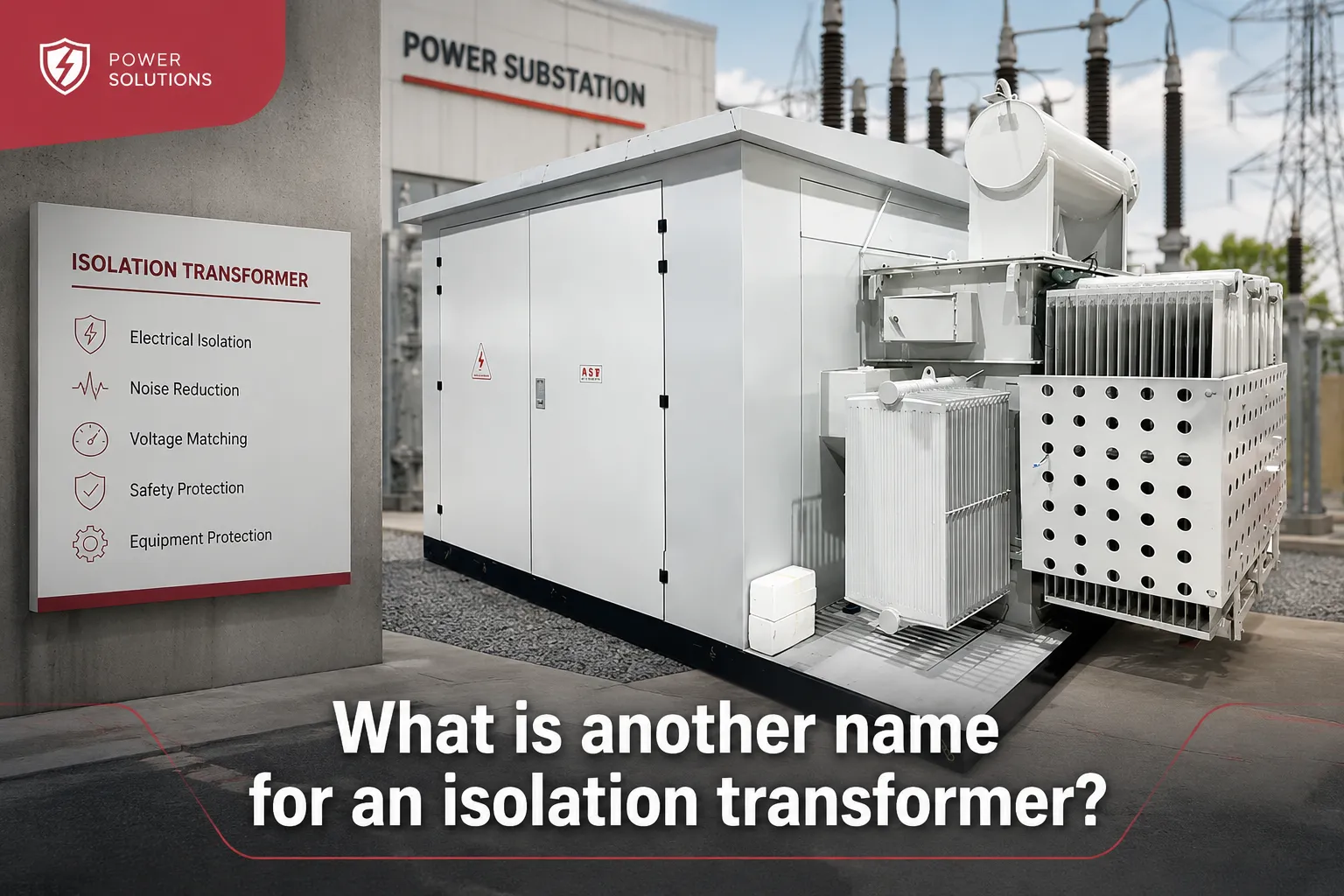
An isolation transformer transfers AC power through magnetic coupling between electrically separate primary and secondary windings. Its purpose is galvanic separation: there is no intended conductive connection through the windings from the source circuit to the load circuit. Many isolation transformers have a 1:1 voltage ratio, but separation and voltage conversion are independent design choices. An isolated secondary can still deliver hazardous voltage and current. The correct selection therefore depends on the intended grounding arrangement, load, insulation rating and application—not simply the word “isolation” on a label.

ماذا يفعل المحول الكهربائي؟

الغرض الرئيسي من المحول الكهربائي هو تغيير مستويات الجهد - إما برفعها أو خفضها لتمكين نقل الطاقة بشكل آمن وفعال. باستخدام الحث الكهرومغناطيسي، تنقل المحولات الكهرباء بين الدوائر دون أن تولد طاقة بنفسها. تُستخدم الفولتية العالية لنقل الطاقة لمسافات طويلة تقليلاً لفقد الطاقة، ثم يتم تخفيضها للاستخدام الآمن في المنازل والشركات. وعكس ذلك، قد تتطلب الصناعات الثقيلة فولتيات مرفوعة للآلات الكبيرة. ومن خلال تنظيم الجهد بشكل مناسب، تضمن المحولات عمل الأنظمة الكهربائية بشكل موثوق عبر التطبيقات السكنية والتجارية والصناعية.

محول عزل

محول العزل هو جهاز كهربائي مصمم خصيصاً لنقل الكهرباء إلى جهاز ما عن طريق الحث الكهرومغناطيسي دون توصيل الجهاز مباشرة بالنظام الكهربائي الذي يغذيه بالطاقة. وعلى هذا النحو، توفر محولات العزل عزلاً كهربائياً بين الجهاز المراد تشغيله والمصدر الكهربائي المزود له بالكهرباء. يمكن أيضاً استخدام محولات العزل لحماية المعدات الحساسة من التلف الناتج عن التشويش الإلكتروني الصادر عن الأجهزة الأخرى. بالإضافة إلى ذلك، تُستخدم هذه الأجهزة بشكل شائع لتوفير نقل للبيانات خالٍ من التشوه عبر الأسلاك باستخدام دوائر معزولة.

المبادئ الأساسية لمحولات القدرة

يشرح هذا الجزء مبدأ العمل الأساسي (الحث الكهرومغناطيسي)، والمكونات الرئيسية (الملفات الأساسية والثانوية، القلب المغناطيسي، ومواد العزل)، وآلية الأساسية وراء رفع أو خفض الجهد. وهو بمثابة مركز المعرفة لفهم كيفية عمل محول الطاقة، وتعتمد عليه جميع الأقسام الأخرى - التعريف، ومعايير الأداء، والتطبيقات، والخاتمة - مبنية على الأساسيات الموضحة في هذا القسم.