
Switchgear LSC classification describes how access to a high-voltage compartment affects the ability to keep other parts of an assembly in service. For a buyer, the useful question is which circuits must be taken out of service for a defined maintenance task. A category name alone cannot answer every access question. Request the manufacturer’s classification, the applicable standard edition, compartment drawings and the operating conditions behind the claim. Then compare those conditions with the actual maintenance work your site expects to perform. External appearance, a removable breaker and an internal arc classification do not independently establish an LSC category.
Start with the maintenance task
Consider a plant that wants to inspect one feeder while keeping unrelated production supplied. The engineering team must first identify what inspection involves: accessing the breaker compartment, inspecting a cable termination, or working on another high-voltage compartment. Those are different access cases. A specification that only says “maintenance without shutdown” leaves the most important boundary unresolved.
Write down the target functional unit, the compartment to be opened, the equipment that will be isolated, and the circuits expected to remain energized. Include the necessary earthing and access arrangements in the manufacturer’s operating procedure. This creates a practical question that the supplier can answer against the proposed construction. It also prevents different bidders from interpreting an attractive service-continuity statement in different ways.
Understand what the classification applies to
IEC 62271-200 addresses prefabricated metal-enclosed AC switchgear within its stated voltage scope. Its LSC framework concerns service continuity when access is provided to high-voltage compartments. It should be read with the applicable assembly documentation and the current project specification. The IEC catalogue establishes the document’s scope; detailed acceptance requires the full applicable standard and a competent engineering review.
The familiar designations LSC1, LSC2, LSC2A and LSC2B are not a substitute for describing the access case. Broadly, the LSC2 family concerns retaining other functional units in service under defined conditions. The distinctions within that family relate to the compartment arrangement and the parts that can remain energized during specified access. Require the supplier to state the exact category and illustrate its meaning for every relevant unit rather than accepting an unqualified hierarchy of “good” and “better.”
Read the compartment boundary before the brochure
A functional unit may contain several high-voltage compartments with different access provisions. Ask for a drawing that identifies the main switching device, busbar and cable compartments, their partitioning, and the permitted access routes. The drawing should match the offered configuration, including metering, auxiliary functions and any project-specific modifications. A generic family diagram can be useful background but does not establish the final arrangement.
Distinguish accessible compartments from compartments that the operating instructions do not permit users to open in normal maintenance. Record whether access relies on an interlock, a prescribed procedure or tools, as applicable to the design. These details affect the work plan and competence requirements. They should not be reduced to a photograph of closed doors, because external seams cannot confirm the internal electrical boundaries.
Compare categories through an access matrix
Use a project matrix to connect the classification claim with operational consequences. Each row should describe one task and one compartment. The supplier should identify which main-circuit sections must be isolated and earthed, which other units may remain supplied, and the operating instruction that governs access. Have the owner’s electrical engineer review unresolved cases before equipment selection.
سياق المراجع: IEC 62271-200:2021 with Amendment 1:2024, metal-enclosed AC assembly scope. تُعد هذه القائمة المرجعية النوعية الأصلية منظمةً للقرارات المتعلقة بالمشروع؛ وهي ليست معيارًا مُعاد تصنيفه أو بديلًا للمعايير المعتمدة.
| Project question | Supplier evidence | Decision supported |
|---|---|---|
| Which compartment will be opened? | Identified compartment on the offered unit drawing | Whether the intended task matches the declared access case |
| Which circuits lose service? | Isolation boundary and manufacturer’s operating instructions | Whether the outage affects essential loads |
| What can remain energized? | Explicit permitted states for adjacent units and relevant sections | Whether the proposed continuity benefit is usable |
| Which configuration was assessed? | Assembly identification, variant and classification documentation | Whether the evidence applies to the supplied equipment |
| What changes at installation? | Interface and installation conditions with assigned responsibility | Whether site work preserves the declared arrangement |
This is an original qualitative procurement tool. It does not reproduce standard definitions or authorize work. If the supplier cannot complete a row, treat that row as an open technical clarification. Do not fill the gap by assuming that the highest category advertised anywhere in a product family applies to every functional unit you are buying.
Keep LSC separate from internal arc classification
Loss of service continuity and internal arc classification answer different questions. LSC addresses the operational effect of defined access. Internal arc classification concerns performance under specified internal arc test conditions. One designation does not prove the other, and neither allows a site to ignore electrical work rules, manufacturer instructions or its own risk assessment.
This distinction matters when purchasing documents combine several classifications in one line. Ask the supplier to separate the evidence and conditions for each claim. For internal arc information, review the accessible sides, test configuration and installation conditions through the relevant documentation. For service continuity, return to the access matrix. Keep the two reviews connected in the project file while retaining their separate acceptance criteria.
A withdrawable breaker does not settle the question
A removable or withdrawable switching device may support maintenance objectives, but that feature alone does not establish the classification of the complete assembly. The busbar, cable compartment, partitions, shutters and access arrangements determine the relevant boundaries. The manufacturer must confirm the applicable category for the actual functional unit and configuration.
Similarly, fixed equipment should be evaluated against its declared construction and access conditions rather than rejected from a photograph. Procurement should begin with the owner’s maintenance need and compare documented solutions. If a removable device introduces additional handling, storage or inspection requirements, include those requirements in the lifecycle review. A continuity benefit is useful only if the site can operate and maintain the design correctly.
Check the network consequence as well as the cabinet
An assembly may permit other units to remain energized, yet the network can still require a wider outage. Shared upstream supplies, protection arrangements, a single bus section or a process dependency can change the practical result. Review the single-line diagram with the proposed access case. Identify essential loads, alternate supplies and the owner-approved switching plan.
For example, a plant might retain neighbouring feeders during one compartment inspection but still lose the process served by the isolated feeder. That is a meaningful benefit, not uninterrupted service to every load. Describe it accurately in the business case. Avoid converting a cabinet classification into a guaranteed plant-availability figure without a separate system assessment and realistic maintenance assumptions.
Make the evidence traceable to the delivered units
Request a schedule that connects each functional unit identifier with the declared LSC category, applicable document edition, drawing revision and operating manual. The supplier should explain exceptions, including unusual metering arrangements or interfaces. Keep the approved schedule in the purchase order so later substitutions require a documented review of their effect on access and continuity.
At factory acceptance, compare physical identification and accessible construction with the approved documents using an agreed inspection scope. Do not improvise hazardous access demonstrations or energization states to “prove” a category. Testing and demonstrations need an approved method, competent personnel and appropriate isolation. Missing evidence should become a formal hold point or clarification rather than an undocumented verbal assurance at shipment.
Preserve the arrangement through installation and change
Cable interfaces, site-installed partitions, modified openings and added equipment can affect the completed arrangement. Assign responsibility for reviewing deviations before they are built. Ask the manufacturer which installation conditions are necessary for the declared classification and how departures should be assessed. Record the accepted configuration in the as-built documentation.
Later extension or retrofit projects should revisit those records. A replacement device that fits mechanically may still alter access or partitioning assumptions. Changes to the operating procedure may also change how the continuity benefit is used. Keep a controlled record of modifications, obtain the necessary supplier or engineering assessment, and update the maintenance matrix. An old brochure should not become permanent evidence for a modified assembly.
Plan safe access and operator training
An LSC designation does not mean that a compartment is safe to open while live. Qualified personnel must follow the applicable electrical work requirements, isolation procedures and manufacturer instructions. In the United States, 29 CFR 1910.333 provides relevant electrical work-practice requirements; its applicability depends on the workplace and task. Other jurisdictions require their own legal and technical review.
Training should cover equipment identity, approved operating states, access restrictions and how to stop when the observed arrangement differs from the manual. Include responsibilities for switching authorization and return-to-service checks. Keep classification explanations separate from step-by-step operating instructions: a procurement article cannot provide a safe switching sequence for equipment whose configuration and site conditions have not been established.
Put the right questions into the RFQ
An effective request for quotation states the required maintenance outcomes and asks the supplier to demonstrate how its proposed classification supports them. Include the target compartment tasks, the circuits expected to remain available, the required drawing and manual deliverables, and the process for resolving exceptions. Request lifecycle support for any configuration-specific access components and documentation.
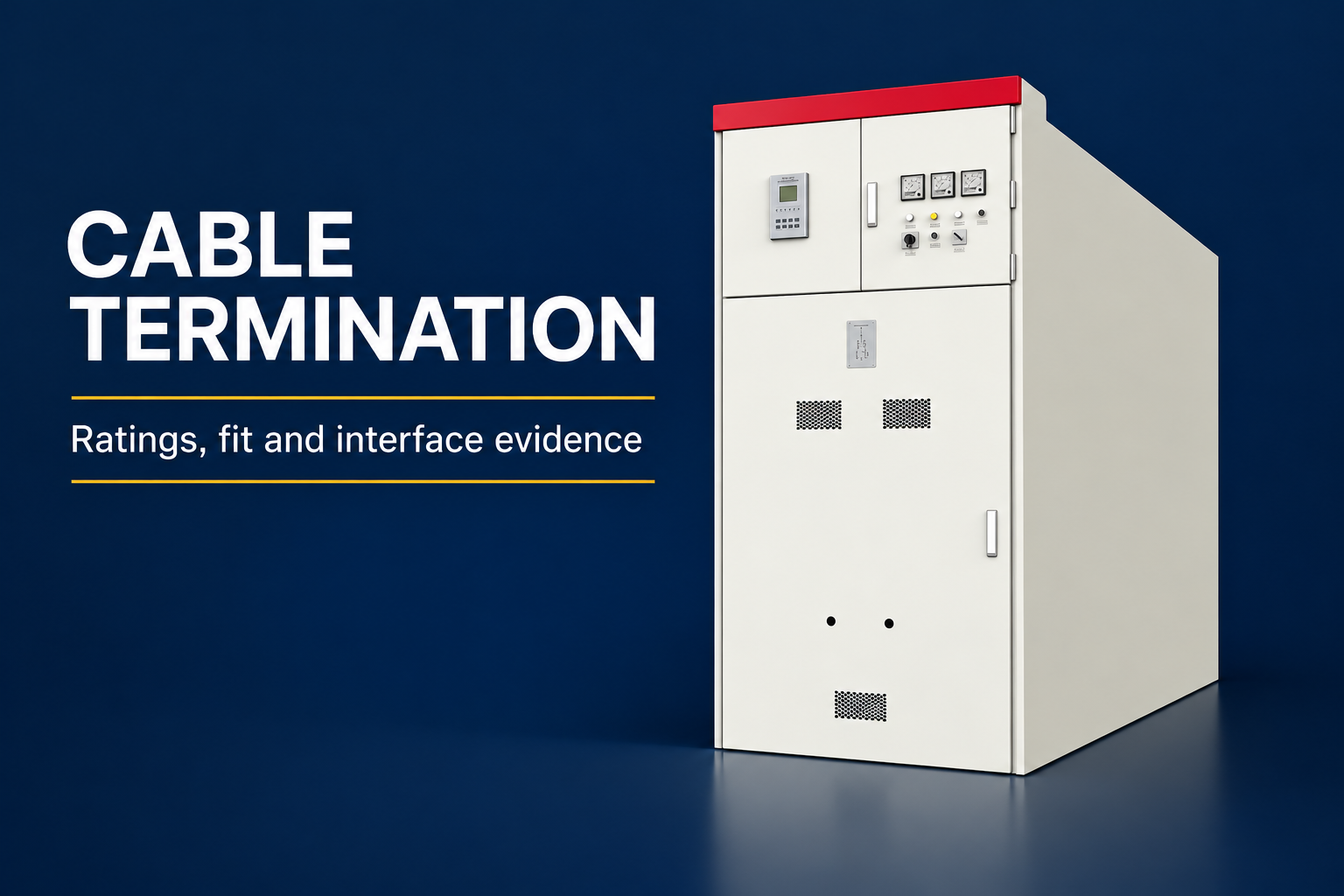
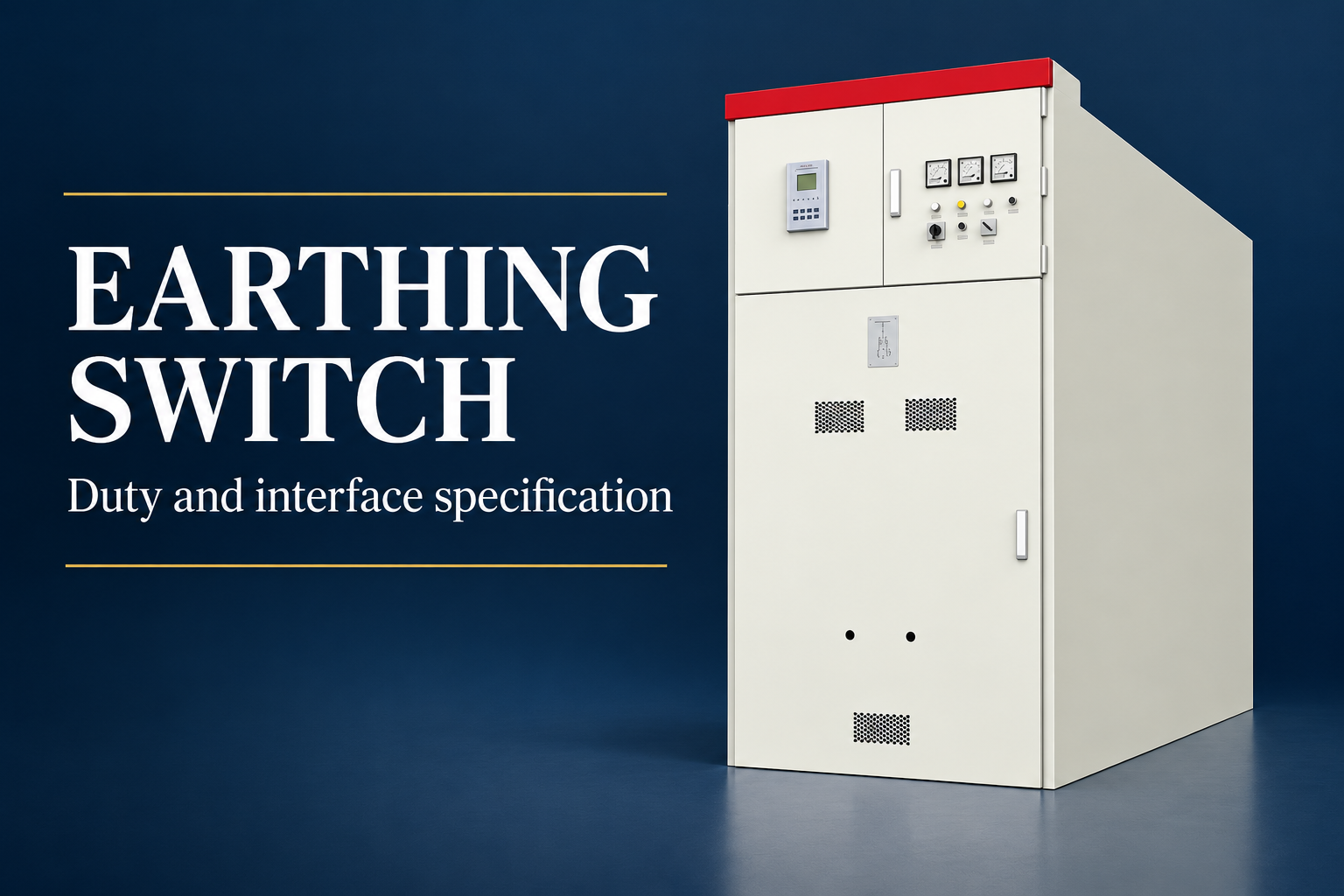
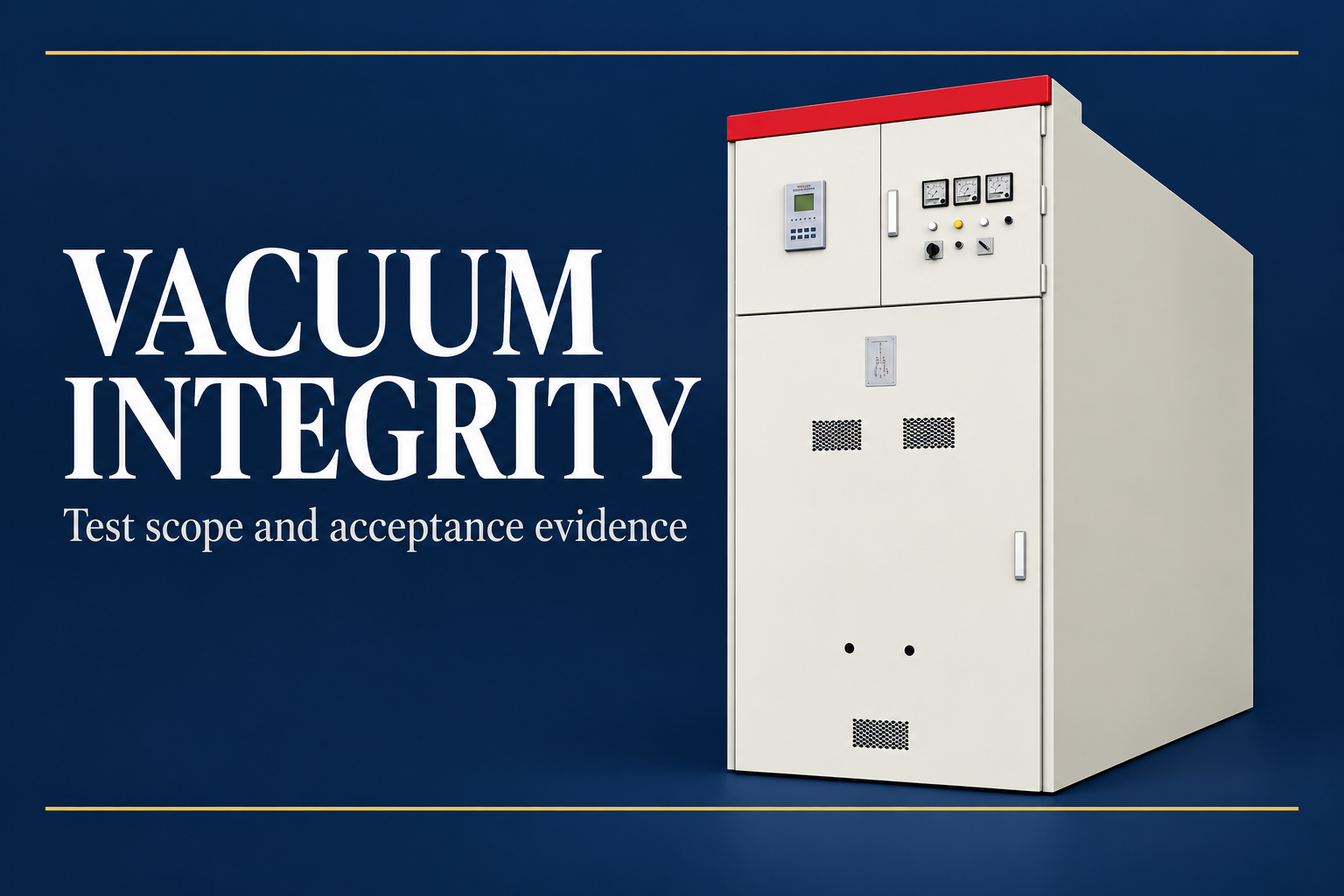
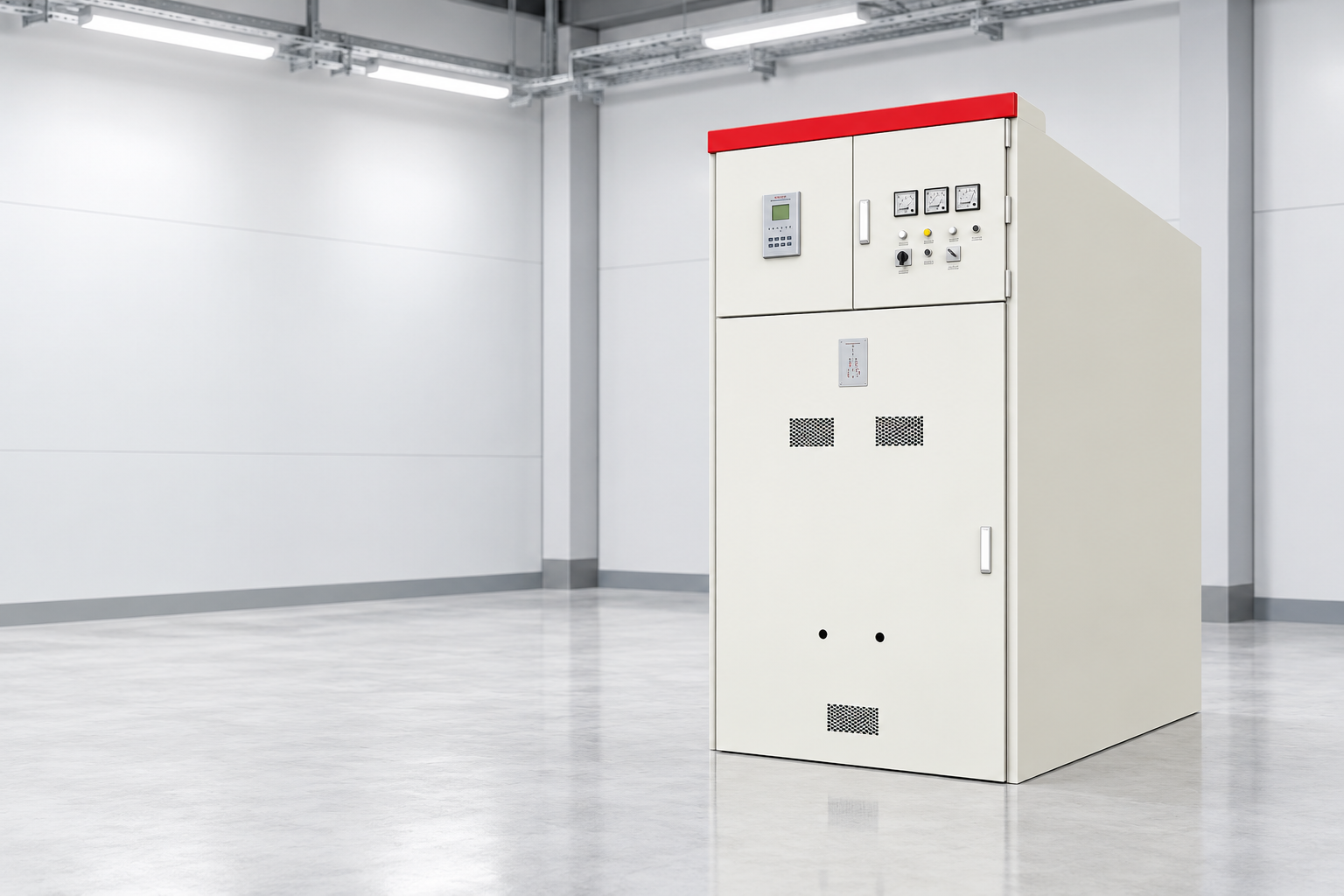
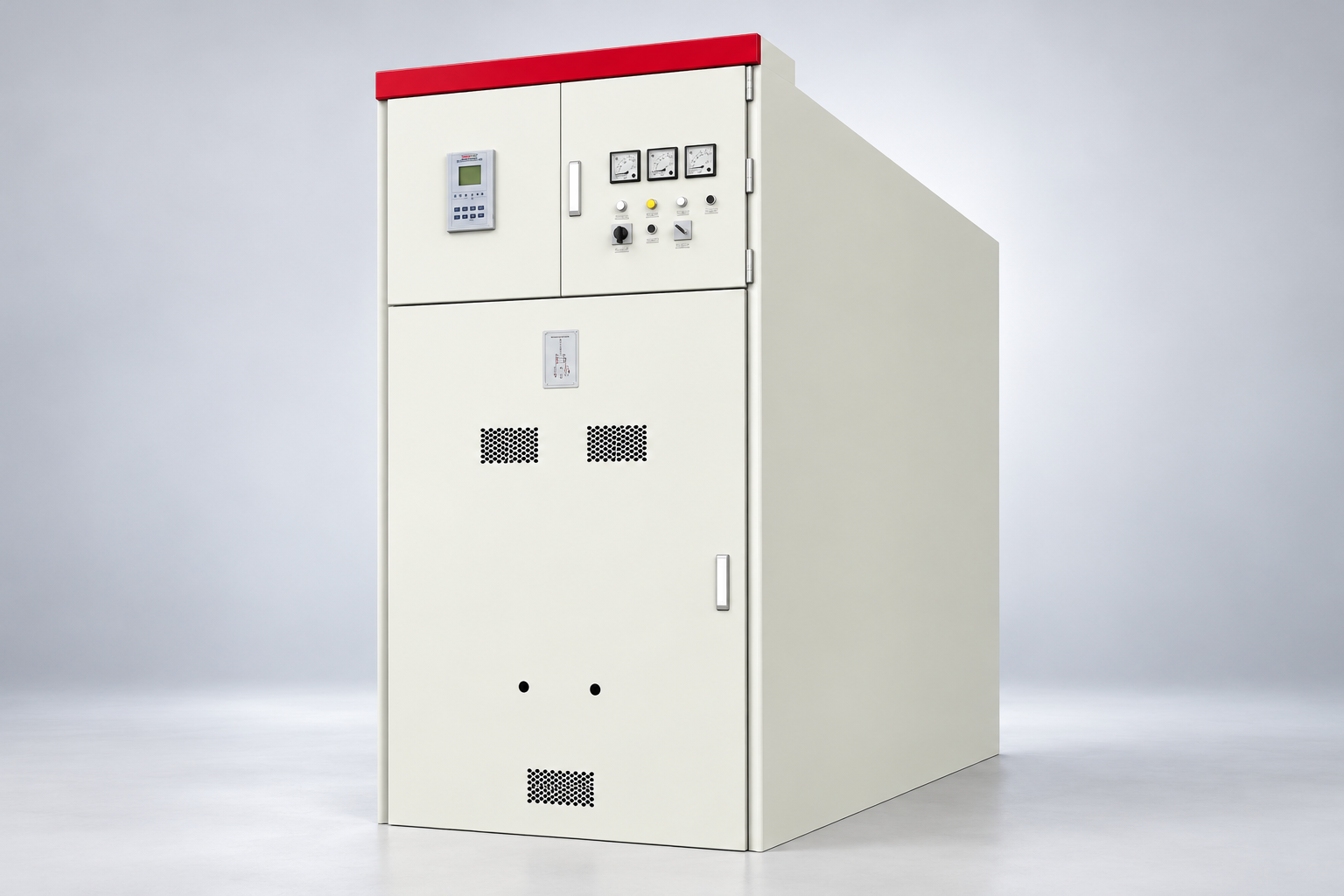
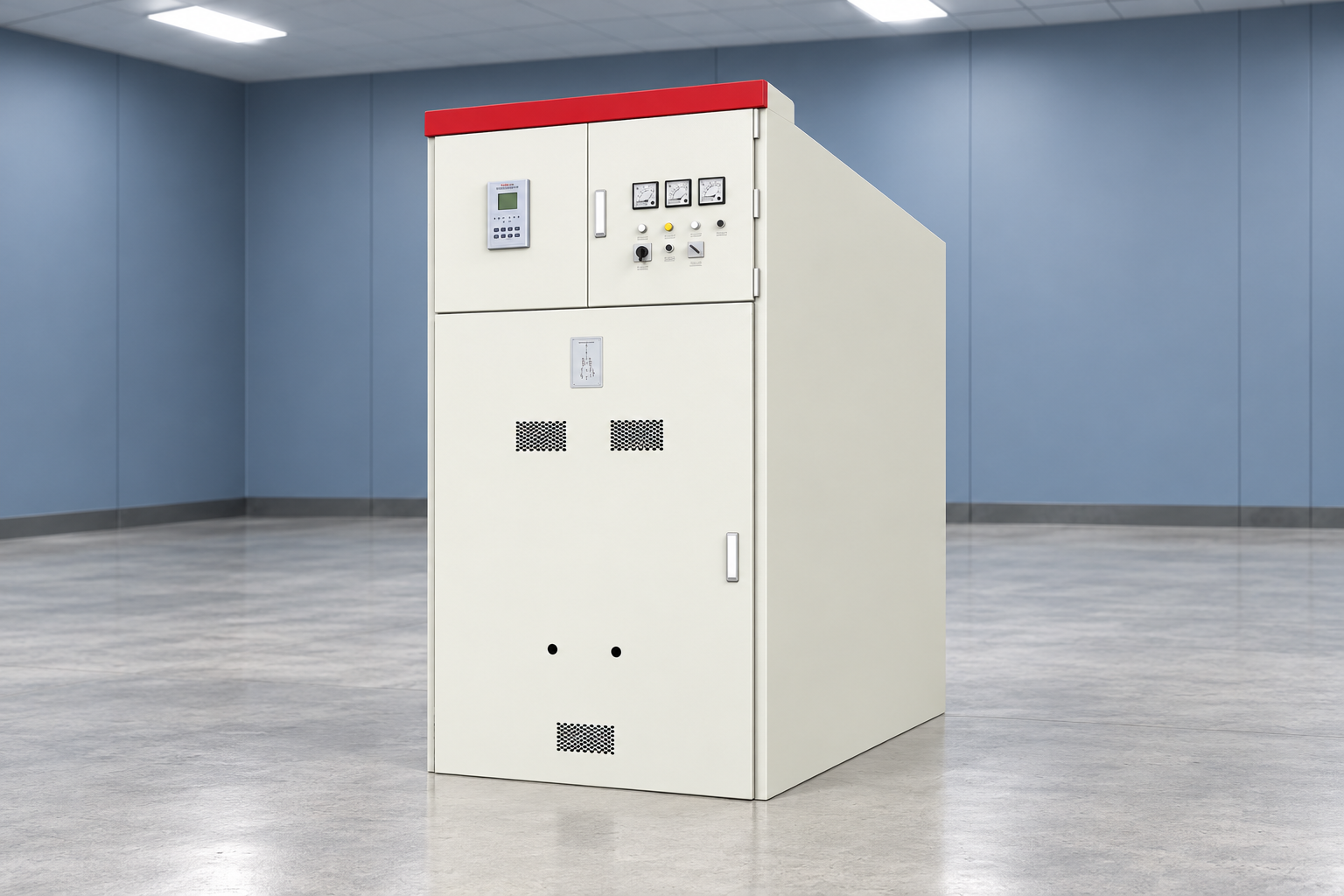
LBAJI’s KYN61 product exterior is used here solely to illustrate equipment identification and enclosure documentation. The photograph and its generated reference illustrations do not establish the LSC category of a particular order. Obtain the offered unit’s current technical confirmation. Purchase on the documented assembly and operating boundary, then retain those records for maintenance planning, future extensions and responsible equipment handover.
الأسئلة الشائعة
What does LSC mean in switchgear?
LSC means loss of service continuity. It describes how access to high-voltage compartments affects the ability to retain other parts of the assembly in service under defined conditions.
Is LSC2B automatically the right specification?
Select the classification through the actual access tasks and required outage boundaries. A higher advertised designation is not a substitute for checking the offered unit, its operating conditions and the site’s maintenance needs.
Does a withdrawable breaker prove an LSC category?
No. The complete compartment arrangement and applicable manufacturer documentation must support the category of the actual functional unit.
Is LSC the same as internal arc classification?
No. They address different properties and require separate evidence. Neither replaces approved electrical work procedures or the applicable safety requirements.
What documents should a buyer request?
Request a unit-by-unit classification schedule, applicable standard edition, compartment drawings, operating instructions, configuration identification and an access matrix covering the intended maintenance tasks.
المصادر التقنية والمعدات ذات الصلة
تقوم صفحات الكتالوج القياسية بوضع نطاق الوثيقة؛ ويقتضي الامتثال والقبول استعراض الوثائق الكاملة المعمول بها ومراجعة هندسة المشروع.
- IEC 62271-200:2021 with Amendment 1:2024, metal-enclosed AC assembly scope
- UK HSE HSG85: Electricity at work, safe working practices
- LBAJI KYN61-40.5 معدات التجهيز الكهربائي القابلة للإزالة مع المكونات المعدنية
- أساسيات معدات التبديل
- تحقق وتجربة المعدات الكهربائية
- سجلات شهود القبول الموقعي في المصنع
التعلم الإضافي: الخلفية الفنية
يتناول هذا الفيديو التعليمي المستقل مبادئ القياس أو خلفية المعدات المذكورة أعلاه. ولكنه لا يوضح إجراءات العمل الآمنة الخاصة بالتركيب المحدد. المصدر: غاوراف ج – TheElectricalGuy.
شاهد أساسيات التبديل الكهربائي: دليل المبتدئين الشامل | TheElectricalGuy