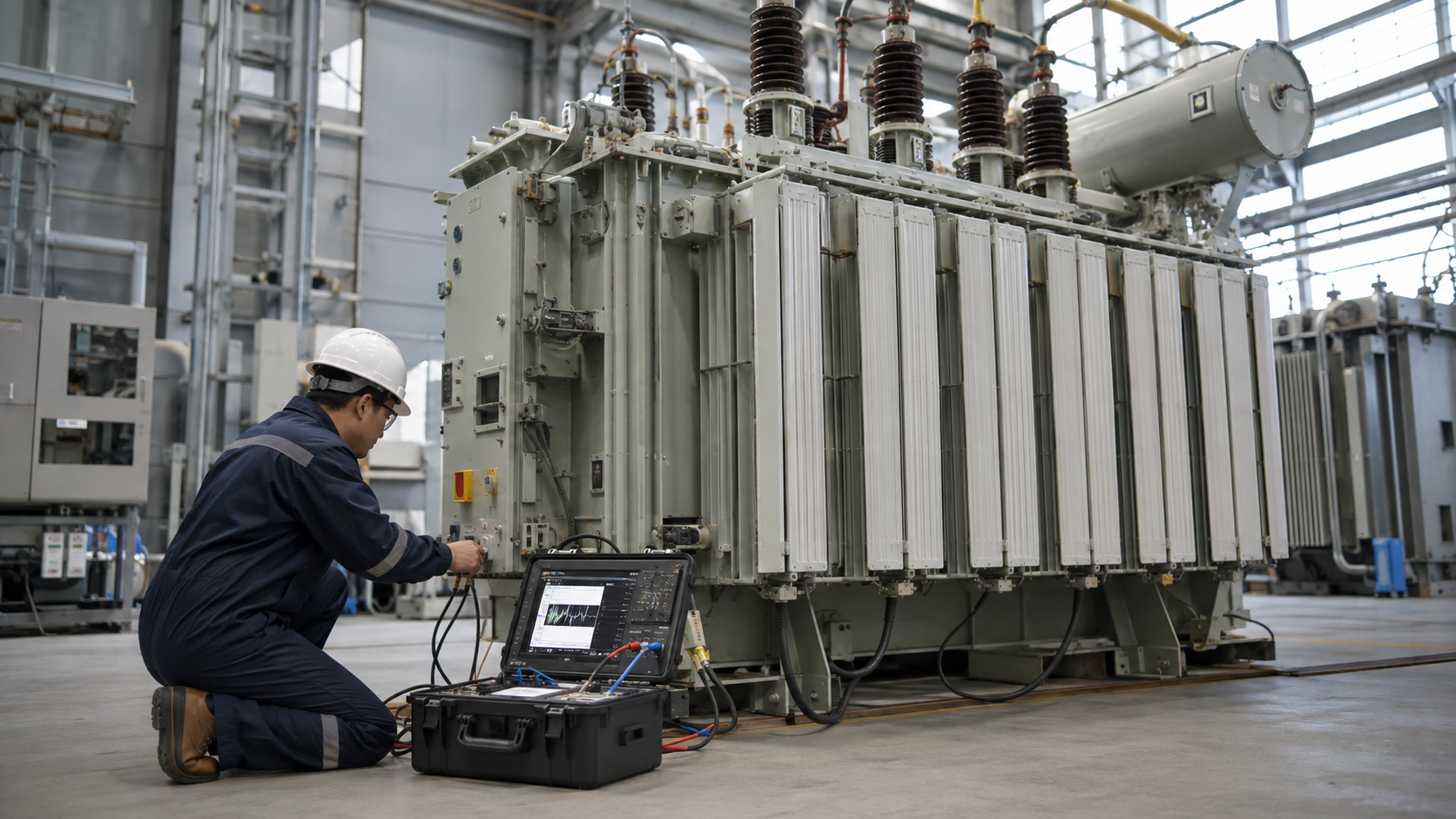

تعمل أجزاء المحولات كنظام حراري وعازل ومغناطيسي وميكانيكي واحد: فالقلب والملفات ينقلان الطاقة، والعزل يتحكم في الإجهاد الكهربائي، والخزان ودائرة التبريد يزيلان الحرارة، والمخارج الكهربائية (البوشنج) تصل الموصلات، وملحقات الحماية تكتشف الظروف غير الطبيعية. قائمة القطع تكون مفيدة فقط عندما تكون مرتبطة بنوع المحول، وتقييمه، وبيانات رقمه التسلسلي، والرسومات، والعطل الذي يتم إنجاز الإصلاح بشأنه. يشرح هذا الدليل الوظائف، وأدلة الفحص، ومعلومات طلب تقديم العروض (RFQ) دون افتراض أن القطع من الوحدات المتشابهة في الشكل قابلة للتبديل.
النقاط الرئيسية
- استخدم لوحة البيانات، ورسم المخطط التفصيلي، وجدول الملحقات لتحديد الأجزاء.
- تعامل مع الجلب، والجوانات، والزيت، ومغيرات الجهد، وأجهزة الحماية كواجهات هندسية.
- تأكد من الأبعاد والتقييمات والمواد والاختبارات قبل قبول البديل.
القلب المغناطيسي واللفات
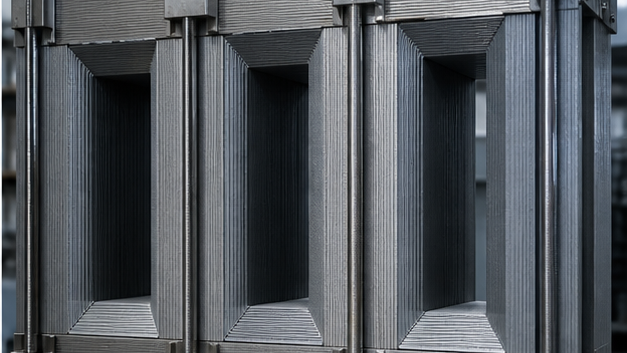
يحمل قلب الصلب الكهربائي الرقائقي تدفقاً متناوباً بينما يقلل من فقد التيار الدوامي. تؤثر وصلات التداخل المتدرج، وضغط التثبيت، والتأريض على الضوضاء وتيار الدوران. تستخدم الملفات موصلات من النحاس أو الألومنيوم مرتبة لتحمل تشغيل الجهد، وقوة قصر الدائرة، ودرجة الحرارة. توفر الفواصل المحورية، والقنوات الشعاعية، وأسطوانات الورق المقوى مسارات تبريد وقيداً ميكانيكياً.
لا يمكن تحديد الملف بالمقاومة وحدها. فعدد اللفات، ومساحة الموصل، وسماكة العزل، والجدل، وترتيب التفريع، والملائمة الأبعاد تحديد النسبة والممانعة والسلوك الحراري. يُعد استبدال القلب أو الملف عموماً مهمة هندسية على مستوى المصنع مدعومة بحسابات التصميم واختبارات روتينية ما بعد الإصلاح.
خزان، وحفظ الزيت، وأجزاء التبريد
تدعم الخزانة الجزء الفعال، وتحتوي على سائل العزل وتنقُل الضغط الداخلي وأحمال النقل. تعمل الجدران المموجة أو المشعات القابلة للفك على زيادة مساحة التبريد. تستوعب خزانات التمدد أو الحواجز أو مساحات الغاز المحكمة تمدد السائل، بينما تحد المَنفاس من دخول الرطوبة حيث يتواصل نظام الحفظ مع الغلاف الجوي.
تنشئ المراوح المضخات مراحل تبريد قسري في الوحدات الأكبر حجمًا. يجب أن تتطابق المروحة البديلة مع تدفق الهواء، والجهد الكهربائي، والتردد، والغلاف، والاتجاه؛ كما يجب أن تتطابق المضخة أيضًا مع توافق الزيت واتجاه التدفق. يمكن أن يؤدي تغيير هندسة المبرد أو وضع الصمام إلى تغيير أداء التبريد وسهولة الوصول للصيانة.
بطانات، ومقابس ومغيرات الجهد
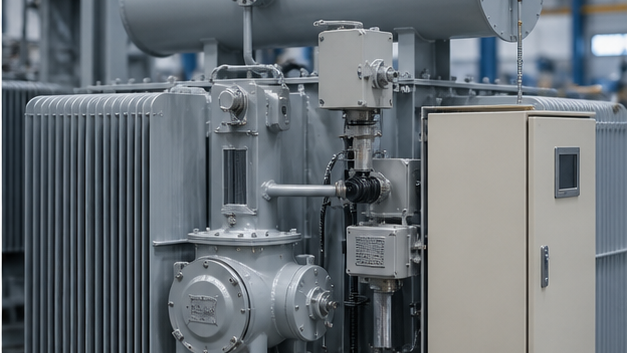
تمر البطانات (المغذيات العازلة) بموصلات حاملة للتيار عبر الغلاف المؤرض. يجب أن يتوافق تصنيف الجهد الخاص بها، والتيار، ومسافة الزحف، وتقنية العزل، والشفة (الفلانشة)، وواجهة الموصل، ومخرج الاختبار مع التصميم. إن وجود خزف متصدع، أو تسرب للزيت، أو سعة غير طبيعية، أو ارتفاع في معامل القدرة يتطلب تقييماً هندسياً بدلاً من الإصلاح التجميلي.
مبدلات الجهد خارج الدائرة تضبط نسبة التحويل فقط عندما تكون غير منشطة؛ بينما مبدلات الجهد تحت الحمل تقطع وتنقُل التيار أثناء التشغيل. تختلف نقاط التوصيل، ومكونات المبدل، وآليات التشغيل، وأجزاء التحكم حسب الطراز. يجب التحقق من التوقيت، ومقاومة الانتقال، والتسلسل الميكانيكي بعد الصيانة.
جدول وظائف وفحص أجزاء المحول
| مجموعة أجزاء | الوظيفة الأساسية | أدلة للتحقق منها | بيانات الاستبدال |
|---|---|---|---|
| القلب والملفات | نقل الطاقة وتحويل الجهد | ضوضاء، مقاومة، نسبة، عزل وتشووه | رسم تصميمي، موصل، لفات، أبعاد وممانعة |
| جانات | طرف معزول عبر خزان مؤرض | الشقوق، والتسريبات، والسعة، ومعامل القدرة | الجهد، التيار، مستوى العزل الأساسي (BIL)، مساحة الزحف، الشفة (الفلنجة)، والطرف (الطرفية) |
| نظام التبريد | إزالة فقدان الملفات والقلب | درجة الحرارة، تشغيل المروحة/المضخة، الرادياتيرات المسدودة | مرحلة التبريد، التدفق، الجهد، الأبعاد والمواد |
| مغير الجهد | اضبط نسبة اللف | تآكل نقاط التلامس، التوقيت، مقاومة الانتقال والتشغيل | النموذج، نطاق مغير الجهد، التيار، التسلسل ومخطط التحكم |
| إكسسوارات الحماية | كشف الضغط، والغاز، والمستوى، والحرارة | نقاط ضبط، وملامسات، وتوصيلات سلكية، واختبارات وظيفية | المدى، جهات الاتصال، التركيب، المنطق والشهادات |
عناصر الحماية والبيان والختم
توفر أجهزة مستوى السائل، ودرجة حرارة الملفات والزيت، وأجهزة تخفيف الضغط، وترحيلات الضغط المفاجئ، وترحيلات الغاز، معلومات عن الحالة أو الأعطال. يجب توثيق قدرات نقاط التلامس الخاصة بها، ومنطق الإنذار/الرحل، ومدى الاستشعار، وأبعاد الجيوب، ومخططات الأسلاك. إن استبدال أي جهاز دون التحقق من نقاط الضبط يمكن أن يبطل الحماية بصمت.
يجب اختيار الحشوات بناءً على السائل، ودرجة الحرارة، والانضغط، وتشطيب الشفة. إعادة استخدام حشدة مضغوطة أو المبالغة في إحكام ربط الغطاء يمكن أن يواجه تسربات جديدة أو تشويه الوصلة. يجب أن تكون الصمامات، وسدادات التصريف، ونقاط أخذ العينات نظيفة، ومغطاة، وموضعة بطريقة لا تجعل الصيانة تدخل الرطوبة.
التحقق الهندسي وحدود الأمان
يوفر هذا الدليل دعماً للمواصفات والمشتريات؛ وهو لا يغني عن دراسة المشروع، أو الكود المعمول به، أو تعليمات المصنع، أو أعمال طاقم الكهرباء المؤهل. تحقق ممّا يلي قبل اختيار المعدات، أو اختبارها، أو توصيل أسلاكها، أو تشغيلها:
- تأكد من فصل التيار الكهربائي، والعزل، والتأريض، والتحكم في الطاقة المخزنة قبل الوصول.
- قارن رسومات الاستبدال والمواد بالوثائق الخاصة برقم تسلسل المحول.
- تقييم توافق الزيوت ومنع التلوث بالرطوبة أو الجسيمات أثناء الفتح.
- أعد إجراء اختبارات نسبة التحويل، والمقاومة، والعزل، والتسرب، والاختبارات الوظيفية المعمول بها بعد الانتهاء من العمل.
- تحديث جدول الملحقات، ومخطط الأسلاك، وأساس الصيانة.
المعلومات المراد تضمينها في طلب عرض الأسعار
يجب أن تستند أي عرض أسعار مفيد إلى نفس الحدود التقنية لكل مُورِّد. تضمين المعلومات التالية ومطالبة بذكر جميع الانحرافات صراحةً:
- الشركة المصنعة، الرقم التسلسلي، السنة، كيلو فولت أمبير / ميغا فولت أمبير، الفولتية، مجموعة التوصيل، والممانعة.
- اسم الجزء، الطراز الأصلي، رقم الرسم، الصور الفوتوغرافية والواجهات المقاسة.
- سائل العزل، نطاق درجات الحرارة، البيئة الداخلية/الخارجية وفئة التآكل.
- جهات الاتصال المطلوبة، والتوصيلات، والإنذارات، ونقاط ضبط الإعدادات، وواجهات الاتصال.
- شهادات المواد، والاختبارات الروتينية، والتعبئة والتغليف، والضمان، ونطاق التركيب.
من البيانات الفنية إلى قرار معتمد
استخدم مراجعة على مراحل بدلاً من اعتماد أول تطابق في الكتالوج. ابدأ بالقلب المغناطيسي واللفات، ثم قم بمطابقة الخزان، وأجزاء الحفاظ على الزيت والتبريد مع البطانات، والأطراف، ومغيرات الحنفية. أكمل المراجعة بمكونات الحماية، والبيان، والختم. في كل مرحلة، قم بتسجيل المستند المصدر، والوحدات، وحالة التشغيل، والشخص المسؤول عن الموافقة. هذا يمنع قيمة منسوخة من رسم قديم، أو ملصق نظام اسمي، أو منتج غير ذي صلة من أن تصبح مدخل تصميم غير خاضع للرقابة.
قبل القبول، قارن استجابة المورد بنداً بنداً مع طلب تقديم القحوصات وحدد كل استثناء. تأكد من أن الرسومات، والحسابات، والإعدادات، والشهادات، وتقارير الاختبار تشير إلى الطراز والمراجعة المقدمين بدقة. احتفظ بالوثائق المقدمة المعتمدة، وبيانات لوحة الاسم، ونتائج المصنع، وقياسات التشغيل كخط أساس للصيانة. إذا تغير التقييم، أو التوصيل، أو البيئة، أو شرط الاختبار، فأعد المراجعة المتأثرة بدلاً من افتراض أن الاستنتاج الأصلي يظل سارياً.
يجب أن تحدد مراقبة الوثائق المراجعة، وحالة الموافقة، والملفات الملغاة. يجب أن تتلقى الفرق الميدانية نفس القيم المعتمدة المستخدمة للمشتريات، بينما يجب أن تسجل سجلات التشغيل التجريبي أي تغيير مصرح به تم إجراءه أثناء التركيب. تُعد هذه القابلية للتتبع مهمة بشكل خاص عندما يتم استبدال المعدات بعد سنوات: فالمهندس التالي يحتاج إلى واجهات مُتحقق منها وسجل اختبارات، وليس وصفاً غير مكتمل منقولاً من أمر شراء.
تغطية مستندة إلى نتائج البحث الحالية
أبرزت مراجعة أفضل 20 نتيجة على محرك بحث جوجل في الولايات المتحدة مراراً وتكراراً موضوعات تضمنت: 2. الملفات، والعزل، والتطورات في تقنيات تبريد المحولات، وكيفية إعادة تدوير المحولات، و1. القلب الرقائقي. يتناول المقال احتياجات المستخدمين هذه وفق تسلسل هندسي وتشتري-أتعاقدي أصلي؛ وتم استبعاد التنقل بين العلامات التجارية للمنافسين ومواد المبيعات غير ذات الصلة.
الموارد ذات الصلة بـ LBAJI
تابع مع دليل مكونات وأجزاء المحولات الكهربائية دليل صيانة المحولات نطاق محول LBAJI. تساعد هذه الموارد في ربط الحساب أو قرار المكون بمواصفات كاملة للمحول، أو المفاتيح الكهربائية، أو التحكم، أو التوزيع.
المراجع الفنية والقراءة الإضافية
- محولات الطاقة IEC 60076-1 — التقييمات العامة، والمتطلبات، والاختبارات الروتينية.
- محولات التوزيع التابعة لوزارة الطاقة الأمريكية — كفاءة المحولات الرسمية والواردة التنظيمية.
- سلامة الكهرباء الصادر عن إدارة السلامة والصحة المهنية (أوشا) — متطلبات السلامة للعمل حول المعدات الكهربائية.
خاتمة
اطلب قطع غيار المحولات استناداً إلى بيانات موثوقة خاصة بالرقم التسلسلي، وليس بناءً على وصف عام. يجب أن يحافظ المكون الصحيح على المسافات العازلة، والأداء الحراري، والتوافق الميكانيكي، ومنطق الحماية؛ ثم يؤسس اختبار ما بعد العمل المُوثَّق أساس صيانة جديداً ومبرراً.