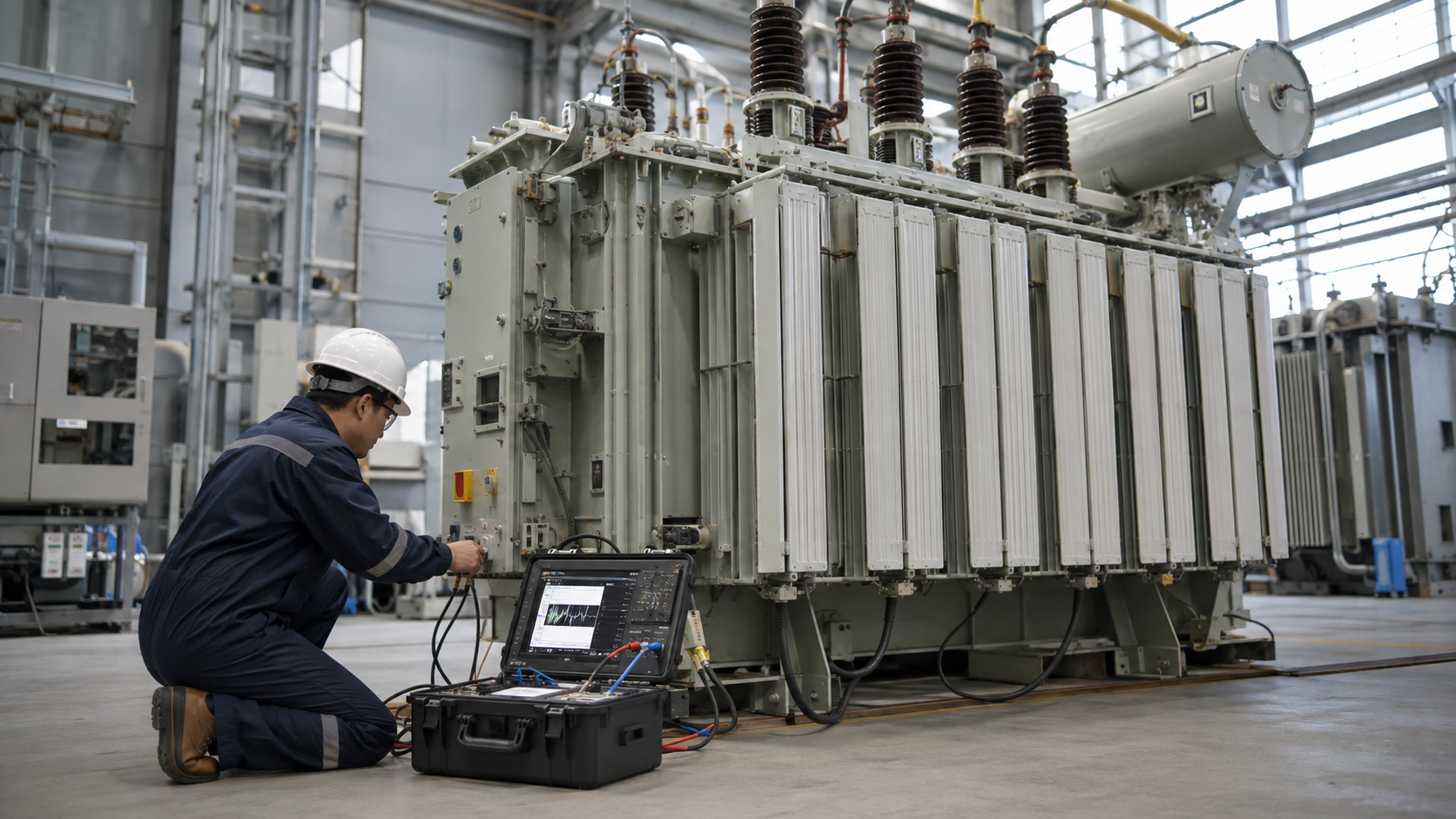

Las partes de un transformador funcionan como un único sistema térmico, dieléctrico, magnético y mecánico: el núcleo y los devanados transfieren energía, el aislamiento controla el esfuerzo eléctrico, el tanque y el circuito de refrigeración eliminan el calor, los pasamuros conectan los conductores y los accesorios de protección detectan condiciones anormales. Una lista de piezas solo es útil cuando está vinculada al tipo de transformador, la potencia nominal, los datos de serie, los planos y la falla que se está corrigiendo. Esta guía explica las funciones, la evidencia de inspección y la información de Solicitud de Cotización (RFQ) sin asumir que las piezas de unidades de aspecto similar son intercambiables.
Puntos clave
- Utilice la placa de características, el dibujo de contorno y la lista de accesorios para identificar las piezas.
- Trate los bujes, las juntas, el aceite, los conmutadores de derivación y los dispositivos de protección como interfaces diseñadas.
- Confirme las dimensiones, clasificaciones, materiales y pruebas antes de aceptar un sustituto.
Núcleo magnético y devanados
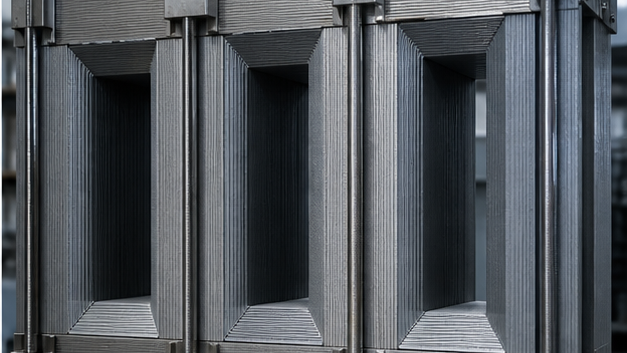
El núcleo de chapa magnética laminada transporta flujo alterno a la vez que limita las pérdidas por corrientes parásitas. Las juntas escalonadas, la presión de apriete y la puesta a tierra influyen en el ruido y en las corrientes circulantes. Los devanados utilizan conductores de cobre o aluminio dispuestos para soportar la tensión de servicio, las fuerzas de cortocircuito y la temperatura. Los separadores axiales, los conductos radiales y los cilindros de cartón prensado proporcionan vías de refrigeración y sujeción mecánica.
Un devanado no puede especificarse únicamente por su resistencia. Las espiras, el área del conductor, el espesor del aislamiento, la transposición, la disposición de las derivaciones y el ajuste dimensional determinan la relación, la impedancia y el comportamiento térmico. La sustitución de un núcleo o de un devanado es normalmente una tarea de ingeniería a nivel de fábrica respaldada por cálculos de diseño y ensayos rutinarios posteriores a la reparación.
Tanque, piezas de conservación de aceite y refrigeración
El tanque soporta la parte activa, contiene líquido aislante y transfiere la presión interna y las cargas de transporte. Las paredes onduladas o los radiadores desmontables aumentan la superficie de enfriamiento. Los conservadores, diafragmas o espacios de gas sellados alojan la expansión del líquido; los respiradores limitan la entrada de humedad donde el sistema de conservación se comunica con la atmósfera.
Los ventiladores y las bombas crean etapas de refrigeración forzada en unidades más grandes. Un ventilador de repuesto debe coincidir en caudal de aire, voltaje, frecuencia, tipo de caja y sentido de giro; una bomba también debe coincidir en compatibilidad con el aceite y dirección del flujo. Cambiar la geometría del radiador o la posición de las válvulas puede alterar el rendimiento de la refrigeración y el acceso para el mantenimiento.
Boquillas, terminales y conmutadores de derivación
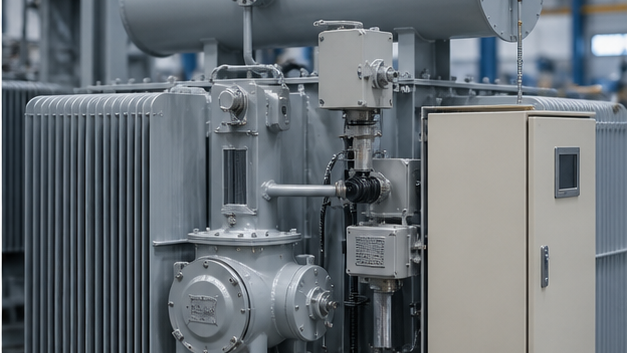
Los pasatapas transportan conductores energizados a través de la envolvente conectada a tierra. Su clase de tensión, corriente, línea de fuga, tecnología de aislamiento, brida, interfaz del conductor y toma de pruebas deben coincidir con el diseño. La porcelana agrietada, las fugas de aceite, la capacitancia anormal o el aumento del factor de potencia requieren una evaluación de ingeniería en lugar de una reparación estética.
Los conmutadores de derivación sin carga ajustan la relación únicamente cuando están desenergizados; los conmutadores de derivación bajo carga interrumpen y transfieren corriente durante la operación. Los contactos, los componentes desviadores, los mecanismos de accionamiento y las piezas de control son específicos del modelo. La sincronización, la resistencia de transición y la secuencia mecánica deben verificarse después del servicio.
Tabla de funciones e inspección de partes de transformadores
| Grupo de piezas | Función principal | Evidencia para verificar | Datos de reemplazo |
|---|---|---|---|
| Núcleo y devanados | Transferencia de energía y transformación de voltaje | Ruido, resistencia, relación, aislamiento y deformación | Plano de diseño, conductor, espiras, dimensiones e impedancia |
| Casquillos | Terminal aislado a través de un tanque conectado a tierra | Grietas, fugas, capacitancia y factor de potencia | Tensión, corriente, BIL, línea de fuga, brida y terminal |
| Sistema de refrigeración | Eliminar las pérdidas en el devanado y en el núcleo | Temperatura, funcionamiento del ventilador/bomba, radiadores obstruidos | Etapa de enfriamiento, flujo, voltaje, dimensiones y materiales |
| Conmutador de derivaciones | Ajustar la relación de espiras | Desgaste de contactos, sincronización, resistencia de transición y accionamiento | Modelo, rango de regulación, corriente, secuencia y diagrama de control |
| Accesorios de protección | Detectar presión, gas, nivel y temperatura | Puntos de consigna, contactos, cableado y pruebas funcionales | Rango, contactos, montaje, lógica y certificados |
Componentes de protección, indicación y sellado
Los dispositivos de nivel de líquido, temperatura de devanado y de aceite, dispositivos de alivio de presión, relés de presión súbita y relés de gas proporcionan información sobre el estado o fallas. Sus capacidades de contactos, lógica de alarma/disparo, rango de detección, dimensiones de los bolsillos y diagramas de cableado deben estar documentados. Reemplazar un dispositivo sin verificar los puntos de ajuste puede anular silenciosamente la protección.
Las juntas deben seleccionarse según el fluido, la temperatura, la compresión y el acabado de la brida. Reutilizar una junta comprimida o apretar excesivamente una cubierta puede crear nuevas fugas o deformar la unión. Las válvulas, los tapones de drenaje y los puntos de muestreo deben estar limpios, tapados y colocados de manera que el mantenimiento no introduzca humedad.
Validación de ingeniería y límite de seguridad
Esta guía respalda la especificación y la adquisición; no reemplaza un estudio de proyecto, el código aplicable, las instrucciones del fabricante o el trabajo de personal eléctrico calificado. Verifique lo siguiente antes de la selección del equipo, las pruebas, el cableado o la energización:
- Confirme la desenergización, el aislamiento, la puesta a tierra y el control de la energía almacenada antes de acceder.
- Compare los planos de repuesto y los materiales con los documentos específicos del número de serie del transformador.
- Evalúe la compatibilidad del aceite y evite la contaminación por humedad o partículas durante la apertura.
- Repita las pruebas aplicables de relación, resistencia, aislamiento, fugas y funcionamiento después del trabajo.
- Actualice el cuadro de accesorios, el diagrama de cableado y la línea base de mantenimiento.
Información que se debe incluir en la RFQ
Una cotización útil debe basarse en el mismo límite técnico para cada proveedor. Incluya la siguiente información y exija que todas las desviaciones se enumeren explícitamente:
- Fabricante, número de serie, año, kVA/MVA, tensiones, grupo de conexión e impedancia.
- Nombre de la pieza, modelo original, número de plano, fotografías e interfaces medidas.
- Líquido aislante, rango de temperatura, ambiente interior/exterior y clase de corrosión.
- Contactos necesarios, cableado, alarmas, puntos de consigna e interfaces de comunicación.
- Certificados de materiales, pruebas rutinarias, embalaje, garantía y alcance de instalación.
De datos técnicos a una decisión aprobada
Utilice una revisión por etapas en lugar de aprobar la primera coincidencia del catálogo. Comience con el núcleo magnético y los devanados, luego reconcilie el tanque, la conservación de aceite y las piezas de enfriamiento con los bujes, terminales y conmutadores de derivación. Complete la revisión con los componentes de protección, indicación y sellado. En cada etapa, registre el documento de origen, las unidades, el caso de operación y la persona responsable de la aprobación. Esto evita que un valor copiado de un plano antiguo, una etiqueta de sistema nominal o un producto no relacionado se convierta en un dato de diseño no controlado.
Antes de la aceptación, compare la respuesta del proveedor línea por línea con la solicitud de cotización (RFQ) y marque cada excepción. Confirme que los planos, cálculos, ajustes, certificados y los informes de prueba se refieren al modelo y revisión exactos ofrecidos. Conserve la presentación aprobada, los datos de la placa de características, los resultados de fábrica y las mediciones de puesta en marcha como base de referencia para el mantenimiento. Si cambia una clasificación, conexión, entorno o condición de prueba, repita la revisión afectada en lugar de asumir que la conclusión original sigue siendo válida.
El control de documentos debe identificar la revisión, el estado de aprobación y los archivos reemplazados. Los equipos de campo deben recibir los mismos valores aprobados utilizados para las adquisiciones, mientras que los registros de puesta en marcha deben capturar cualquier cambio autorizado realizado durante la instalación. Esta trazabilidad es especialmente importante cuando se reemplaza el equipo años después: el próximo ingeniero necesita interfaces verificadas e historial de pruebas, no una descripción incompleta copiada de una orden de compra.
Cobertura informada por los resultados de búsqueda actuales
La reseña actual del top 20 de Google en EE. UU. reveló repetidamente temas que incluyen 2. Devanados, Aislamiento, Avances en técnicas de enfriamiento de transformadores, Cómo reciclamos un transformador, 1. Núcleo laminado. El artículo aborda esas necesidades del usuario en una secuencia original de ingeniería y adquisiciones; se excluyeron la navegación de marcas de la competencia y material de ventas no relacionado.
Recursos relacionados de LBAJI
Continúa con guía de componentes y partes de transformadores guía de mantenimiento de transformadores Rango de transformadores LBAJI. Estos recursos ayudan a conectar la decisión de cálculo o de componentes con una especificación completa de transformadores, aparamenta, control o distribución.
Referencias técnicas y lecturas adicionales
- Transformadores de potencia IEC 60076-1 — Calificaciones generales, requisitos y pruebas de rutina.
- Transformadores de distribución del DOE de EE. UU. — Recursos normativos y de eficiencia de transformadores oficiales.
- Seguridad eléctrica de OSHA — Requisitos de seguridad para los trabajos en instalaciones eléctricas.
Conclusión
Pida piezas de transformador a partir de datos verificados específicos de la serie, no de una descripción genérica. El componente correcto debe preservar las holguras dieléctricas, el rendimiento térmico, el ajuste mecánico y la lógica de protección; las pruebas documentadas posteriores al trabajo establecen entonces una nueva línea base de mantenimiento defendible.