

Category Blog

What is a 400KVA Oil Transformer and How Does It Work?

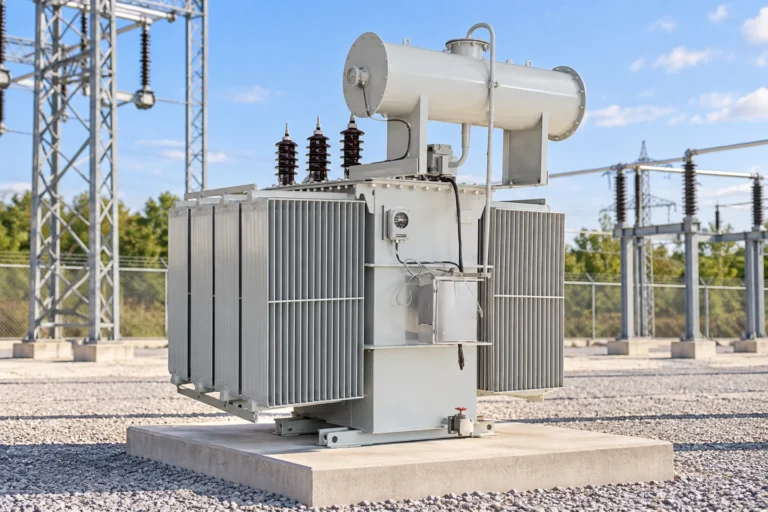
A 400KVA oil transformer plays a vital role in modern power distribution by combining robust load-handling capacity with efficient thermal management. Unlike dry-type alternatives, this transformer uses specially formulated insulating oil that serves a dual purpose—cooling internal components during operation while providing high-level electrical insulation between windings and the core. With a typical oil capacity ranging from 150 to 250 liters, a 400KVA oil transformer is engineered to deliver reliable voltage transformation under demanding conditions, making it a preferred choice for commercial and industrial applications where consistent performance and long service life are essential.

What is a dry type power transformer?

A dry type power transformer stands out in modern electrical systems primarily for its superior safety and environmental performance. By relying on air and solid insulation materials like epoxy resin instead of combustible liquids, it dramatically reduces both fire hazards and the risk of environmental contamination from oil leaks. These inherent advantages, combined with its low-maintenance design and durable resistance to moisture and dust, make the dry type power transformer a reliable and space-efficient choice for applications ranging from commercial buildings and data centers to harsh industrial environments and renewable energy installations.

30 KVA Distribution Transformer: Reliable Power for Small-Scale Needs

For small businesses and residential applications, the 30 KVA Distribution Transformer delivers reliable and efficient voltage conversion in a compact, durable design. It provides steady power that protects equipment, requires minimal maintenance, and serves as a cost-effective solution for light industrial, commercial, and community power needs.

630 KVA Electrical Transformer: Reliable Power for Industrial Use

For manufacturing and commercial operations where consistent power delivery is non-negotiable, the 630 KVA electrical Transformer serves as a critical infrastructure component. Engineered to handle substantial loads while maintaining stable voltage levels, this transformer safeguards sensitive equipment from damaging fluctuations and minimizes energy losses that drive up operating costs. From factories and warehouses to large commercial buildings with demanding HVAC and lighting requirements, the 630 KVA transformer provides the ideal balance of capacity, reliability, and efficiency. By integrating this solution into their power systems, businesses establish a dependable foundation that supports both current production demands and future operational growth.

What are the advantages of a 1000KVA transformer?

When planning the electrical infrastructure for large-scale facilities, engineers often regard 1000 KVA transformers as an ideal balance between capacity and energy efficiency. These units not only meet the dense loads of industrial production lines or data centers, but their low-loss characteristics also help control long-term operating costs. By selecting suitable 1000 KVA transformers, businesses can ensure a reliable power supply while reserving flexible space for future expansion and integration.

30KVA Oil Immersed Power Transformer: A Complete Buying Guide

When selecting a 30KVA Oil Immersed Power Transformer for your project, five key factors must be evaluated: load requirements, application type, single-phase vs three-phase configuration, installation environment, and voltage specifications. A 30KVA Oil Immersed Power Transformer can efficiently handle 24–30 kW of load depending on the configuration, making it suitable for industrial, commercial, residential, and renewable energy applications. Its key advantages include durability through thermal stress reduction, energy efficiency with minimal power loss, and a compact design that fits tight spaces. By carefully matching these factors to your specific needs, you can ensure reliable and long-lasting performance from your 30KVA Oil Immersed Power Transformer.

A Review of Monitoring Methodologies for Oil Immersed Power Transformers

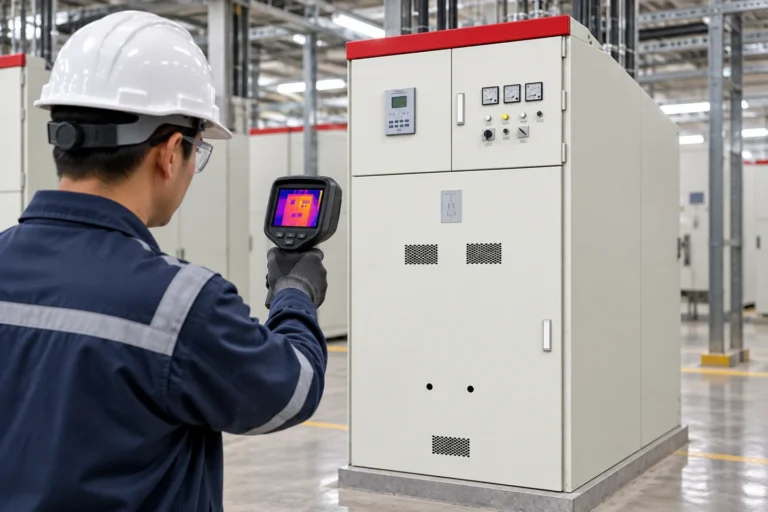
Monitoring an Oil Immersed Power Transformer is essential for preventing costly failures and extending its operational life. The most common monitoring methods include Dissolved Gas Analysis (DGA) for detecting chemical degradation, Frequency Response Analysis (FRA) for identifying mechanical deformations, moisture analysis for protecting insulation properties, and thermal imaging for locating hot spots. While online monitoring provides real-time data for critical infrastructure, offline monitoring allows for in-depth inspection during scheduled downtime. For optimal results, a hybrid approach combining both online and offline methods is recommended to ensure the complete protection of your Oil Immersed Power Transformer.

The Function and Advantages of an 800KVA Transformer

The primary function of an 800KVA transformer is to step down high-voltage electricity from the grid to lower, usable voltage levels. While electricity is transmitted at high voltages to minimize losses over long distances, most end-users require much lower and more stable voltages. The 800KVA transformer bridges this gap, ensuring a safe and consistent power supply for applications like heavy machinery in factories or HVAC systems in commercial buildings, with minimal risk of interruption or equipment damage.

Ultimate Guide to Oil Immersed Distribution Transformers

An Oil Immersed Distribution Transformer submerges its core and windings in insulating oil for efficient cooling and insulation. This Oil Immersed Distribution Transformer steps down high-voltage electricity for safe use in homes, businesses, and industries. Key benefits include high efficiency, 20–30 year lifespan, cost-effectiveness, and outdoor durability. When selecting an Oil Immersed Distribution Transformer, consider load needs, cooling type, and environmental conditions.