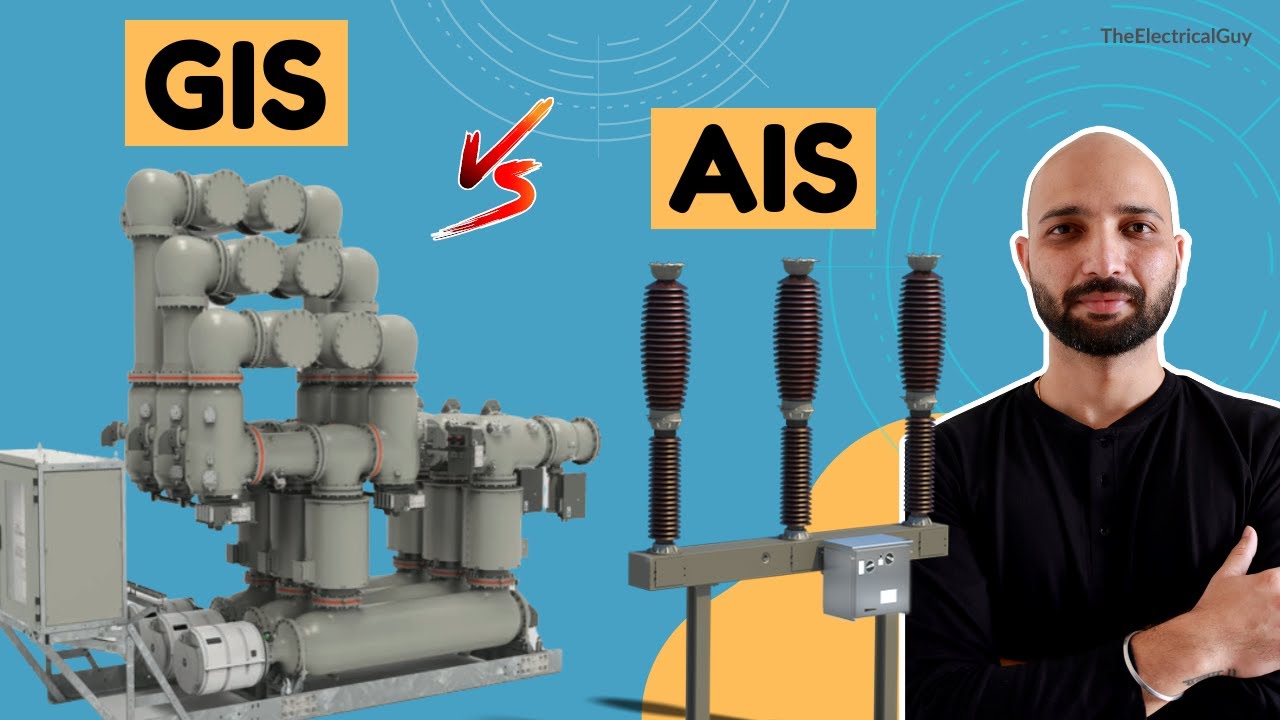

AIS vs GIS switchgear is primarily a comparison of insulation arrangements. Air-insulated switchgear (AIS) uses air for much of the main insulation between energized parts; gas-insulated switchgear (GIS) places conductors and switching equipment in a sealed insulating-gas environment. Neither name alone tells you the circuit-breaker interruption medium, arc-containment rating, service continuity class or environmental performance. The right choice depends on voltage, available space, environment, network duties, maintenance access, lifecycle cost and the precise gas used. This guide compares those decision points for medium-voltage distribution projects without treating every AIS or GIS product as interchangeable.
First separate insulation from interruption
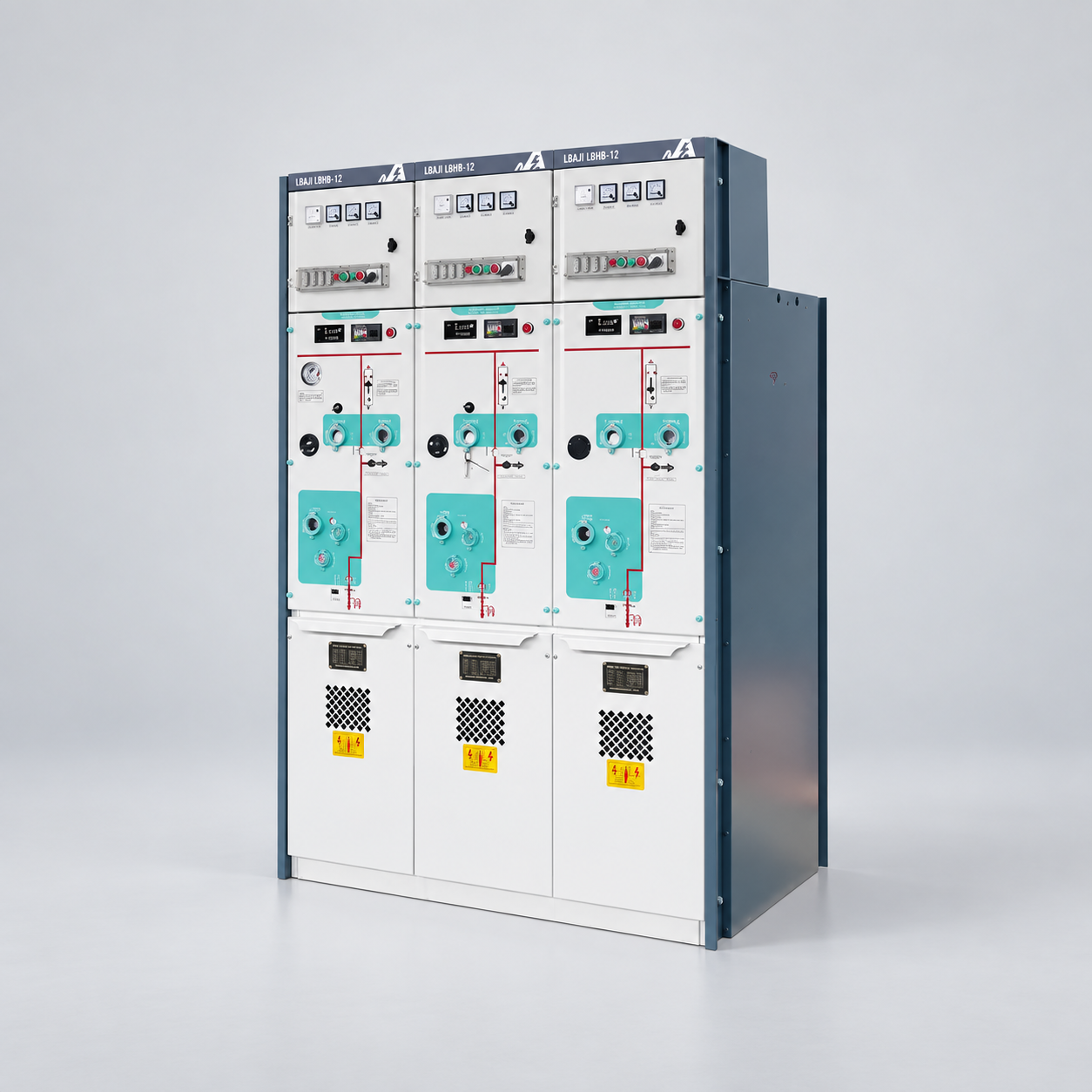
The medium surrounding the main live components is not necessarily the medium that extinguishes a switching arc. A metal-clad air-insulated cabinet may contain a vacuum circuit breaker. A gas-insulated ring main unit may also use a vacuum interrupter while the gas insulates the bus and connections. The LBAJI LBHB-12 gas-insulated RMU, for example, describes vacuum interruption and a separate insulating gas. Therefore “gas-insulated” does not automatically mean an SF6 interrupter, and “air-insulated” does not mean an air-blast breaker.
The comparison also depends on scope. A complete primary substation, a single metal-enclosed switchgear lineup and a compact secondary-distribution RMU are different purchases. A fair AIS-versus-GIS comparison should hold the required single-line arrangement, ratings, protection, installation conditions and functional boundaries constant. Comparing a large AIS lineup with a small RMU while changing the circuit count or fault duty can make the footprint and cost figures meaningless.
Side-by-side decision table
| Entscheidungsbereich | AIS tendency | GIS tendency | Projektprüfung |
|---|---|---|---|
| Fußabdruck | Often needs more insulation clearance and room access | Sealed insulation can support a compact assembly | Compare complete room layout, cable space and service aisles |
| Site environment | Air insulation is exposed to the cabinet’s internal environment | Sealed tank separates primary insulation from ambient contamination | Check humidity, dust, altitude, flooding and enclosure rating |
| Inspection and repair | Some components may be more accessible under approved isolation | Sealed primary components may need specialized service or replacement | Confirm manufacturer procedure, spares and local service capability |
| Insulating medium | Ambient air for major insulation functions | Specified gas or gas mixture, not always SF6 | Request gas identity, pressure, leakage and end-of-life plan |
| Commercial comparison | Can offer lower initial equipment cost in some applications | May reduce building/land area and some routine exposure | Compare installed lifecycle cost, not catalog price alone |
These are tendencies, not guaranteed attributes of a particular model. Eaton’s selection discussion similarly emphasizes application-specific tradeoffs. The manufacturer’s certified dimensions, test reports and maintenance instructions should override generic claims.
How footprint and layout change the comparison
Gas-insulated designs can reduce clearance around live parts within a sealed assembly. That may matter in an urban substation, an underground room, a retrofit or a prefabricated building with fixed dimensions. However, purchase decisions must count the whole installation: incoming and outgoing cable termination space, operating side access, pressure-relief route, wall separation, lifting paths and replacement clearance. A compact primary tank does not make the surrounding safety and maintenance space disappear.
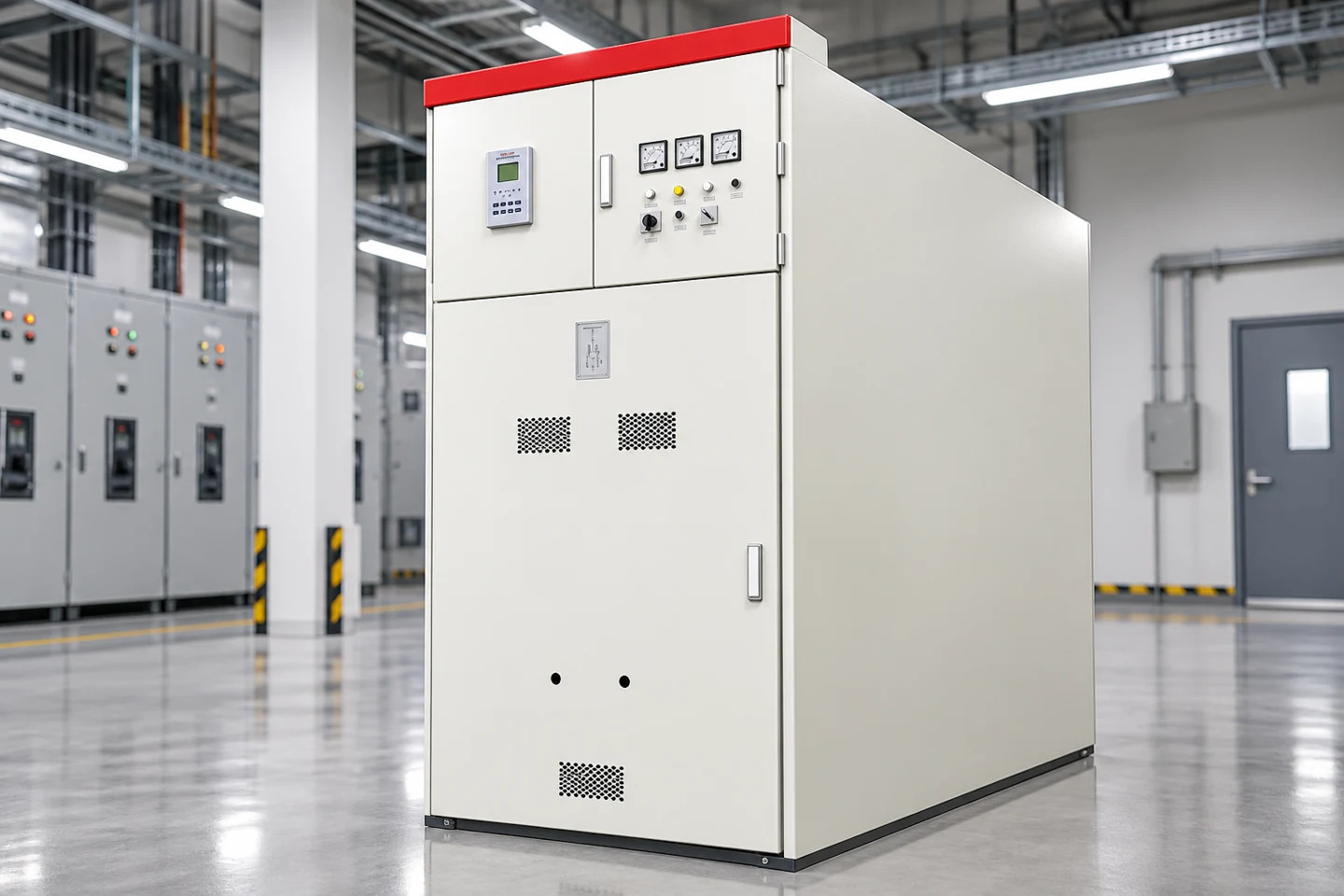
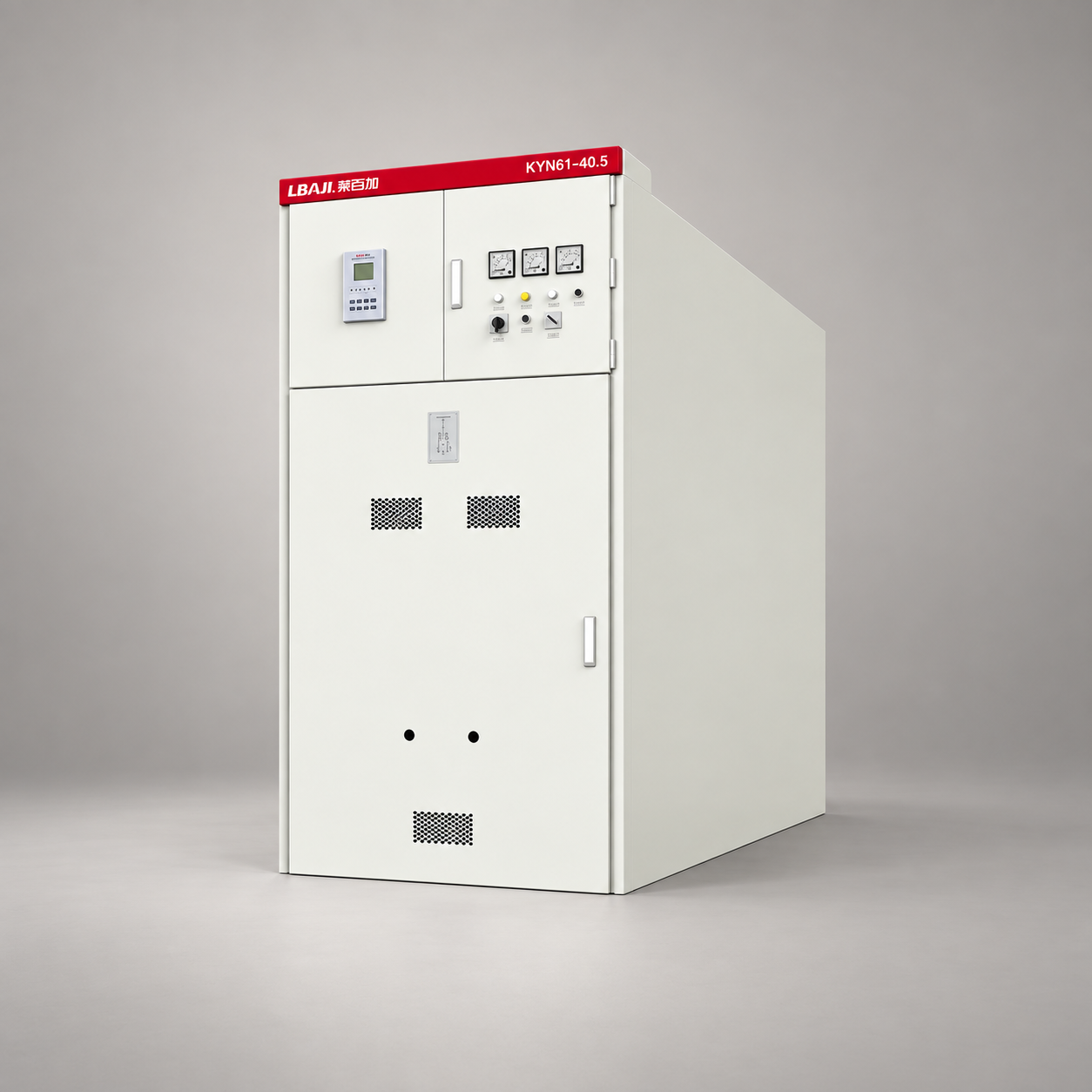
Air-insulated metal-clad switchgear can be very practical where the building has room and operators need familiar withdrawable equipment. The LBAJI KYN61-40.5 withdrawable metal-enclosed switchgear is an example of an indoor cabinet family. Its product page describes a 40.5 kV class and specific service conditions. It should be compared only with gas-insulated alternatives meeting the same network voltage and duty; the 12 kV LBHB RMU pictured here is an insulation-technology illustration, not a drop-in rating equivalent.
Dust, humidity, altitude and site exposure
Air insulation can be affected by contamination, moisture and altitude. Enclosures, heaters, ventilation, cleaning plans and insulation coordination respond to those conditions, but each measure needs engineering and maintenance. A sealed gas system reduces direct exposure of its primary insulation to room air, yet its external terminals, auxiliary controls and enclosure still face site conditions. A flood-prone vault, for example, is not solved merely by changing insulation medium; cable entries, corrosion, buoyancy, access and post-flood inspection remain critical.
Site-specific ratings matter. The KYN61 page lists a standard altitude limit and ambient conditions, while the LBHB page lists a different standard altitude and gas-pressure basis. Those figures are model-specific, not general AIS/GIS limits. Higher altitude, temperature extremes or corrosive environments require manufacturer confirmation and possibly a different configuration. A design review should compare the actual ambient and seismic requirements to each proposed assembly’s verified ratings.
Sealed compartments and maintenance strategy
Neither technology is “maintenance free.” AIS may permit some de-energized inspection or replacement of parts under its exact manual. GIS can reduce exposure of sealed primary components but creates a different maintenance boundary: gas-pressure monitoring, leak response, diagnostics, specialized parts and eventual end-of-life recovery may be relevant. The service plan should identify what can be done on site, what requires an authorized specialist, and what replacement duration the network can tolerate. Failure recovery can dominate an otherwise favorable lifetime-cost calculation.
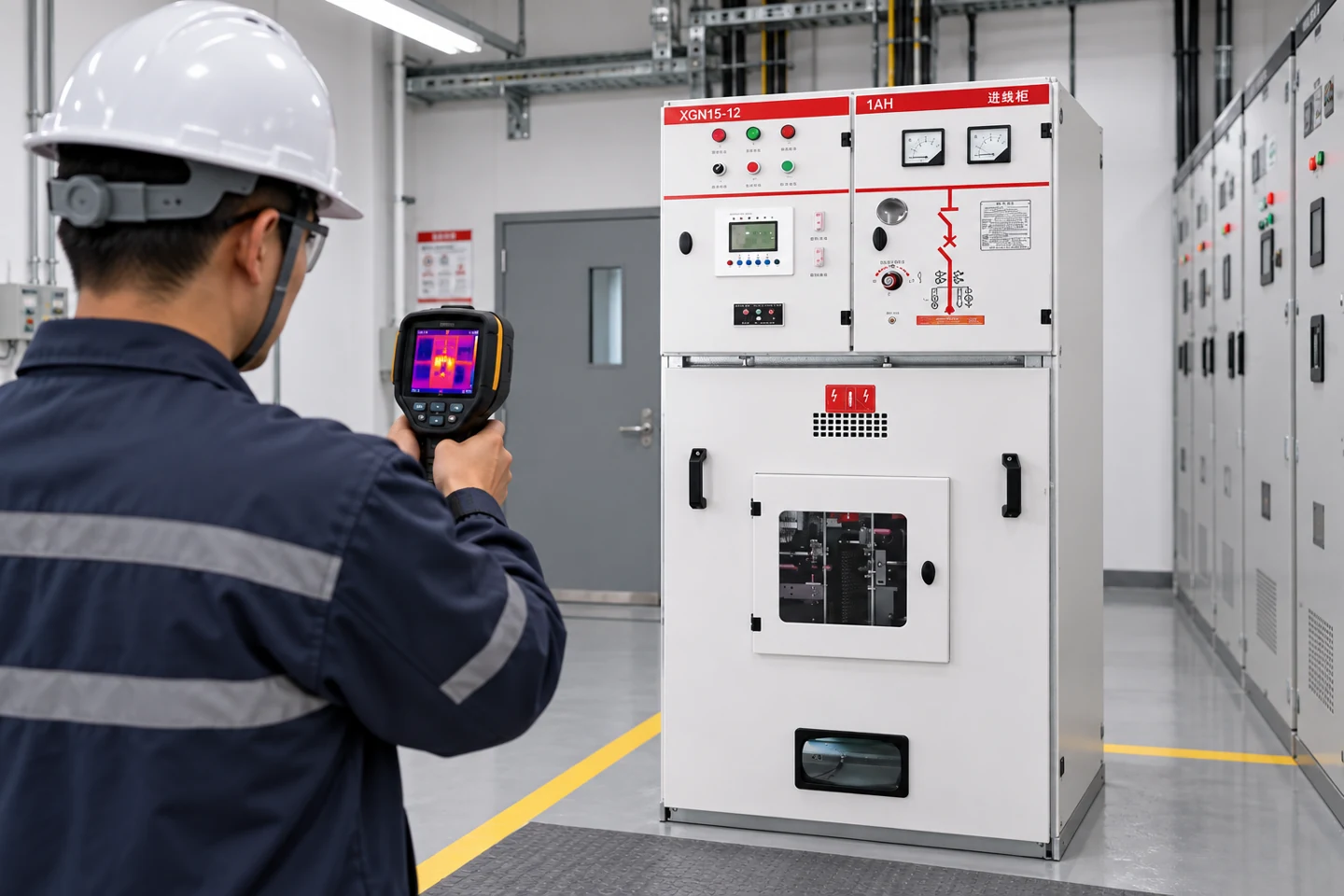
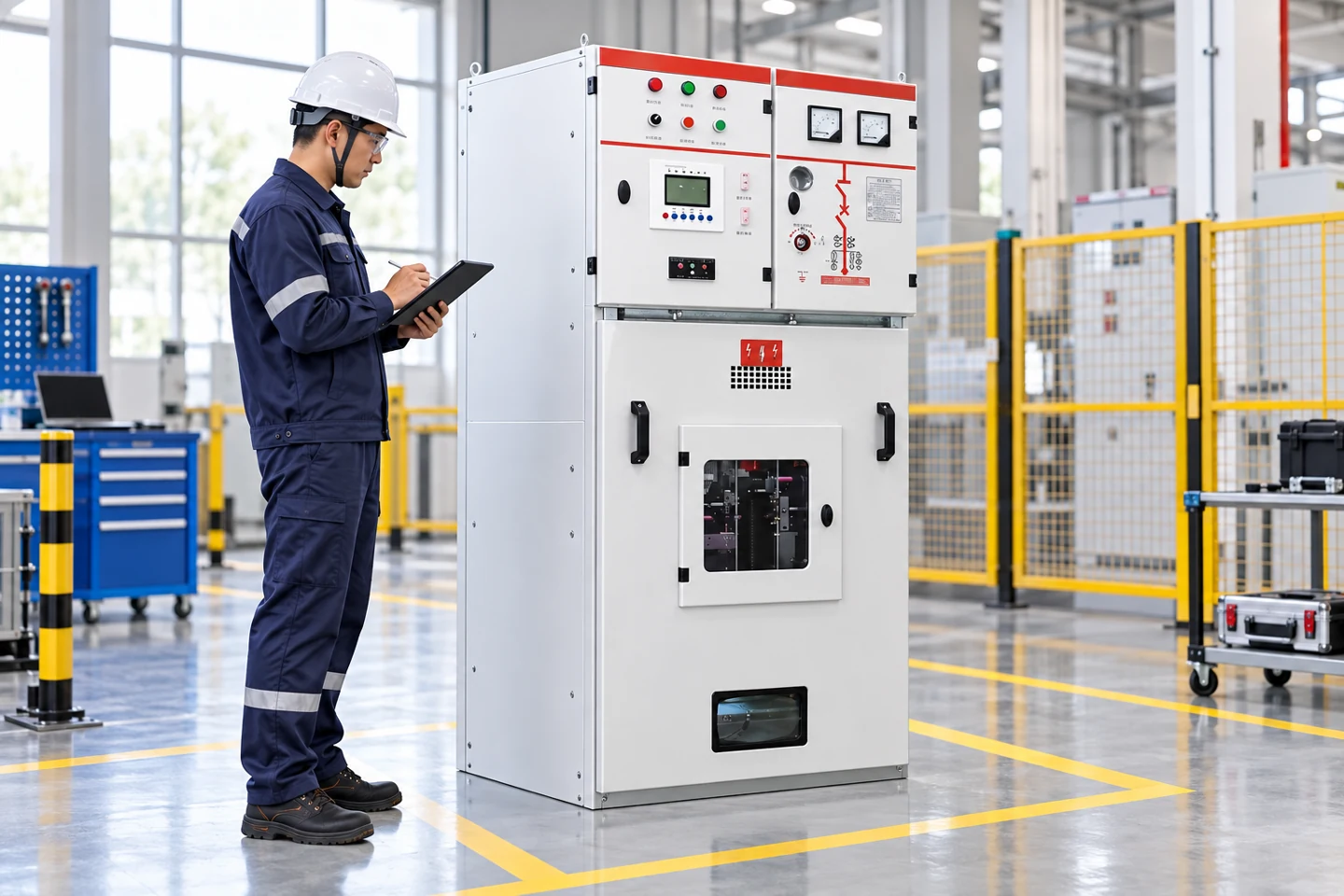
Ask each bidder for an approved operation and maintenance manual, recommended intervals by task, spare-parts list, training needs, typical fault-repair strategy and service availability. For a withdrawable AIS design, investigate racking, shutters and interlocks. For a gas-insulated assembly, investigate seal integrity, alarm thresholds and safe handling instructions for the actual medium. Compare like with like on protection, metering, automation and internal-arc performance. Our switchgear maintenance checklist explains the record framework; it does not set a universal procedure for either design.
Gas identity and environmental responsibility
Conventional gas-insulated switchgear has often used sulfur hexafluoride (SF6). Its excellent electrical performance is accompanied by a significant climate impact if it leaks; the U.S. Environmental Protection Agency describes this issue. Modern alternatives include gases and mixtures with different properties. Do not assume that every GIS unit contains SF6, or that a vendor’s “eco” label is a complete environmental specification. Request the actual gas identity, quantity, leakage guarantee, monitoring method, refill policy and end-of-life handling plan.
The LBAJI LBHB page describes an environmentally friendly insulating gas and gives a pressure basis, but the buyer should request a configuration-specific material declaration. Rules concerning fluorinated gases and permitted equipment can vary by market and date; check the destination jurisdiction at procurement time. An environmental comparison should include manufacture, transport, site energy losses, expected leakage, servicing and disposal rather than focusing on a single label.
Standards and ratings still control
IEC 62271-200:2021 covers prefabricated AC metal-enclosed switchgear for rated voltages above 1 kV up to and including 52 kV, including assemblies with air-insulated and/or fluid-filled compartments. It is not a blanket certification for every product carrying an AIS or GIS description. The project specification should state the applicable standard edition, voltage, frequency, insulation levels, continuous current, short-circuit duties, internal-arc classification, service-continuity requirements and protective functions.
Ratings have to work as a set. A cabinet with adequate nominal voltage may still fail the fault-current duty, feeder count or required operating sequence. The insulation method does not itself prove personnel safety during internal faults; examine test evidence for the specific assembly and accessibility arrangement. Nor does a sealed primary tank establish that secondary wiring, cable compartments or external surfaces can be serviced while adjacent equipment remains energized. The approved manual and switching plan govern that work.
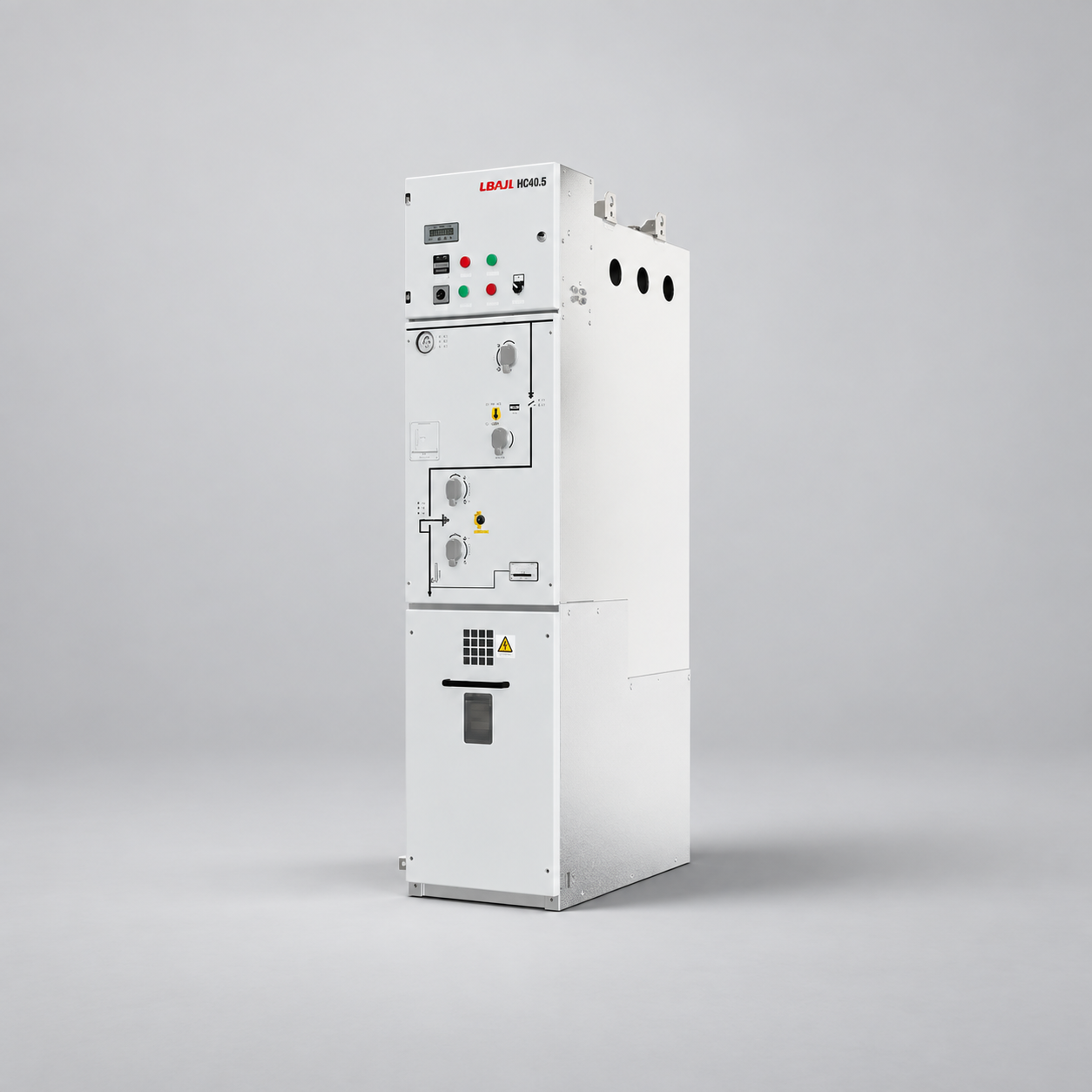
Das LBAJI HC-40.5 fully insulated ring-network switchgear is another model family. Its narrow single-unit appearance differs from the LBHB three-panel RMU and KYN61 cabinet. The photograph illustrates enclosure architecture only; ask for the specific insulation medium and technical data before categorizing a particular offered variant as GIS or comparing its ratings.
How to make a defensible selection
Begin with one single-line diagram and load/fault study. Define the same circuit count, operating modes, protection, automation and future expansion for both bids. Ask for complete room-layout drawings at the same scale, including cable bends and access. Normalize scope so one price does not exclude relays, cable boxes or commissioning. Estimate building or land implications, maintenance labor, spares, outage consequences, gas management and end-of-life costs. Use a qualified engineer to review the technical deviations and site safety case.
AIS may be attractive for accessible rooms, familiar maintenance workflows and certain cost structures. GIS may be valuable when space is constrained or the environment favors sealed primary insulation. Those are starting hypotheses, not automatic winners. The final choice should be documented against the project’s actual constraints. For broader assembly context, read our air-insulated MV switchgear guide und ring main unit guide.
Further viewing: This independent educational overview compares AIS and GIS concepts. Check manufacturer documentation for any actual equipment choice.