
Dry-type transformer enclosure selection should start with the actual exposure at the installation location, then check access protection, cooling performance, cable interfaces and maintenance needs as one package. An IP code alone cannot show that a transformer will operate at its stated rating inside a particular cabinet. Buyers need an enclosure drawing, declared protection classification and documented thermal conditions for the offered assembly. This guide focuses on specifying and checking the enclosure; use the installation guide for room ventilation and clearances, and the transformer selection guide for electrical ratings and construction choices.
Define the installation exposure before selecting a code
Describe the location in ordinary physical terms before writing a protection class. State whether the unit is inside a controlled electrical room, near a workshop door, exposed to wind-driven rain, or in an area with airborne conductive contamination. Identify the source of any moisture rather than recording humidity as the entire environmental assessment. A dry room can still have a pipe leak, and an indoor factory can have dust that travels through ventilation paths.
Record normal conditions and foreseeable changes separately. Construction dust during commissioning, occasional washdown in an adjacent area and temporary storage before installation can create exposures absent from the eventual operating room. Decide which exposures the building prevents and which the equipment must withstand. This avoids buying an expensive enclosure to compensate for a room problem while overlooking an unsealed cable opening in the final assembly.
Understand what the enclosure classification establishes
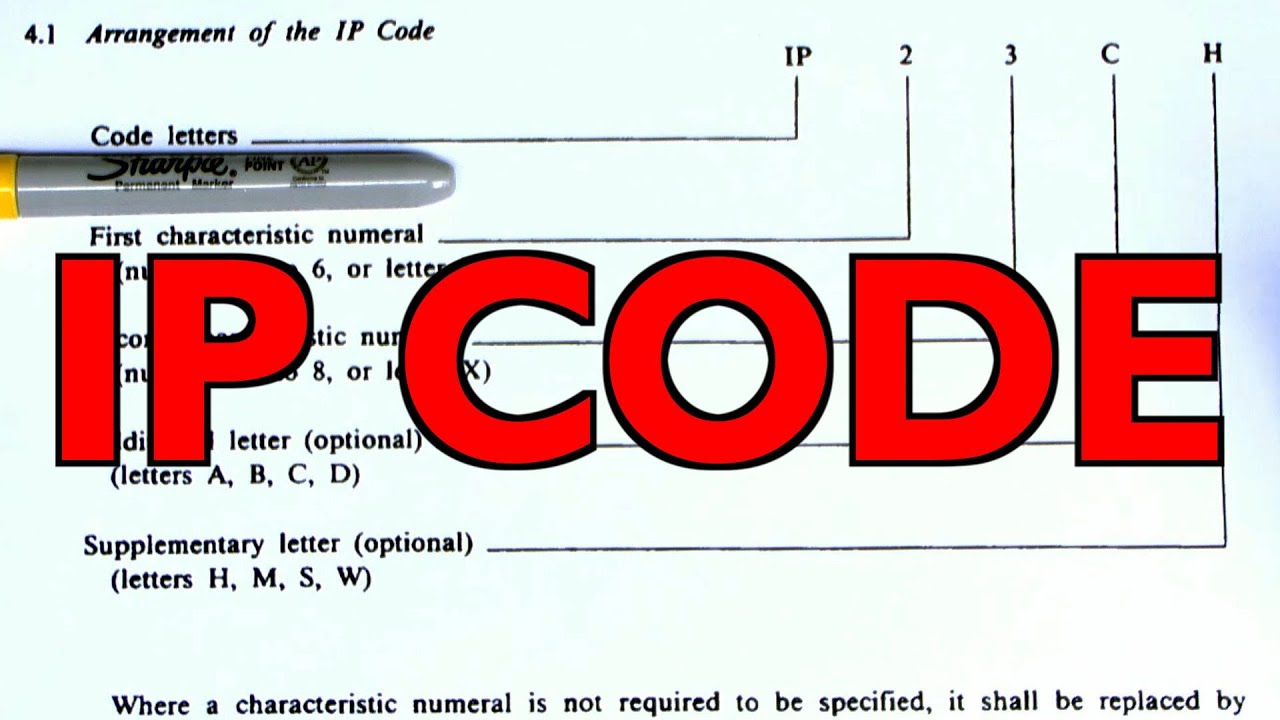
IEC 60529 describes classification of protection provided by enclosures. The declared code relates to specified access and ingress protection conditions; it is not a complete environmental qualification of every item inside. Procurement documents should name the applicable classification system and the offered equipment boundary. Do not infer a rating from photographs, a cabinet’s apparent thickness or the presence of a roof panel.
NEMA enclosure types and IP classifications organize requirements differently. Ask suppliers to state the actual declared system and its supporting evidence instead of accepting a casual equivalent. Where the project specification permits alternatives, the responsible engineer should compare the required properties explicitly. A comparison should identify gaps, supporting documents and any installation conditions attached to acceptance. A catalogue description alone cannot close an unresolved requirement.
Compare the enclosure and cooling decisions together
Technical context: IEC 60529: enclosure protection classification. The checklist below is an original qualitative planning tool, not a reproduced standard.
| Decisión | Documentación para solicitar | Question before approval |
|---|---|---|
| Exposure protection | Declared classification and equipment boundary | Does it cover the actual installed openings? |
| Cooling performance | Rating and thermal conditions for the offered enclosure | Is the quoted capacity valid in this configuration? |
| Interfazes de cable | Entry drawing and approved sealing arrangements | Who completes and verifies each opening? |
| Service access | Door operation and maintenance access drawing | Can planned tasks be completed under the approved isolation procedure? |
| Environmental limits | Installation instructions and service-condition declaration | Which conditions require engineering review? |
This is a qualitative purchasing checklist, not a table of standard test limits. Its purpose is to reveal interfaces between documents that are often reviewed separately. The buyer should assign one owner to resolve conflicting assumptions, such as an electrical schedule based on an open transformer and a mechanical drawing showing an added cabinet. Obtain a written answer before releasing the purchase order rather than treating the enclosure as an accessory with no effect on performance.
Ask for ratings that apply to the complete offered configuration
The scope of IEC 60076-11 includes dry-type power transformers within its stated voltage and equipment boundaries. Its catalogue description identifies enclosure management as part of the subject matter, but the catalogue is not a substitute for the complete applicable requirements. Specify the relevant edition through the project engineering process and ask how the supplier demonstrates the offered configuration satisfies the agreed requirements.
Separate a winding or core-and-coil rating from the rating of an enclosed assembly. Ask whether quoted losses, temperature-rise information, cooling designation and service conditions correspond to the enclosure on the drawing. If the enclosure changes after technical approval, require a documented impact review. The useful question is not whether the cabinet physically fits around the transformer, but whether the complete offered arrangement remains supported by the agreed evidence.
Treat cable entries as part of the protection boundary
An enclosure can arrive with an intended protection classification while the final installation introduces openings outside the assessed arrangement. Request drawings for cable routes, gland plates, external terminations and any separate auxiliary wiring entries. Identify who supplies each closure, how interfaces are completed and who inspects the finished work. Do not assume a site-cut opening automatically preserves the original classification.
Include spare entries and future expansion in the review. A removable blanking plate should have an approved purpose and installation method; it should not become an informal ventilation modification. Photograph completed interfaces for the handover record, but do not mistake photographs for test evidence. Changes affecting cable bend space, electrical separation or protection boundaries need the responsible engineering team and manufacturer to review their combined effect.
Resolve service access before choosing the cabinet arrangement
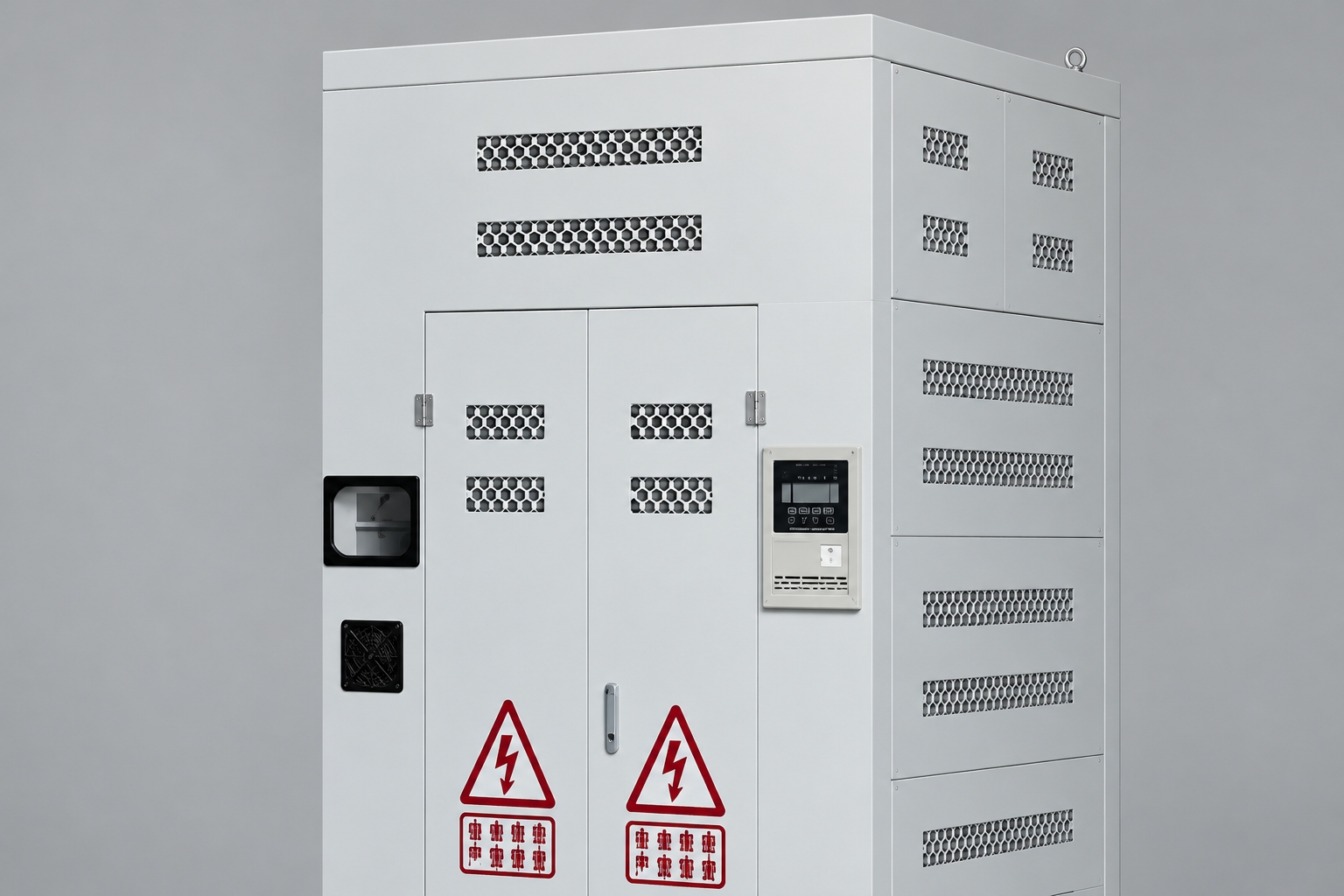
A protective cabinet still needs to support the planned inspection and maintenance strategy. Review which doors or panels must open, how heavy removable sections are handled and which components need access during a scheduled outage. Coordinate this with the manufacturer’s instructions and the site’s electrical safety arrangements. An enclosure does not authorize work on energized equipment merely because a controller can be seen through a window.
Ask for a maintenance access drawing as well as an overall footprint. Include room obstacles, adjacent equipment and the route used to remove service items. If an operating display needs regular observation, consider whether readings can be obtained without opening the enclosure through an approved arrangement. Keep operational convenience distinct from the conditions under which internal access is permitted. The HSE guidance on safe electrical work provides safety context, not equipment-specific clearance dimensions.
Check condensation and corrosion as separate questions
Ingress protection does not, by itself, settle moisture created inside an enclosure by changing conditions. Document temperature variations, storage conditions and potential moisture sources. Ask the supplier which environmental controls, if any, are part of the offered design and which belong to the building. Do not add heaters, fans or filters without approval; such changes can affect the very configuration being assessed.
Material finish and corrosion resistance also require explicit attention. Describe the actual atmosphere and cleaning environment, and request the relevant material or coating declaration. A generic indoor label is weak evidence for a coastal or chemically contaminated location. Where exposure remains uncertain, record the uncertainty as a technical hold point and obtain a site assessment instead of assigning a higher IP number as a universal solution.
Review quotations with an enclosure-specific comparison sheet
Create one comparison row for the exact model and drawing revision from each bidder. Record the classification offered, installation conditions, cooling assumptions, entry responsibilities and exclusions. Mark omitted information as unanswered. This prevents a fully documented quotation from appearing less attractive than a cheaper offer that silently leaves installation sealing, thermal review and access arrangements to someone else.
Ask bidders to identify deviations in a separate schedule. A statement such as compliance with specifications is less useful than a traceable response to each enclosure requirement. After clarifications, issue a controlled final requirement list so the manufacturing team receives the same assumptions used during commercial comparison. Retain supplier answers with the purchase order and connect them to the final approved drawings.
Receiving and handover checks
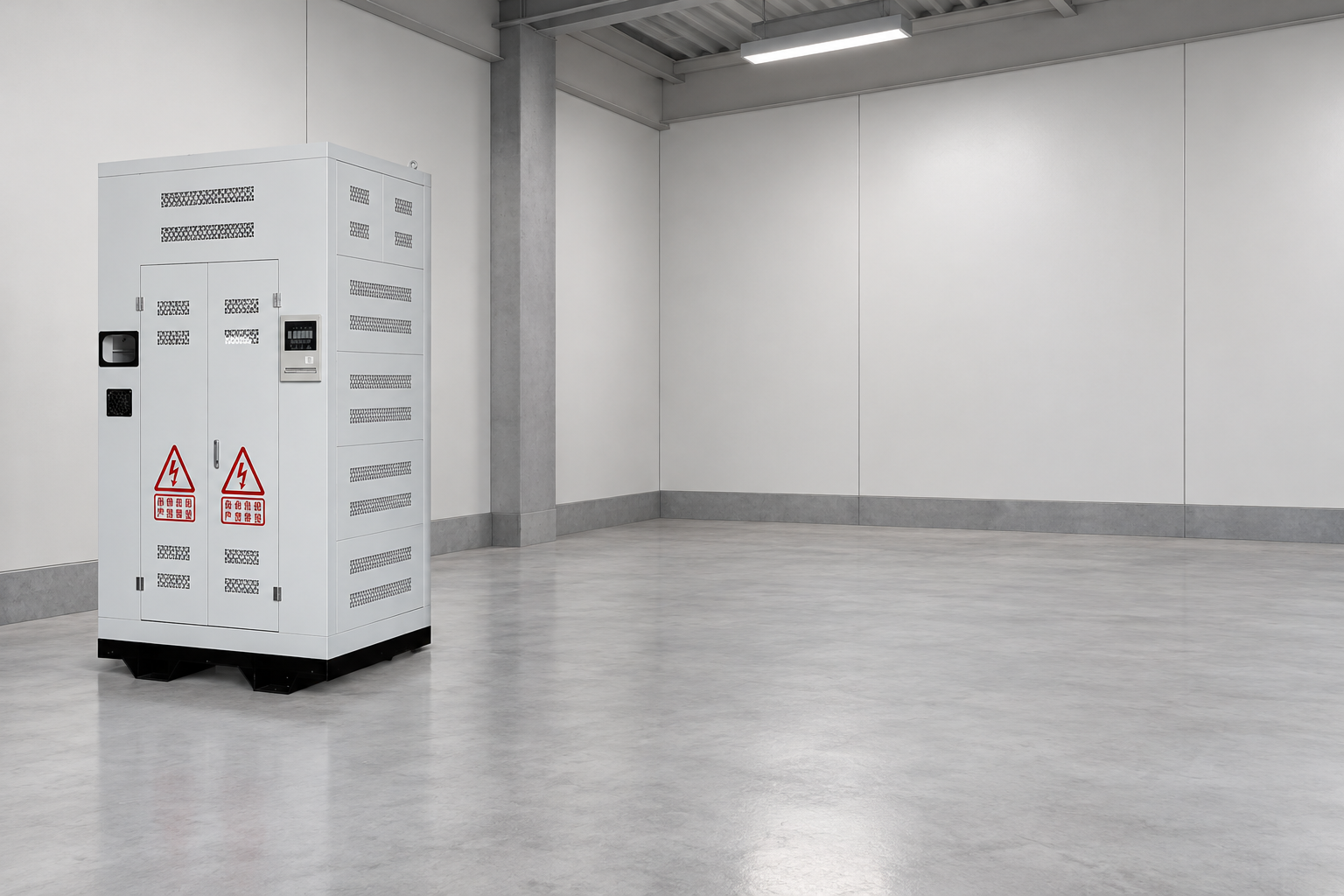
At receiving, compare identification and configuration with the approved documents before releasing the shipment for installation. Record visible damage, missing panels, displaced seals and inconsistencies in the supplied accessories. Internal inspection requires the appropriate safe work arrangements and manufacturer instructions. Do not repair a protection-related defect with a locally improvised cover and then record the original classification as verified.
For handover, collect the final enclosure drawing, relevant declarations, installation instructions and records of site changes. List unfinished entries or disputed configuration details as open items with an owner. The receiving check confirms observable condition and document consistency; it does not reproduce an enclosure qualification test. Final acceptance should distinguish what was inspected, what was supported by supplier evidence and what remains subject to engineering approval.
Relate the specification to the actual LBAJI product
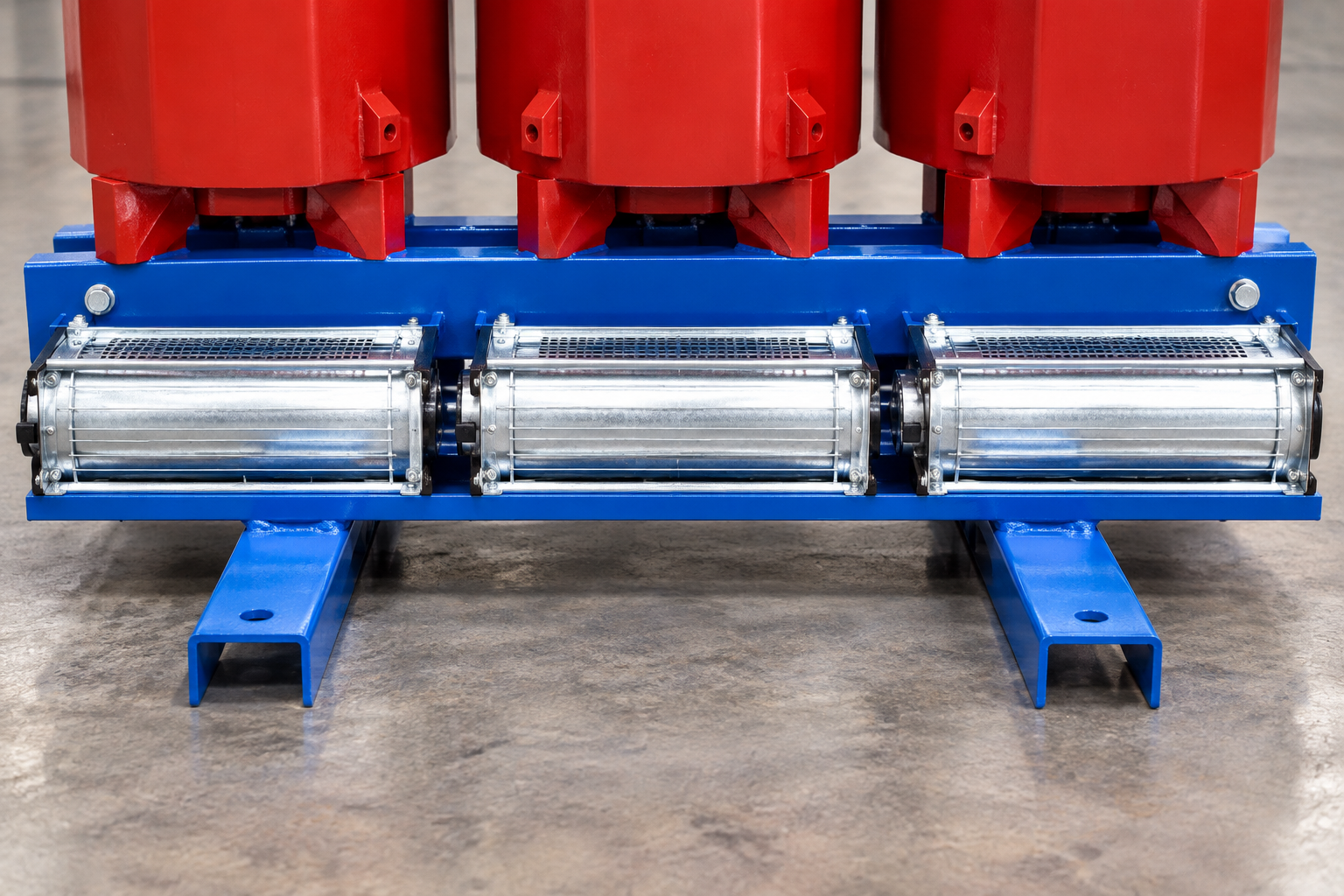
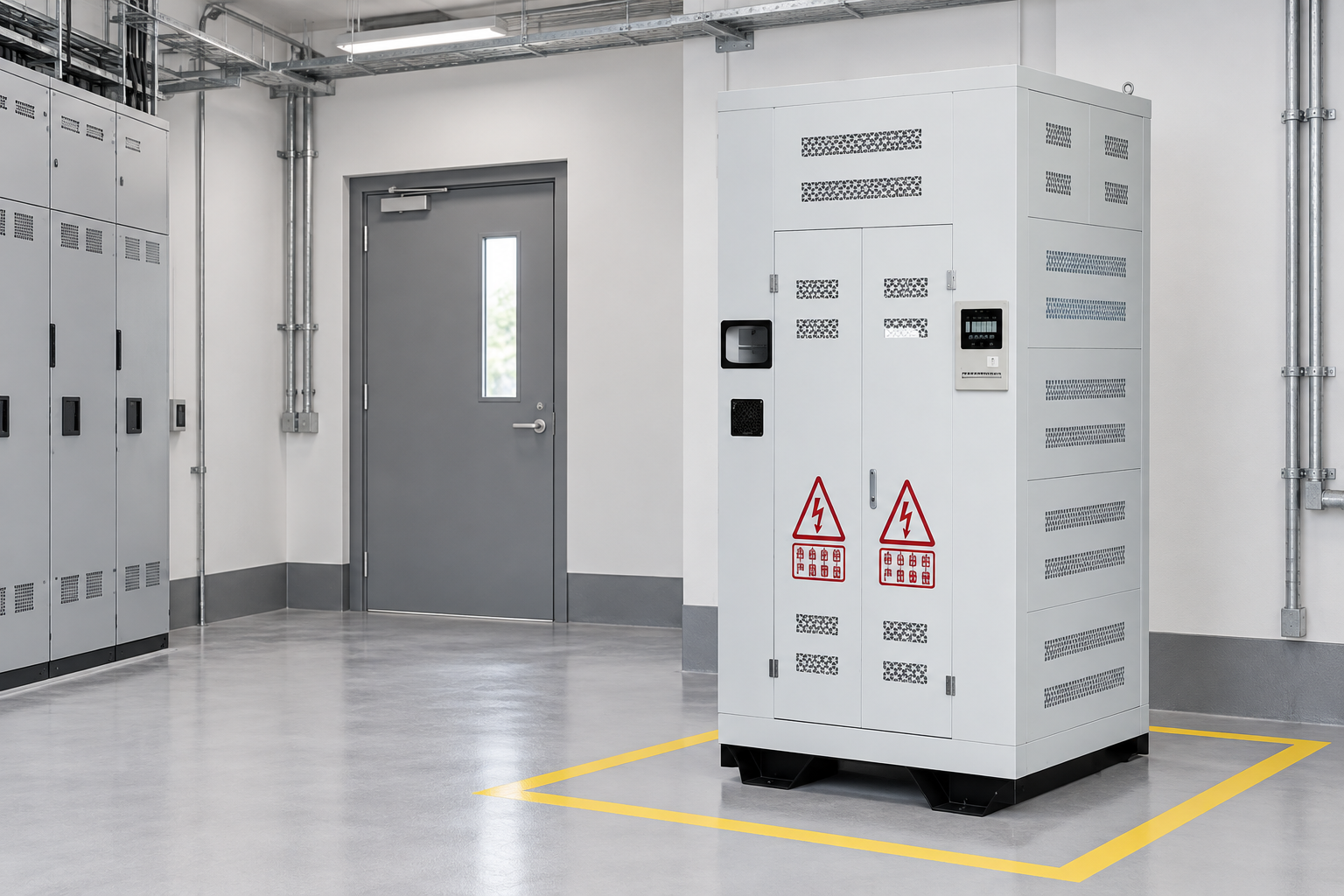
LBAJI’s SCB resin-insulation transformer reference includes an open transformer and a closed enclosure view. That photograph helps identify the product family and the visible arrangement; it does not prove a particular IP classification, thermal rating or suitability for the buyer’s location. Send the project exposure description and required configuration with the enquiry so the supplier can respond to the actual application.
Keep product identification, enclosure performance and room installation evidence linked but separate. The useful deliverable is an agreed assembly with traceable operating conditions and a complete interface plan. This approach also makes later changes easier to review because the original assumptions are visible. When conditions change, revisit the relevant evidence rather than relying on the original photograph or an abbreviated quotation description.
Preguntas frecuentes
Is a higher IP rating always better for a dry-type transformer?
Select the required protection together with cooling and service conditions. A different enclosure may change airflow and the evidence needed to support the offered rating. A higher number alone does not establish a better complete installation.
Can an indoor transformer enclosure be used outdoors?
Do not assume so. Obtain the supplier’s declared suitability for the actual outdoor exposure, complete configuration and installation conditions, then have the responsible engineer check these against the project requirements.
Does the product photograph prove the enclosure rating?
No. Photographs identify visible features. Request the declared classification, applicable configuration, relevant evidence and instructions for completing installation interfaces.
Who is responsible for preserving protection at cable entries?
Allocate that responsibility explicitly between the supplier, installer and acceptance team. The approved drawings should identify components and methods; final records should identify who completed and checked each interface.
Related equipment and guides
- LBAJI SCB resin-insulation dry transformer
- Dry Type Transformer: Types, Ratings, Design & Selection
- Instalación interior de transformadores de tipo seco: Requisitos de ventilación y espacio libre
- Guía de selección de aislamiento tipo seco y clase de temperatura
Technical references
- IEC 60529: enclosure protection classification
- IEC 60076-11:2018: dry-type transformer scope
- HSE HSG85: Electricity at work, safe working practices
Further learning
This independent video explains enclosure protection codes; it does not classify the illustrated transformer. Source: John Ward (jwflame).