
Blog

Boîtes de distribution d'électricité : Guide

Un coffret de distribution électrique reçoit une alimentation électrique et la répartit dans des circuits branchés protégés grâce à des disjoncteurs, des bus, des bornes et un boîtier. La sélection commence par la tension, la phase, la charge, la vitesse de courant, les pannes…
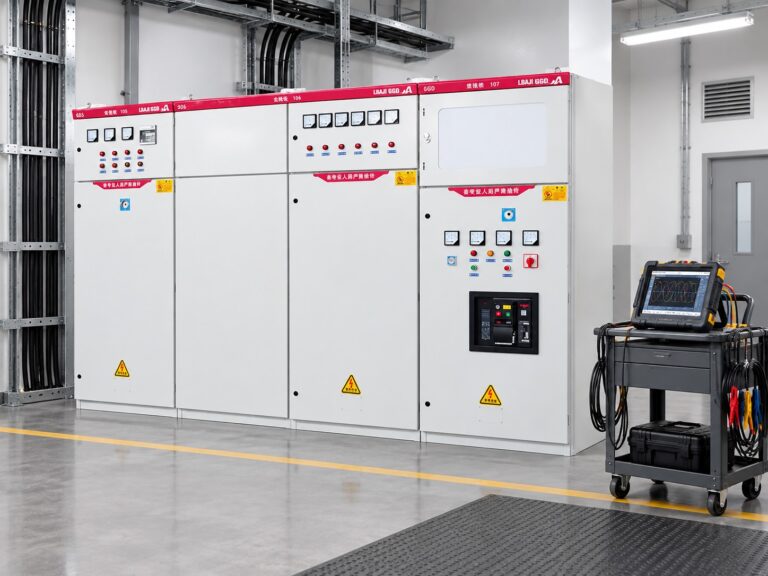
Panneau de distribution 125V DC : Guide

A 125V DC distribution panel distributes branch circuits from defined positive and negative DC rails. The panel rating, feeder, return conductor, grounding, breaker family, available fault current and enclosure must all be verified. “125 V” describes the nominal circuit voltage;…

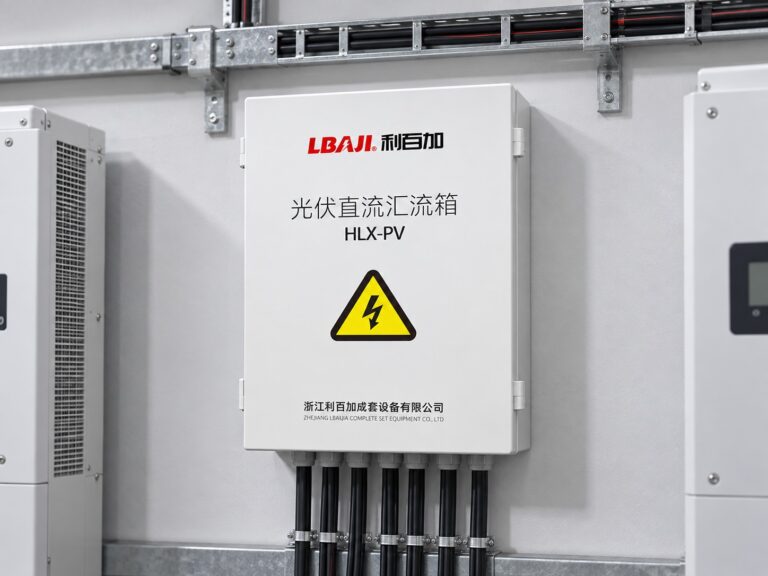
Boîte combinée à 1000 V CC : Guide

Une boîte combinée à 1000 V CC collecte les circuits photovoltaïques avant un convertisseur ou un alimentateur de collection à 1000 V CC. Dans cette classe de tension, la coordination des isolations, l’interruption des arcs, la distance de jeu, la distance de sécurité, la polarité et les surtensions…

Dispositif de protection GIS 33 kV : Guide

33kV GIS switchgear is a medium-voltage gas-insulated assembly for switching, protection, isolation and distribution at 33 kV. The primary conductors, busbars and switching devices are enclosed in grounded compartments…

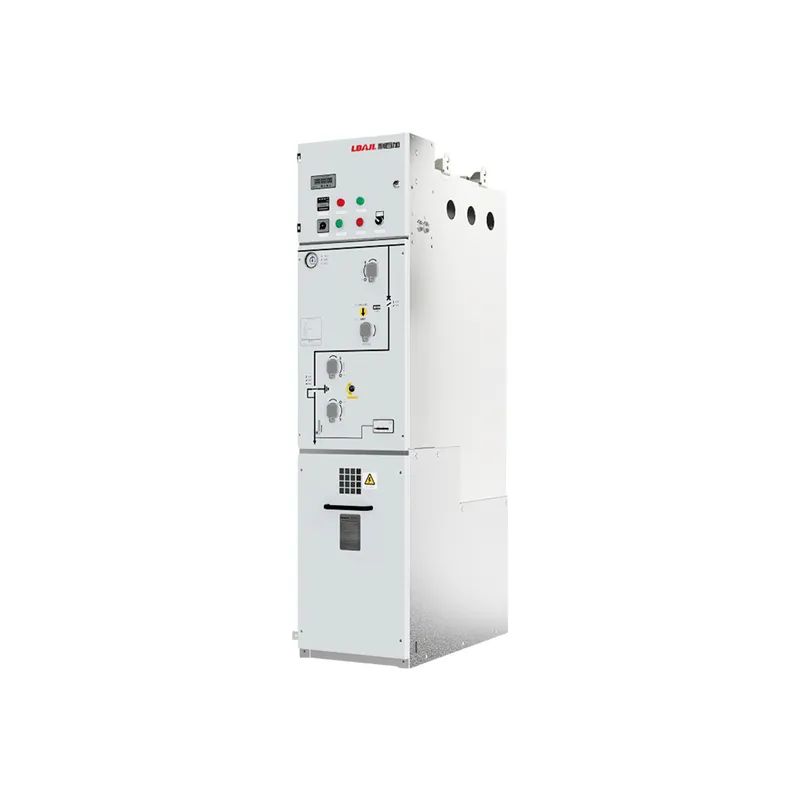
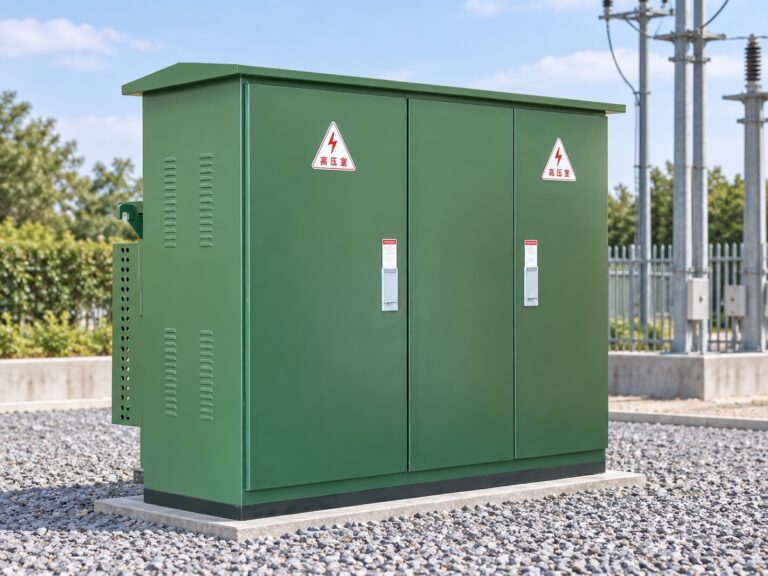
LBAJI electrical equipment illustration for Complete Guide to Ring Main Units

Guide complet des unités principales de raccordement

Ring main units (RMUs) in electrical distribution are compact medium-voltage assemblies used to switch, protect and sectionalize ring or radial feeders. An RMU normally combines load-break switches, an earth switch,…

Panneau de distribution 120 V AC : Guide

A 120V AC distribution panel distributes single-phase branch circuits from a defined line-to-neutral or line-to-line source. The panel rating, feeder, neutral, grounding, breaker family, available fault current and enclosure must all be verified. “120 V” describes the nominal circuit voltage;…

LBAJI electrical equipment illustration for Power Factor Of Motor

Facteur de puissance du moteur : Guide

The power factor of a motor describes how effectively the motor converts apparent electrical power into real mechanical output. Induction motors normally have lagging power factor because their magnetic field requires reactive current. The value changes with load, voltage, speed,…