
Catégorie : News

What Does an Electrical Transformer Do?

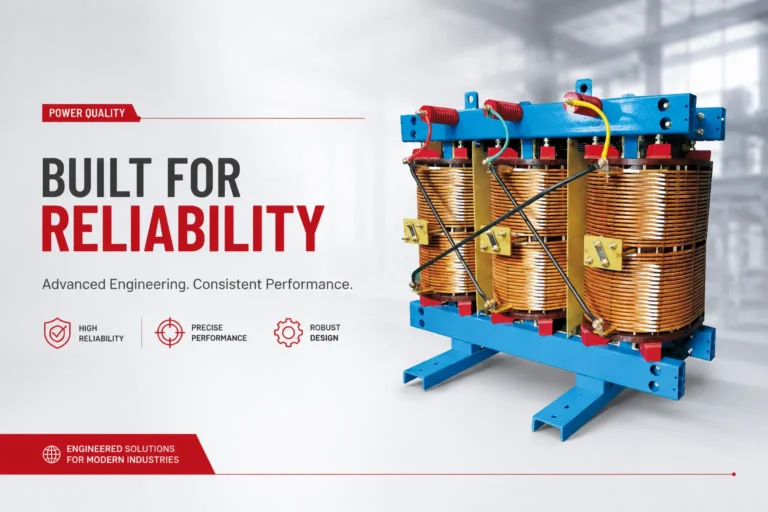
The main purpose of an electrical transformer is to change voltage levels—either stepping them up or stepping them down to enable safe and efficient power transmission. Using electromagnetic induction, transformers transfer electricity between circuits without generating power themselves. High voltages are used for long-distance transmission to minimize energy loss, then reduced for safe use in homes and businesses. Conversely, heavy industries may require stepped-up voltages for large machinery. By regulating voltage appropriately, transformers ensure electrical systems operate reliably across residential, commercial, and industrial applications.

What is Another Name for an Isolation Transformer?

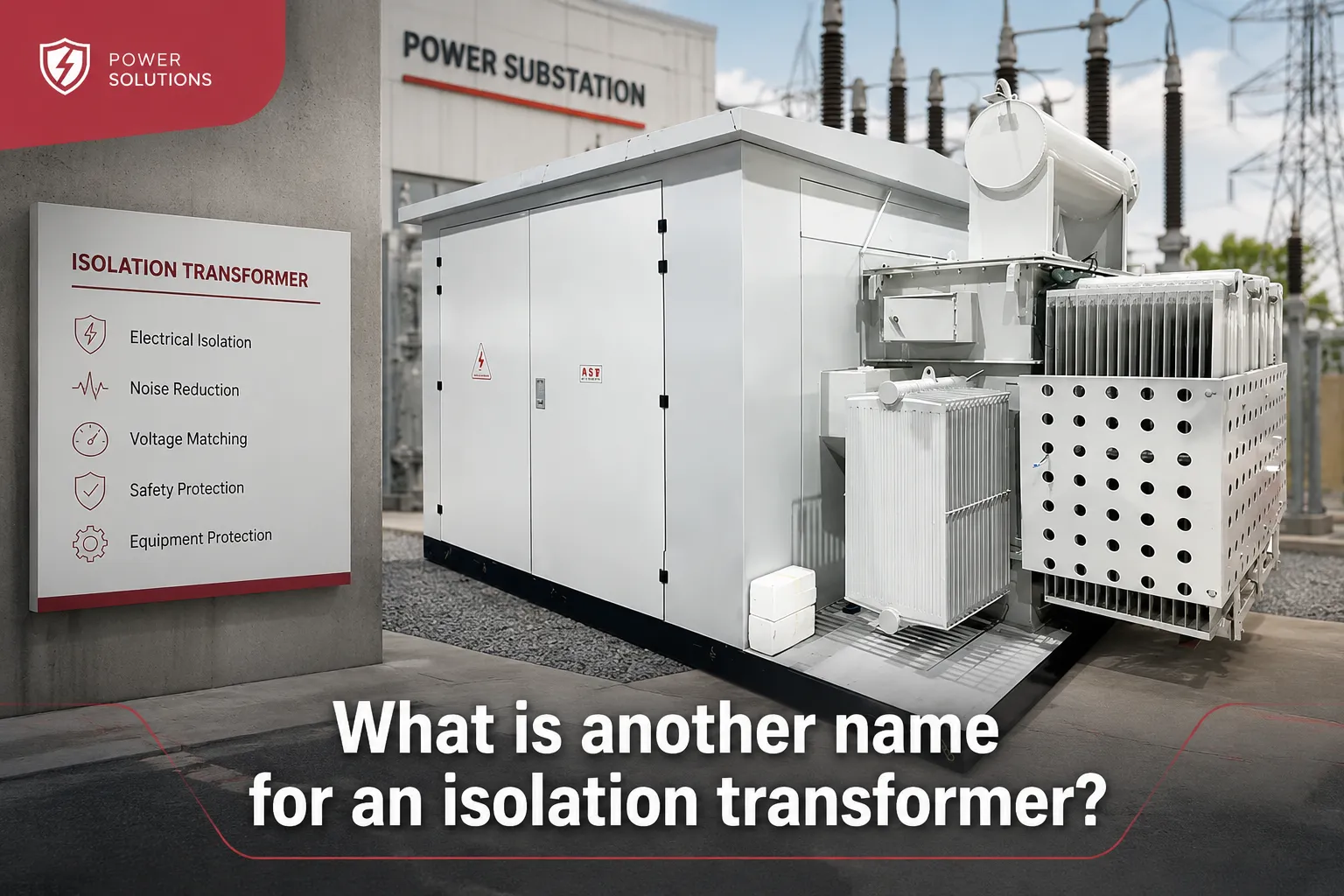
An Isolation transformer is an electrical device specifically designed to transfer electricity to a device through electromagnetic induction without connecting the device directly to the electrical system supplying power to it. As such, isolation transformers provide electrical isolation between the powered device and the electrical source supplying electricity to it. Isolation transformers can also be used to protect sensitive equipment from being damaged by electronic noise from other devices. Additionally, these devices are commonly used to provide distortion-free transmission of data through wires utilizing isolated circuits.

Basic Principles of Power Transformers

This part explains the core working principle (electromagnetic induction), the main components (primary and secondary windings, magnetic core, insulating material), and the fundamental mechanism behind stepping voltage up or down. It serves as the knowledge hub for understanding how a power transformer works, and all other sections—the definition, performance parameters, applications, and conclusion—build upon the basic principles laid out in this section.