Publié le 2 juin 2026
|
Auteur : wp_kexun
Un
Transformateur d'isolement est utilisé pour aider à séparer un circuit d'un autre pour des raisons de sécurité, de réduction du bruit et d'amélioration des performances. Le terme “ transformateur d'isolement ” peut également être utilisé de manière interchangeable avec d'autres types d'équipements par ceux qui travaillent dans les systèmes électriques. Dans cet article, nous détaillerons comment un transformateur d'isolement est communément appelé, ce qu'il fait et comment il est utilisé dans de nombreux endroits différents.
Qu'est-ce qu'un transformateur d'isolement ?
Un transformateur d'isolement est un appareil électrique spécialement conçu pour transférer de l'électricité vers un appareil par induction électromagnétique sans connecter directement l'appareil au système électrique qui l'alimente. À ce titre, les transformateurs d'isolement assurent une isolation électrique entre l'appareil alimenté et la source électrique qui lui fournit de l'électricité. Les transformateurs d'isolement peuvent également être utilisés pour protéger des équipements sensibles contre les dommages causés par le bruit électronique provenant d'autres appareils. De plus, ces appareils sont couramment utilisés pour assurer une transmission de données sans distorsion via des câbles utilisant des circuits isolés.
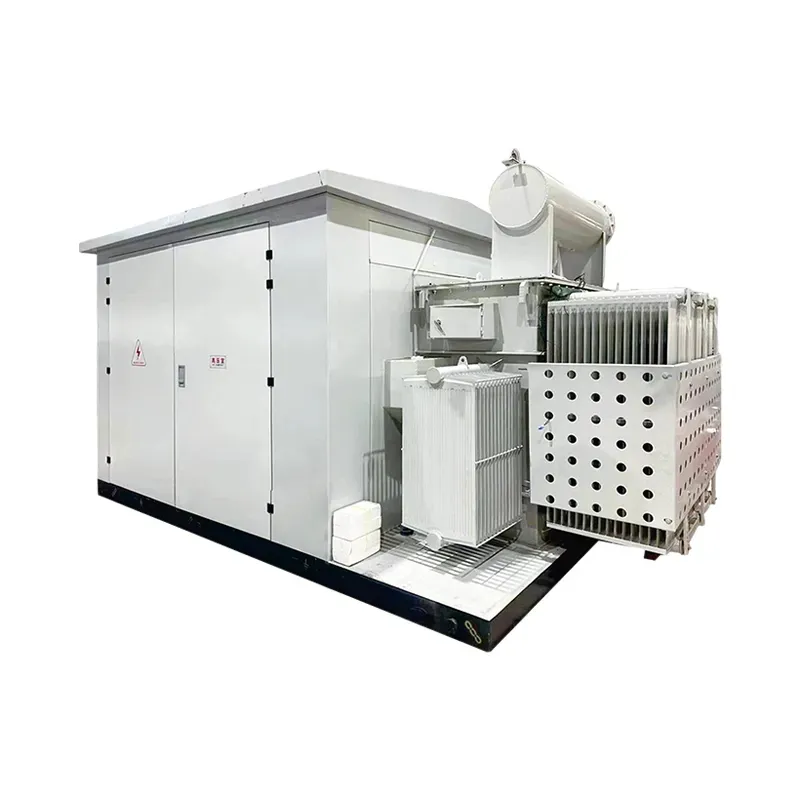
Qu'est-ce qu'un transformateur d'isolement est aussi connu sous le nom de ?
De nombreuses personnes travaillant dans le domaine peuvent les appeler par des noms différents en fonction de leur fonction ou de leur utilité, tels que les transformateurs “ d'isolement ”. D'autres termes courants pourraient être :;
- Transformateur d'isolement pour variateur
- Transformateur d'isolement triphasé
- Transformateur d'isolement pour variateur
Ces mots décrivent tous différentes manières de présenter des produits utilisant la même technologie, mais peuvent différer en ajoutant des caractéristiques à leur description standard, comme l'inclusion d'utilisations supplémentaires en plus d'alimenter un type d'appareil particulier.
Comprendre les types de transformateurs
Il existe une grande variété de transformateurs, et chacun a sa propre fonction dans le monde. Connaître ces différents types peut aider à expliquer la place des transformateurs d'isolement parmi eux.
- Transformateur élévateurAugmente la tension du côté primaire vers le côté secondaire.
- Transformateur abaisseurRéduit la tension du côté primaire vers le côté secondaire.
- Transformateur d'isolementFournit une isolation électrique entre les circuits.
- AutotransformateurUn transformateur où le primaire et le secondaire partagent un seul enroulement.
Conformément aux besoins de l'application, chaque sujet remplit un objectif unique ; ainsi,
transformateurs d'isolement sont essentiels pour répondre de manière sûre et cohérente aux besoins de performance de votre application.
Applications des transformateurs d'isolement
Les différents secteurs qui utilisent des transformateurs d'isolement pour la sécurité et où l'on peut obtenir les meilleurs résultats comprennent, sans s'y limiter :
- Équipement médical, garantissant la sécurité des patients et l'intégrité des signaux.
- Centres de données, minimisant les erreurs de transmission de données et réduisant les interférences électromagnétiques.
- Systèmes d'alimentation industriels, protection contre les transitoires et les surtensions.
Les transformateurs d'isolement continuent d'être extrêmement utiles et largement applicables en raison de leur adaptabilité.
Foire aux questions (FAQ)
Le but principal des transformateurs d'isolement est d'isoler les circuits électriques pour réduire le risque de choc électrique, de diminuer le bruit électronique et d'améliorer la qualité de la transmission des données.
1. Un transformateur d'isolement peut-il être utilisé avec des circuits à courant alternatif et continu ?
Les transformateurs d'isolement sont conçus pour être utilisés dans des circuits à courant alternatif (CA). La raison en est que leur fonctionnement repose sur le principe de l'induction électromagnétique, qui exige que le courant soit alternatif.
2. Quelle est l'importance d'utiliser un transformateur d'isolement pour tous les appareils médicaux ?
Les transformateurs d'isolement sont très importants dans tout établissement médical car ils assurent la sécurité électrique des patients, protègent contre les courts-circuits électriques et permettent aux appareils médicaux sensibles de fonctionner correctement.
Pour conclure,
transformateurs d'isolement sont un élément critique au sein d'un système électrique, offrant un certain degré de sécurité aux opérateurs tout en contribuant à l'efficacité du fonctionnement de nombreuses applications complexes. Le terme de transformateur d'isolement peut également être désigné par d'autres noms ; cependant, le fonctionnement fondamental de ces transformateurs reste d'une importance égale pour toutes les industries. Les appareils connectés dans un système électrique sont isolés de la source électrique principale par un transformateur afin de contribuer à réduire les risques, à éviter la dégradation de la qualité du signal et à offrir une alimentation continue. Les progrès continus de la technologie ne feront qu'accroître le besoin d'un isolement efficace, consolidant le rôle du transformateur d'isolement en tant que partie intégrante de la gestion d'un système d'alimentation électrique.