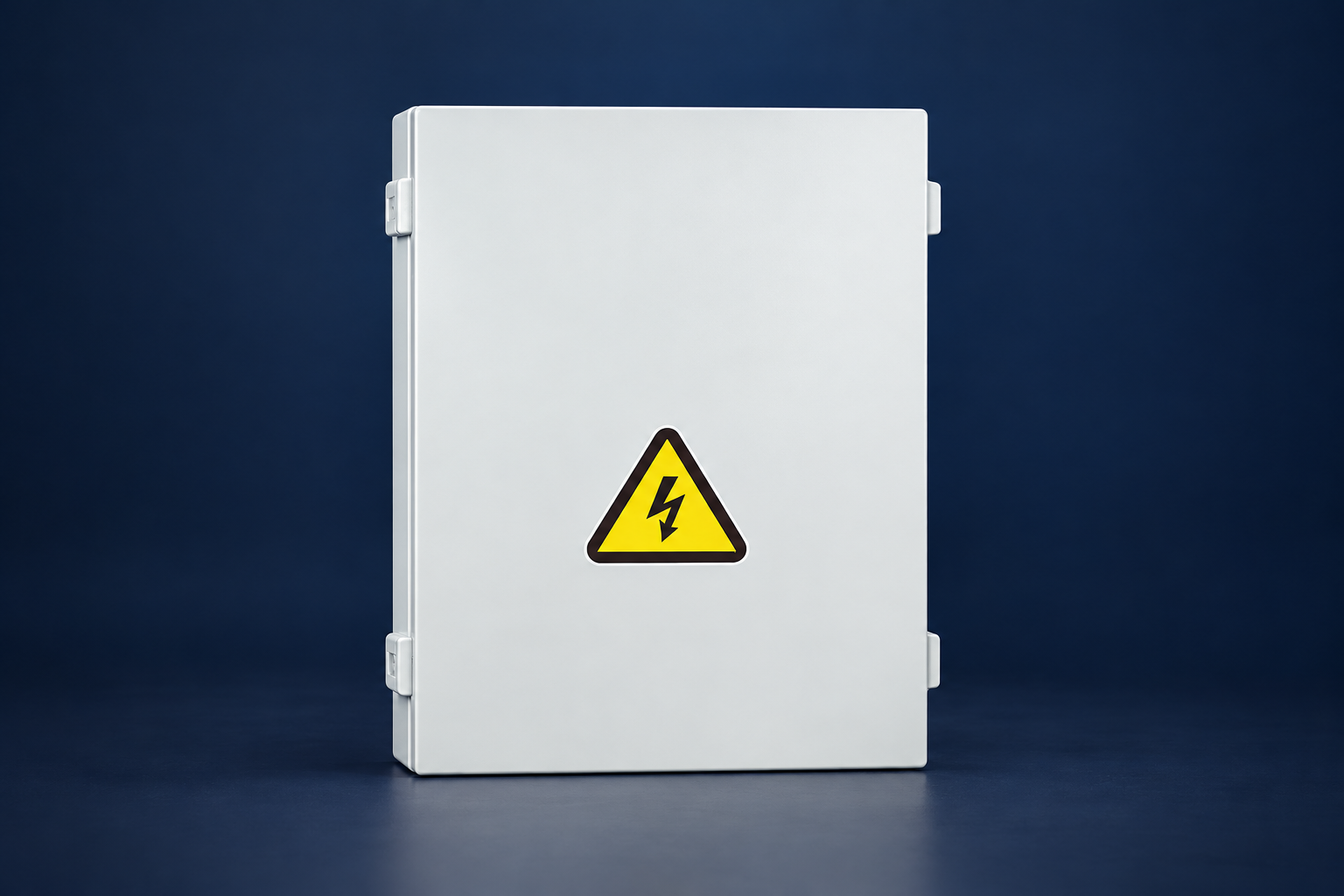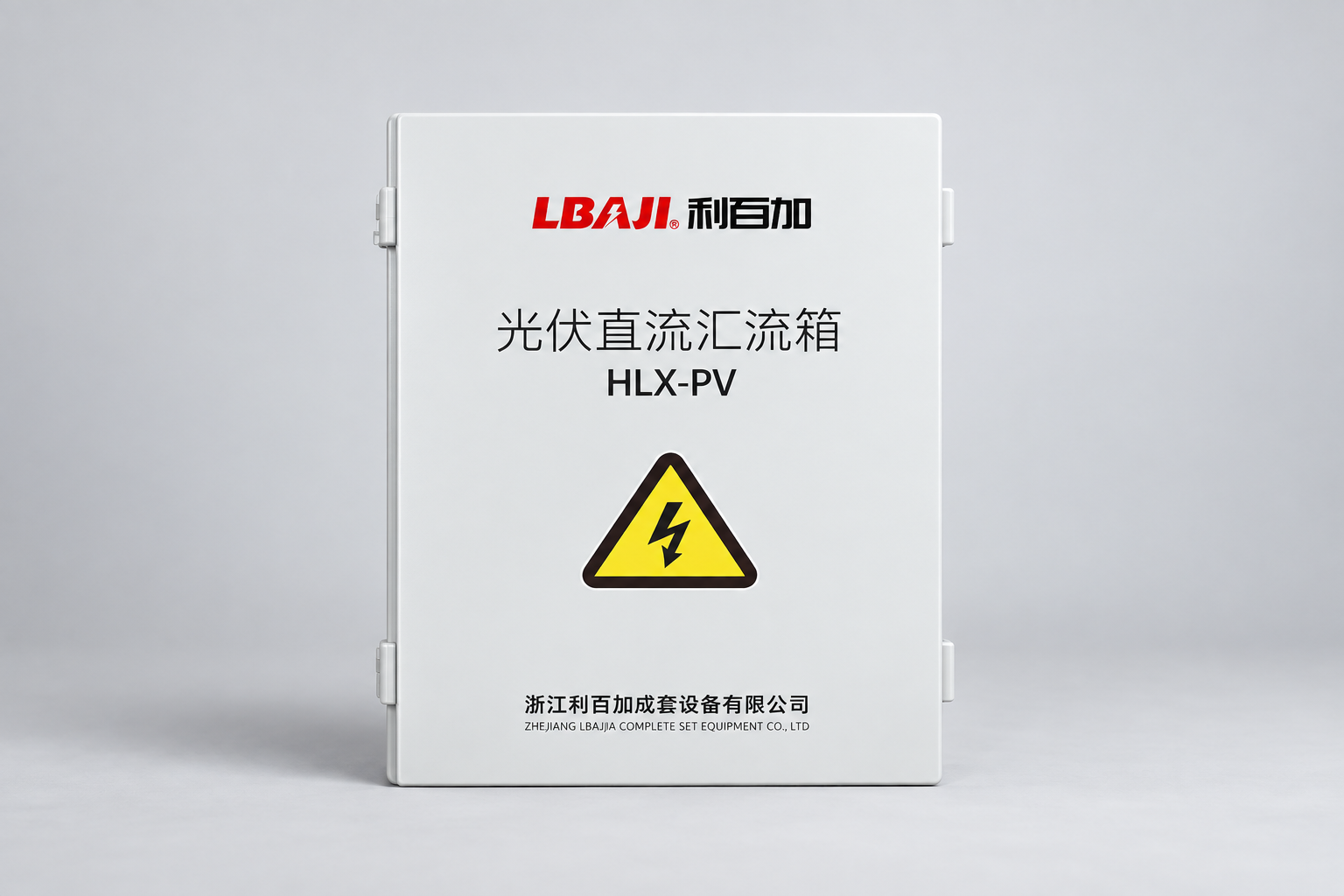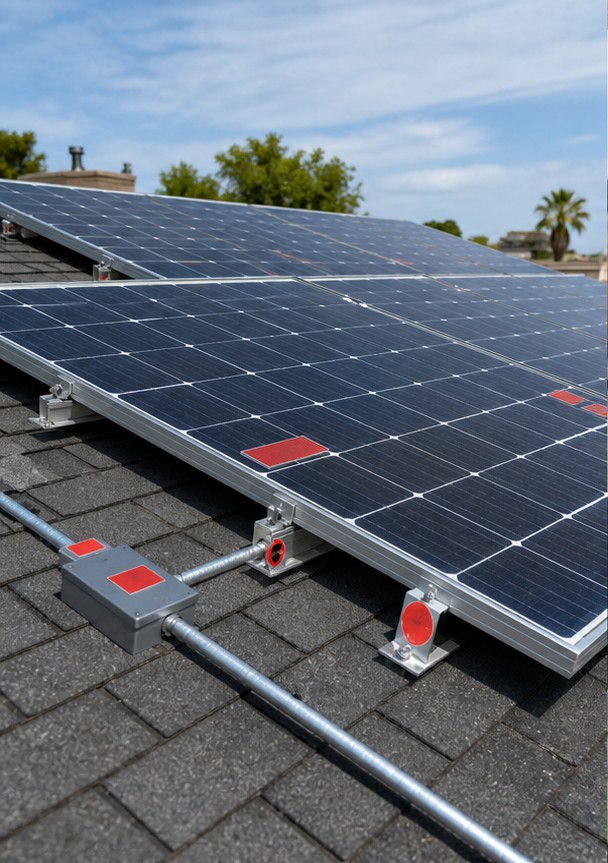

A solar panel combiner box brings multiple photovoltaic (PV) string circuits together before an inverter or DC distribution point. Depending on the design, it also provides string overcurrent protection, a DC-rated disconnect, surge protection and monitoring. Select it from the number of strings, the cold-weather maximum open-circuit voltage, corrected short-circuit current, inverter input limits and installation environment—not the panel wattage alone. A separate box is not always necessary when an inverter already provides the required combining and protection. The final arrangement must be checked against the adopted electrical code and the equipment instructions.
Key Selection Points
- Count the strings feeding each inverter input or MPPT; do not join unrelated MPPT groups on one output.
- Check the maximum cold-weather string voltage against every DC component rating.
- Document string protection, output current, enclosure conditions and the approved one-line diagram before ordering.
Vị trí đặt hộp gom (combiner box)

Mỗi chuỗi mô-đun được mắc nối tiếp đến tủ gom điện bằng các dây dẫn dương và âm. Cầu chì hoặc cầu dao bảo vệ từng chuỗi riêng lẻ khi cần thiết, các thanh cái gom chúng lại, và một cặp lớn hơn đi đến bộ biến tần hoặc thiết bị ngắt kết nối một chiều (DC). Các hệ thống có một hoặc hai chuỗi có thể không cần tủ gom điện riêng; bộ biến tần có thể đã tích hợp sẵn chức năng này.
Solar Combiner Box Selection Checklist
The first design question is whether strings are meant to combine at all. The array layout, inverter input and protective-device requirements control that choice. IEC 62548-1 addresses PV array wiring, electrical protection, switching and earthing. Use the edition adopted for the project, plus local rules and manufacturer instructions, before fixing component ratings.
| Quyết định | Information to collect | What the selected box must match |
|---|---|---|
| Input circuits | Strings per inverter input or MPPT, polarity and spare capacity | Protected input positions and the intended one-line arrangement |
| DC voltage | Module Voc, modules per string and lowest expected cell temperature | Maximum rating of the enclosure assembly, fuses, holders, switch and SPD |
| Hiện tại | Module Isc, parallel strings and adopted-code correction factors | String devices, output bus, terminals and conductor ratings |
| Bảo vệ | Module maximum series fuse rating and reverse-current exposure | PV-rated fuses or breakers and documented interruption duty |
| Cài đặt | Indoor/outdoor location, heat, UV, water, corrosion and access | Enclosure rating, cable entries, thermal design and maintenance clearance |
| Giám sát | Fault detection and reporting requirements | Current sensors, alarm interfaces and power supply where specified |
Các thành phần cốt lõi
Một hộp thông thường bao gồm các cầu chì ống an toàn khi chạm hoặc cầu dao DC, các thanh cái dương và âm, một thiết bị cách ly DC, thiết bị chống sét lan truyền loại 2 khi đánh giá rủi ro yêu cầu, các cọc tiếp địa, các đầu cáp (gland) và một vỏ bọc chống chịu thời tiết. Các phiên bản có tính năng giám sát sẽ bổ sung các cảm biến dòng điện và thiết bị truyền thông. Tất cả các thiết bị phải có định mức điện áp DC và khả năng ngắt mạch chính hãng.
Verify every fuse, switch and surge protective device is rated for the applicable DC voltage, current and interruption duty; confirm the offered part numbers on the approved schedule.
Tính toán kích thước Điện áp và Dòng điện
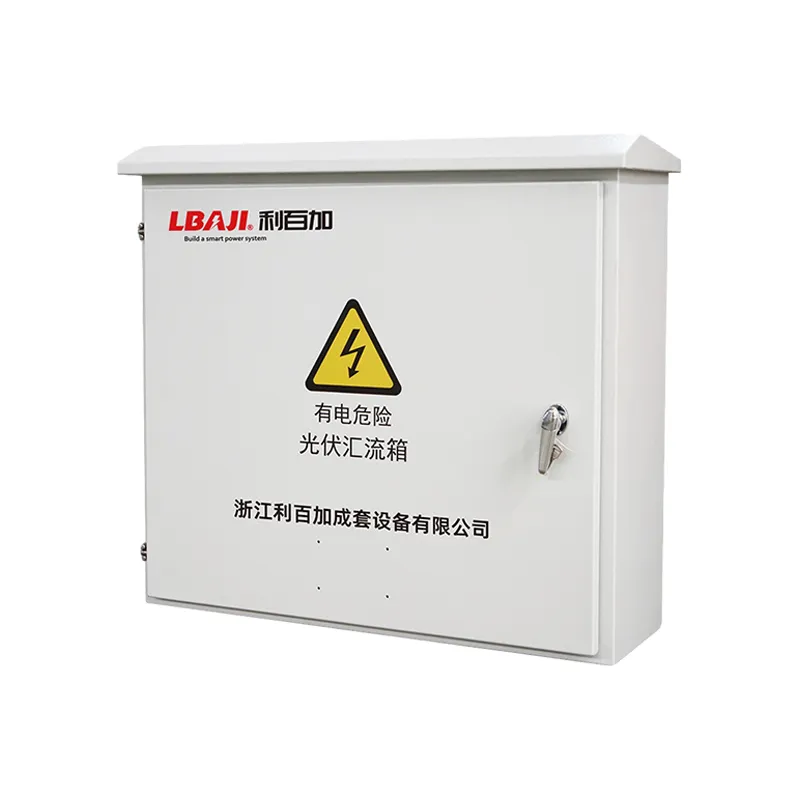
Hiệu chỉnh điện áp hở mạch của module theo nhiệt độ tế bào quang điện thấp nhất dự kiến và giữ cho điện áp chuỗi kết quả nằm dưới mức tối đa của mọi linh kiện. Hiệu chỉnh dòng điện ngắn mạch bằng các hệ số theo yêu cầu của tiêu chuẩn áp dụng, sau đó tính kích thước thiết bị bảo vệ chuỗi, dây dẫn ngõ ra kết hợp và thiết bị cách ly. Xác minh rằng giới hạn điện áp MPPT và dòng điện ngõ vào của bộ nghịch lưu không bị vượt quá.
Lựa chọn cầu chì và dòng điện ngược
Cầu chì chuỗi bảo vệ một chuỗi bị lỗi khỏi dòng điện ngược được cung cấp bởi các chuỗi mắc song song. Hãy sử dụng định mức cầu chì mắc nối tiếp tối đa của mô-đun, dòng điện chuỗi được tính toán và số lượng nguồn mắc song song. Cầu chì có giá trị chỉ bằng dòng điện hoạt động có thể bị đứt do hiện tượng giả; cầu chì có giá trị vượt quá giới hạn của mô-đun có thể không bảo vệ được các dây dẫn và mô-đun.
Keep the module maximum-series-fuse rating, corrected string current, expected reverse current and selected device rating together on the calculation record. Use the adopted code edition and module/inverter instructions for any required factors.
Thiết bị chống sét lan truyền (SPD), Nối đất và Cực tính
Chọn thiết bị chống sét lan truyền cho hệ thống tiếp địa PV và điện áp vận hành liên tục tối đa. Giữ cho các dây dẫn SPD ngắn và đi thẳng. Duy trì đúng cực tính trong suốt quá trình lắp đặt, nối đất phần kim loại để hở theo yêu cầu và không mặc định rằng dây dẫn âm được nối đất. Cực tính không chính xác có thể làm hỏng biến tần ngay cả khi hộp đấu nối trông có vẻ đúng.
Vỏ bọc ngoài trời và Danh mục kiểm tra RFQ
Xác định số lượng chuỗi, điện áp hở mạch (Voc) và dòng ngắn mạch (Isc) của module, dải nhiệt độ, điện áp tối đa của hệ thống, thông tin biến tần, cáp đầu ra, phương pháp nối đất, yêu cầu giám sát, cấp bảo vệ vỏ tủ, mức độ tiếp xúc ăn mòn và tiêu chuẩn. Đặt vị trí hộp đấu nối để giảm chiều dài cáp trong khi vẫn đảm bảo độ che bóng, khả năng thoát nước, khoảng không gian thao tác và lối tiếp cận an toàn.
Choose the Input Count and Keep MPPT Groups Separate
Count the physical strings that actually arrive at the box, not the number of modules. A four-string array needs four input positions if each string is landed separately. If the inverter has two independent maximum-power-point trackers, document which strings belong to each tracker. Do not combine unlike orientations or array groups into one bus and then split the output across independent inverter inputs without an approved design. String mismatch can reduce performance, and an incorrect connection can exceed input or protection limits.
Allow for planned expansion only where the output bus, conductors, protection and inverter input can also handle it. An empty terminal does not create spare electrical capacity. The input-count decision should appear on a one-line diagram with each string ID, module count, fuse position and output destination. That drawing is also useful for commissioning and later fault isolation.
Check Cold-Weather Voltage and Combined Current
Series module voltages add. Start with module open-circuit voltage and its temperature coefficient, then calculate the maximum string voltage at the lowest expected cell temperature. Compare that result with the DC voltage rating of every component in the current path, including fuse holders, disconnects, surge protective devices, busbars, terminals and the inverter input. A nominal operating voltage or room-temperature Voc is not enough. Do not rely on a catalogue headline if a component inside the assembly has a lower rating.
Parallel string currents add. The output path must carry the maximum corrected current of the strings assigned to it. For an illustrative arithmetic check, four identical strings at 12 A short-circuit current sum to 48 A before any adjustment required by the adopted code or module technology. That does not make a 48 A switch or conductor automatically suitable; the designer must apply the relevant factors, terminal temperature limits and continuous-duty rules. The University of Maryland Extension’s solar wiring and fusing guide explains why PV conductor and overcurrent choices follow the full circuit design.
Specify DC Protection, Disconnects and Surge Devices
String fuses or breakers are selected for the array’s possible reverse current, module maximum series fuse rating, calculated circuit current and available fault duty. They need a genuine DC rating at the system voltage. An AC-only breaker with a similar ampere number is not interchangeable with a PV DC device. UL Solutions lists separate applicable standards for PV fuses, disconnects, breakers, holders and combiner boxes; a project should request evidence for the complete offered assembly and its components rather than assume certification from a generic description.
A disconnect is intended to isolate a circuit under its rated conditions. A surge protective device has another function: limiting transient overvoltage. Neither replaces the other. Select SPD type, continuous operating voltage and coordination for the earthing arrangement and exposure. IEC 61643-32 covers PV SPD selection, installation and coordination. Keep the protective-earth path and SPD leads consistent with the approved design; poor routing can compromise protection.
Plan the Outdoor Enclosure and Maintenance Access
Combiner boxes often sit near an array, where solar heating, rain, ultraviolet exposure and cable movement matter. Specify the required enclosure protection level for the actual site, but also review heat rise inside the enclosure, gland sealing, drainage, corrosion, snow or dust exposure and safe working access. An IP label alone does not establish thermal performance or prove that an assembly suits a coastal or rooftop installation. Ask for the assembly drawing, enclosure material, cable-entry layout and environmental test evidence.
Place the box where string cables can be routed without excessive runs while preserving clear access for isolation, inspection and maintenance. Keep labels and circuit IDs readable. Confirm that technicians can identify each input and isolate the intended circuit without disturbing adjacent live circuits. PV strings may remain energized in daylight, so inspection and installation should follow qualified-person procedures and the equipment instructions.
Compare the Relevant LBAJI Equipment
The Hộp điện một chiều quang điện LHLX-PV24/Z/D is the relevant product family for string-side DC combining. Its public listing describes multiple input-count variants, but contains differing voltage statements across its text and table. Treat no voltage value from that page as a confirmed quotation. Request a current signed datasheet stating the exact input count, maximum DC voltage, per-input and total current, devices, enclosure and test basis for the proposed configuration.
The separate LHLX-AC photovoltaic bus box combines AC outputs after string inverters. It is not a substitute for DC string protection. For system context, use the PV combiner-box overview, , PV warning-label guide và PV connector guide. Send the one-line diagram and module/inverter data with an inquiry so the offered assembly can be checked against the actual system.
Các câu hỏi thường gặp
Does every solar array need a combiner box?
No. Small arrays or inverters with integrated combining and protection may not need a separate box.
Can AC breakers be used for PV strings?
Only devices specifically rated and listed for the DC voltage, current, polarity and interruption duty should be used.
How many strings can one combiner accept?
It depends on the number of protected inputs, bus rating and inverter input limits.
What causes a combiner box to overheat?
Loose terminals, undersized conductors, poor fuse contact, excessive current, solar heating and inadequate enclosure thermal design are common causes.
Is an SPD mandatory?
Requirements depend on the standard, lightning exposure, system layout and risk assessment, but it is often prudent or required.
Worked Procurement Example
Suppose a project has eight PV strings, grouped into two sets of four feeding two independent inverter MPPT inputs. The initial request is not simply “one eight-input box.” It should state whether the arrangement needs two independent four-input outputs in one assembly, two smaller boxes, or a manufacturer-approved alternative. Show the module count and orientation for each string, its cold-weather maximum voltage, Isc, maximum series fuse rating and the inverter’s input limits. Then state the site environment, monitoring need and required isolating arrangement.
Ask the supplier to mark the proposed one-line diagram with input and output terminal IDs, fuse or breaker ratings, DC disconnect rating, SPD data, enclosure details and all electrical ratings. Check that the quoted output is intended for the correct MPPT and that no return path, earthing connection or polarity is left implicit. This example contains no universal voltage or fuse size because those values come from the selected modules, inverter and adopted electrical rules.
Commissioning and Service Checks
Before energizing, compare labels and the as-built wiring with the approved one-line diagram. A qualified installer should verify polarity, continuity and insulation using procedures appropriate to the equipment and local code. Confirm the torque records for terminals where required, the fitted fuse or breaker type, SPD status, enclosure seals and the operation of the disconnect. Record string-current readings under comparable conditions so a later low-output investigation has a useful baseline. Do not use a current reading taken under different irradiance as proof that one string is defective.
Hồ sơ nghiệm thu cần lưu giữ
Lưu giữ bảng dữ liệu đã được phê duyệt, các bản vẽ, danh sách sai lệch, chứng chỉ vật liệu (nếu có), báo cáo thử nghiệm định kỳ và thử nghiệm đặc biệt, cài đặt bảo vệ, kết quả chạy thử nghiệm, hình ảnh và chi tiết nhãn mác cuối cùng. Ghi lại các điều kiện thử nghiệm cũng như các giá trị, vì nhiệt độ, phương pháp đo và kết nối có thể ảnh hưởng đến kết quả so sánh. Các tài liệu này thiết lập cơ sở ban đầu được sử dụng để điều tra các cảnh báo, thay đổi tải trọng hoặc sự xuống cấp trong tương lai. Chúng cũng ngăn chặn tình trạng đặt hàng thiết bị thay thế dựa trên mô tả không đầy đủ sau khi nhân sự hoặc nhà供应 thay đổi.
Solar PV System Video
NREL’s Solar 101 lecture, listed by the U.S. Department of Energy’s Building America Solution Center, explains the wider PV system in which a combiner may be used. It is background education, not wiring or certification instructions for a particular box.
Watch the NREL Solar 101 lecture on YouTube.
Kết luận
Hộp gom điện năng lượng mặt trời kết hợp đầu ra của nhiều chuỗi quang điện thành một đường cấp nguồn duy nhất, đồng thời cung cấp bảo vệ quá dòng cho chuỗi, cách ly một chiều (DC), và tùy chọn bảo vệ chống sét lan truyền cùng giám sát. Thiết bị này được kích thước dựa trên điện áp quang điện tối đa, dòng ngắn mạch đã hiệu chỉnh, số lượng chuỗi, định mức dây dẫn và ngõ vào của biến tần (inverter) - chứ không chỉ dựa trên công suất tấm pin. Hãy sử dụng dữ liệu dự án và các tiêu chí nghiệm thu đã được tài liệu hóa trước khi mua sắm, lắp đặt hoặc bảo trì.