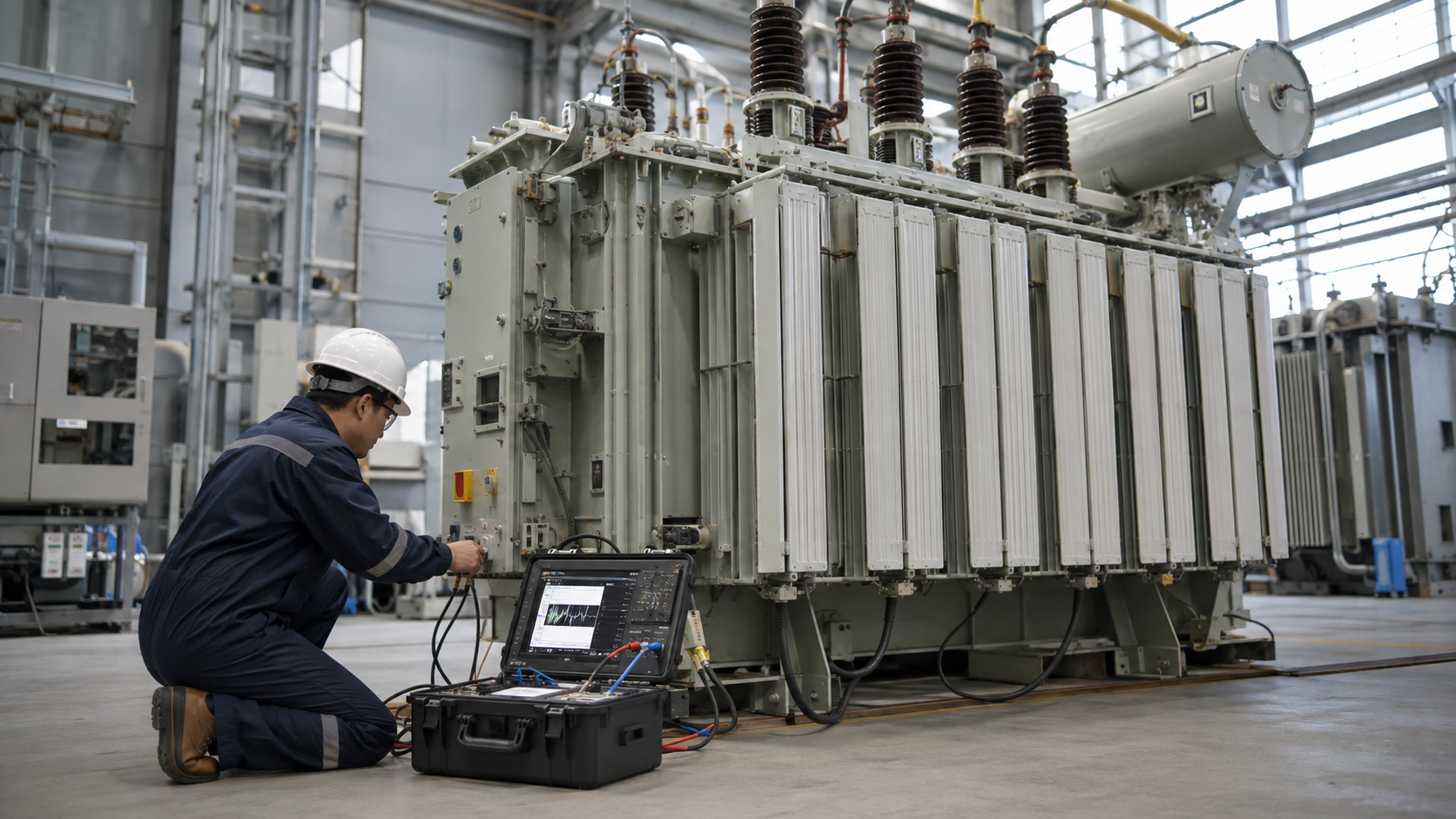

Sơ đồ máy biến áp gắn trên cột điện cần phân biệt mạch sơ cấp của ngành điện lực, thiết bị chống sét và cầu chì tự rơi, sứ cách điện sơ cấp của máy biến áp, các sứ cách điện hoặc đầu cực thứ cấp, dây trung tính, dây nối vỏ máy biến áp, dây dẫn nối đất và các dây dẫn dịch vụ khách hàng. Các tiêu chuẩn xây dựng tiện ích thực tế có sự khác biệt và thiết bị trên cột điện rất nguy hiểm. Chỉ sử dụng các sơ đồ cho mục đích hiểu và mua sắm; việc lắp đặt, đóng cắt và khoảng cách giải phóng thuộc trách nhiệm của đơn vị cung cấp điện và nhân viên đường dây có chuyên môn.
Những điểm chính
- Truyền năng lượng từ dây dẫn chính qua thiết bị bảo vệ đến máy biến áp và dịch vụ.
- Không được nhầm lẫn giữa dây trung tính hệ thống, dây liên kết bể chứa và dây điện cực nối đất.
- Các tiêu chuẩn ngành điện lực kiểm soát việc bố trí cột, khoảng cách an toàn và các mối nối.
Đọc Phía Sơ Cấp của Sơ đồ
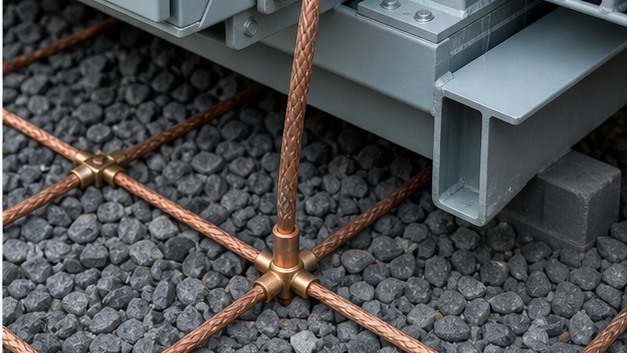
Dây dẫn chính cấp điện cho máy biến áp thông qua một cầu chì ống hoặc thiết bị bảo vệ khác. Cầu chì ống cung cấp tính năng bảo vệ quá dòng và một điểm ngắt mạch có thể nhìn thấy được theo các quy trình của ngành điện lực. Thiết bị chống sét van được nối giữa mạch sơ cấp và mặt đất để hạn chế quá điện áp do sét đánh hoặc do đóng cắt.
Dây dẫn đi vào sứ cách điện chính. Máy biến áp một sứ có thể sử dụng vỏ được nối đất hoặc kết nối bên trong làm đường hồi trong hệ thống đấu sao nối đất; các thiết bị hai sứ đưa cả hai đầu cực sơ cấp ra ngoài. Nhãn thông số và sơ đồ của đơn vị điện lực quyết định cách bố trí.
Ống lót hạ thế, dây trung tính và dây dẫn dịch vụ
Một thiết bị phân phối một pha thông thường ở Bắc Mỹ có hai cực thứ cấp bên ngoài và một điểm giữa (center tap). Điện áp giữa hai cực ngoài có thể là 240 V và điện áp từ mỗi cực ngoài đến điểm giữa là 120 V. Điểm giữa trở thành trung tính thứ cấp theo thiết kế nối đất của công ty điện lực.
Dây dẫn dịch vụ rời khỏi các cực thứ cấp về phía điểm kết nối của khách hàng. Kích thước dây dẫn, giới hạn dịch vụ, vòng nhỏ giọt, đầu nối và khoảng hở phải tuân theo các tiêu chuẩn của công ty điện lực và quy chuẩn hiện hành.
Đường nối đất và liên kết đẳng thế bồn chứa
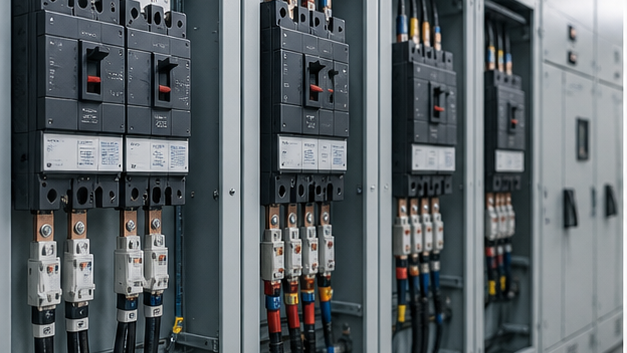
Bình chứa bằng kim loại, dây tiếp địa của thiết bị chống sét và trung tính của hệ thống có thể được nối với một dây dẫn nối đất chung theo tiêu chuẩn của công ty điện lực. Một điện cực nối đất tại cột điện giúp kiểm soát điện tiệm cận, nhưng nó không làm cho các dây dẫn gần đó an toàn khi chạm vào hoặc loại bỏ điện áp bước và điện áp chạm.
Một sơ đồ phải thể hiện việc nối đất/nối điện đẳng thế tách biệt với phần cứng lắp đặt vật lý. Các mối nối bị thiếu hoặc bị ăn mòn có thể tạo ra điện thế nguy hiểm và làm suy giảm khả năng chống sét lan truyền.
Chú giải sơ đồ máy biến áp gắn trên cột điện
| Mục sơ đồ | Hàm | Vị trí điển hình | Xác minh |
|---|---|---|---|
| Cầu chì tự rơi | Điểm bảo vệ quá dòng sơ cấp và cách ly | Cột điện phía trên máy biến áp | Cầu chì ống, điện áp và tiêu chuẩn ngành điện |
| Thiết bị chống sét | Giới hạn quá áp đầu vào | Gần ống lót chính | Đánh giá, chiều dài dây dẫn và đường dẫn nối đất |
| Sứ cao thế | Dẫn dây dẫn chính vào trong bình | Vỏ máy biến áp | Thiết kế một hoặc hai ống lót |
| Ống lót thứ cấp | Điện áp cung cấp | Thân bồn hoặc nắp bồn | Cực tính, điện áp và giao diện dây dẫn |
| Xe tăng/mặt đất trung lập | Liên kết kim loại và thiết lập tham chiếu | Đầu nối dây tiếp địa của bồn vào cột điện | Sơ đồ nối đất thông mạch và tiện ích |
Các máy biến áp một pha và các dãy máy biến áp ba pha
Một máy biến áp thường phục vụ các tải một pha. Ba thiết bị có thể tạo thành một giàn biến áp với các kiểu đấu nối tam giác - tam giác, tam giác - sao, sao nối đất hoặc các kiểu đấu nối khác được công ty điện lực phê duyệt. Mỗi sơ đồ giàn biến áp phải thể hiện pha sơ cấp và thứ cấp, cực tính và cách xử lý dây trung tính.
Các máy biến áp đấu tam giác hở (open-delta) sử dụng hai máy biến áp và cung cấp công suất ba pha bị giảm. Chúng yêu cầu phải được đánh giá kỹ thuật về tải, mất cân bằng điện áp, sóng hài và bảo vệ; chúng không được tạo ra đơn giản bằng cách bỏ bớt một thiết bị khỏi bất kỳ tổ hợp ba máy biến áp nào.
Xác thực kỹ thuật và Giới hạn an toàn
Hướng dẫn này hỗ trợ việc lập thông số kỹ thuật và mua sắm; tài liệu này không thay thế cho nghiên cứu dự án, quy chuẩn hiện hành, hướng dẫn của nhà sản xuất hoặc công việc của nhân viên điện có chuyên môn. Hãy xác minh các nội dung sau trước khi lựa chọn thiết bị, thử nghiệm, đấu dây hoặc đóng điện:
- Xem tất cả thiết bị lắp trên cột điện là thiết bị do đơn vị điện lực quản lý và có khả năng mang điện.
- Xác định cực tính, điện áp và sơ đồ bố trí sứ cách điện trên nhãn thông số trước khi đọc sơ đồ.
- Sử dụng các tiêu chuẩn xây dựng công trình tiện ích công cộng cho khoảng cách an toàn và kết cấu khung.
- Phối hợp thiết bị chống sét, cầu chì cắt và dây tiếp địa với các đường dẫn ngắn, trực tiếp.
- Xác minh pha và thứ tự pha của máy biến áp trước khi kết nối các dịch vụ ba pha.
Thông tin cần đưa vào Yêu cầu báo giá
Một báo giá hữu ích phải dựa trên cùng một ranh giới kỹ thuật cho mọi nhà cung cấp. Hãy bao gồm các thông tin sau và yêu cầu liệt kê rõ ràng mọi sai lệch:
- Điện áp hệ thống sơ cấp, nối đất và yêu cầu về một hoặc hai ống lót sứ.
- Điện áp thứ cấp, số pha, điểm giữa (center tap) hoặc trung tính và kVA.
- Giá đỡ lắp cột, khả năng nâng, kích thước bình và lớp sơn hoàn thiện chống ăn mòn.
- Phạm vi cung cấp gồm sứ xuyên, đầu cáp, chống sét và cầu chì tự rơi.
- Bản vẽ tiện ích, tổn thất, trở kháng, thử nghiệm và phụ kiện.
Từ Dữ liệu Kỹ thuật đến một Quyết định được Phê duyệt
Sử dụng quy trình đánh giá theo từng giai đoạn thay vì phê duyệt kết quả khớp danh mục đầu tiên. Bắt đầu bằng việc đọc phần chính của sơ đồ, sau đó đối chiếu các ống sứ thứ cấp, dây dẫn trung tính và dây dẫn dịch vụ với liên kết vỏ thùng và đường dẫn nối đất. Hoàn thành việc đánh giá với các thiết bị một pha và các dãy ba pha. Tại mỗi giai đoạn, hãy ghi lại tài liệu nguồn, đơn vị, trường hợp vận hành và người chịu trách nhiệm phê duyệt. Điều này ngăn chặn việc một giá trị được sao chép từ bản vẽ cũ, nhãn hệ thống danh định hoặc sản phẩm không liên quan trở thành đầu vào thiết kế không được kiểm soát.
Trước khi nghiệm thu, hãy so sánh phản hồi của nhà thầu từng dòng một với Yêu cầu báo giá (RFQ) và đánh dấu mọi điểm ngoại lệ. Xác nhận rằng các bản vẽ, tính toán, thông số cài đặt, chứng chỉ và báo cáo thử nghiệm đều đề cập chính xác đến mẫu và phiên bản được chào thầu. Lưu giữ hồ sơ trình duyệt đã được phê duyệt, dữ liệu trên nhãn thiết bị, kết quả thử nghiệm tại xưởng và các thông số đo đạc khi chạy thử làm cơ sở bảo trì. Nếu có sự thay đổi về định mức, kết nối, môi trường hoặc điều kiện thử nghiệm, hãy lặp lại việc đánh giá đối với phần bị ảnh hưởng thay vì giả định rằng kết luận ban đầu vẫn còn giá trị.
Việc kiểm soát tài liệu phải xác định được phiên bản, trạng thái phê duyệt và các tệp bị thay thế. Các đội ngũ hiện trường phải nhận được các giá trị đã được phê duyệt giống nhau được sử dụng cho việc mua sắm, trong khi các hồ sơ chạy thử phải ghi lại mọi thay đổi được ủy quyền thực hiện trong quá trình lắp đặt. Khả năng truy xuất nguồn gốc này đặc biệt quan trọng khi thiết bị được thay thế nhiều năm sau đó: kỹ sư tiếp theo cần các giao diện đã được xác minh và lịch sử kiểm tra, chứ không phải là một mô tả chưa đầy đủ được sao chép từ đơn đặt hàng.
Thông tin bao quát dựa trên kết quả tìm kiếm hiện tại
Top 20 bài đánh giá hàng đầu hiện tại trên Google tại Mỹ liên tục đề cập đến các chủ đề bao gồm Máy biến áp gắn cột ba pha, Sơ đồ máy biến áp gắn cột, Máy biến áp gắn cột 15 kVA là gì?, Nhà sản xuất máy biến áp gắn cột hàng đầu là ai?, Các kết nối. Bài viết giải đáp các nhu cầu đó của người dùng theo trình tự kỹ thuật và mua sắm ban đầu; các nội dung điều hướng thương hiệu đối thủ và tài liệu bán hàng không liên quan đã được loại bỏ.
Tài liệu LBAJI liên quan
Tiếp tục với hướng dẫn sơ đồ đấu dây máy biến áp Hướng dẫn về máy biến áp điện sản phẩm máy biến áp. Những tài nguyên này giúp kết nối việc tính toán hoặc quyết định lựa chọn linh kiện với một bảng thông số kỹ thuật hoàn chỉnh của máy biến áp, thiết bị đóng cắt, thiết bị điều khiển hoặc thiết bị phân phối.
Tài liệu tham khảo kỹ thuật và Đọc thêm
- Quy định của OSHA về Phát điện, Truyền tải và Phân phối Điện năng — Các yêu cầu an toàn đối với công việc điện dân dụng và công nghiệp.
- Máy biến áp phân phối của Bộ Năng lượng Hoa Kỳ — Các nguồn lực máy biến áp phân phối.
- Hiệp hội Tiêu chuẩn IEEE — Máy biến áp phân phối và các tiêu chuẩn ngành điện lực.
Kết luận
Sơ đồ máy biến áp treo cột hữu ích cho thấy các chức năng bảo vệ, đầu cực sơ cấp và thứ cấp, trung tính và nối đất là các chức năng riêng biệt. Bản vẽ thi công đã được phê duyệt và nhãn thông số của đơn vị cung cấp điện lực luôn được ưu tiên hơn so với một bản phác thảo mang tính giáo dục chung.