
Power transformers are essential to the modern grid, moving electrical energy between locations and enabling bulk transfer from remote generation plants to load centers. Understanding how they work and their role in the system clarifies their importance. This article covers the basic operating principles, performance characteristics, and common types of power transformers to give a complete picture of these critical assets.
What is a Power Transformer?
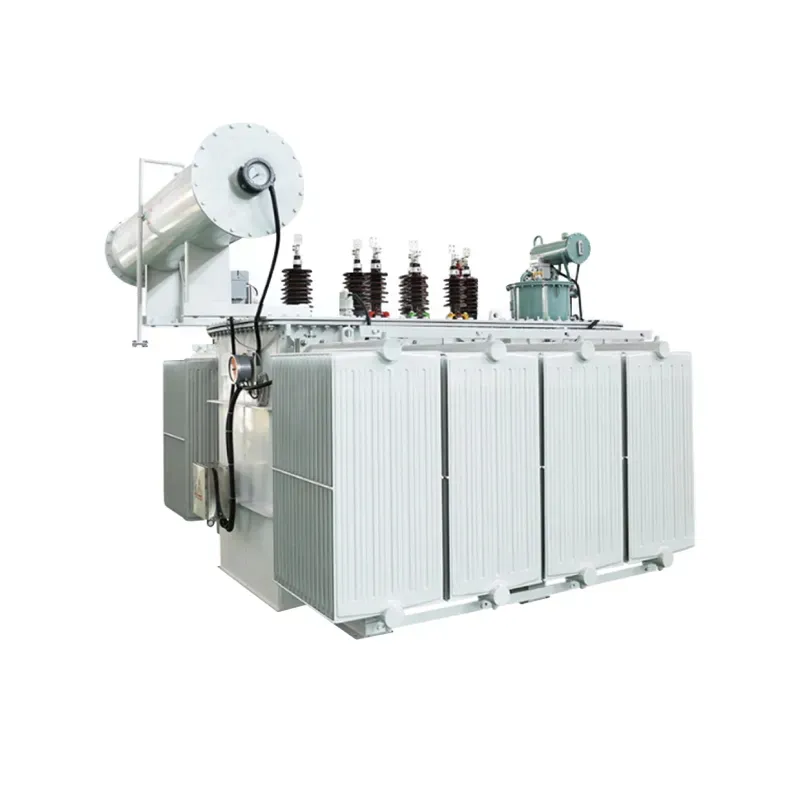
A power transformer is an electrical device that changes AC voltage from one level to another, making long-distance transmission and distribution more efficient. By stepping voltage up or down, it reduces energy losses along the way. These transformers are mainly located in generating plants, substations, and industrial facilities, where they help deliver a continuous and reliable power supply.
Unlike distribution transformers that operate at lower voltages and serve localized networks, power transformers handle high-voltage, high-current applications. They connect multiple generation sources across large power networks. A common example is the high-capacity pole transformer that steps transmission voltage down to levels suitable for downstream distribution systems.
The Basics of Power Transformers
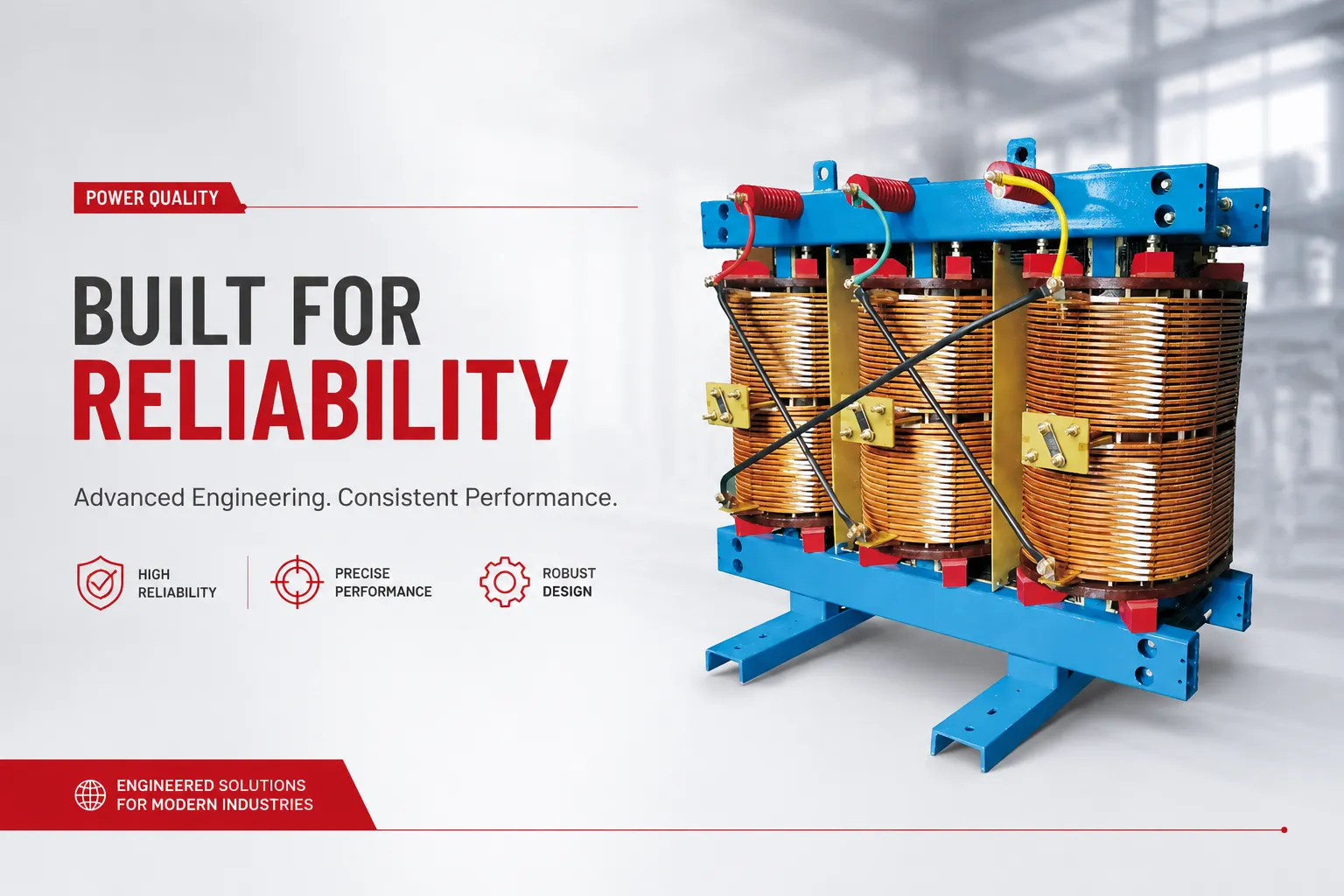
A power transformer works on the basic principle of electromagnetic induction, which is done by having two sets (primary/secondary) of winding coils placed on a magnetic core. Below are the main parts of a power transformer and their functions:
1. Primary and Secondary Windings: These types of coils are made from conductive materials such as aluminum or copper and are utilized to send or receive energy via electricity based on the transformer being raised in voltage or decreased in voltage.
2. Magnetic Core: Constructed from multiple steel sheets (laminations) to provide optimal concentration and amplification of alternating magnetic flux (produced by the windings) resulting in improved energy transfer efficiency.
3. Insulating Material: As part of their design, power transformers have insulations to protect against short circuits and help ensure longer dependable service. Quality of the insulation material is especially important for higher voltage transformers such as the main power supply transformer in an industrial plant.
A transformer operates on Faraday’s law of electromagnetic induction. A changing magnetic field, created by current in the primary winding, induces a voltage in the secondary winding. The output voltage depends on the turns ratio between the two windings. More turns on the secondary side produce a higher voltage, making it a step-up transformer. Fewer turns on the secondary yield a lower voltage, making it a step-down transformer.
Performance of Power Transformers
Several factors can affect a transformer’s efficiency, as well as its load capacity and overall durability. The following are some important areas that can impact the performance of an electrical transformer:
1. Power transformers are designed to run efficiently; Power transformers typically have power efficiencies of approximately 98%~99.5 % (a few transformers could reach more than 99 %). Losses are typically associated with magnetic properties of the core and winding resistance in the conductors therefore both of these losses are referred to as core and copper losses respectively.
2. Load Capacity Transformers have been given a National Standard, which sets forth their maximum capacity (in kVA – kilovolt-amperes). If a transformer is loaded beyond its capability, it could overheat or fail. Therefore, a transformer should be selected based on the requirements of an application.
3. Cooling Systems: High-power transformers employ advanced cooling methods designed to dissipate heat. These methods include air-cooled, oil-cooled, or even liquid-based cooling systems that can improve a transformer’s longevity and efficiency.
4. Voltage Regulation: In order for an output voltage to stay consistent, one must have good voltage regulation. If there is poor voltage regulation, it could result in being inefficient and adding stress to the equipment that is located downstream from the source of the output voltage.
Applications of Power Transformers
Various power transformer applications exist that have been designed to accommodate specific load requirements or voltage levels:
1. Long-Distance Transmission Networks: High Voltage Transformers are employed to transfer electricity from one place to another. High voltage transformers use a higher voltage for long-distance transportation through reduced energy loss.
2. Industrial Processes: Power control transformers are common in many industries as they help maintain a stable and dependable source of energy when the demands placed on the equipment are constantly changing.
Renewable Energy Sources : Transformers play an integral part in integrating renewable resources like wind and solar power into the power system (grid) by converting the voltage of the generation location (the location that produces the power) to the voltage level on the transmission system (substantially higher).
FAQs
1. What is a power transformer?
An electrical apparatus known as a power transformer is intended for transferring energy through electromagnetic induction from one electrical circuit to another by stepping the voltages of the two circuits either up or down according to what is required in order to enable efficient transmission and distribution of power.
2. What are the basics of a power transformer?
Power transformers work through electromagnetic induction. Power transformers use primary and secondary windings, and a magnetic core, to increase or decrease voltage levels. Power transformers enable transmission of high-voltage energy with very low losses.
3. How is the performance of a power transformer measured?
How effective a transformer is evaluated by efficiency, load capacity, cooling, and voltage regulation; performance transformer that has low energy loss, has high voltage/current capability.
Conclusion
Power transformers bridge electricity generation with end-use consumption. From high-voltage transmission units to specialized pole-mounted types for local distribution, their efficiency, reliability, and adaptability make them vital to energy infrastructure. Understanding how they work helps with informed decisions when selecting, maintaining, or designing transformer systems, ensuring safety and improved operational efficiency tailored to specific needs.