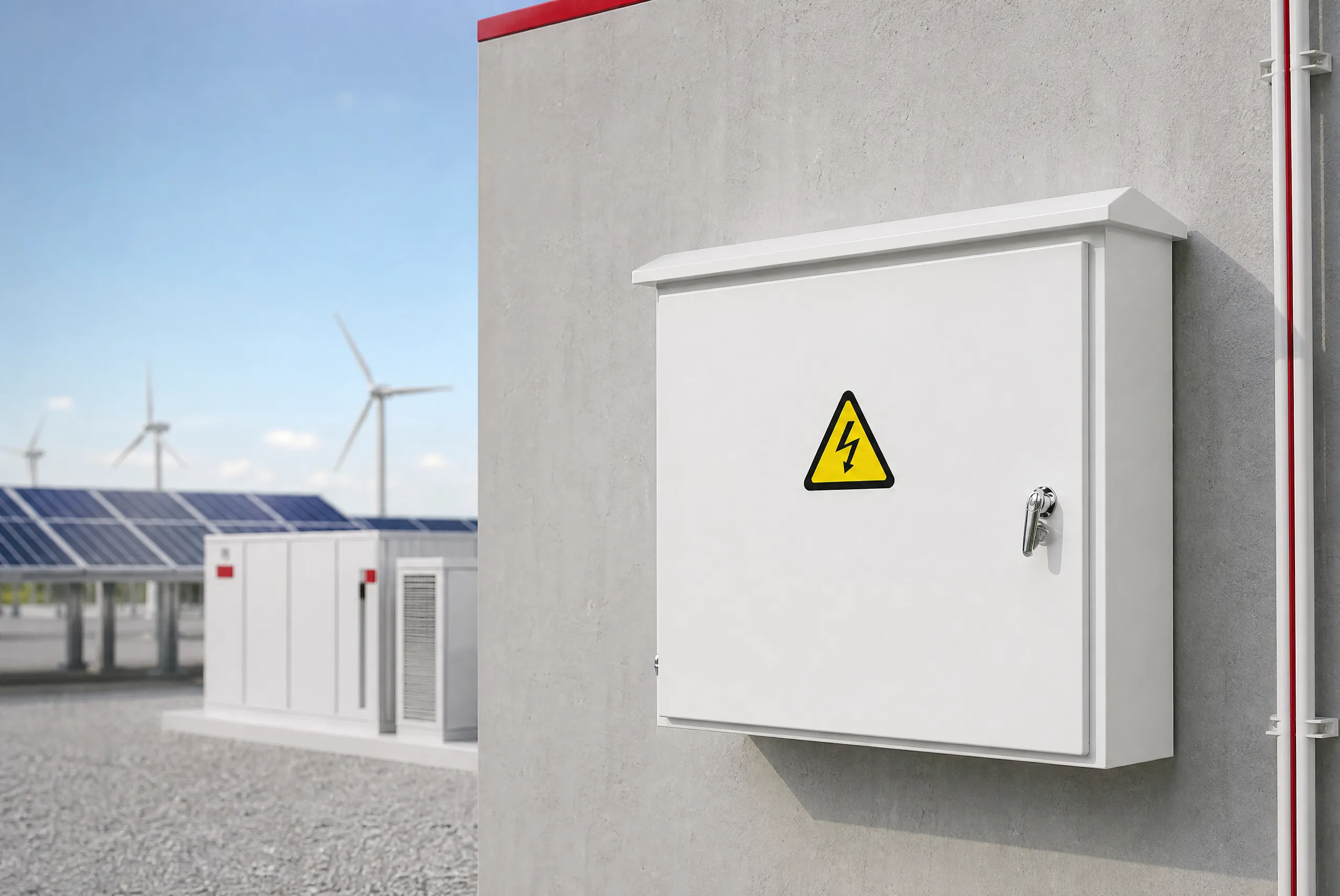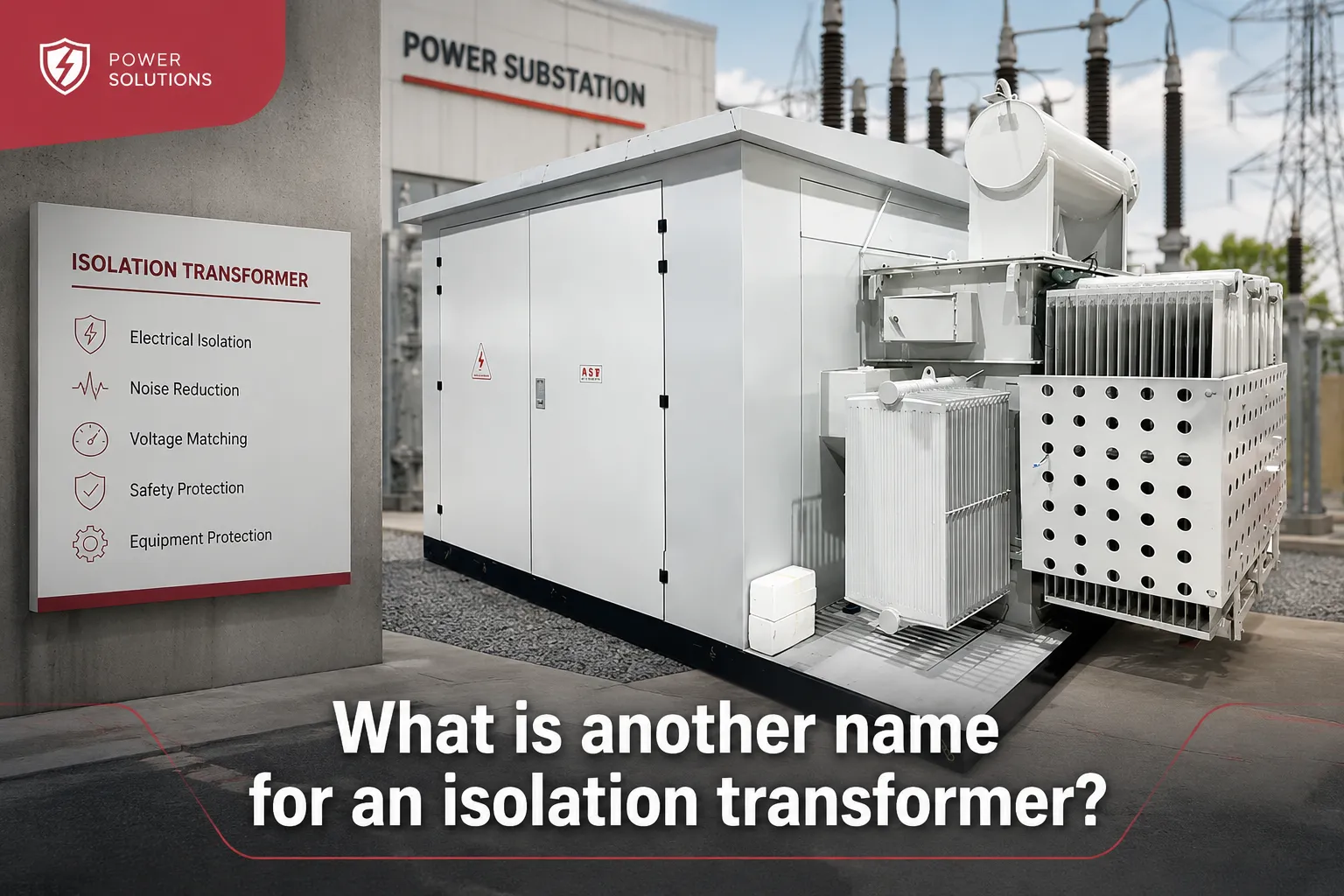

An electrical transformer is an important device used for transferring electricity from one circuit to another by changing the voltage via electromagnetic induction. Transformers are essential for providing power to homes and running industrial equipment, as they help maintain the operation of electrical systems safely and reliably through efficient operations.
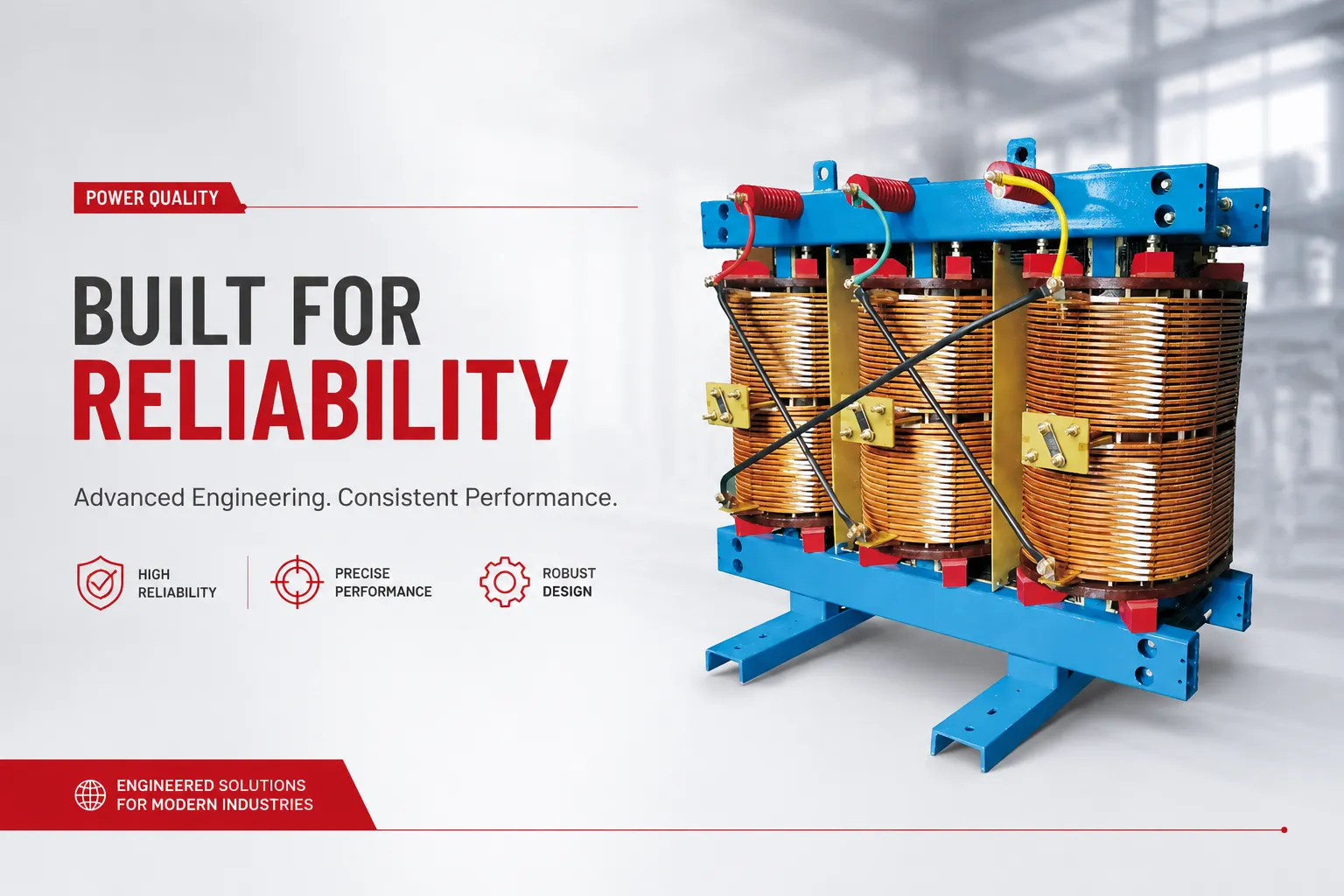
Understanding the Function of an Electrical Transformer
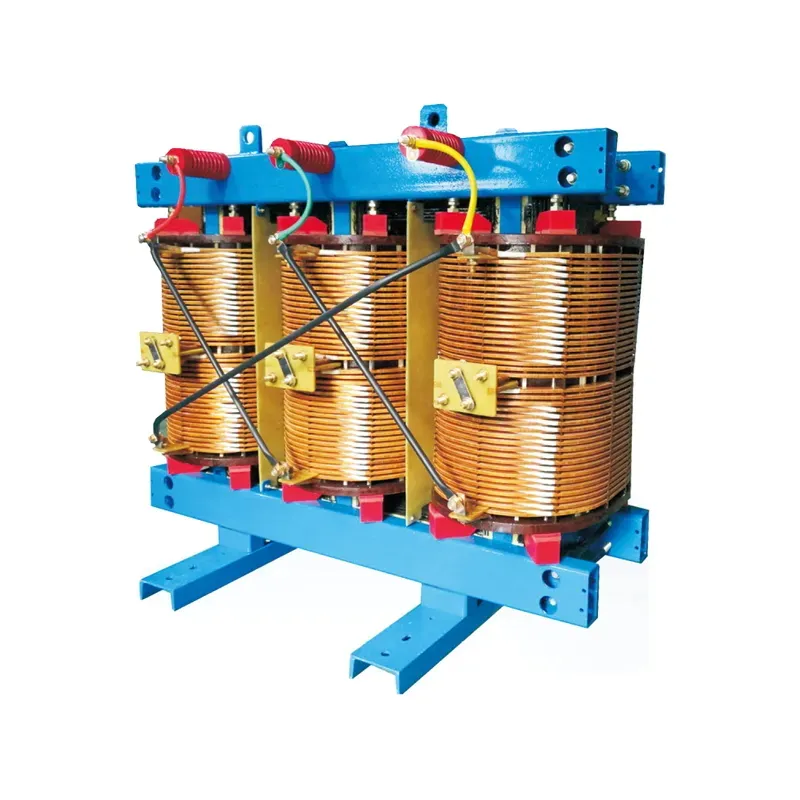
The main purpose of an electric transformer is to change voltage levels to sate different requirements. Voltage levels may be increased (stepped up), or decreased (stepped down), depending on the end use, in order for the electrical power to be supplied effectively and safely. Transformers are passive devices; they do not produce electrical power, rather they transmit electrical power from one electrical circuit to another via two coils of wires (windings) via electromagnetic induction.
Electrical transformers are used to reduce the high voltage power sent from utility facilities and long-distance lines prior to reaching your house or business. Conversely, heavy industry may require step-up transformers to provide larger industries with the higher voltages needed for their machinery.
Why Do You Need an Electrical Transformer?
Whether using an electrical transformer at home or in an industrial environment, it will have many uses as there are numerous applications requiring both types of transformants on a daily basis.
1. The Importance of Transformers for Power Transmission & Distribution: Transformers are vital components of the electric utility infrastructure. Electricity produced by power plants is transported through high voltage lines over long distances to reduce energy losses during transit. After arriving at their point of use, the voltages are reduced through transformers found in distribution transformer pad mounted enclosures or on utility poles.
2. Voltage Regulation Usage of transformers to regulate voltage levels so that different electrical loads can function properly e.g., transformers used within a manufacturing operation and for residential use.
3. An electrical isolation transformer isolates separate circuits or transformer secures sensitive electronic devices from electrical noise, thus decreasing or eliminating the possibility for electrical shock.
4. Specialized Applications: In addition to their normal usage, transformers are also important to electrical engineering transformers, renewable energy systems, testing laboratories, and the automotive industry (often referred to as the “car” industry) because of the need for accurate voltage regulation in many situations.
Types of Electrical Transformers
The type of transformer that will be chosen will depend on how it will be used. Below are the major types of transformers available.
Step-Up Transformers: Used in power plants to increase voltage for long-distance transmission.
Step-Down Transformers: They can be commonly found throughout distribution systems because they serve to reduce the voltage to a safe level for use within homes and businesses.
Isolation Transformers: Designed to isolate circuits and reduce electrical noise or interference.
Each transformer type has a unique role that fulfills specific electrical requirements.
Safety Tips for Working With Transformers
The transformer must be treated with respect. Safety protocols must be adhered to when working with transformers – handling high voltage equipment. Here are some tips to follow:
- Shut Off Power Before Performing Maintenance: Always turn off disconnecting all power sources of any type to the transformer prior to doing any work on it or inspecting it.
- Always Wear PPE: It is important to wear proper personal protective equipment when working near transformers. Personal protective equipment is made up of an insulated glove, an insulated boot and an insulated goggle.
- Examine Periodically: Regular examinations for indications of wear and tear, overheating, or leaks from the unit can assist in preserving the overall performance and reliability of your transformer.
- Seek Help From Experts: A qualified electrical engineer/technician can assist with complex issues or installing electrical machinery/transformers. They will understand the complexities of transformer systems and be able to provide you with the necessary training.
FAQ
What is the main purpose of an electrical transformer?
The main function of a transformer is to change the voltage level of electricity (up or down), for the safe and effective transmission of electrical power throughout a circuit.
Why would I need a transformer?
You may require a transformer to control the voltage supply for different applications, provide electrical isolation for safety purposes, and enhance efficiency in electrical distribution systems.
Can I install a transformer myself?
Installing a transformer usually entails understanding electrical systems and adhering to strict safety standards. It is highly recommended that you hire an experienced licensed electrician to perform the installation and maintenance of your transformer.
How long does an electrical transformer typically last?
If properly managed, a typical electrical transformer should last 20–30 years. However, factors like very high loads, frequent voltage fluctuations, and environmental conditions such as humidity can shorten its lifespan. Through regular inspections and timely repairs, the transformer’s usable life may be extended.
How can I detect transformer issues?
Signs of transformer trouble can be represented in numerous ways such as: an increase in temperature, strange noise, leaking oil and any physical appearance of wear. Routine inspections should keep you informed and help you detect problems as early as possible.
Conclusion
A transformer is an essential tool in managing and distributing electric power to enable efficient delivery of electrical power for industrial, residential and electrical applications such as electrical utility pole or electrical engineering transformer. By understanding the purpose, categories, safety guidelines, and maintenance of electrical transformers provides you with the information required to buy a transformer, use transformers to improve the use of energy and help ensure your current transformer continues in operation for many years.