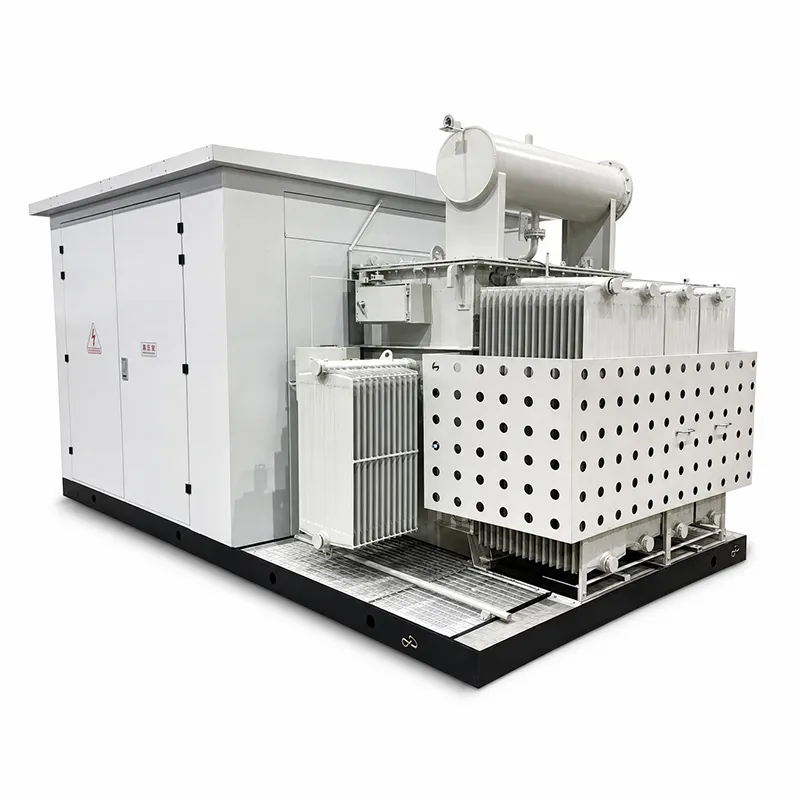

Modern power distribution relies on many components, one of which is the Oil Immersed Distribution Transformer. These transformers are widely used because they provide effective cooling and insulation, which makes them very reliable and efficient.
This guide will provide all of the information you need to know about oil immersed distribution transformers, including how they work, their advantages, maintenance procedures, and comparisons to other types of transformers.
What Is an Oil Immersed Distribution Transformer and How Does It Work?
Also known as an “Oil Filled Distribution Transformer,” or “Liquid Immersed Transformer,” this Transformer is designed as an oil filled transformer. The core and windings of this type of transformer are completely submerged in a special liquid insulating oil. The electrical insulation afforded by this type of transformer and the cooling ability provided by using when immersed in oil present an efficient means of cooling and insulating the core and windings. This is how an oil immersed transformer functions:
Transformers take the high-voltage electricity from electrical power lines and convert it down to low enough voltage levels for use in homes or businesses. During this process, heat is produced by the electrical current passing through the transformer. In order to keep the transformer cool and avoid overheating, the insulation oil in the transformer absorbs the heat generated by the electrical currents and then dissipates the heat. The insulation oil also protects the transformers from moisture and contamination and helps ensure long-term space and operational stability.
When it comes down to making sure there’s always reliable electricity delivered, oil-immersed distribution transformers are a great product to choose from. They are particularly well suited for use in industrial operations, huge retail areas like malls, or in any utility substations where power delivery reliability is simply required to maintain daily operations without interruption.
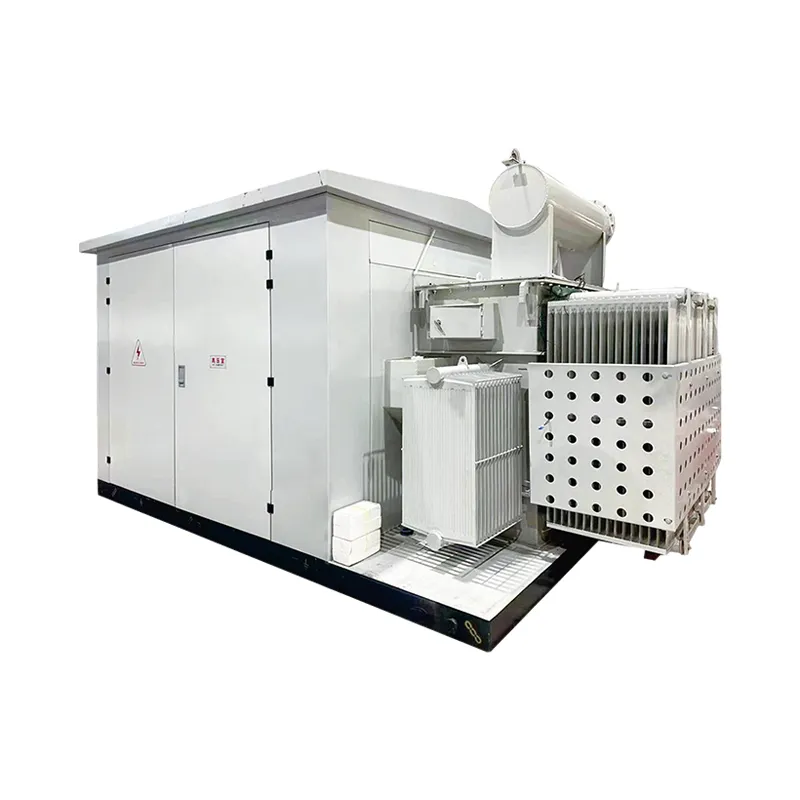
Benefits of Using an Oil Immersed Distribution Transformer
The advantages that make oil immersed distribution transformers extremely versatile and practical are stated below:
1. High Efficiency: Thanks to their liquid cooling mechanism, these transformers operate efficiently even under high loads, making them ideal for high-performance applications.
2. Enhanced Longevity: The insulating oil prolongs the life of the unit by helping to reduce wear and tear; thus, it reduces the frequency in which units will need to be replaced.
3. Cost-Effectiveness: Even though they may initially cost more, these transformers have proven to be a good value due to their long-term operating efficiency and reduced maintenance cost.
4. Robust Design: In order to accommodate adverse environmental circumstances, like extreme weather conditions, oil filled transformers are engineered to be reliable in outdoor applications.
How to Choose the Right Oil Immersed Distribution Transformer for Your Project?
To assist with selecting the ideal oil immersed distribution transformer for your project needs, there are several important aspects to consider before making a purchase decision. Below is a checklist of points that will help you determine which option is best suited for your project:
1. Define Your Load Needs: It is important to know how much power (capacity/wattage) and voltage your application requires so you can select properly sized transformers capable of supporting your load.
2. Type of Cooling: Even though many oil-cooled distribution transformers effectively disperse heat, supplementary cooling systems, such as radiators and fans, may be required for distribution transformers with very high output capacity.
3. Assess Environmental Conditions: If you are planning on installing your transformer outdoors or in a severe setting, select one that has features such as sealed tanks & using the top grade of materials that resist corrosion.
4. Safety Standards and Certifications: Confirm that the transformer complies with both international and domestic safety codes, including ISO, IEC, or ANSI certification requirements.
5. Cost and Energy Efficiency: While it’s important to consider upfront costs when evaluating a transformer, also take into account the total lifecycle energy efficiency of the transformer and the maintenance costs, because they are essential components of a complete valuation.
Connect with a reputable manufacturer or engineer who has experience with oil-immersed distribution transformers and understands your operating requirements so that they can assist you in finding the most appropriate transformer for your application.
How to Maintain an Oil Immersed Distribution Transformer for Optimal Performance?
Oil-immersed distribution transformers require consistent maintenance to maintain their long-term performance and reliability. To help achieve this aim, the following are some نکات of essential maintenance practices to follow:
1. Regular Oil Testing: Transformer efficiency and reliability are impacted by the quality of the oil that insulates them. To ensure quality, such as contamination, moisture, and dielectric strength, periodic testing and filter or replacement of the insulating oil is recommended.
2. Thermal Monitoring: Thermal imaging equipment can be used to monitor how the transformer is functioning through temperature variation records. Abnormal temperature changes in the transformer could indicate problems such as overloads and internal faults.
3. Inspect Seals and Gaskets: Seals and gaskets can wear out through extended use and create a potential path for oil to leak from the transformer. Regularly inspecting your transformer will help keep it sealed so no outside contaminants can enter into the unit.
4. Clean Cooling Components: Make certain that there is no buildup of dust or debris on the radiator, fins, and pipe surfaces where they connect; this will help keep your air conditioning unit working efficiently.
5. Maintain the Breather: Replace and check the silica gel used in the breather system to avoid moisture from entering into the transformer tank. Moisture within the transformer tank can cause damage to the insulation oil.
When following these maintenance practices your oil-immersed distribution transformer can operate safely and efficiently for a long time to come.
Oil Immersed vs. Dry Type Distribution Transformers: Which One Should You Choose?
When choosing an oil-immersed transformer vs. a dry transformer, the following differences should be taken into account:
Advantages of Oil Immersed Distribution Transformers:
These transformers effectively handle high capacity loads and offer better thermal performance due to their oil-based cooling. Their excellent durability in outdoor environments makes them perfect for industrial and utility applications.
However, they require regular maintenance to ensure the oil remains in optimal condition. There is also a small risk of environmental hazards associated with oil leaks or spills, particularly in ecologically sensitive areas.
Advantages of Dry Type Distribution Transformers:
Dry type transformers do not use oil for cooling, making them safer and more eco-friendly. They work well in indoor installations and require less frequent maintenance. However, their thermal performance is generally not as effective as oil immersed varieties, making them less suitable for high-load applications.
Your choice will depend on factors like installation location, maintenance preferences, and operational requirements.
Additional FAQs about Oil Immersed Distribution Transformers
1. How do I know if my oil immersed distribution transformer needs servicing?
Signs like unusual noise, oil leaks, temperature fluctuations, or changes in power output are clear indicators that your transformer may require maintenance or repairs.
2. Can oil immersed distribution transformers be used in renewable energy systems?
Yes, these transformers are suitable for renewable energy applications, such as wind farms and solar power facilities, where reliable voltage transformation and energy distribution are critical.
3. How does the insulating oil affect the performance of an oil immersed distribution transformer?
The insulating oil serves two main purposes: cooling and insulation. It prevents electrical discharges within the transformer and efficiently manages heat dissipation, ensuring reliable operation.
4. What type of oil is used in oil immersed transformers?
Mineral oil is commonly used due to its excellent dielectric and cooling properties. In more specialized applications, synthetic esters or natural esters (such as vegetable-based dielectric oils) may be used, as they are biodegradable and environmentally friendly.
5. What are the common challenges associated with oil immersed distribution transformers?
Although highly reliable, these transformers can face challenges such as oil leaks, deteriorated insulation oil, and overheating. Proper monitoring and regular maintenance can mitigate these challenges.
In conclusion, the oil immersed distribution transformer remains a cornerstone technology for efficient energy distribution, offering unparalleled benefits like superior cooling, durability, and cost-effectiveness. By understanding its unique features, comparing it to other transformer types, and implementing proper maintenance, you can ensure that your electrical systems stay dependable and efficient in the long run. Whether you’re working on a residential, commercial, or industrial project, an oil immersed transformer is a reliable solution worth investing in.