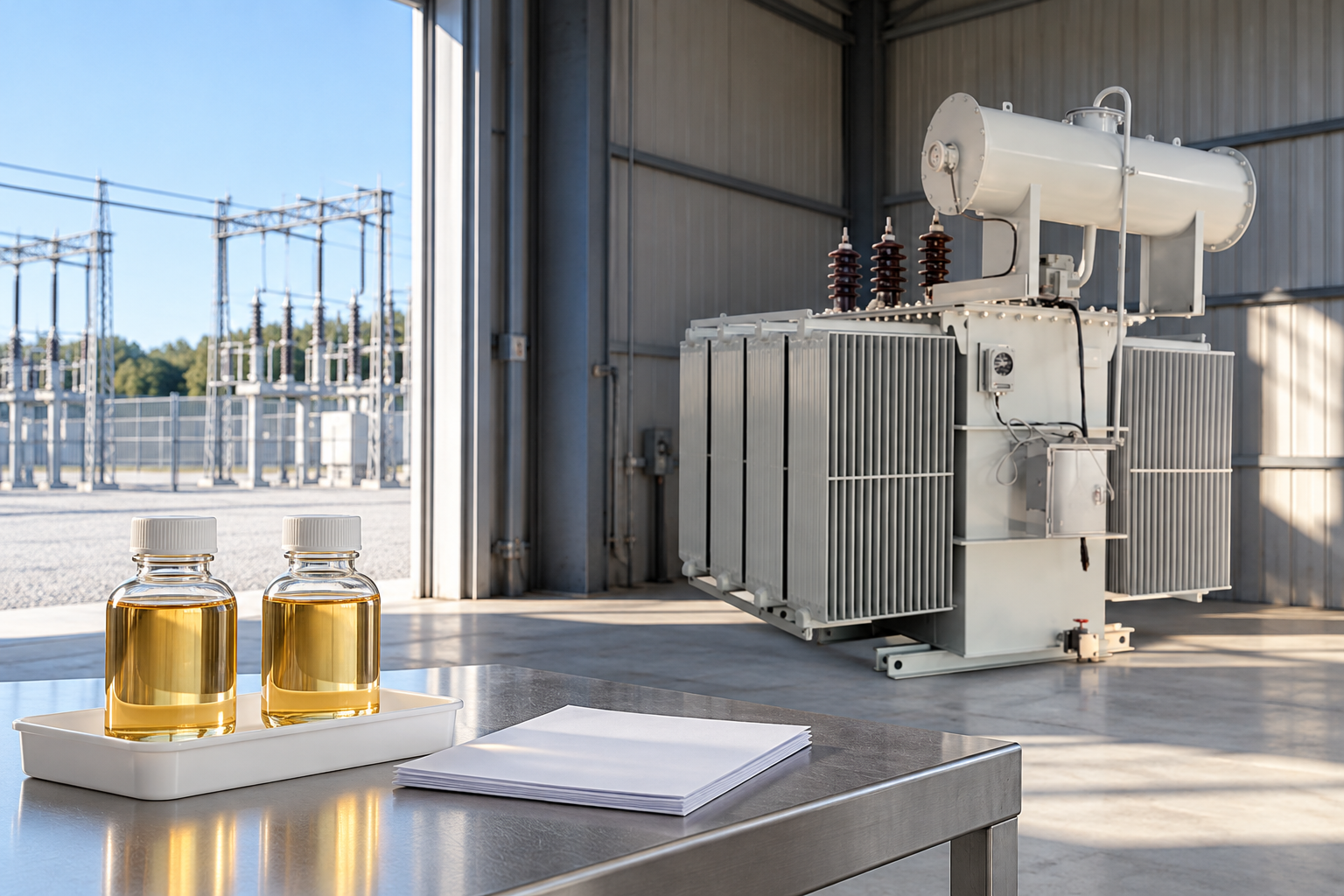

Transformer oil testing before commissioning is the cheapest insurance a project buys: a few samples reveal moisture, contamination, and assembly problems while they are still correctable.
Results only help when teams know which numbers matter and what to do with a marginal value. This guide walks through the parameters, sampling practice, and documentation.
Plan the tests into the commissioning schedule, not as an afterthought on energization day.
Part 1. Why commissioning results differ from maintenance results
A new fill should look like new oil; commissioning limits are stricter than in-service maintenance limits for the same parameters.
Testing now creates the baseline every future sample is judged against—skip it and later trending starts blind.
For related context, see the monitoring methodologies for oil immersed transformers.
For related context, see the ultimate guide to oil immersed distribution transformers.
Part 2. Dielectric strength and moisture
Two parameters carry most of the acceptance decision.
| Parameter | What it tells you | Commissioning expectation |
|---|---|---|
| Breakdown voltage (dielectric strength) | Insulating capability of the oil gap | High values per the IEC 60422 category tables for new oil |
| Moisture content | Water dissolved in oil and paper | Low single-digit mg/kg targets for new fills at distribution voltages |
| Appearance and color | Visible contamination or handling damage | Clear, bright, free of particles |
Report values together with oil temperature at sampling; moisture readings shift with temperature and mean little without it. Acceptance limits come from the contract and the IEC 60422 categories—treat published numbers as reference, final per issued documents.
Part 3. Acidity and dissipation factor
Acidity in a new fill should sit near zero; measurable values suggest storage or handling contamination.
Dissipation factor (tan delta) exposes polar contamination that breakdown voltage can miss.
Neither parameter should be trending yet—any drift between factory and site samples deserves explanation before energization.
Part 4. Dissolved gas analysis as a baseline
DGA before energization documents the as-built gas signature; hydrogen or acetylene present at this stage points at assembly or transport issues.
Repeat the analysis within the first weeks of service, because early gassing trends are far easier to judge against a commissioning baseline.
IEEE C57.104 provides the interpretation framework your laboratory report will reference.
Part 5. Sampling practice and records
Draw samples from the designated valve after flushing, into clean containers the laboratory supplied, and label with temperature, date, and tap position.
One careless sampling step invalidates the result—train whoever draws the sample and keep the chain of custody simple.
File results with the factory test reports; the pair defines the unit healthy signature.
Part 6. Product recommendation and Fit Boundary
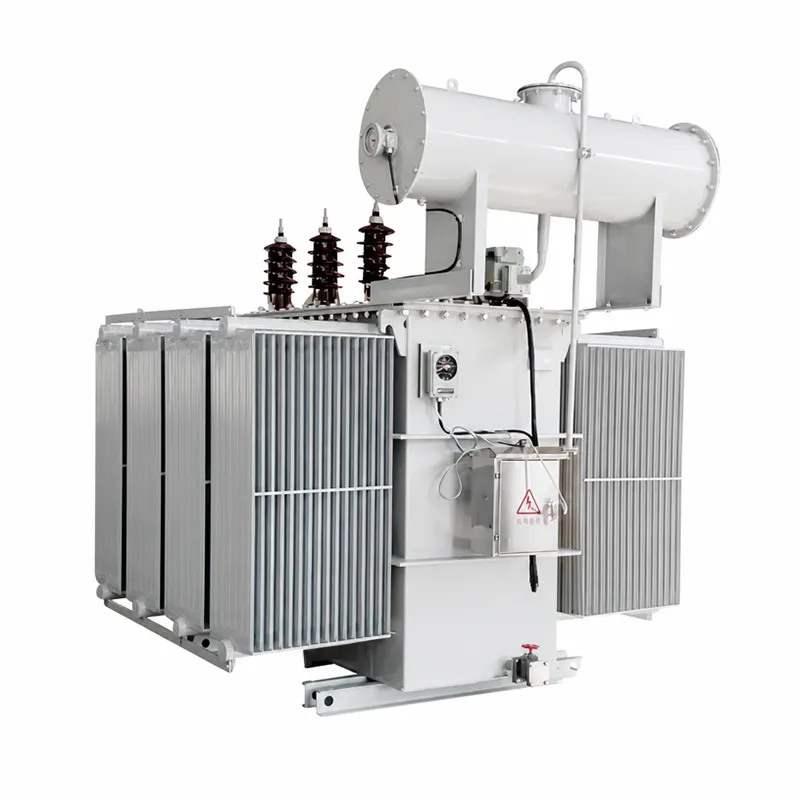
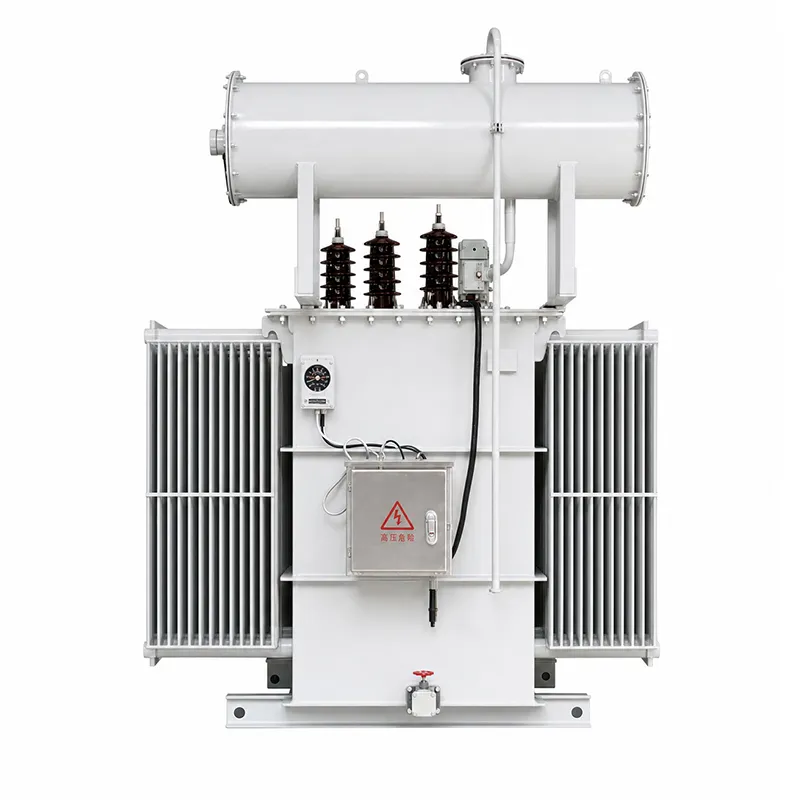
Product recommendation: Oil quality management starts at the factory—review series documentation and test scope together. Start at the transformer product category, then review the S□-M oil-immersed power transformer series and the SC(B) resin insulated dry transformer series against the approved specification.

| Better fit | Poor fit without extra study |
|---|---|
| Projects budgeting laboratory tests into commissioning | Energizing on visual oil inspection alone |
| Teams keeping baseline results in the asset file | Losing commissioning data after handover |
| Sites with trained sampling personnel | Sampling from drain valves without flushing |
Submit the rated kVA and voltage combination, vector group and tap range, no-load and load losses, cooling method and enclosure, and short-circuit impedance target through Contact Us for model-specific confirmation.
Part 7. Common oil testing mistakes
- Sampling into unclean containers and condemning healthy oil.
- Recording moisture without the oil temperature at sampling.
- Comparing site results against in-service limits instead of new-oil expectations.
- Skipping the DGA baseline because the unit is new.
- Accepting a marginal breakdown voltage without a filtration plan.
- Filing no baseline, which leaves every later trend ambiguous.
FAQ
Which oil tests come before commissioning?
Breakdown voltage, moisture content, acidity, dissipation factor, appearance, and a baseline dissolved gas analysis.
What dielectric strength should new oil reach?
New fills should sit comfortably in the highest IEC 60422 category bands for the voltage class; the contract states the binding limit.
Why does moisture matter in transformer oil?
Water degrades both oil and paper insulation and migrates with temperature; low moisture at commissioning protects long-term life.
What does acidity indicate in a new fill?
It should be near zero; measurable acidity signals contamination or degraded stock rather than normal aging.
Is dissolved gas analysis needed at commissioning?
Yes—as a baseline; gases present before service point at assembly or transport problems and anchor all later trending.
How should oil samples be taken?
From the designated sampling valve after flushing, into laboratory-supplied containers, with temperature, date, and operating data recorded.
What happens if oil results miss acceptance limits?
Investigate the cause, filter or dry the oil as required, and retest before energization—do not energize on marginal results.