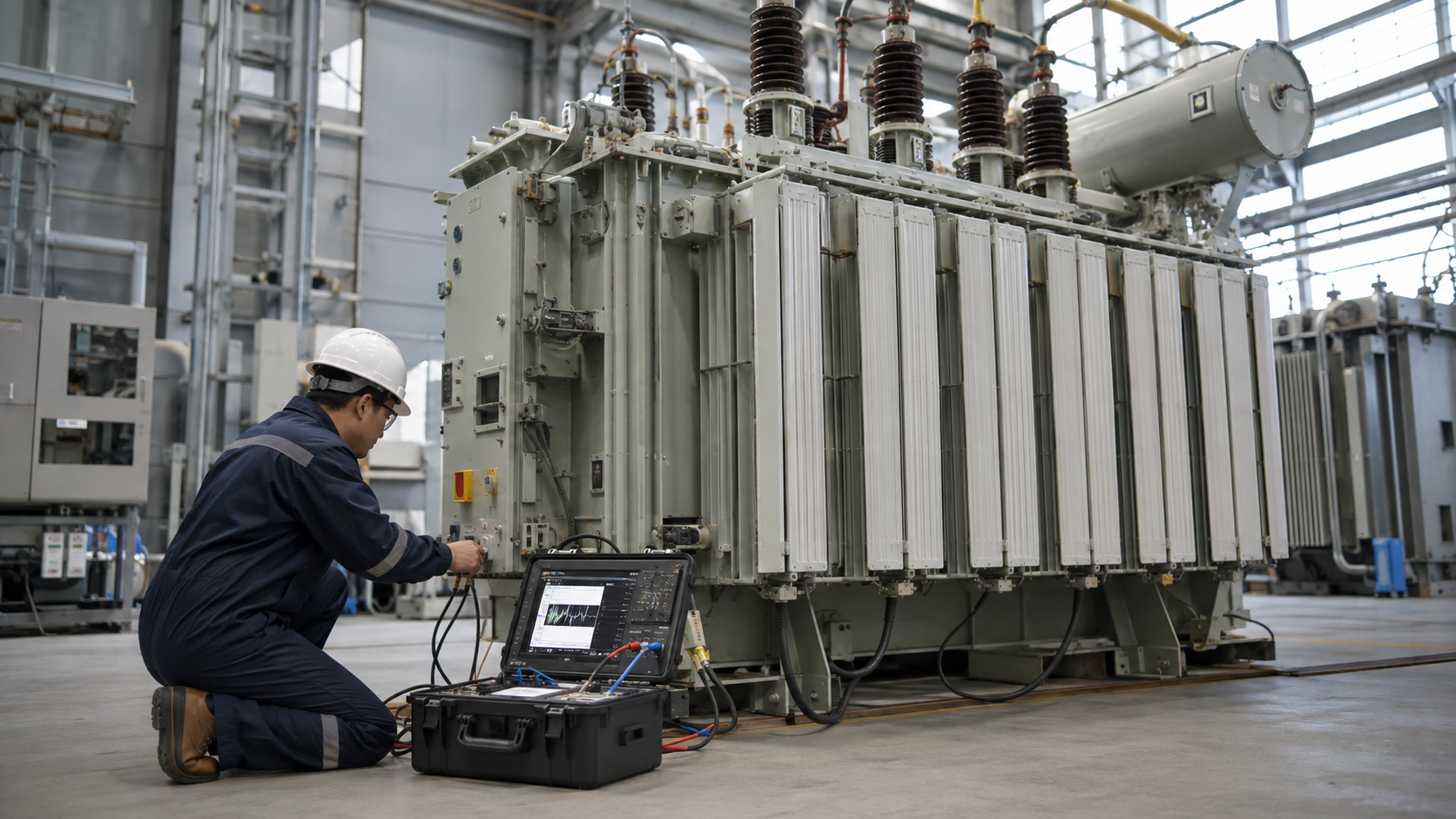

An 112.5 kVA transformer is a common three-phase commercial size. Full-load current is approximately 135.3 A at 480 V and 312.3 A at 208 V, but final conductors, protection and ventilation require code and application checks.
Key Takeaways
- Start with verified system data and the governing standard.
- Coordinate ratings, protection, environment and maintenance as one decision.
- Use drawings, calculations and test records to support procurement.
112.5 kVA amp calculations
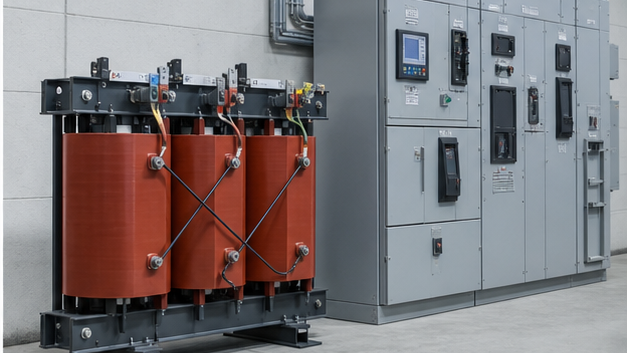
For a balanced three-phase transformer, line current is I = S ÷ (√3 × VLL). At 112.5 kVA, this is about 135.3 A at 480 V or 312.3 A at 208 V line-to-line. On a 208Y/120 V system, use 208 V for three-phase line current, not the 120 V line-to-neutral voltage. When estimating the apparent load from branch-circuit current, use the amps-to-kVA calculator with the matching phase and voltage. These ideal full-load figures do not set conductor or protective-device sizes.
Quick Comparison and Selection Table
Use this table as a quick review of the main engineering and procurement decisions explained in the article.
| Decision area | Practical meaning | What to verify |
|---|---|---|
| 112.5 kVA amp calculations | 112.5 kVA amp calculations defines the boundary of a sound engineering decision. | Record the system voltage, phase, frequency, loading, fault duty, environment, operating history and applicable standard before selecting equipment or work scope. |
| 480-to-208Y/120 V application | For 112.5 kva transformer, ratings and observed condition must be verified from nameplates, drawings and test evidence. | Compare measured values with factory data, prior trends and limits from the manufacturer or governing standard. |
| Load, motor and harmonic allowance | The design must coordinate conductors, insulation, protection, switching and grounding as one system. | Check normal current, temporary duty, available short-circuit current, temperature rise and clearances. |
| Primary and secondary protection | Safety and reliability depend on the actual installation. | De-energization, lockout, stored-energy control, grounding and qualified-person requirements apply before inspection or service. |
| Dry-type installation and ventilation | Compare alternatives on lifecycle consequences: losses, downtime exposure, spare availability, maintainability, footprint, documentation and expected service life. | The lowest initial price can be the highest-cost option when it creates incompatibility, extended outages or unverifiable performance. |
480-to-208Y/120 V application
For 112.5 kva transformer, ratings and observed condition must be verified from nameplates, drawings and test evidence. Compare measured values with factory data, prior trends and limits from the manufacturer or governing standard. A single measurement rarely proves fitness; repeatability, test conditions and trend direction matter.
For a project-specific comparison, record assumptions and have the final design reviewed by qualified electrical personnel. This is especially important where fault energy, medium voltage, utility interfaces or energized work are involved.
Load, motor and harmonic allowance
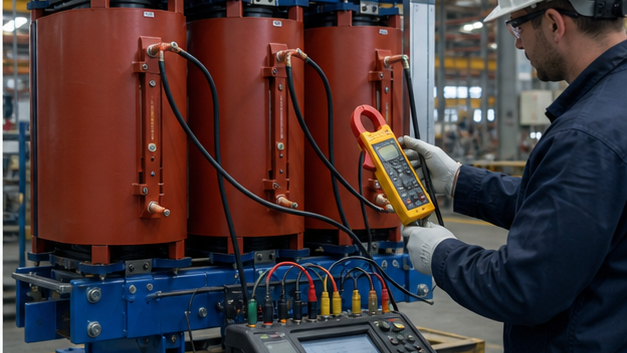
The design must coordinate conductors, insulation, protection, switching and grounding as one system. Check normal current, temporary duty, available short-circuit current, temperature rise and clearances. Accessories should solve a stated operating or monitoring need rather than be copied from another project.
Primary and secondary protection
Safety and reliability depend on the actual installation. De-energization, lockout, stored-energy control, grounding and qualified-person requirements apply before inspection or service. Where energized diagnostics are justified, use a formal risk assessment, suitable instruments and site procedures.
For a project-specific comparison, record assumptions and have the final design reviewed by qualified electrical personnel. This is especially important where fault energy, medium voltage, utility interfaces or energized work are involved.
Dry-type installation and ventilation
Compare alternatives on lifecycle consequences: losses, downtime exposure, spare availability, maintainability, footprint, documentation and expected service life. The lowest initial price can be the highest-cost option when it creates incompatibility, extended outages or unverifiable performance.
Specifications to confirm before purchase
A purchase or service request should state scope, ratings, standards, drawings, tests, acceptance criteria, records and warranty. Require deviations to be listed explicitly. Before energization, reconcile the supplied nameplate and test reports with the approved design and retain a baseline for future maintenance.
What the Current Google Results Commonly Emphasize
Our review of the current U.S. top-20 results found recurring coverage around Technical Specifications, Product Description, INFORMATION, 🏗️ Common Applications, Why This Transformer. This guide incorporates those decision points while keeping the scope focused on industrial procurement and engineering use.
Related LBAJI Equipment
Review the relevant LBAJI product range and the supporting Transformer Capacity, Size & Dimensions pillar guide. Send the one-line diagram, ratings, quantity and environment for a project-specific configuration.
Practical Evaluation Workflow
For 112.5 kva transformer, use a documented workflow rather than a catalogue-only choice. First freeze system inputs and operating limits. Next compare the available construction or service options against the actual environment. Then verify calculations, protection interfaces and acceptance tests. Finally, record approved deviations and preserve baseline results for commissioning and maintenance.
- Review 480-to-208y/120 v application and record the project-specific decision.
- Review load, motor and harmonic allowance and record the project-specific decision.
- Review primary and secondary protection and record the project-specific decision.
- Review dry-type installation and ventilation and record the project-specific decision.
Acceptance Records to Keep
Retain the approved data sheet, drawings, deviation list, material certificates where applicable, routine and special test reports, protection settings, commissioning results, photographs and final nameplate details. Record test conditions as well as values, because temperature, instrument method and connection can affect comparison. These documents establish the baseline used to investigate later alarms, loading changes or deterioration. They also prevent replacement equipment from being ordered from an incomplete description after personnel or suppliers change.
Technical References and Further Reading
Conclusion
An 112.5 kVA transformer is a common three-phase commercial size. Full-load current is approximately 135.3 A at 480 V and 312.3 A at 208 V, but final conductors, protection and ventilation require code and application checks. Use project data and documented acceptance criteria before purchase, installation or service.