
Dry-type transformer cleaning should be planned from the actual contamination, the manufacturer’s instructions and the site’s safe electrical work arrangements. It is not a universal sequence of blowing air through windings or wiping every surface with the same solvent. Before internal cleaning, establish a safe work boundary through the approved isolation process and use competent personnel. Inspect the condition, choose an approved method, protect the equipment and document the release decision. This guide helps owners specify and review that work; it does not replace a model-specific maintenance procedure or authorize electrical access.
Decide whether cleaning is the right intervention
Start with a condition assessment instead of assigning a cleaning method from a photograph. Record where deposits are present, whether cooling paths are obstructed, how the environment has changed and whether there are signs that require specialist examination. Surface contamination and damaged insulation are different problems. Removing visible dirt cannot establish that an electrical defect or moisture-related deterioration has been corrected.
Ask what caused the accumulation. Construction work, a failed room filter, nearby machining or prolonged storage can demand different follow-up actions. If the source remains active, cleaning alone may produce only a brief improvement. Allocate responsibility for the room or process issue alongside the transformer work. The work order should describe the observed condition and the desired outcome rather than simply requesting a standard annual clean.
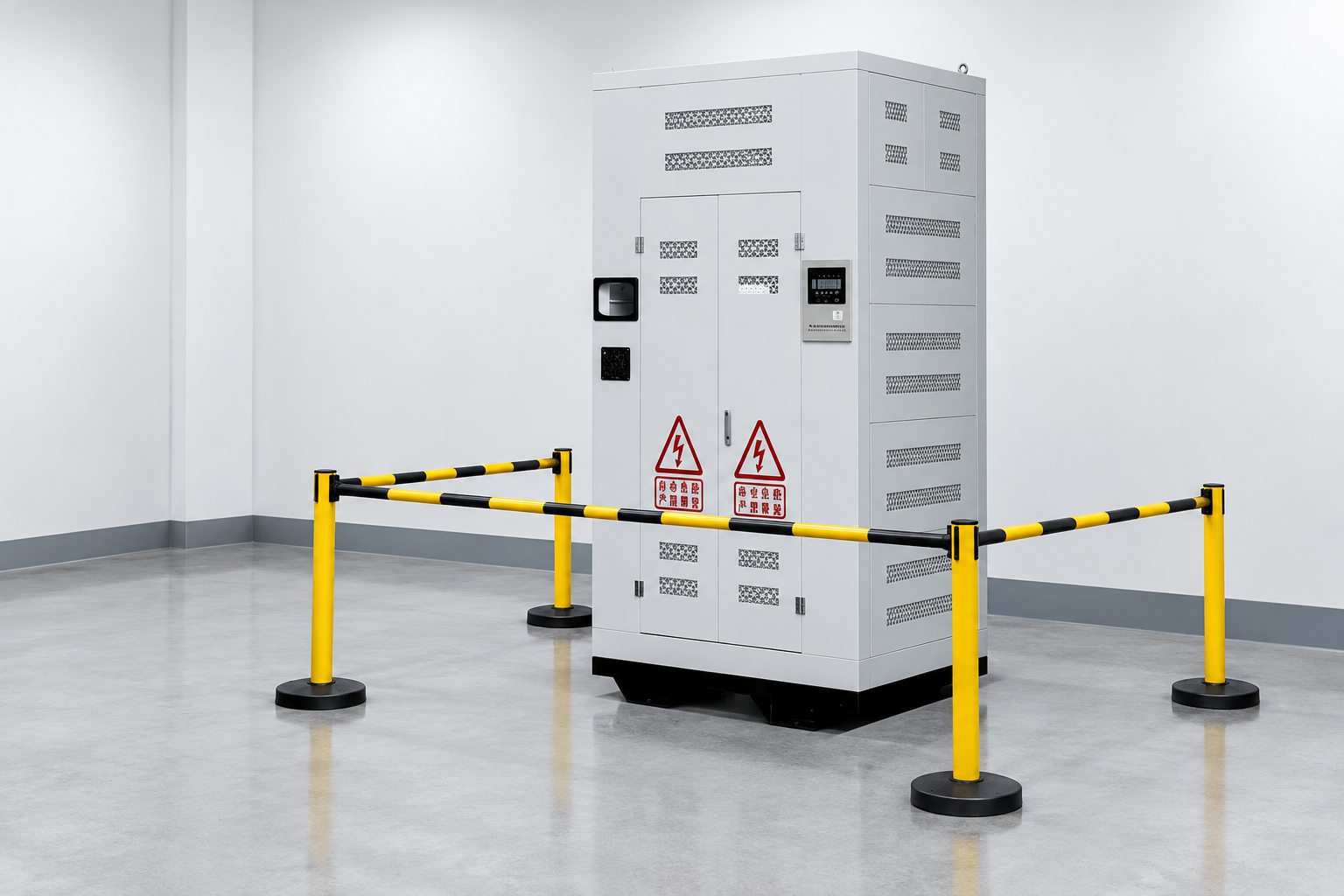
Establish the safe work boundary first
The HSE guidance on safe electrical work emphasizes organizing and carrying out work under appropriate safety arrangements. For transformer maintenance, the site’s competent team must identify relevant energy sources, interfaces and access restrictions, and apply the approved isolation and verification procedure. An off indication on a local display is not sufficient evidence that internal access is safe.
Include auxiliary supplies and connected systems in the planning review. The transformer may have monitoring or cooling circuits with arrangements different from its main power circuit. This article does not prescribe switching, voltage testing, discharge or grounding steps for an unknown installation. Those actions require an equipment-specific procedure and qualified personnel. Keep nearby live equipment and the boundaries of the work area explicit in the job briefing.
Separate observations from the cleaning decision
Technical context: U.S. Bureau of Reclamation: Transformers, Basics, Maintenance, and Diagnostics (2005; historical technical background). The checklist below is an original qualitative planning tool, not a reproduced standard.
| ملاحظة | Planning question | Required disposition |
|---|---|---|
| Loose dry deposits | Which manufacturer-approved removal method applies? | Record the method and precautions before starting |
| Restricted ventilation paths | Is access possible without damaging components? | Agree access and inspection boundaries |
| Sticky or oily contamination | Is it compatible with routine cleaning? | Obtain manufacturer guidance before choosing chemicals |
| Moisture or water exposure | Could insulation condition be affected? | Seek specialist assessment and release criteria |
| Cracking or suspected tracking | Is this damage rather than removable dirt? | Stop routine cleaning and escalate the finding |
| Repeated accumulation | What is the source in the room or process? | Correct the cause and review inspection intervals |
This qualitative table organizes decisions and is not a diagnostic rule or a manufacturer instruction. The U.S. Bureau of Reclamation transformer maintenance reference discusses keeping cooling surfaces and surrounding areas clean. Its recommendations provide background, while the actual method and release conditions must fit the supplied equipment and current site requirements. Do not apply a historical reference’s method to every transformer without that review.
Identify materials and sensitive areas
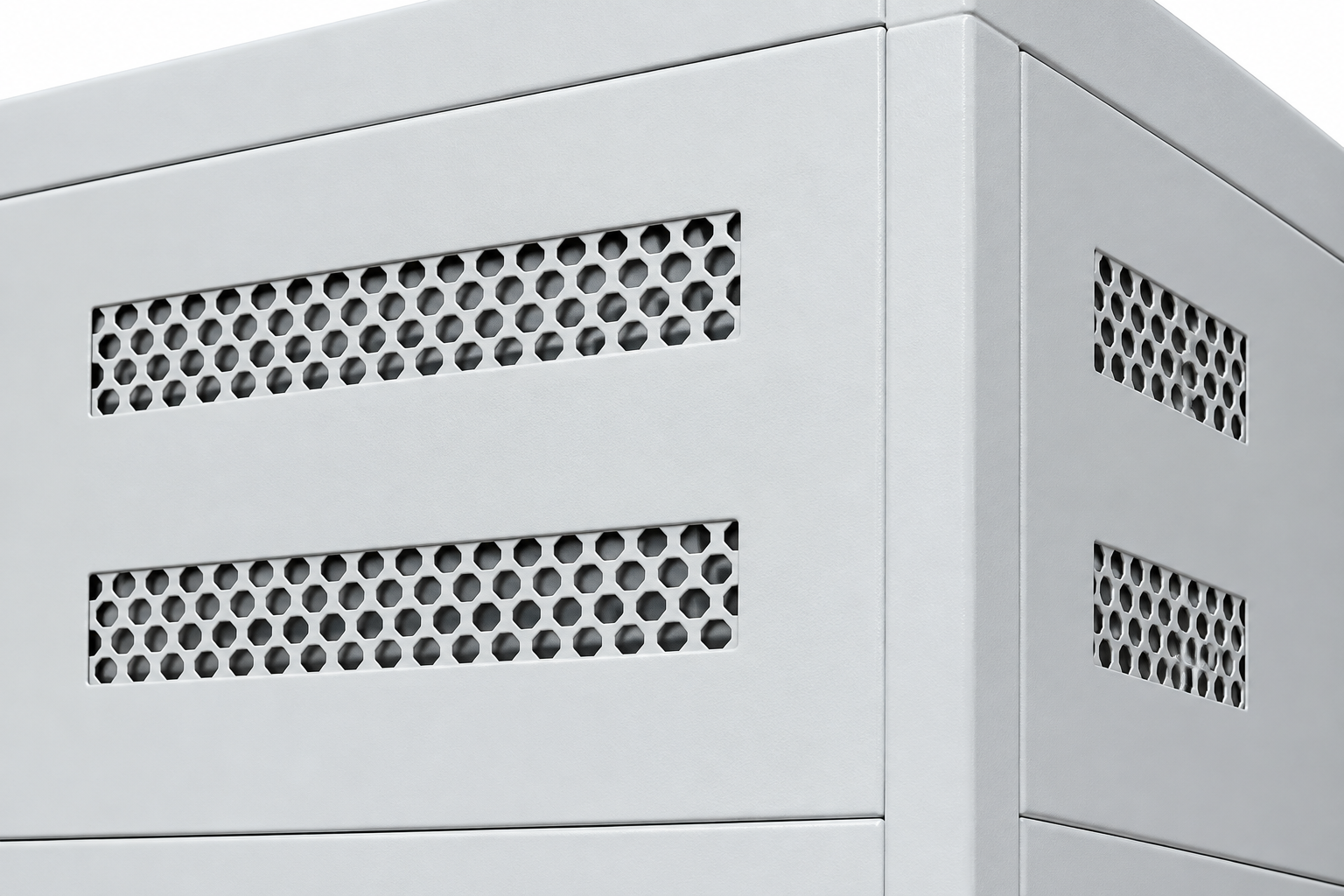
Obtain the correct manual and identify the transformer construction before selecting tools or substances. Cast-resin surfaces, ventilation passages, terminal areas, monitoring leads and auxiliary equipment may need different treatment. Ask the manufacturer to clarify uncertain compatibility rather than relying on a chemical’s general-purpose cleaning label. A product suitable for a cabinet finish is not automatically suitable for winding insulation or a sensor assembly.
Define areas excluded from the work and conditions that require stopping. Avoid moving wiring, altering connections or removing supports merely to improve access. If dismantling is necessary, obtain an approved scope and reassembly requirements. Cleaning should not quietly expand into repair work performed without drawings, inspection criteria or responsibility for the final condition. Record the equipment identity and manual revision used for the work.
Control contamination instead of spreading it
Choose a method that captures or removes deposits without distributing them into adjacent equipment or inaccessible spaces. The work plan should consider where removed material goes, how nearby equipment is protected and how the room will be left. Do not assume compressed air is universally acceptable; suitability, dryness, pressure and the risk of redistribution need the manufacturer’s review and the site’s assessment.
Do not introduce water, solvents or cleaning products simply because a similar method was used on other machinery. Where an approved process uses any substance, document compatibility and the conditions required before release. Flooding, direct water exposure and uncertain contamination deserve assessment beyond an ordinary housekeeping task. A visibly clean surface is not a substitute for evidence that the equipment is suitable to return to service.
Protect sensors, connections and cooling equipment
List the components that should remain undisturbed. Monitoring leads, terminals, fan assemblies and labels can be damaged by careless handling even when the main transformer structure looks robust. Use the manufacturer’s instructions to identify any cleaning restrictions and inspection needs. Do not disconnect a device without a controlled plan for identification, reconnection and verification by the appropriate personnel.
Keep electrical connection work separate from cleaning unless it is expressly included in the approved maintenance scope. Applying an assumed torque to every accessible fastener is not a cleaning step. Connection design, fastener condition and manufacturer requirements matter. If a loose or damaged connection is suspected, record the finding and refer it for the correct repair and testing process instead of disguising the additional work in a completed cleaning checklist.
Record condition before and after work
Use photographs and notes to document accessible areas, deposit distribution, visible concerns and limits on inspection. Keep equipment identifiers and the date with the record. A before-and-after pair can show a surface condition changed, but it cannot prove dielectric integrity, correct connection resistance or complete removal of contamination from inaccessible areas. State exactly what the photographs demonstrate.
Capture unexpected findings as separate items with an owner and disposition. If cleaning reveals a suspicious mark, damaged support or deteriorated lead, pause the affected work and seek assessment. Avoid deleting the original photographs after the cleaned image looks satisfactory. The sequence of observations can help determine whether the contamination source has changed and whether the selected maintenance interval remains appropriate.
Agree the return-to-service criteria in advance
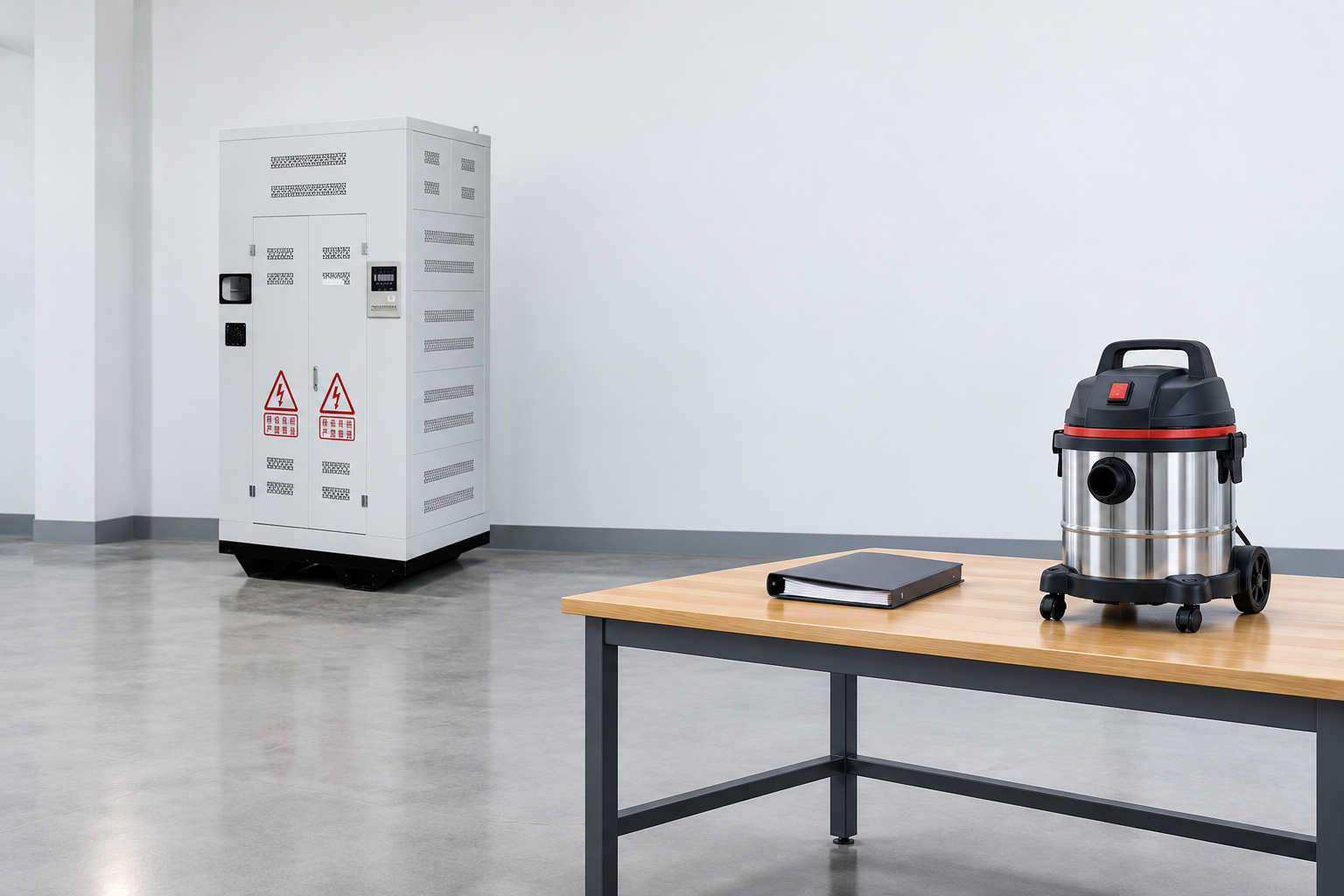
Before work begins, define who can release the transformer and what evidence they need. This may include inspection findings, completion of the approved procedure, resolution of defects and any manufacturer-directed checks. The exact tests and acceptance values depend on the equipment and circumstances. Do not invent a universal insulation-resistance threshold or declare the transformer safe because a single reading is high.
Record unfinished items and restrictions clearly. Release should distinguish completed cleaning from completed repair, testing and authorization for energization. Where another team performs those activities, the handover needs explicit boundaries so a completed contractor work sheet is not mistaken for an operational release. Follow the site’s controlled process for restoring guards, removing work controls and returning equipment to its intended operating state.
Set the next inspection from conditions and evidence
Do not use one calendar interval for every room, duty and contamination level. Establish the interval using manufacturer instructions, the site’s maintenance program and observed accumulation. Revisit it after construction, process changes, abnormal events or repeated findings. An existing interval is a starting assumption to review, not proof that the equipment can remain unattended until the next calendar date.
Link the cleaning record with operating observations such as temperature trends and cooling-related findings. Use consistent measurement context so a change is interpreted sensibly. An apparent improvement after cleaning can be relevant, but changing load or room conditions may also influence the readings. The useful outcome is a traceable maintenance decision with an accountable reviewer rather than an unsupported claim that efficiency or service life improved by a particular amount.
Specify a cleaning service without leaving hidden scope
An enquiry should identify the transformer, construction, installation environment, available outage, condition photographs and applicable documentation. Ask the contractor to state the proposed method, access assumptions, equipment protection, waste handling, personnel competence and record package. Require exclusions and escalation steps for damaged insulation, moisture or repairs. Compare quotations against the same scope so a cheaper surface clean is not confused with a comprehensive maintenance assessment.
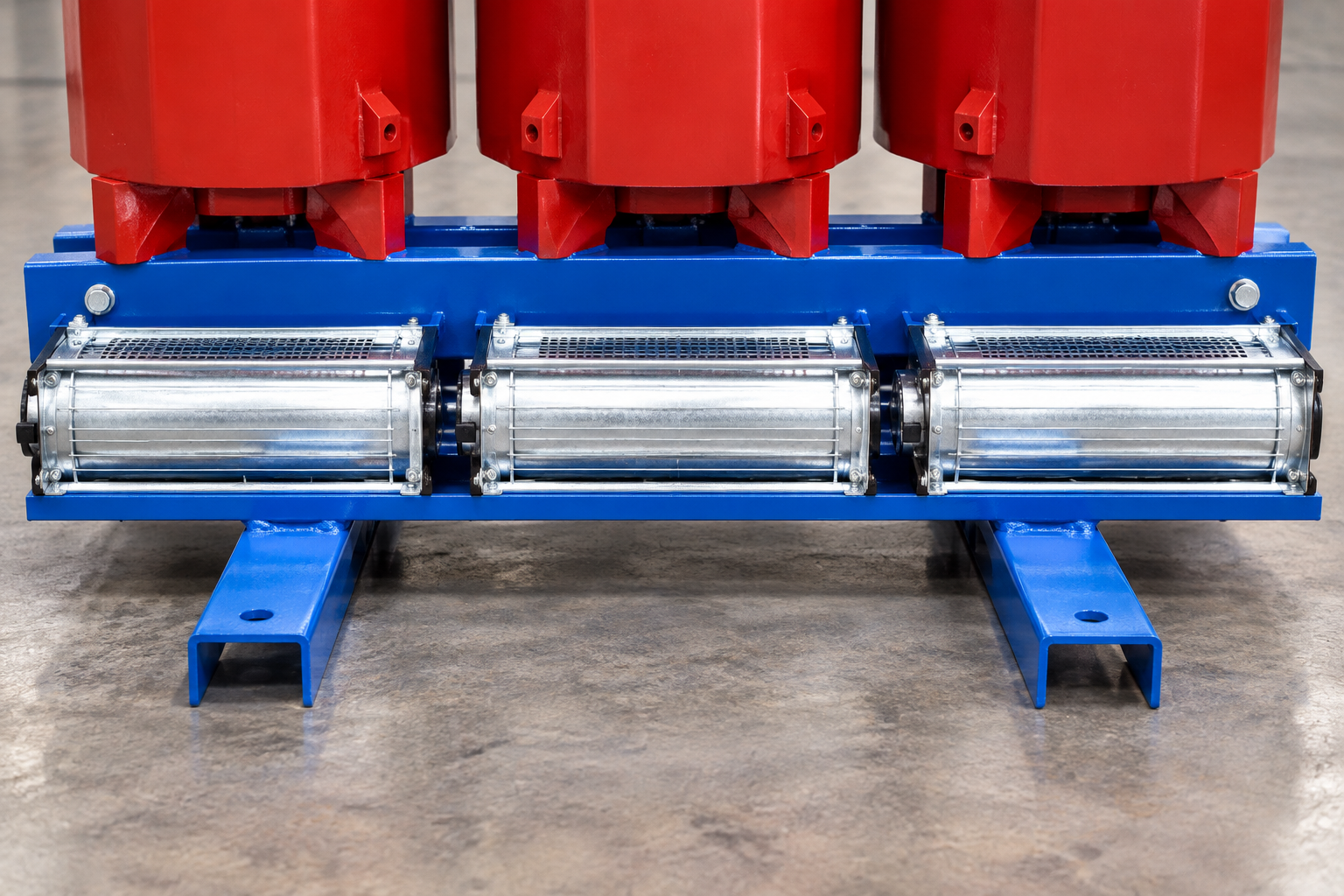
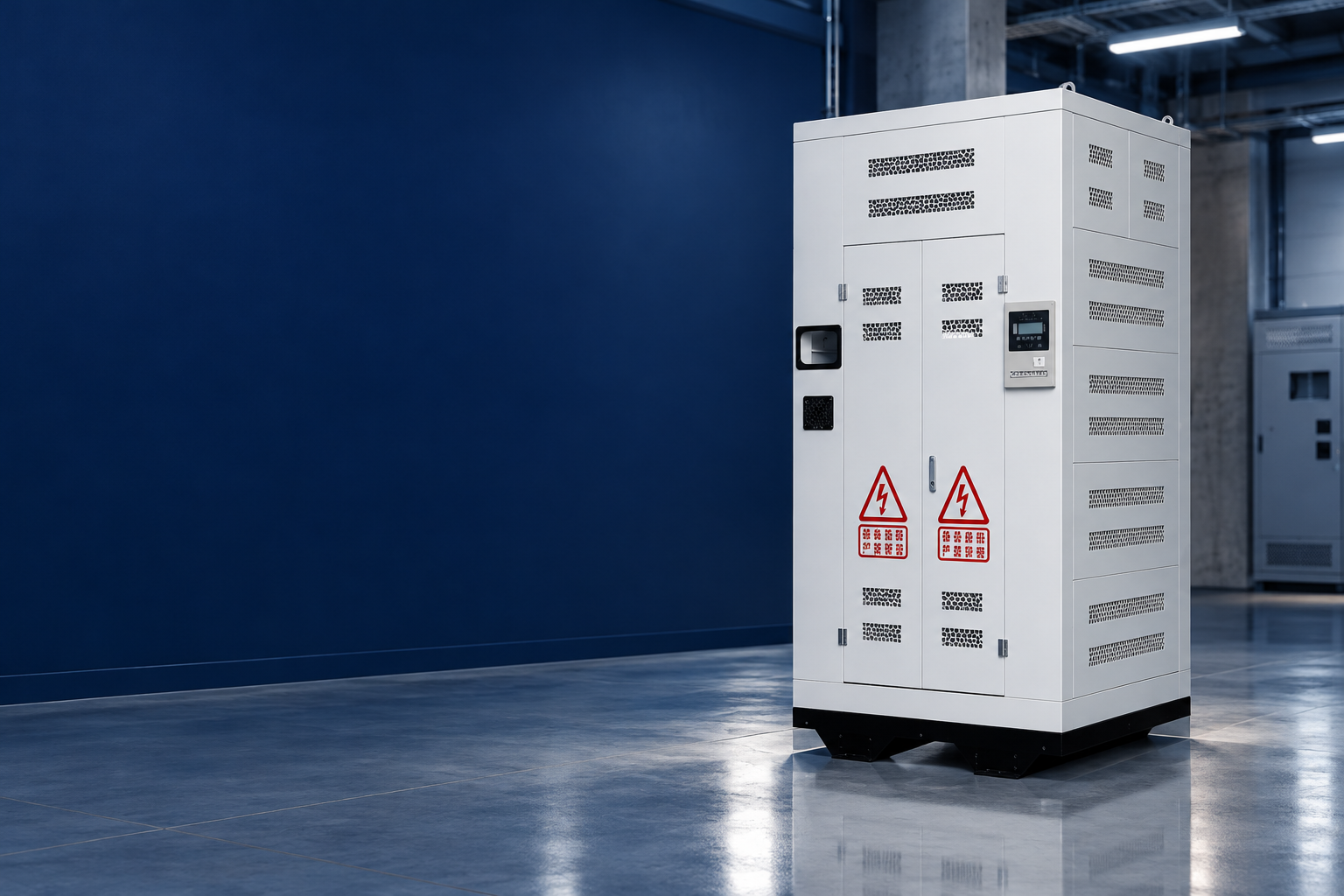
LBAJI’s SCB resin-insulation product image identifies a product family, not a universal maintenance method. Request the instructions for the exact supplied model and configuration. The supporting safety video from SELECT explains general isolation awareness; it does not demonstrate high-voltage transformer isolation or cleaning. Use it as background for the safety-planning section, and retain the site’s equipment-specific procedure as the authority for actual work.
الأسئلة الشائعة
How often should a dry-type transformer be cleaned?
Use the manufacturer’s instructions and a condition-based maintenance review. Contamination, room conditions, operating history and changes in nearby activity can justify different inspection and cleaning intervals.
Can compressed air be used for cleaning?
Do not assume it is suitable. Obtain the manufacturer’s approved method and assess redistribution, moisture and equipment-damage risks. This guide supplies no universal pressure setting or authorization to use compressed air.
Does removing dust prove the transformer can be energized?
No. Cleaning completion, defect disposition, required checks and operational release are separate decisions. The competent responsible team must apply the agreed return-to-service process.
What should happen if cleaning reveals cracking or tracking?
Stop routine work in the affected area, preserve the evidence and obtain qualified assessment. Do not cover, abrade or treat the mark with an improvised chemical and report the problem resolved.
Related equipment and guides
- LBAJI SCB resin-insulation dry transformer
- الدليل الشامل لأساسيات المحولات
- صيانة المحولات: الفحص، الاختبار وقائمة التحقق
- تركيب المحولات الجافة داخل المباني: متطلبات التهوية والخلوص
Technical references
- U.S. Bureau of Reclamation: Transformers, Basics, Maintenance, and Diagnostics (2005; historical technical background)
- HSE HSG85: Electricity at work, safe working practices
- SELECT: safe isolation awareness campaign
Further learning
This trade-association animation supports the safe-work-planning section. It does not demonstrate high-voltage transformer isolation or cleaning. Source: SELECT.