Low Voltage Distribution Board: Guide
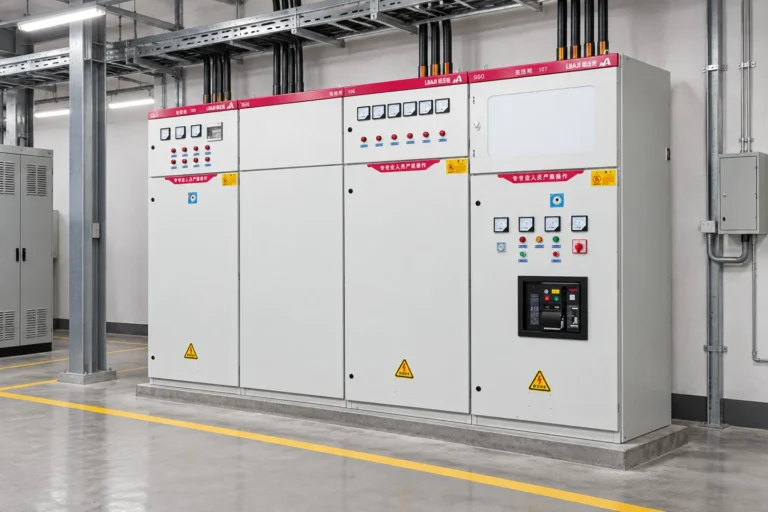


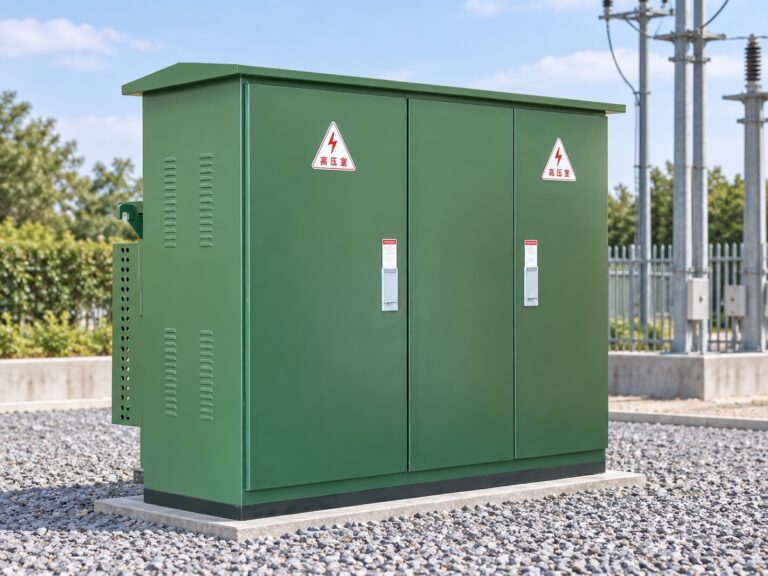
A power distribution boxes receives one incoming supply and divides it into protected branch circuits through breakers, busbars, terminals and an enclosure. Selection starts with voltage, phase, load current, fault…
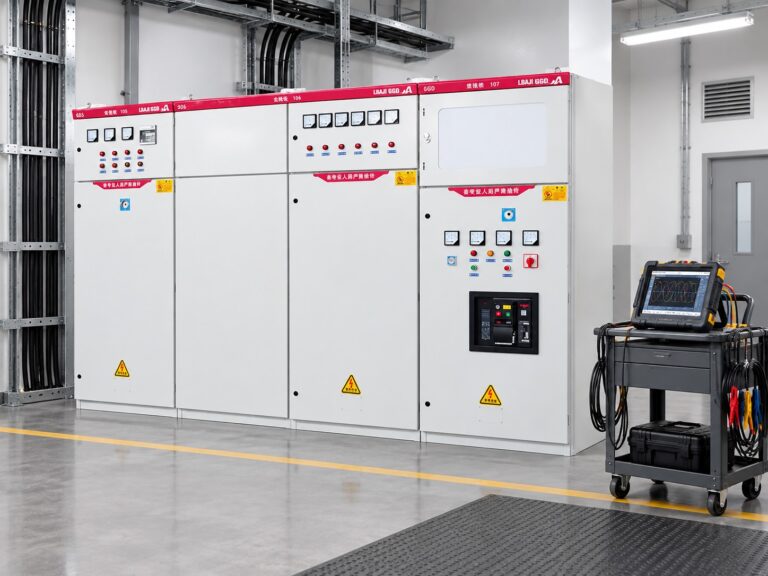
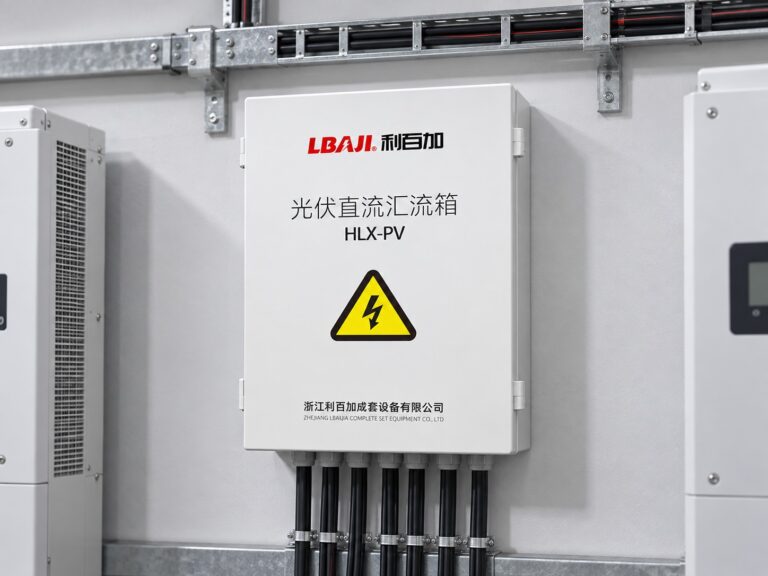
A 1000V DC combiner box collects photovoltaic string circuits before an inverter or DC collection feeder. At this voltage class, insulation coordination, DC arc interruption, creepage, clearance, polarity and surge…
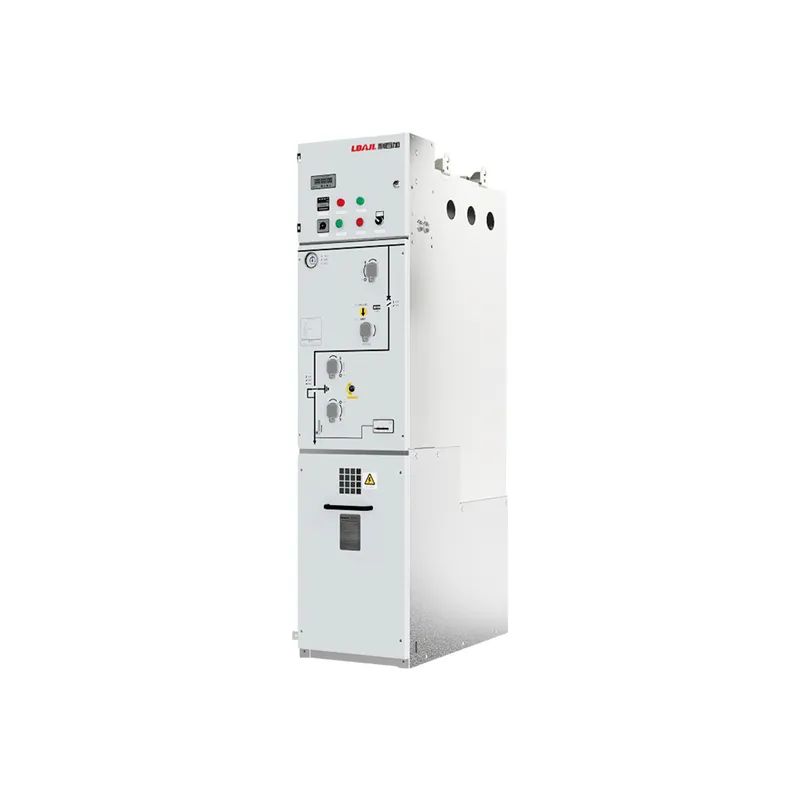
33kV GIS switchgear is a medium-voltage gas-insulated assembly for switching, protection, isolation and distribution at 33 kV. The primary conductors, busbars and switching devices are enclosed in grounded compartments…
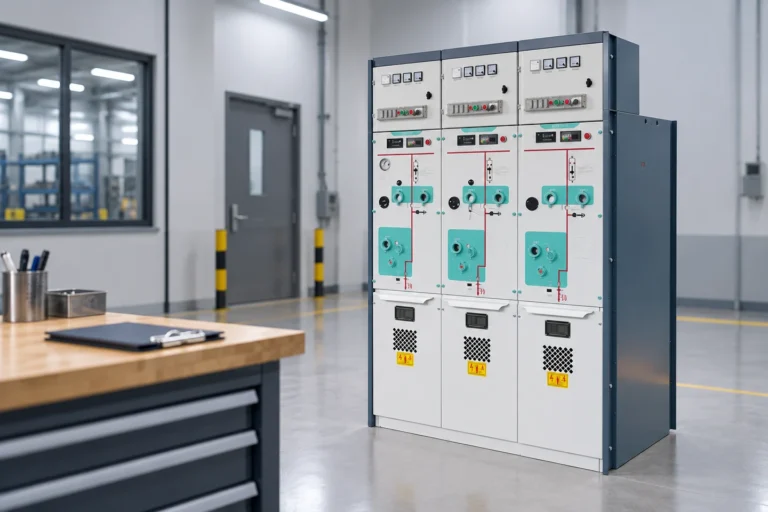
Ring main units (RMUs) in electrical distribution are compact medium-voltage assemblies used to switch, protect and sectionalize ring or radial feeders. An RMU normally combines load-break switches, an earth switch,…
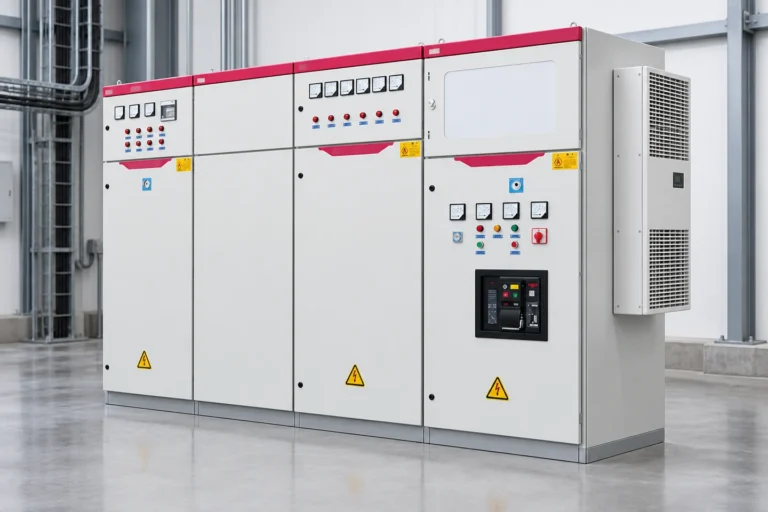
Medium-voltage switchgear controls and protects electrical distribution systems between low-voltage utilization and high-voltage transmission. It is used in utility substations, factories, data centers, mines, buildings and renewable-energy plants. This guide compares air- and gas-insulated, metal-clad and ring-main designs and explains…
Tell us about your electrical equipment requirements.