How Much Voltage Drop Is Acceptable?


A control cabinet cooling fan removes enclosure heat while keeping the cabinet protected from dust, moisture and contaminants. Selection is based on internal heat loss, ambient temperature, target internal temperature, enclosure surface heat transfer, duty cycle and installation conditions—not cabinet…
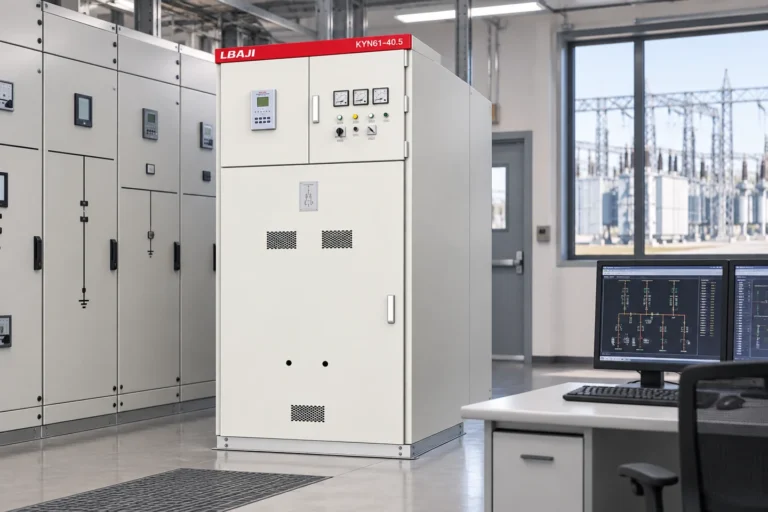
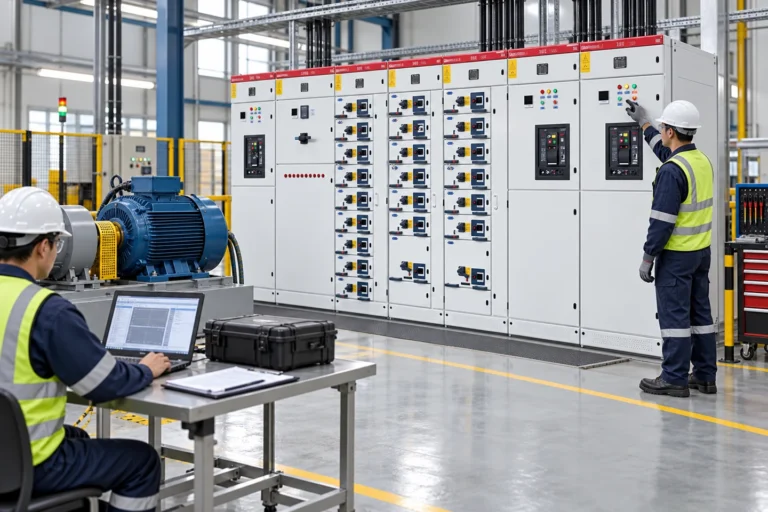
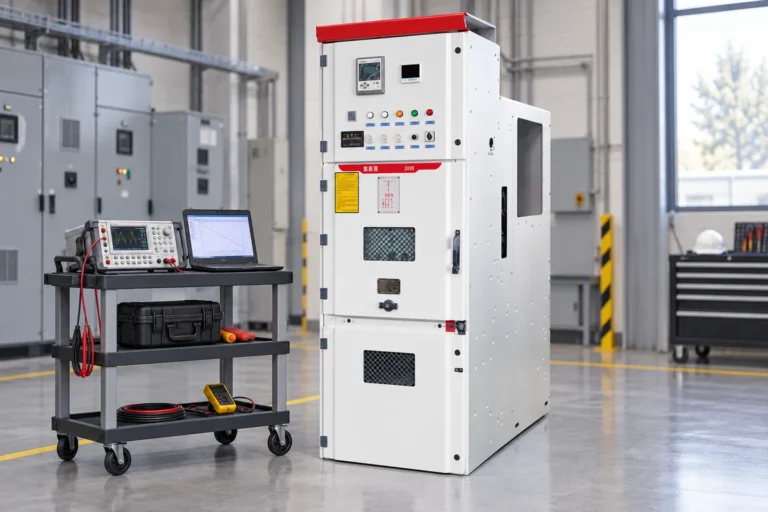
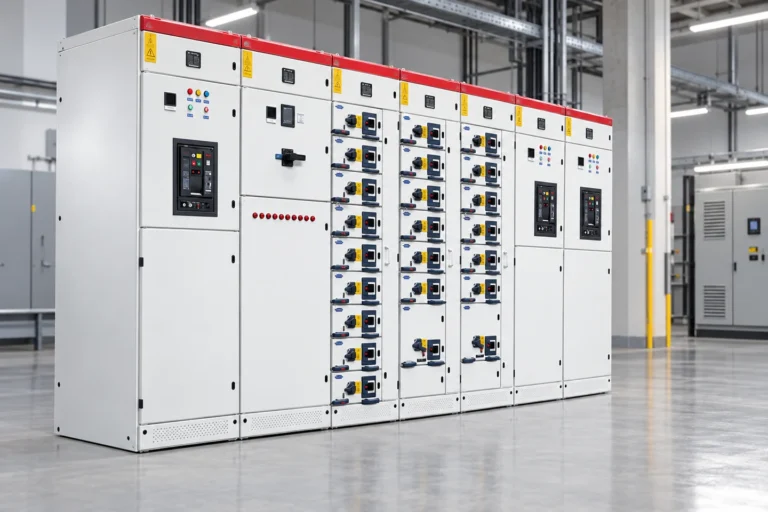
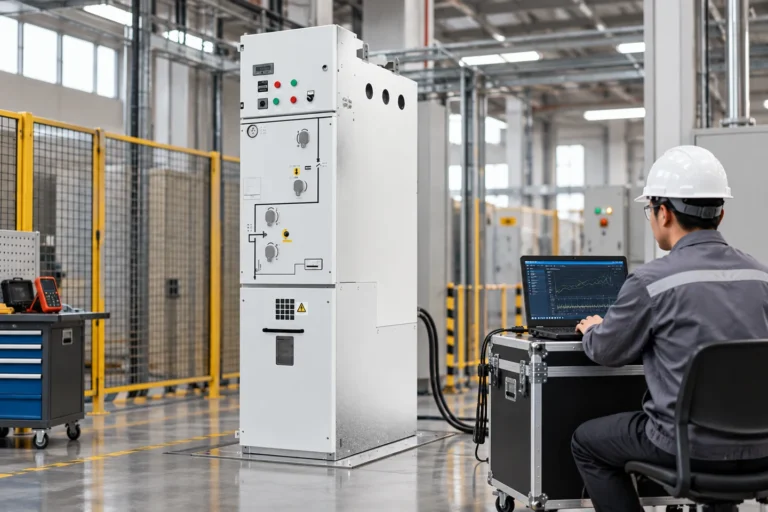
Control switchgear houses power distribution, motor control, automation, protection and operator interfaces in an engineered enclosure. A reliable panel starts with a functional description, load list and I/O schedule before component layout. Related references include the 33kV GIS switchgear guide,…
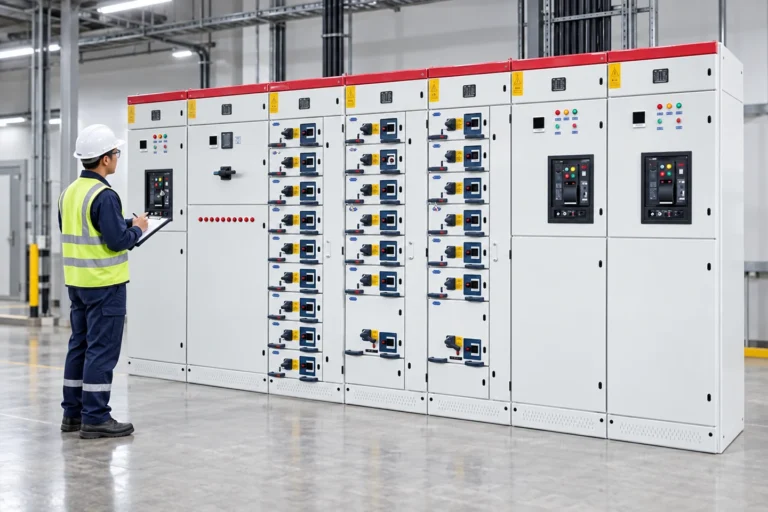
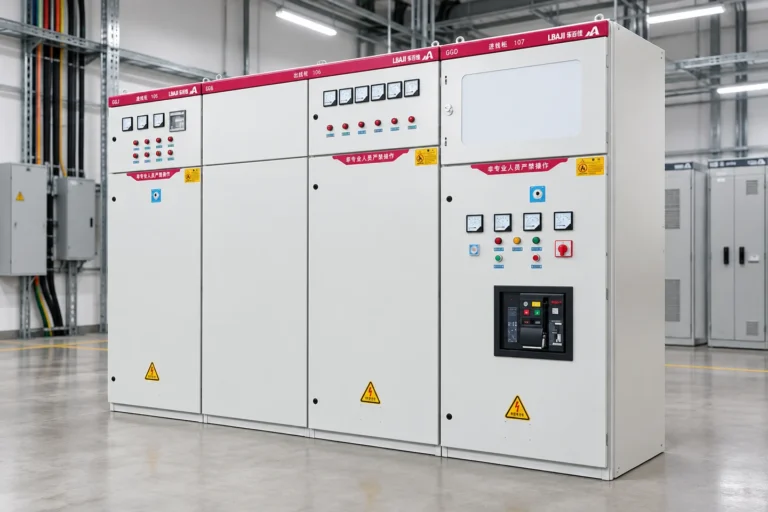
Electrical cabinets and enclosures protect and organize switchgear, controls, terminals and wiring. Material, ingress protection, heat removal, internal separation, cable entry and maintainability must be selected from the equipment and environment, not appearance. For related planning, see the distribution panels…
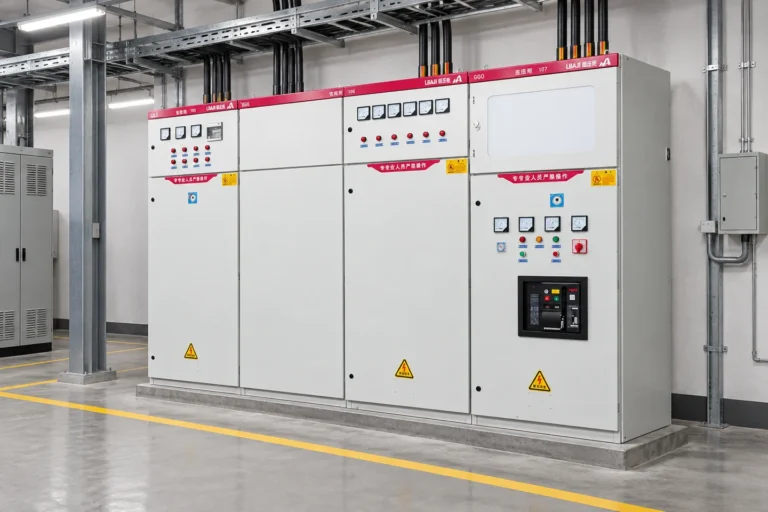
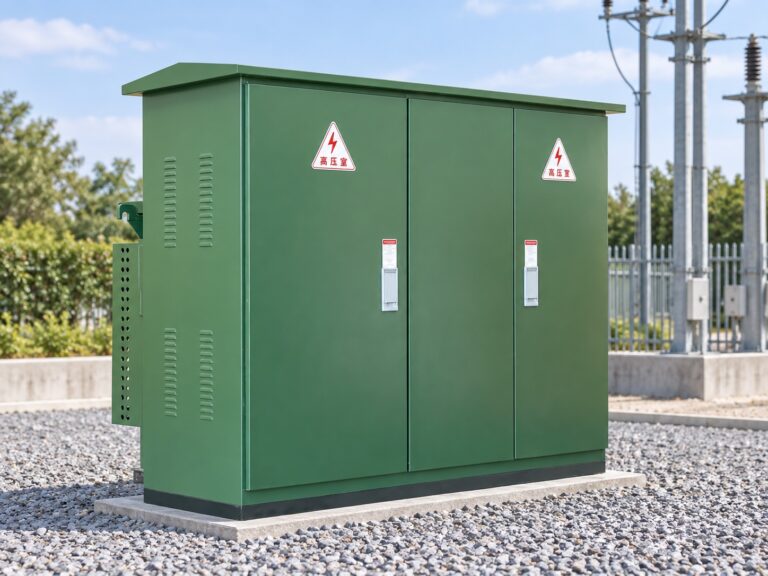
A power distribution boxes receives one incoming supply and divides it into protected branch circuits through breakers, busbars, terminals and an enclosure. Selection starts with voltage, phase, load current, fault…
Tell us about your electrical equipment requirements.