wp_kexun

wp_kexun

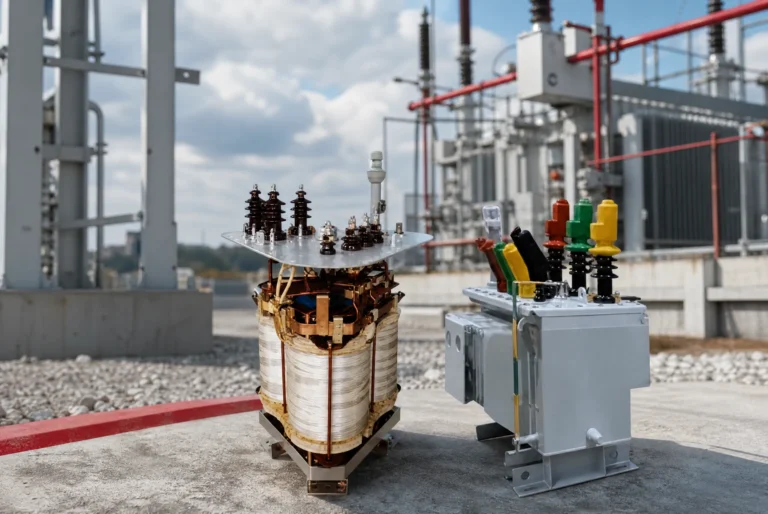
Advantages of a 20KVA Dry Type Transformer
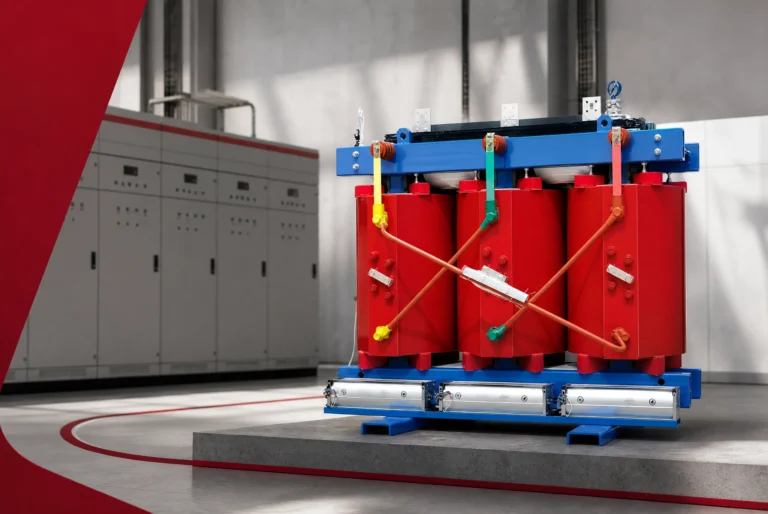
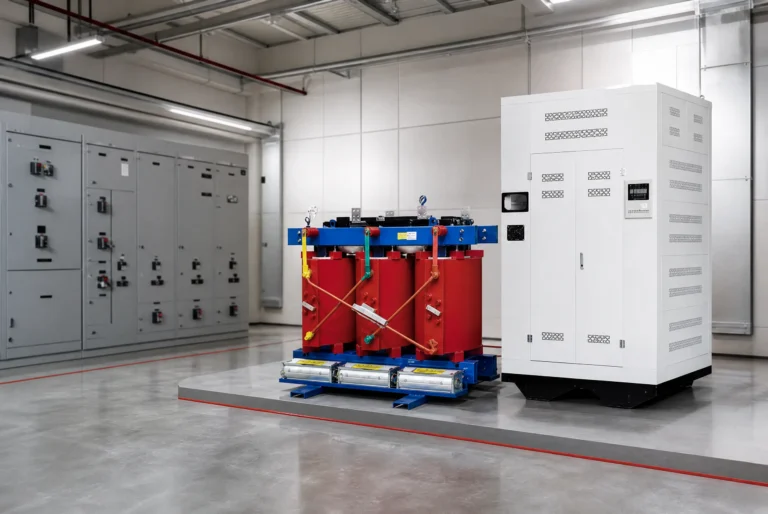
The 20KVA dry type transformer is a compact, air-insulated power solution rated at 20 kilovolt-amperes, designed to step voltage up or down for small to medium applications. It uses solid insulation and airflow cooling instead of oil, eliminating fire hazards and making it ideal for safety-critical indoor environments like hospitals, schools, and commercial buildings. With advantages including low maintenance, high efficiency, and quiet operation, the 20KVA dry type transformer provides reliable, environmentally-friendly power distribution across industrial, commercial, and renewable energy applications.
How much load can a 63 kVA transformer handle?

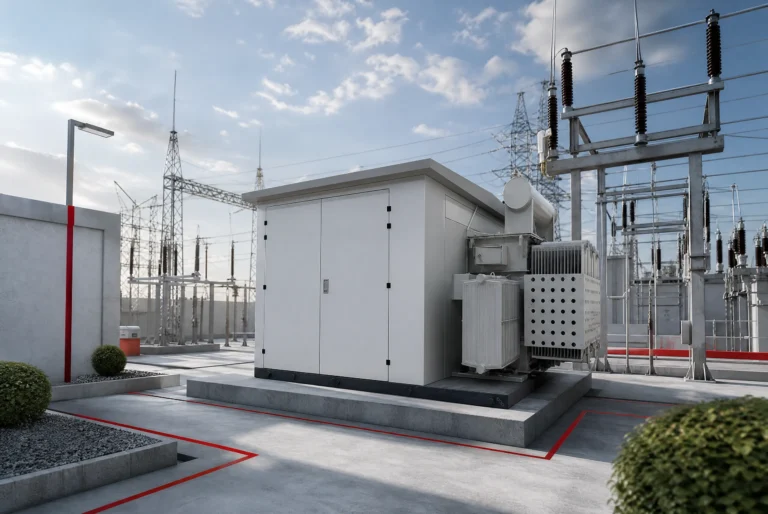
A 63 kVA transformer delivers 63,000 volt-amperes of apparent power, which at a typical 0.8 power factor translates to a real load capacity of approximately 50.4 kW. Operating at 400V, it provides roughly 90A of current. Exceeding its rated capacity risks overheating, insulation failure, and reduced service life. Commonly used in small industrial facilities, commercial buildings, and agricultural operations, a 63 kVA transformer is a practical, cost-effective solution for moderate power demands. Proper selection requires evaluating voltage requirements, power factor, cooling type, and compliance with local regulations.

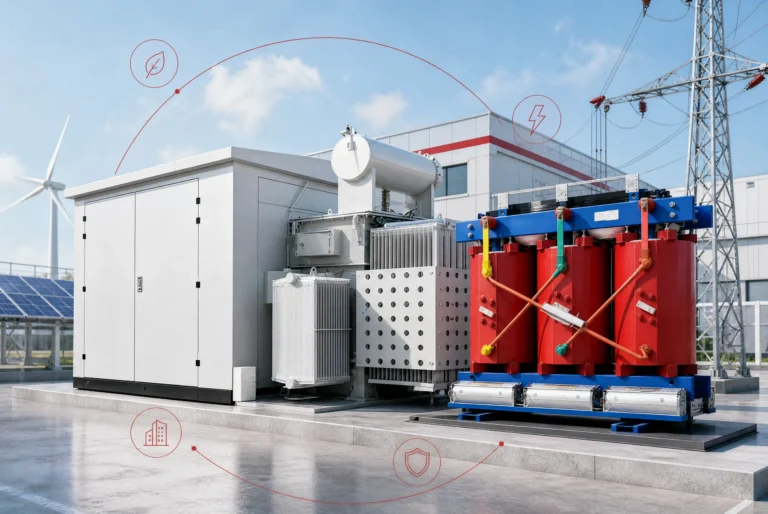
What Is a 630KVA Dry Type Transformer? A Complete Guide

The 630KVA dry type transformer is an air-cooled unit rated at 630 KVA, using resin-insulated windings for safe, oil-free operation. It delivers high efficiency (typically above 95%), low maintenance, and compact design, making it ideal for industrial plants, commercial buildings, hospitals, and renewable energy installations. With IEC 60076 compliance and a service life exceeding 30 years, it offers a reliable, environmentally friendly solution for large-scale power distribution.

Why Choose a 1250KVA Transformer?

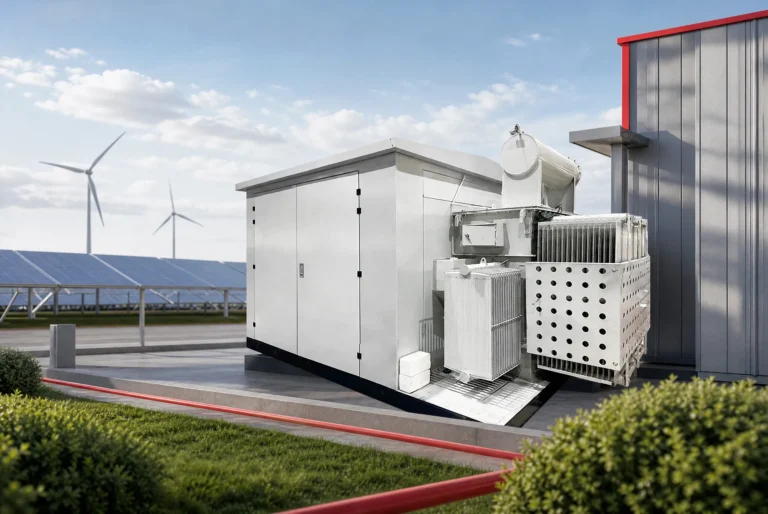
The 1250KVA transformer is a power distribution unit designed to deliver a maximum apparent power of 1250 KVA. It primarily steps down high-voltage grid electricity to safe, usable levels for industrial, commercial, and healthcare facilities, while also stepping up low-voltage output from renewable sources for grid integration. Its key advantages include high efficiency, long service life, low lifetime operating costs, and reliable performance across varying loads and harsh environments. When selecting a 1250KVA transformer, critical factors include input/output voltage ratings, peak load capacity, installation environment, and customizable features. Combining practicality with scalability, the 1250KVA transformer offers a cost-effective, dependable solution for growing power demands.

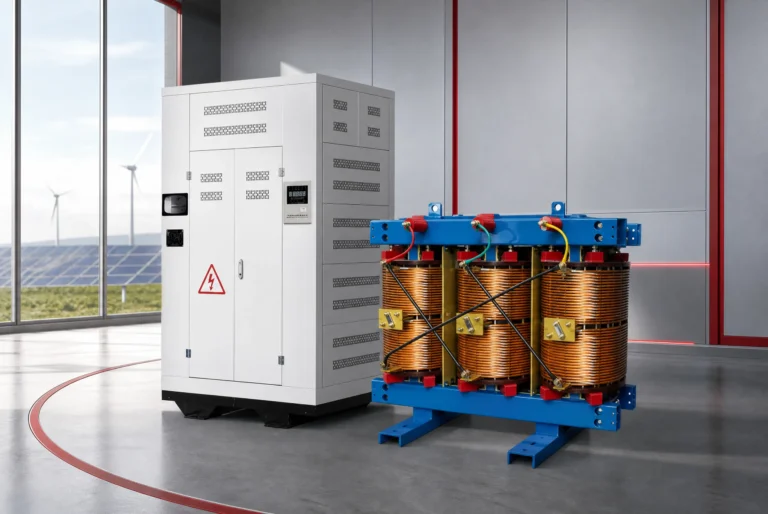
400KVA Dry Type Transformer: Components, Cooling Methods & Efficiency Explained

A 400KVA dry type transformer stands as a cornerstone of modern power distribution, uniquely combining high efficiency with superior safety. Unlike traditional oil-filled units, this transformer relies on air-based cooling methods—either natural convection or forced air—and solid epoxy resin insulation to eliminate fire hazards and environmental risks entirely. Engineered with a silicon steel core and copper or aluminum windings, a 400KVA dry type transformer typically achieves an impressive 98% to 99% efficiency rating, making it an ideal choice for industrial facilities, commercial buildings, and unit substations where reliable, low-maintenance, and space-efficient power delivery is non-negotiable.

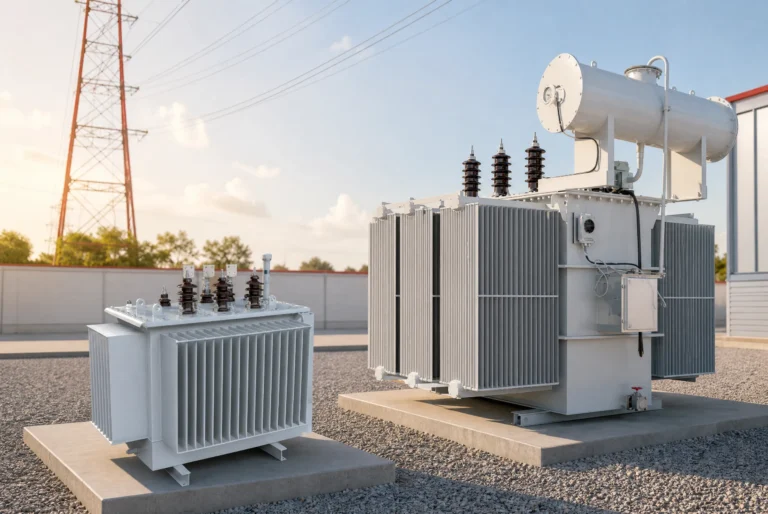
What is a 400KVA Oil Transformer and How Does It Work?

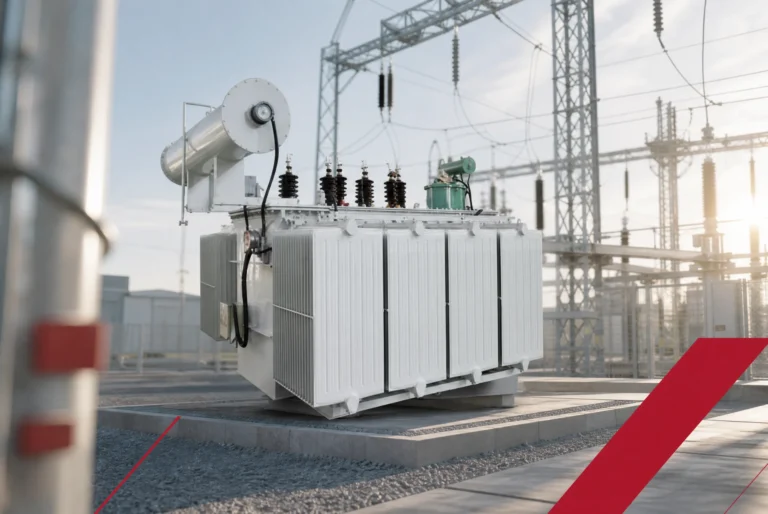
A 400KVA oil transformer plays a vital role in modern power distribution by combining robust load-handling capacity with efficient thermal management. Unlike dry-type alternatives, this transformer uses specially formulated insulating oil that serves a dual purpose—cooling internal components during operation while providing high-level electrical insulation between windings and the core. With a typical oil capacity ranging from 150 to 250 liters, a 400KVA oil transformer is engineered to deliver reliable voltage transformation under demanding conditions, making it a preferred choice for commercial and industrial applications where consistent performance and long service life are essential.

What is a dry type power transformer?

A dry type power transformer stands out in modern electrical systems primarily for its superior safety and environmental performance. By relying on air and solid insulation materials like epoxy resin instead of combustible liquids, it dramatically reduces both fire hazards and the risk of environmental contamination from oil leaks. These inherent advantages, combined with its low-maintenance design and durable resistance to moisture and dust, make the dry type power transformer a reliable and space-efficient choice for applications ranging from commercial buildings and data centers to harsh industrial environments and renewable energy installations.

30 KVA Distribution Transformer: Reliable Power for Small-Scale Needs

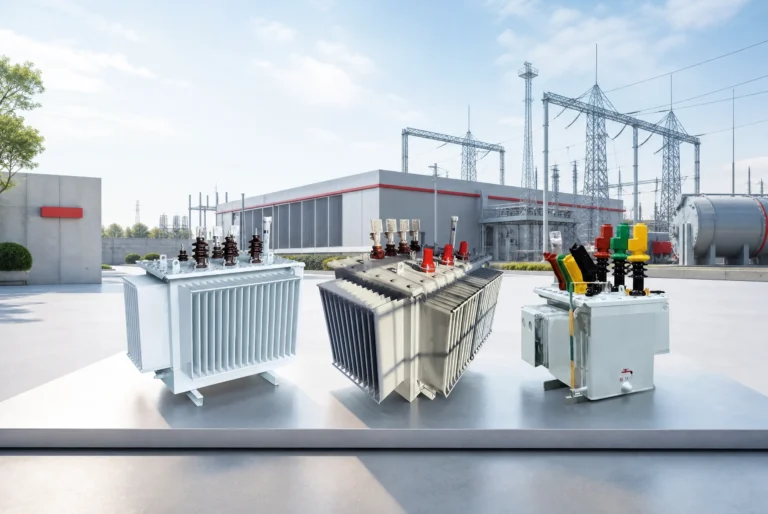
For small businesses and residential applications, the 30 KVA Distribution Transformer delivers reliable and efficient voltage conversion in a compact, durable design. It provides steady power that protects equipment, requires minimal maintenance, and serves as a cost-effective solution for light industrial, commercial, and community power needs.

630 KVA Electrical Transformer: Reliable Power for Industrial Use

For manufacturing and commercial operations where consistent power delivery is non-negotiable, the 630 KVA electrical Transformer serves as a critical infrastructure component. Engineered to handle substantial loads while maintaining stable voltage levels, this transformer safeguards sensitive equipment from damaging fluctuations and minimizes energy losses that drive up operating costs. From factories and warehouses to large commercial buildings with demanding HVAC and lighting requirements, the 630 KVA transformer provides the ideal balance of capacity, reliability, and efficiency. By integrating this solution into their power systems, businesses establish a dependable foundation that supports both current production demands and future operational growth.

What are the advantages of a 1000KVA transformer?

When planning the electrical infrastructure for large-scale facilities, engineers often regard 1000 KVA transformers as an ideal balance between capacity and energy efficiency. These units not only meet the dense loads of industrial production lines or data centers, but their low-loss characteristics also help control long-term operating costs. By selecting suitable 1000 KVA transformers, businesses can ensure a reliable power supply while reserving flexible space for future expansion and integration.