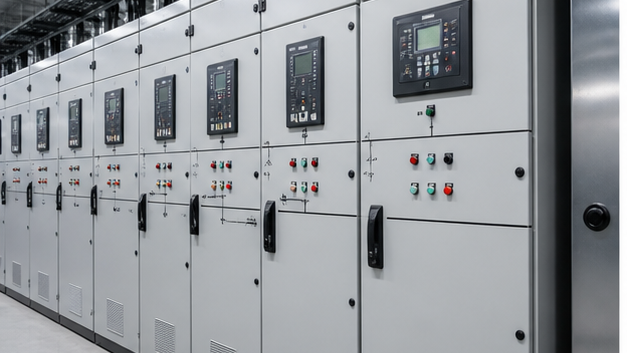
Low Voltage: Guide
Low voltage describes the electrical range used for most building services, industrial loads, and final distribution. The exact boundary depends on the governing standard and jurisdiction. In IEC terminology, low…


Low voltage describes the electrical range used for most building services, industrial loads, and final distribution. The exact boundary depends on the governing standard and jurisdiction. In IEC terminology, low…
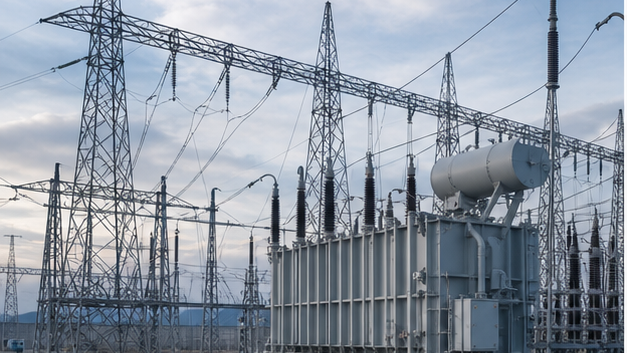
High voltage allows electric power to move long distances with lower current and lower conductor losses, but it also increases insulation, clearance, protection and safety requirements. This guide explains what voltage…
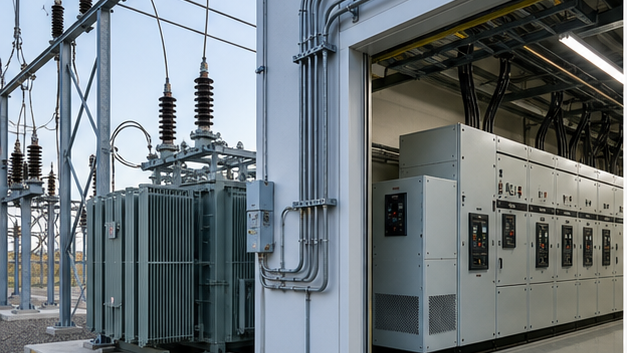
An electrical distribution system transfers power from a utility connection or generator through substations, transformers, switchgear, panels and cables to the final loads. Good design delivers acceptable voltage,…
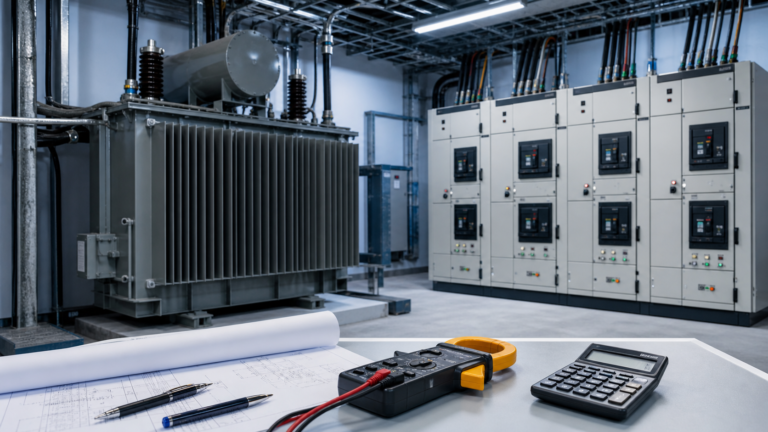
Converting kVA to amps is one of the most common calculations in transformer, generator, cable and switchgear selection. The arithmetic is simple, but the result is only correct when the phase arrangement and voltage…
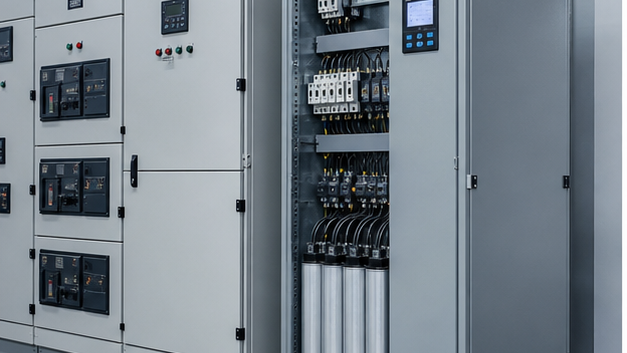
A power factor correction capacitor supplies reactive power close to an inductive load, reducing the reactive current drawn from the utility. Correctly applied, a capacitor bank can lower current, release transformer…
Tell us about your electrical equipment requirements.