
When it comes to providing dependable and efficient methods for distributing electrical energy, the Oil Immersed Power Transformer is still considered one of the most popular and reliable solutions available today. To maintain maximum operational efficiency from this type of transformer for as long as possible, it is important that load management principles are adhered to. This article will discuss important aspects of Oil Immersed Power Transformers that need to be understood by operators and engineers alike in order to provide safe and efficient operation of these units. In addition, this article will provide answers to some common questions related to Oil Immersed Power Transformers so operators and engineers can get the most out of these units.
What is the Loading Guide for Oil Immersed Power Transformers?
The Loading Guide for Oil-Filled Power Transformers is a recommendation that provides operational limits for a transformer to operate at specific loads without damaging the transformer, based on the recommended parameters. The Loading Guide contains information on maximum allowed temperature, allowable current for operation of the transformer and the allowable duration of overload for the transformer, along with the same for various sub-types of oil-filled power transformers, such as three-phase oil-filled transformers. This guide will help operators to minimize risks associated with excessive heat generation in the transformer and premature aging of transformer components, which could result in transformer failure and costly repairs.
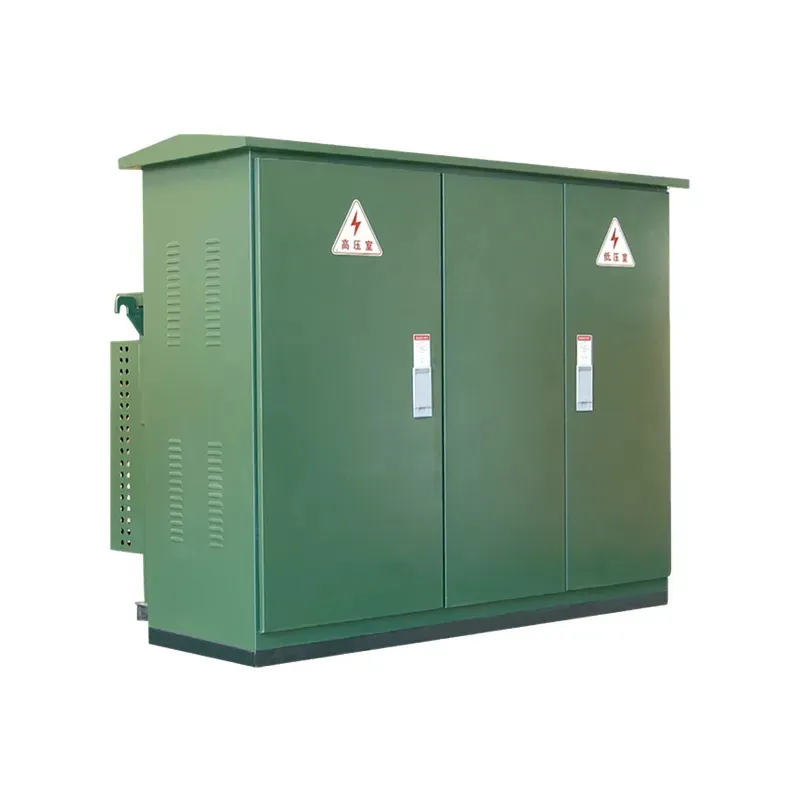
The Importance of Thermal Limits for Oil Immersed Power Transformers
The Thermal Limits provided in the Loading Guide identify the limits relative to temperature that an oil-immersed power transformer can reach without impacting reliability or safety, and they control the integrity of the various internal components including the Oil and Insulation. For example, examples of typical thermal limits for an oil-immersed transformer are 95°c for Oil Temperature and 110°c for Winding Temperature. Exceeding these thermal limits will cause Insulation Degradation leading to an irreversible failure of the Transformer. Therefore, it is important to understand and respect these thermal limits to ensure the equipment’s long-term operation.
How Overloading Impacts Oil Immersed Power Transformers
An Oil Immersed Power Transformer will experience an excessive load causing a transformer to overload due to the hot temperatures created from an excessive load exceeding the designed capacity of that transformer. This leads to the accelerated aging of core parts of the transformer, such as windings and insulation, as the transformer experiences thermal runaway caused by an excessive load being placed on it repeatedly. Examples of this can be seen with cellulose insulation that has suffered through excessive loading multiple times and cannot be repaired; therefore, losing much of the transformer’s serviceable lifecycle. Loss of insulation also would lead to the increase in temperature inside the working fluid or oil that leads to failure because of how oil’s dielectric quality is reduced beyond allowable limits, which will, in turn, lead to a catastrophic failure. Therefore, avoiding overloading is fundamental to proper transformer operation.
Key Parameters to Monitor During Transformer Loading
There are several parameters to monitor to ensure your Oil Immersed Power Transformer is performing optimally during loading. Some of these parameters include:
- Oil temperature and level, to ensure that cooling is effective and prevent overheating.
- Winding temperature, as an increase beyond the permissible limit can signal potential risks.
- Load current, to ensure it does not exceed the rated value.
- Oil quality, focusing specifically on the moisture content and dielectric strength.
- As such, detection of any dissolved gases in transformer oil could be considered a pre-condition to a fault.
Monitoring of these variables provides early detection of any anomalies that could cause damage and guarantees that the transformer operates effectively regardless of load condition.
Cooling Methods for Oil Immersed Power Transformers
Selecting the correct cooling method for oil Immersed Power Transformers is one of the primary functions required to manage their loading correctly. The most frequently utilized cooling systems are:
- ONAN (Oil Natural Air Natural): Natural convection cooling is the most common way to cool low-capacity transformers because both the oil in the transformer and the air around the transformer naturally circulate and transfer heat away from the transformer.
- ONAF (Oil Natural Air Forced): Forcing air through cooling radiators is a good method of cooling for Medium Capacity Oil Immersed Power Transformers.
- OFWF (Oil Forced Water Forced): The oil flows via outside heat exchangers in high-voltage transformer installations, with the assistance of external systems (water) to cool down transformers. Thus, the oil cools off transformers in locations that are not accessible to adequate air cooling methods.
To maintain the transformer within acceptable limits and to improve it’s capability to transmit larger amounts of energy, users must ensure that the cooling system is suitable for the operational requirements of the transformer.
FAQs About Loading Oil Immersed Power Transformers
Below are several popular questions / answers concerning the loading of oil immersed power transformers:
1. What is the loading guide for oil immersed transformers?The loading guide provides guidelines for the use of an Oil Immersed Power Transformer within its rated limits of operation based on the loading conditions of the transformer.
2. How does overloading affect transformer aging?Rates Of Heat Resulting From Overloading An Oil-Immersed Power Transformer Will Result In Increased Aging Rates of The Transformers And Decreased Life Expectancy Due To Increased Rate Of Insulation And Internal Component Degradation Resulting From These Heating Conditions.
3. What are the thermal limits for oil immersed transformers?To ensure that the transformer and associated components remain safe while being used, thermal limits are designed to limit the maximum temperature of the oil to 95 degrees Celsius and the maximum temperature of the windings to 110 degrees Celsius.
4. What parameters should be monitored under loading?For identifying faults or deterioration in equipment, key parameters to monitor are: oil temperature, winding temperature, load current, oil quality (degree of contamination) and dissolved gas levels.
Practical Tips for Optimizing the Performance of Your Oil Immersed Power Transformer
To maximize the efficiency and lifespan of your Oil Immersed Power Transformer, follow these tips:
- Maintain an updated and complete loading guide for your transformer model and follow it strictly.
- Regularly test the quality of dielectric oil to ensure it is free from moisture and impurities.
- Schedule regular maintenance checks to identify and resolve issues promptly.
- To prevent a single transformer from being overworked, all of the electrical load should be evenly distributed between the different transformers being used.
- Investing in advanced condition-monitoring tools, like thermal sensors, dissolved gas analyzers, and oil analyzers, provides you with real-time data.
Conclusion
If you want your Oil Immersed Power Transformer to operate at maximum efficiency for its entire life cycle, it is critical to know how to load these transformers properly. Proper load management includes; keeping the transformer temperature within specified limits, preventing excessive loading of the transformer, tracking key performance parameters, and maintaining the oil quality. The user should also select the appropriate cooling system and follow regular maintenance schedules to protect the transformer’s operational integrity. All of these procedures will help improve the efficiency of the transformer and reduce the chances of unplanned outages.