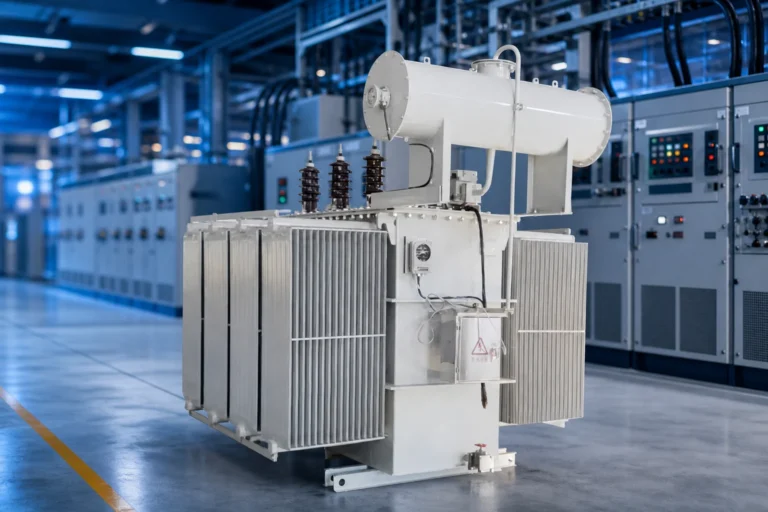
125KVA Oil Immersed Power: Specifications, Applications and Selection Guide
Plan a 125KVA oil immersed power transformer for US industrial sites: voltage class, cooling, impedance, tap settings, and RFQ checklist from LBAJI. Confirm uti


Plan a 125KVA oil immersed power transformer for US industrial sites: voltage class, cooling, impedance, tap settings, and RFQ checklist from LBAJI. Confirm uti
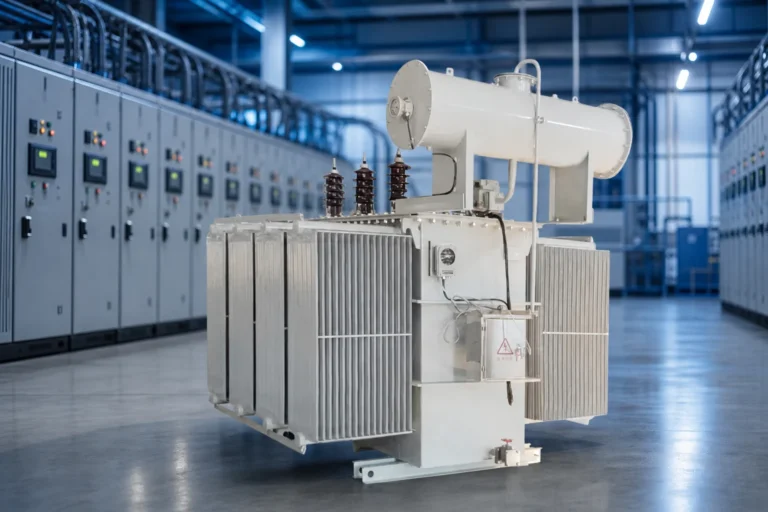
Plan a 50KVA oil immersed power transformer for US industrial sites: voltage class, cooling, impedance, tap settings, and RFQ checklist from LBAJI. Confirm util
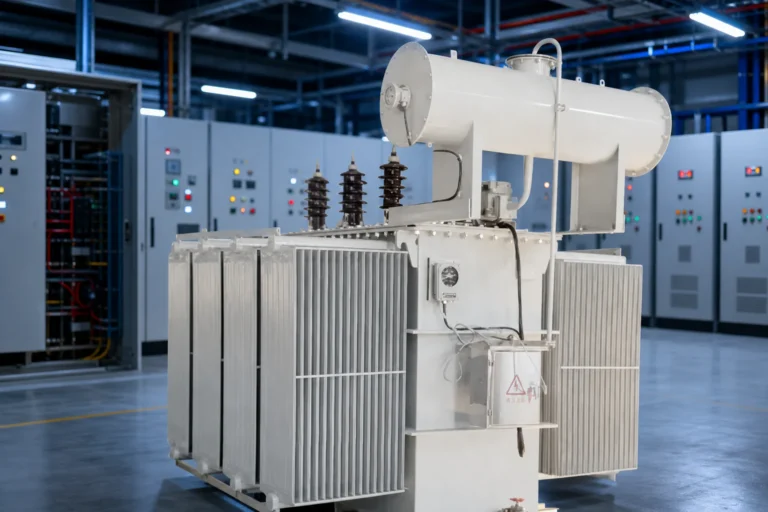
Plan a 20KVA oil immersed power transformer for US industrial sites: voltage class, cooling, impedance, tap settings, and RFQ checklist from LBAJI. Confirm util
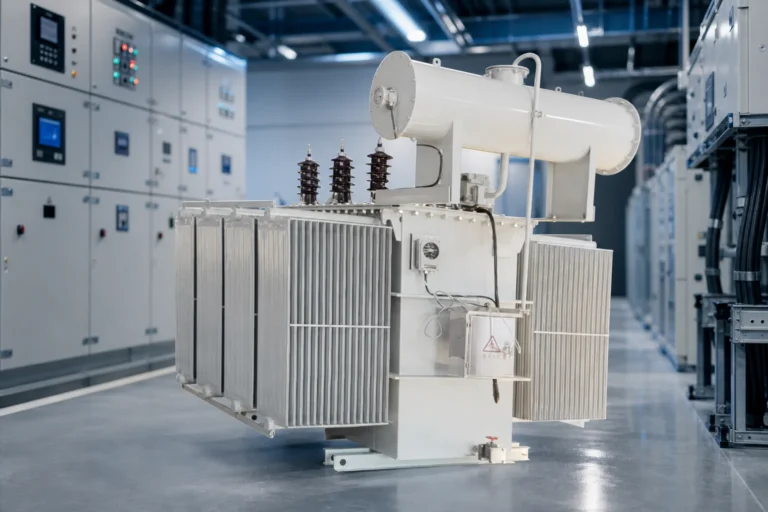
Plan a 250KVA dry type power transformer for US industrial sites: air cooling, impedance, tap settings, and RFQ checklist from LBAJI engineering team.
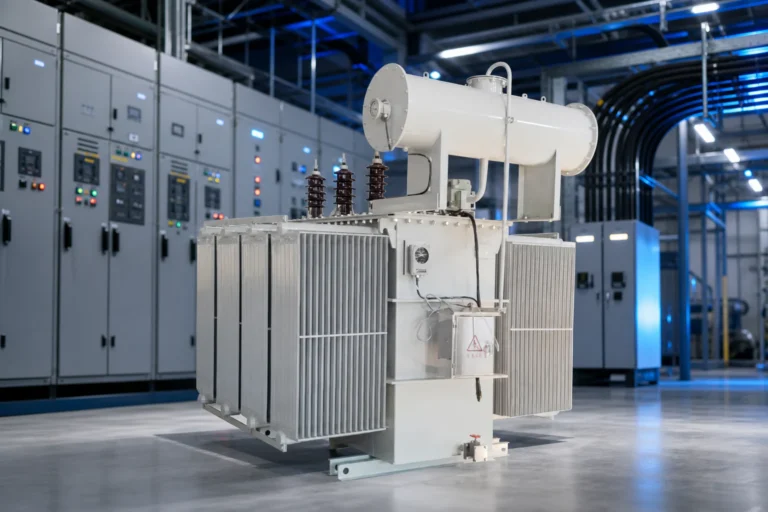
Plan a 100KVA oil immersed power transformer for US industrial sites: voltage class, ONAN cooling, impedance, tap settings, and RFQ checklist from LBAJI.
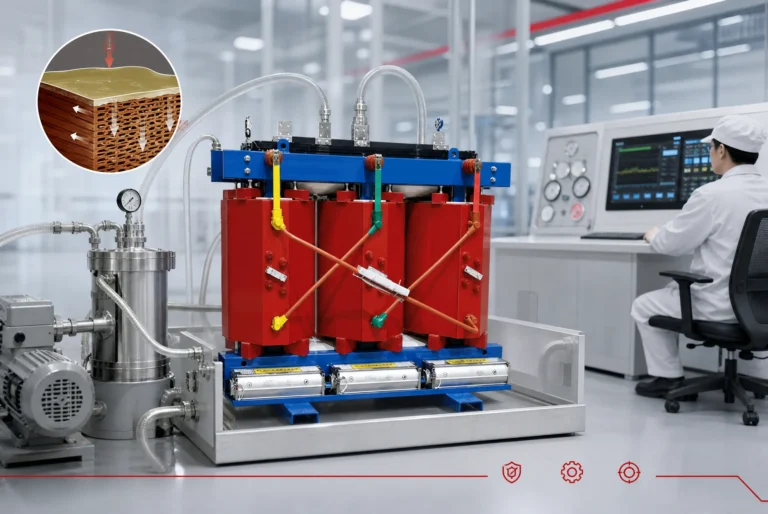
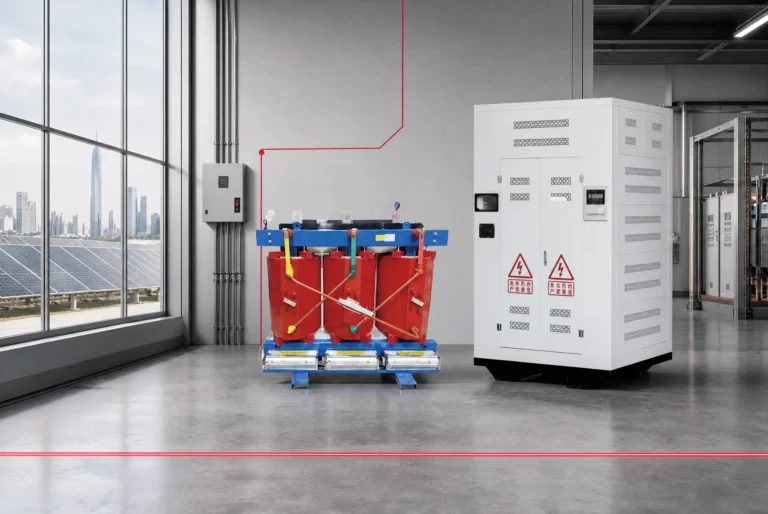
Installing an 80KVA dry type distribution transformer safely requires careful site preparation, proper electrical connections by qualified personnel, and thorough grounding to ensure reliable air-cooled operation without fire risks. Completing essential post-installation tests such as insulation resistance, TTR, and load testing confirms that the transformer will deliver long-term, efficient power distribution for indoor and urban applications.
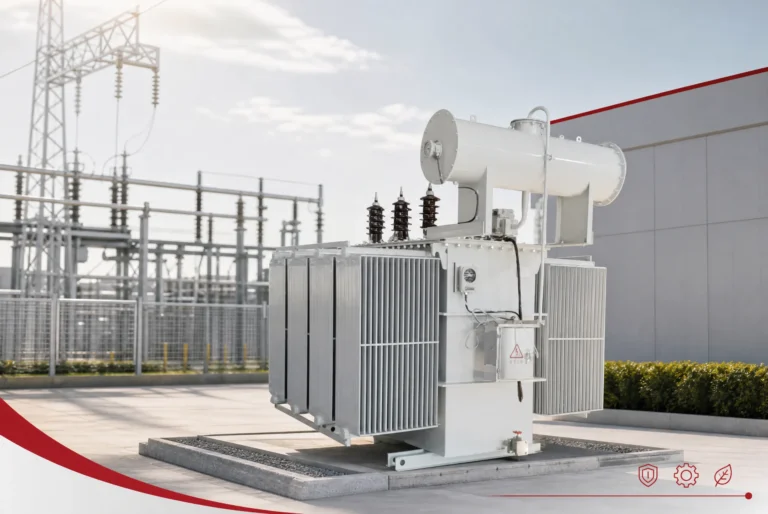
The 3150 KVA oil transformer is a high-capacity, oil-filled power distribution solution widely used in industrial plants, commercial buildings, and renewable energy systems to efficiently step down high-voltage electricity for practical use. Its key advantages include high energy efficiency, superior heat dissipation through insulating oil, exceptional long-term durability, and proven reliability in demanding environments, making it a sound long-term investment for businesses seeking stable and sustainable power infrastructure.
500 kVA distribution transformer current, load capacity and specifications: calculated amps, one model's published losses and dimensions, and a buyer checklist.
Tell us about your electrical equipment requirements.