
Transformer altitude derating planning decides whether thinner air at elevation reduces cooling margin and changes external clearances.
Buyers who omit elevation from the RFQ often discover late redesigns on mines, plateau plants, and high-valley substations. This guide covers what to specify, which thermal and clearance inputs change, and which documents to request.
Confirm site elevation before freezing transformer rating and room layout.

Part 1. When elevation becomes a rating input
Above the standard reference altitude, air density drops and convective cooling weakens for the same nameplate losses.
External insulation clearances may also need review for the same voltage class.
For adjacent planning notes, review the distribution transformer kVA calculation guide and the temperature rise class guide.
Important: Write the site elevation into the RFQ before comparing kVA and enclosure options. Standard catalog ratings assume a reference altitude unless the quotation states otherwise (IEC 60076-1).
Part 2. RFQ fields that keep altitude bids comparable
Ask every supplier to quote against the same elevation and ambient package.
| RFQ item | Why it matters | Send with quote |
|---|---|---|
| Site altitude | Triggers derating and clearance checks | Yes |
| Rated kVA and voltage combination | Continuous basis after derating | Yes |
| Cooling method and enclosure | Cooling path sensitivity to air density | Yes |
| Temperature rise class | Thermal limit under thinner air | Yes |
| No-load and load losses | Heat that must be rejected | Yes |
| Short-circuit impedance | Protection study still required | Yes |
Include maximum ambient and any forced-air stage limits.
Part 3. Cooling margin versus clearance margin
Cooling derating addresses winding and oil temperature; clearance reviews address external insulation geometry.
Do not assume one percentage factor solves both problems.
Write both thermal and dielectric expectations into the RFQ.
Part 4. Indoor dry type and outdoor oil notes
Indoor dry type units depend on room ventilation that also thins with altitude; outdoor oil units still need radiator and bushing reviews.
Cable entries, bushings, and surge arrester coordination may change with elevation assumptions.
Keep civil and electrical teams on one elevation figure.
Part 5. Documents and checks before order release
Request GA drawings, bushing/clearance notes, and any altitude capability statement on the quotation.
Confirm loss and impedance certificates on the same basis used for sizing.
Record the elevation used for design in the project file.
Part 6. Shortlist series after elevation is written
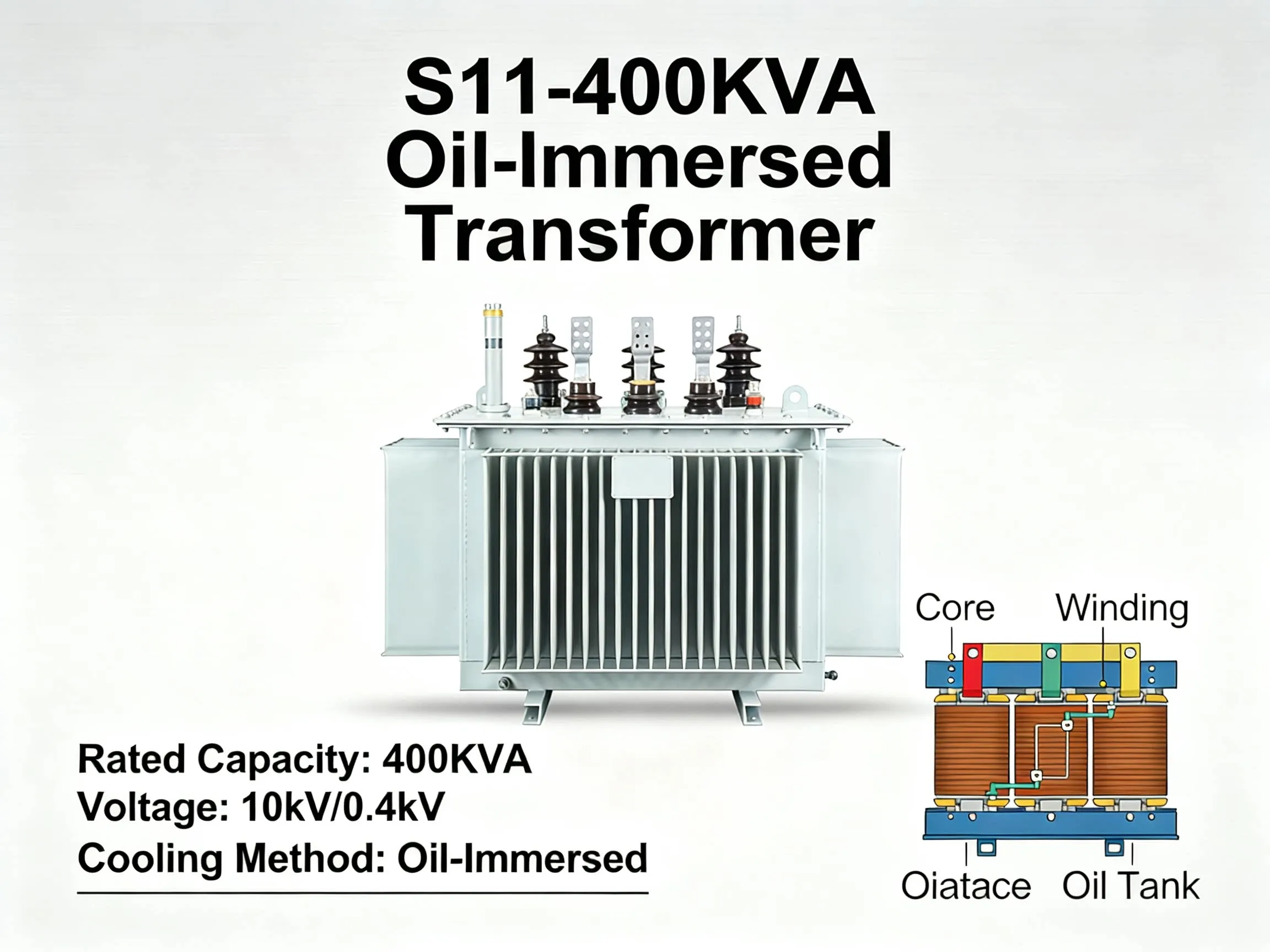
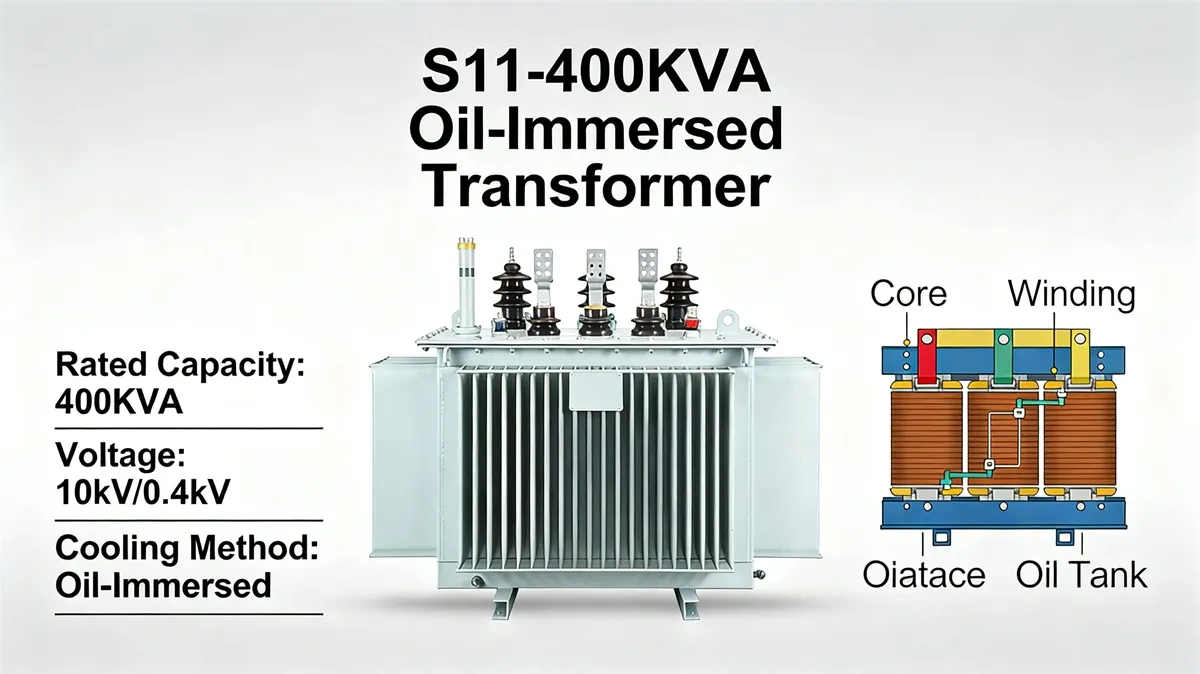
Product recommendation: After elevation and ambient are written down, open the transformer product category and compare the SC(B) resin insulated dry transformer series for ventilated indoor rooms and the S□-M oil-immersed power transformer series for outdoor yards.
| Better fit | Needs more study |
|---|---|
| Elevation stated in RFQ | Sea-level quotes for plateau sites |
| Cooling class fixed with ambient | Layout frozen before derating review |
| Clearance notes documented | Assuming one factor covers all effects |
Submit rated kVA and voltage combination, altitude, and cooling preference through Contact Us for catalog confirmation.
Part 7. Altitude-planning mistakes that force redesign
- Omitting altitude from the RFQ.
- Applying a single derating factor without cooling class context.
- Ignoring clearance and bushing notes at elevation.
- Comparing bids on different elevation assumptions.
- Freezing room layout before thermal derating is checked.
- Treating catalog kVA as final without site elevation confirmation.
FAQ
At what altitude should transformer derating start?
Follow the standard reference altitude in the governing specification and state the actual site elevation in the RFQ for supplier confirmation.
Does altitude affect dry type and oil immersed the same way?
Both need review, but cooling paths and clearance details differ; compare on the same elevation and ambient package.
Can I compensate only by oversizing kVA?
Oversizing may help thermally but does not replace clearance, bushing, and cooling-class checks.
Which ratings still belong in the quotation?
Ask for the same kVA/voltage pair, vector/tap data, declared losses, cooling and enclosure class, and the impedance used in studies.
Should ambient and altitude be stated together?
Yes—thermal margin depends on both elevation and maximum ambient.
Do fans remove the need for derating?
Forced-air stages change capacity but still need altitude-aware quotation assumptions.
What should high-elevation buyers send suppliers?
Send site elevation, ambient range, load profile, cooling limits, and required documents with the RFQ.