
Transformer overload capacity planning decides whether a distribution unit can absorb short peaks without silent insulation aging.
Buyers who leave emergency duty out of the RFQ often discover fan staging, temperature alarms, or loss of life only after the first heat wave. This guide explains what to specify, which thermal inputs belong in early design, and which documents to request.
Lock continuous rating, cooling method, and peak duty before purchase order release.
Part 1. When overload becomes a procurement topic
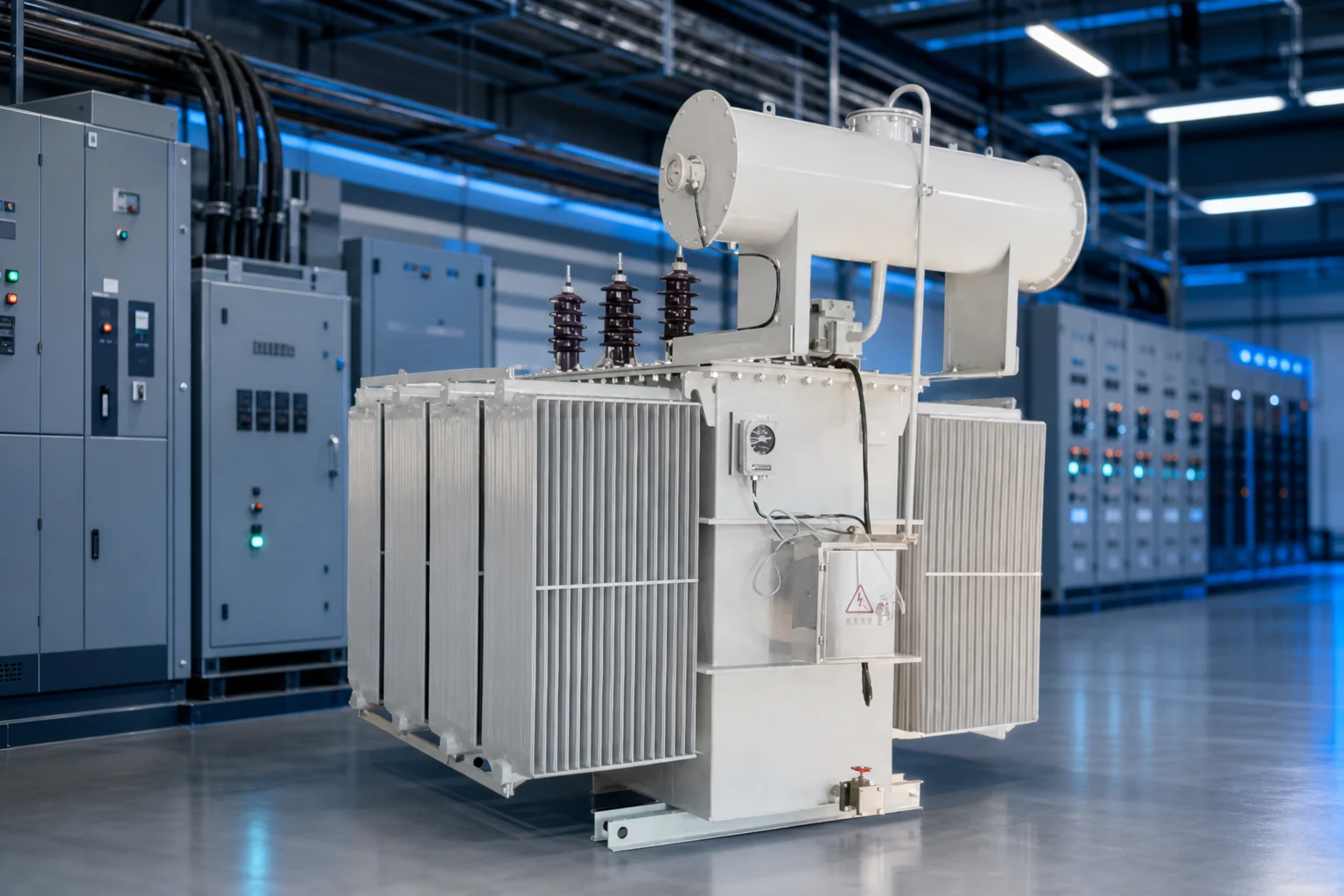
Peaks from motor starts, process cycles, or temporary contingency feeds push units above continuous nameplate.
Duration matters as much as magnitude: a two-minute spike and a four-hour emergency feed are different thermal problems.
For adjacent planning notes, review the transformer temperature rise class guide and the distribution transformer kVA calculation guide.
Important: Do not treat nameplate kVA as free overload capacity. State peak load, duration, prior loading, ambient, and cooling class before comparing bids (IEEE C57.91 loading guide overview).
Part 2. Ratings and duty data to request with quotations
Ask every supplier to quote against the same continuous rating and the same emergency profile.
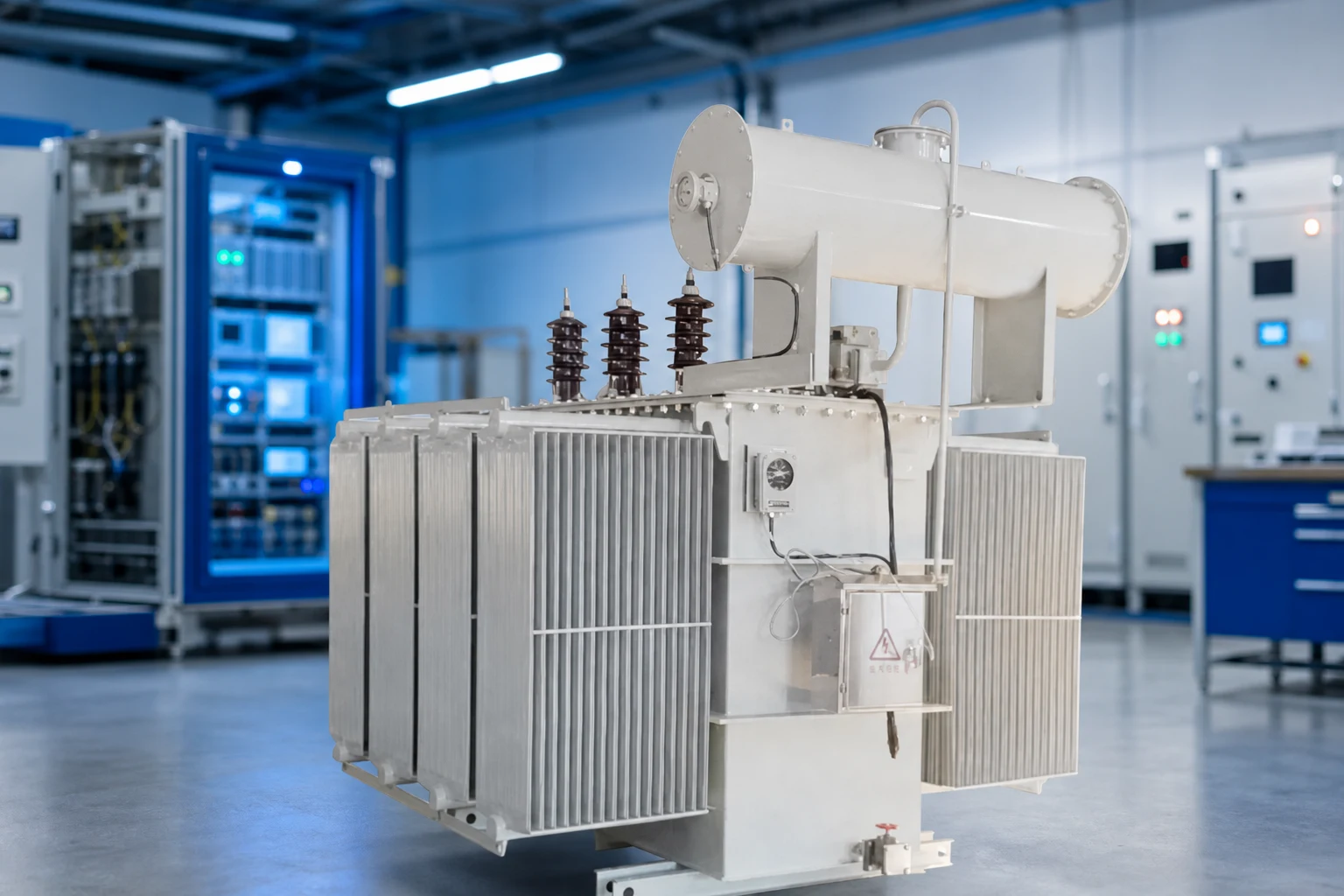
| RFQ item | Why it matters | Send with quote |
|---|---|---|
| Rated kVA and voltage combination | Continuous basis for comparison | Yes |
| Cooling method and enclosure | Fans and housings change thermal margin | Yes |
| Temperature rise class | Limits the overload window | Yes |
| No-load and load losses | Loss heat drives winding temperature | Yes |
| Short-circuit impedance | Protection and fault study still apply | Yes |
| Vector group and tap range | Confirms the electrical package | Yes |
State ambient range, altitude, and whether forced-air stages are available.
Part 3. Continuous rating versus emergency peaks
Continuous rating is the thermal basis on the nameplate; emergency peaks need an agreed duration and a cooling state.
Prior loading matters: a unit that was already hot has less room than a cold start.
Write the contingency scenario in the RFQ so suppliers do not invent different assumptions.
Part 4. Cooling stages, alarms, and monitoring
ONAN/ONAF or AN/AF stages change both capacity and audible noise; specify which stage is allowed during peaks.
Winding temperature indicators and alarms belong in the operating plan, not as afterthoughts.
Document who can authorize emergency loading and for how long.
Part 5. Drawings and checks before energization
Request GA drawings, cooling equipment locations, and temperature-device details so civil and protection teams share one package.
Confirm loss and impedance certificates on the same basis used for sizing.
Photograph nameplates and record baseline temperatures after energization.
Part 6. Match overload scenarios to candidate series pages
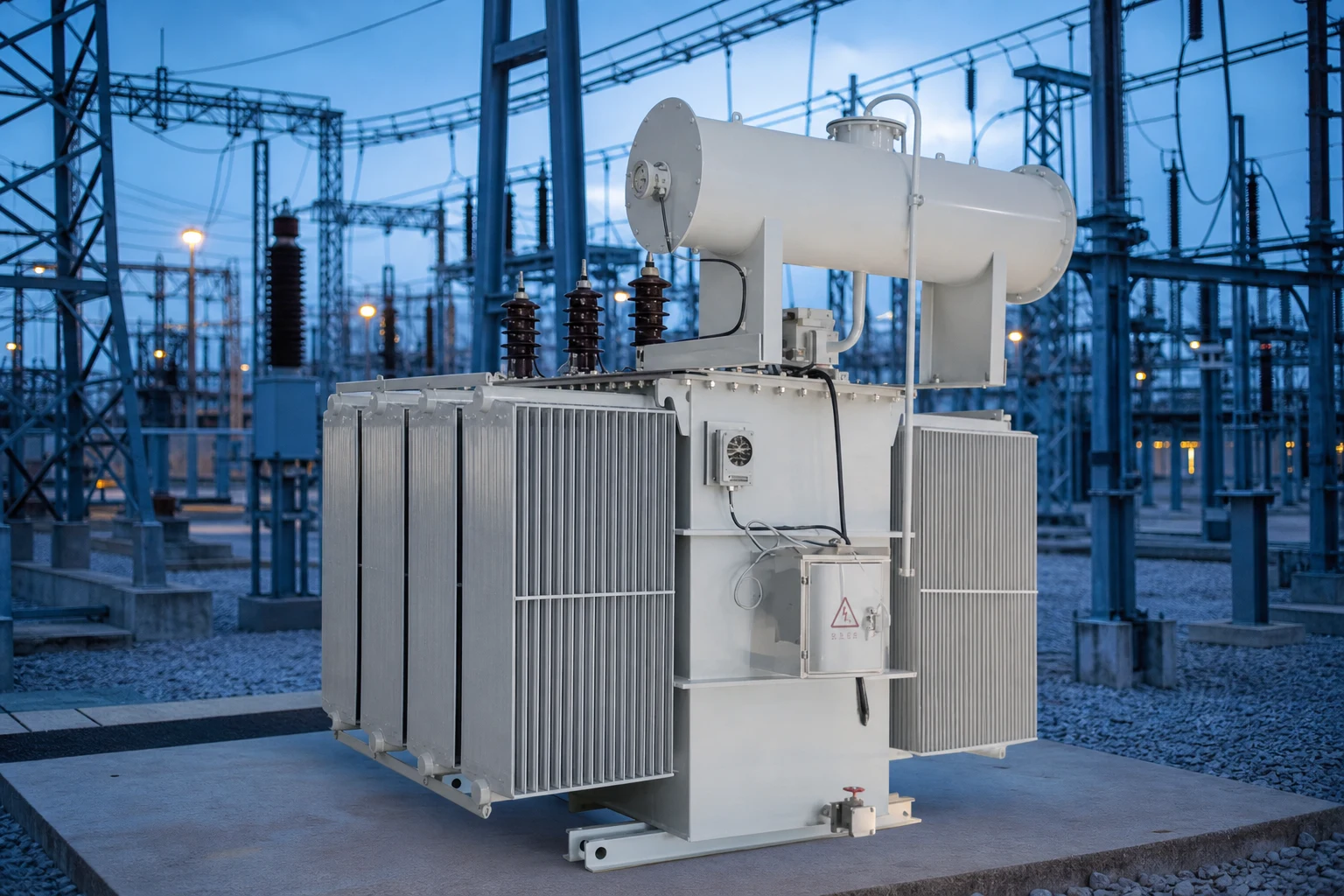
Product recommendation: After the continuous rating and peak duty are written down, open the transformer product category and compare the S□-M oil-immersed power transformer series for outdoor yards and the SC(B) resin insulated dry transformer series for indoor rooms with ventilation limits.
| Better fit | Needs more study |
|---|---|
| Named peak duration and ambient data | Open-ended overload requests without duty |
| Cooling class fixed early | Layout frozen before fan stages are selected |
| Temperature monitoring in the O&M plan | Silence on who authorizes emergency loading |
Submit rated kVA and voltage combination, cooling preference, and peak profile through Contact Us for catalog confirmation.
Part 7. Overload-planning mistakes that shorten transformer life
- Treating nameplate kVA as free continuous headroom.
- Omitting ambient and altitude from the RFQ.
- Ignoring prior loading when estimating emergency peaks.
- Comparing bids without the same cooling stage definition.
- Leaving temperature alarms out of the operating procedure.
- Switching cooling class after cable and civil work freeze.
FAQ
Can every distribution transformer take 10% overload?
Not as a blanket rule—capability depends on cooling, ambient, prior load, and duration stated in the RFQ.
What is the difference between continuous rating and emergency rating?
Continuous rating is the nameplate thermal basis; emergency rating is a time-limited duty that must be defined separately.
Do fans increase overload capacity?
Forced-air stages can raise short-time capacity, but they also change losses, noise, and maintenance needs.
Which ratings still matter when overload is the priority?
Keep the quotation package aligned on kVA/voltage, taps and vector group, losses, cooling/enclosure, plus impedance targets.
Should temperature monitoring be in the purchase package?
Yes—state indicator and alarm expectations with the quotation so O&M matches the delivered unit.
Can parallel units replace overload planning?
Paralleling is a different scheme; it still needs matching data and does not erase thermal limits on each unit.
What should importers send suppliers for peak-load sites?
Send continuous load, peak magnitude and duration, ambient/altitude, cooling limits, and the required document list with the RFQ.