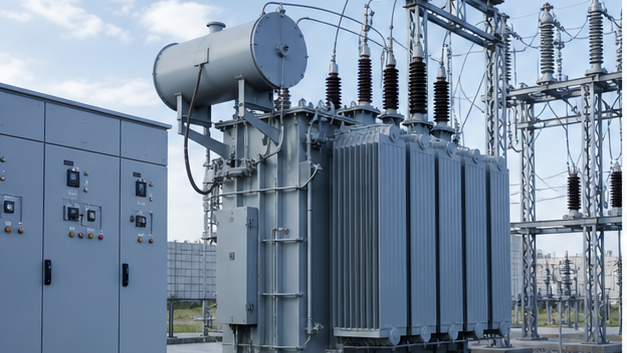
Step Up Transformer: Guide
A step-up transformer raises alternating voltage from the primary side to the secondary side. For approximately the same apparent power, the higher-voltage side carries lower current. Step-up units connect generators…


A step-up transformer raises alternating voltage from the primary side to the secondary side. For approximately the same apparent power, the higher-voltage side carries lower current. Step-up units connect generators…
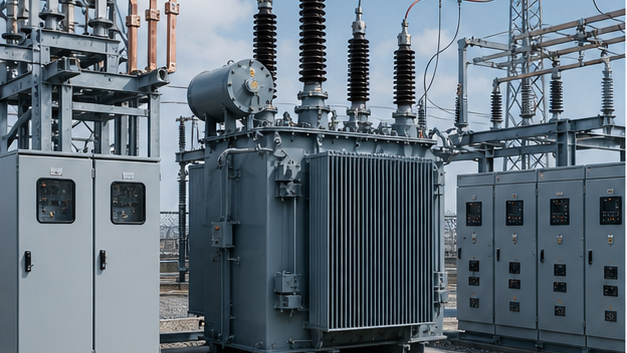
A transformer changes alternating voltage through electromagnetic induction. If a transformer raises the voltage, it will reduce the current for approximately the same transferred apparent power, excluding losses.…
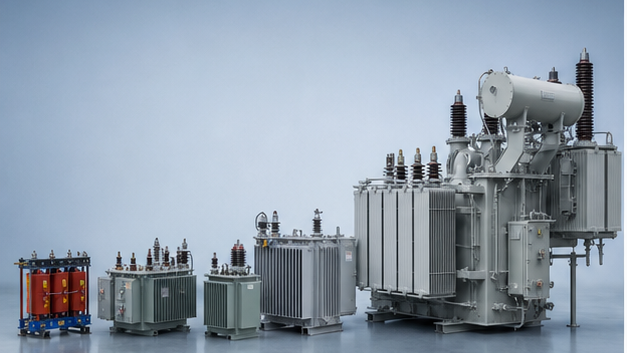
Calculate transformer capacity in kVA from real demand, power factor, voltage and phase, then verify operating conditions before selecting a rating.
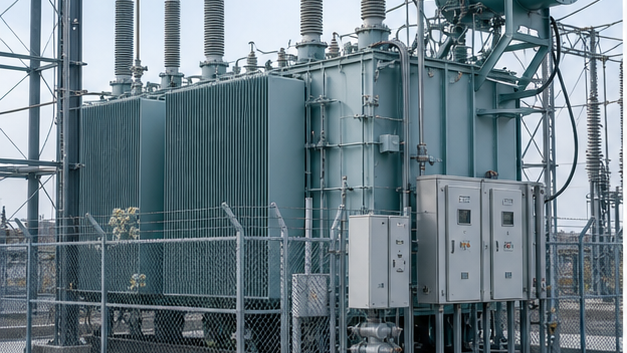
A transformer grounding system controls earth-fault current, stabilizes system voltage to earth and bonds exposed conductive parts for safety. It works together with differential, overcurrent, earth-fault, temperature,…
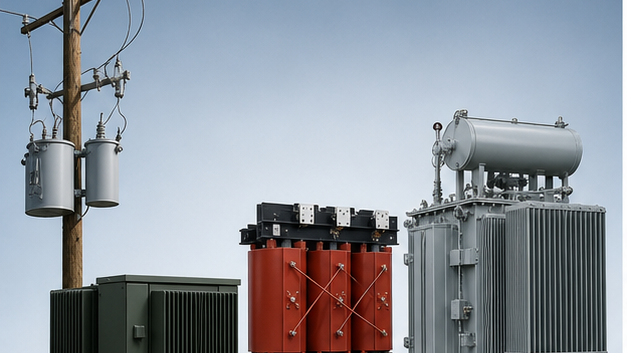
An electrical transformer transfers alternating-current energy between circuits through electromagnetic induction. It can raise or lower voltage, provide isolation, create a neutral and match equipment to a power…

A transformer calculator converts load power, voltage, phase, power factor, and efficiency into the kVA and current needed for initial selection. The result is a starting point. A reliable specification must also…
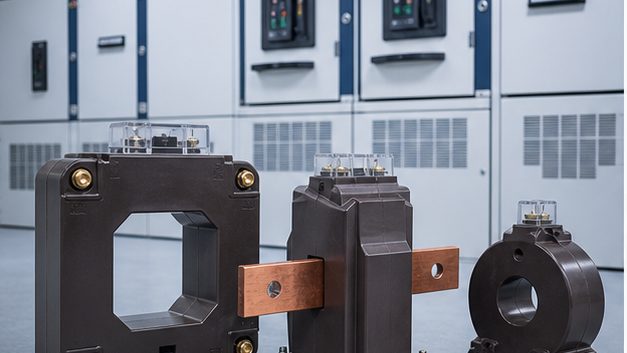
A current transformer (CT) converts a large primary current into a smaller, standardized secondary current that meters and protection relays can safely measure. Its apparent simplicity hides important design choices:…
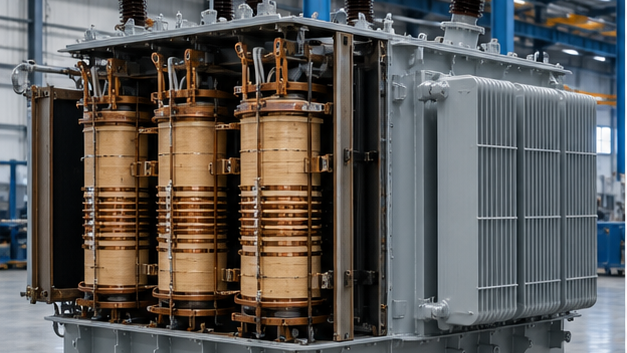
The transformer core creates a low-reluctance path for alternating magnetic flux, while windings transfer energy between voltage levels. A complete power transformer also needs insulation, tank, oil or air cooling,…
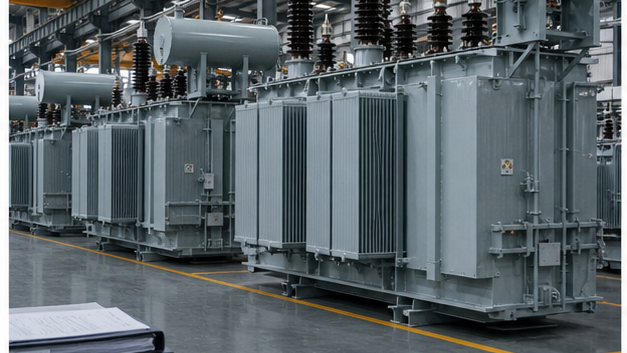
Transformer lead times affect the entire project schedule, but a credible delivery date cannot be taken from a generic online number. It depends on rating, voltage, materials, factory workload, drawing approval, special…
Tell us about your electrical equipment requirements.