
For a broader view, see our dry-type transformer types and ratings guide.
An electric transformer is essentially a device that transfers power from one circuit to another via electromotive force with a maximum capacity (measured in kilovolt-amperes) of 30 kilovolt-amperes (kVA). The 30 kVA dry type transformer does this without the use of liquid insulation but rather by using air as the cooling medium. Dry type transformers are safer, easier to maintain, and more environmentally friendly than traditional liquid insulated transformers. The use of 30 kVA dry type transformers is widespread throughout the industrial, commercial, and residential sectors due to their essential role in voltage regulation for proper operation and safety of electric systems; therefore, this article will illustrate the purpose, main benefits, types, and applications of 30 kVA dry type transformers in detail to provide all necessary information about this essential equipment.
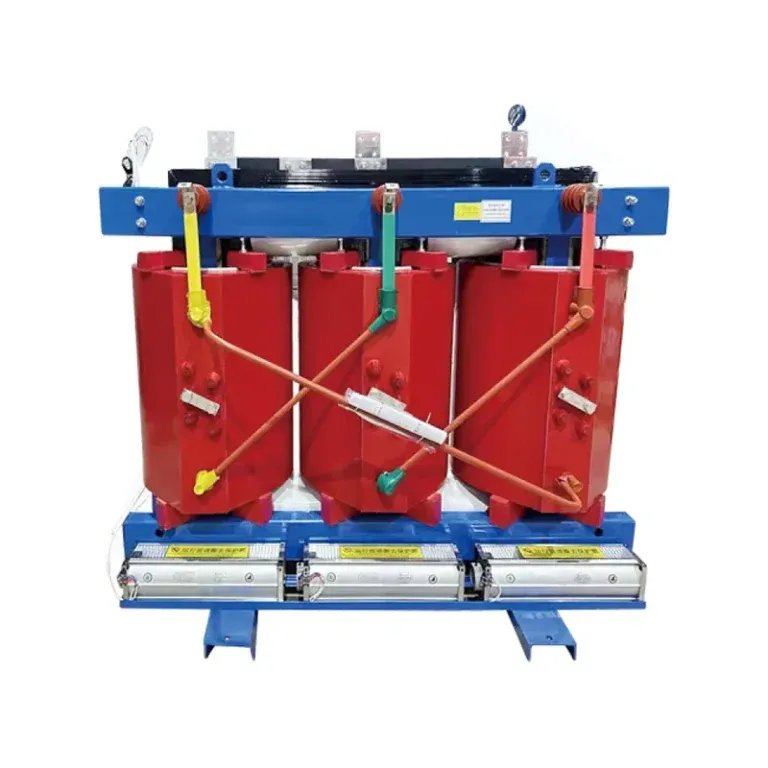
The Function of a 30 kVA Dry Type Transformer
As a 30kVA dry type regulator transformer, it regulates voltage (either to increase or decrease) through the transformer to ensure that the voltage supplied to connected electrical devices meets their requirements. For example, in commercial and industrial environments, the incoming high voltage must be decreased to an acceptable level to power equipment such as lights and appliances, etc. This process is necessary for the safe and efficient operation of both the equipment and their owners.
Specifically, dry-type transformers rely on air as the cooling medium (as opposed to oil or another liquid insulator). Air is an exceptionally efficient conductor of heat and helps eliminate potential leak hazards. As a result, dry types of transformers are particularly appealing for applications where safety is critical and/or where there are environmental concerns.
Key Features and Applications of a 30 kVA Dry Type Transformer
Multiple applications can be served with a 30 kVA dry-type transformer from almost any industry. The 30 kVA dry-type transformer provides an efficient solution when space is limited, as well as helps to prolong equipment life through a strong design. Examples of potential applications include:
Corporate Applications: This particular type of machine can typically be used to drive the operation of motors, equipment in manufacturing processes, and devices that perform specific functions in the industrial sector will also benefit from this type of transformer. Due to the ability to support a large load while being energy efficient, it is an economical choice for many industrial applications.
Commercial Applications: Commercial properties (from office buildings to retail shops) need dependable power distribution to facilitate reliable electrical service. A 30 kVA dry type transformer is needed to provide continuous electrical service to ensure a steady electrical supply for HVAC systems, elevators, lighting products and any other equipment used in the office.
Application for Residential Sites: Transformers, While Mostly Used In Industry And Commercial Setting; They Are Also Used In Large Residential Complexes To Provide Power Distribution And Voltage Regulation.
Solar and wind energy systems are growing in popularity as they convert energy produced from solar panels and wind turbines into usable energy for distribution on local grids or to whole communities. Dry-type transformers are increasingly being utilized as part of both solar and wind energy sources.
Uninterrupted power delivery is essential for hospitals and clinics to operate medical equipment such as life-support devices and emergency lighting. Hospitals and clinics must be able to count on dry transformers to provide dependable, safe service. This is why dry transformer technology is used by many hospitals and clinics.
Advantages of a 30 kVA Dry Type Transformer
The 30 kVA dry type transformer stands out for several reasons. Below are its primary advantages:
Superior Safety: Because of their lack of flammable fluids compared with traditional oil-filled transformers, dry-type transformers are inherently safer and pose less risk of fire or leakage, which makes them ideal for use in very sensitive locations, such as hospitals and schools.
Eco-Friendly: Because this type of transformer does not have any oil or hazardous materials, they are considered to be more environmentally friendly. Therefore, they provide cleaner and safer surrounding environments.
Maintenance Requirements are Very Low: As dry-type transformers employ a basic air-cooled method of cooling, they require considerably less maintenance than oil-filled types. This results in savings over the long term and creates an overall dependable operation over the life of the unit.
Resistance to Wear & Tear & Dependability: Built to withstand tough conditions and be used extensively and reliably, these transformers offer long-term operation, even in extreme environments, like those exposed to high humidity or dust (like our older transformers).
Low Noise: Generally, compared to all other transformer types, the noise from dry-type transformers is very low. Therefore, they can be used in noiseless areas such as inside buildings.
Dry-typer transformers offer an excellent alternative when limited installation space or tight constraints exist due to their compactness. A 30 kVA dry type transformer can easily fit into available areas of urban facilities that may not otherwise accommodate conventional equipment.
Types of 30 kVA Dry Type Transformers
Different kinds of dry-type transformers provide distinct operational requirements, but they all perform the same basic function. Knowing about each type of dry-type transformer is very important in determining which type will be best suited to your particular application:
Dry-type open-wound transformers are designed to use only natural airflow for their cooling system; they are typically utilized outdoors or in environments which have good ventilation.
Encapsulated transformers are equipped with epoxy resin or varnish as an insulation material, providing a protective barrier against moisture, pollutants, and damaging
weather conditions. Due to this construction method, encapsulated transformers can be used in areas where high humidity levels exist.
Ventilated transformers are equipped with a ventilation system (e.g., using fans) that provides additional cooling for applications that require more heat-removal capability than could typically be achieved by natural airflow. A typical application for ventilated transformers would be industrial establishments containing large-capacity transformers.
Frequently Asked Questions
What is the function of a 30 kVA dry-type transformer?
The purpose of the device is to raise and lower voltages to allow various systems to run efficiently while maintaining their safety and life span. It does this without using oil for cooling, relying only on air to cool the equipment.
What are the uses of a 30 kVA dry-type transformer?
These devices can be utilised in many areas, including industrial/manufacturing, commercial, residential, medical, and renewable energy. They can effectively manage medium loads and are well suited for small spaces.
What are the advantages of a 30 kVA dry type transformer?
The main benefits include safe operation, low-cost maintenance, eco-friendliness, great heat dissipation ability, the long-life span, and the ability to operate in areas where noise or the environment are of concern.
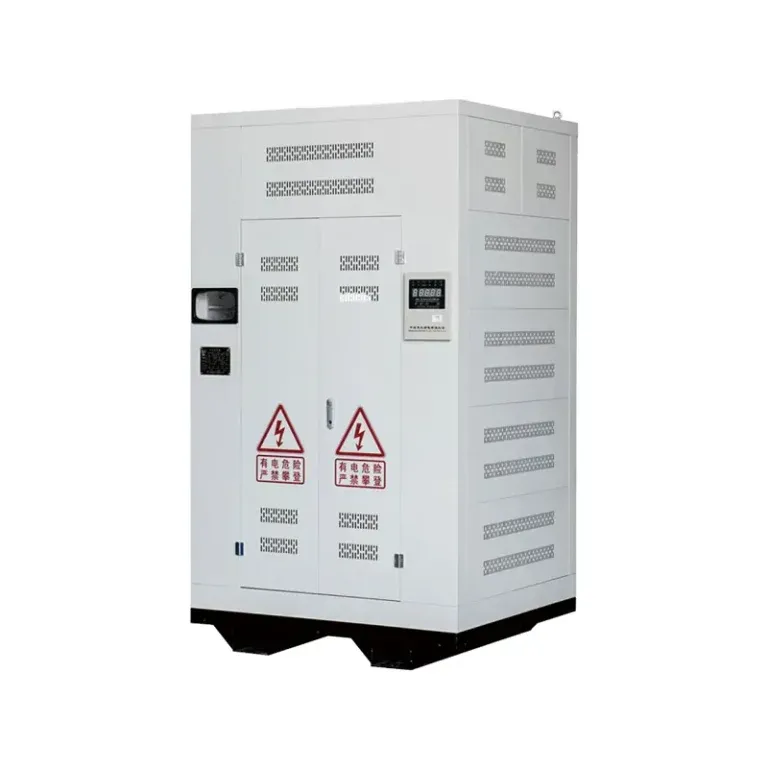
In summary, the thirty kilovolt Amperes (30 kVA) transformer is a reliable option for all electrical installations ranging from utility to industrial, commercial, and residential applications. It can be employed to safely and accurately convert voltage to achieve power conversion needs, and has many advantages including; being durable, requiring little or no maintenance, and being environmentally friendly. There are also several different types of units with different specifications to accommodate customers’ unique needs. A business will be well-educated about the transformer they use when they know the different types of transformers available, introducing a new level of confidence in their operational performance by providing them with accurate information about their needs and how to meet those requirements in order to achieve maximum efficiency.