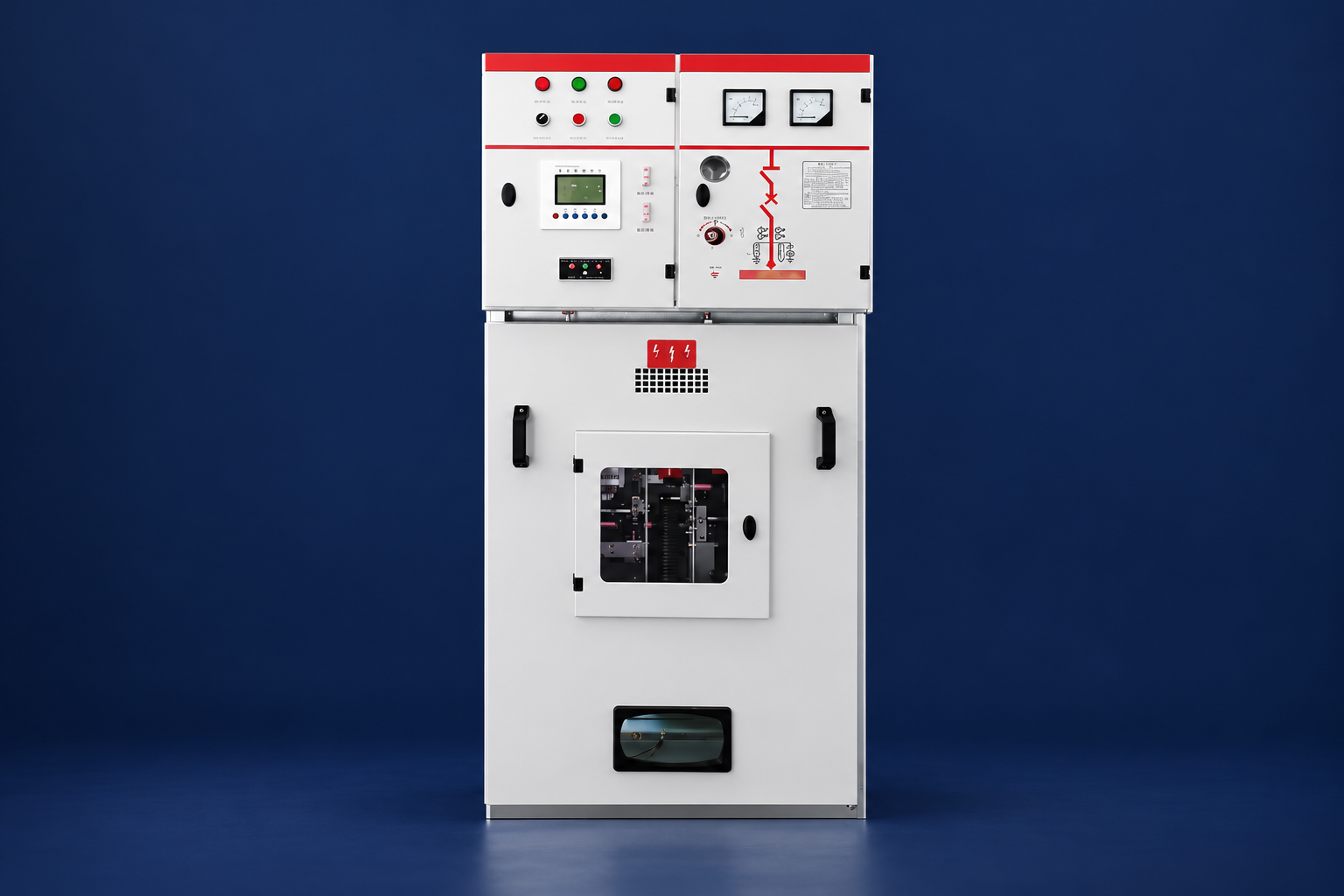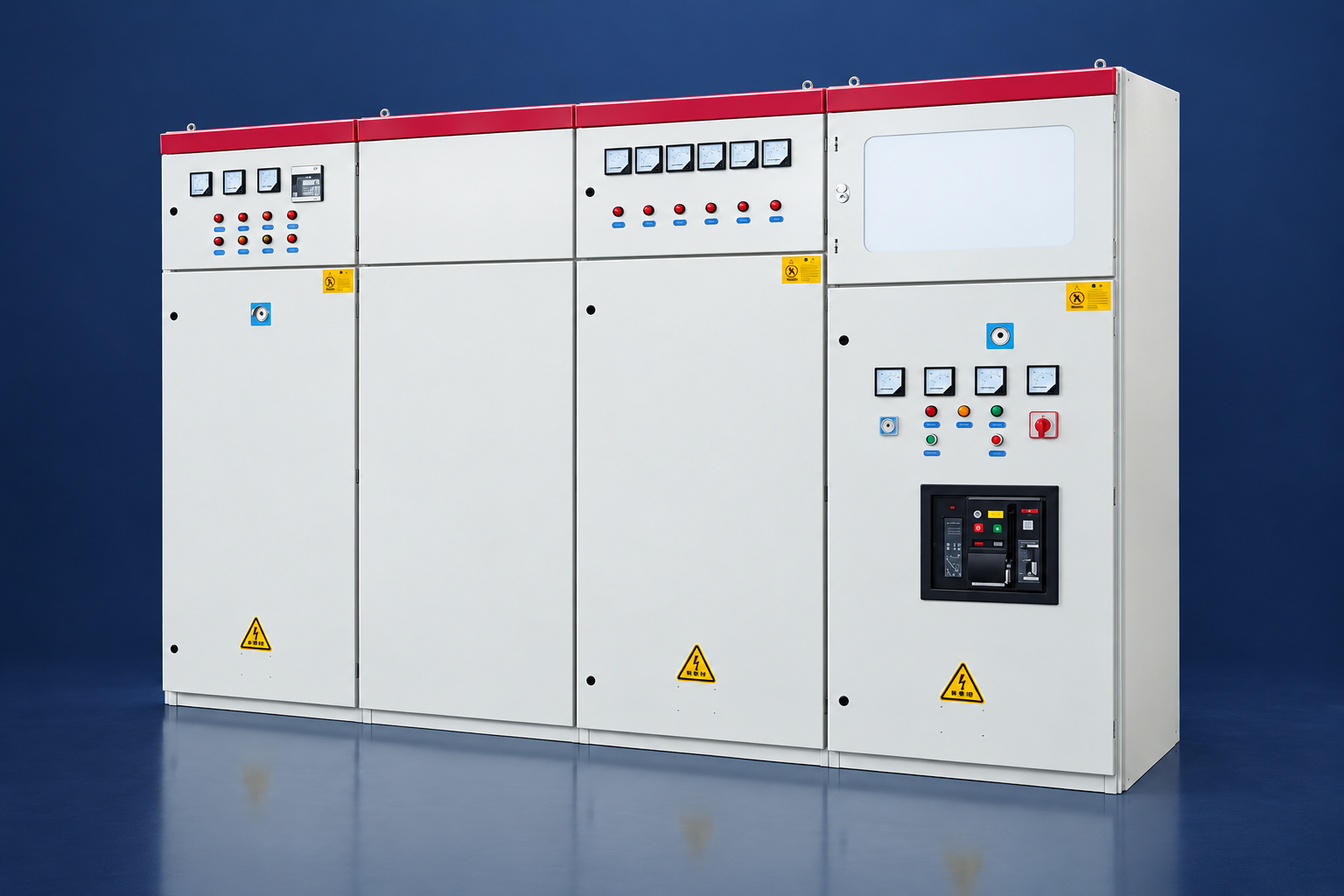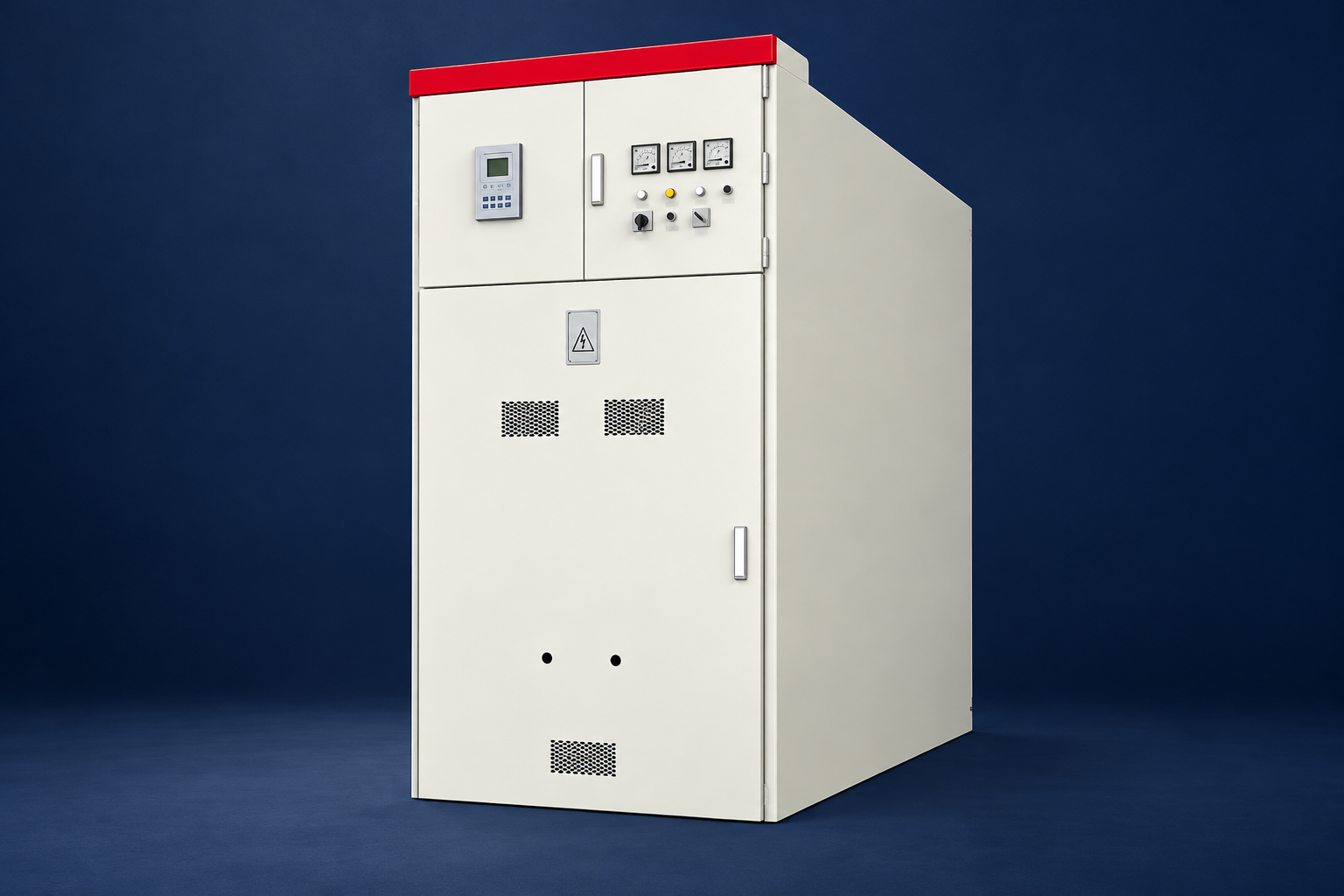

Tủ điện trung thế cách điện bằng không khí sử dụng không khí khí quyển làm lớp cách điện chính giữa các pha và đất, trong khi các khoang kim loại chứa máy cắt, thanh dẫn, máy biến dòng/áp, cáp và thiết bị điều khiển. AIS dễ bảo trì và quen thuộc nhưng chiếm nhiều không gian hơn các giải pháp thay thế dạng kín. Việc lựa chọn nên dựa trên điện áp định mức, mức cách điện, dòng điện liên tục và dòng ngắn mạch, chiến lược hồ quang nội bộ, tính liên tục của dịch vụ, môi trường và khả năng tiếp cận bảo trì.
Những điểm chính
- Không được chọn tủ điện trung thế chỉ dựa vào điện áp định mức.
- Sự phân chia khoang, các cơ chế liên khóa và phân loại hồ quang ảnh hưởng đến rủi ro đối với nhân sự và tính liên tục.
- Độ cao, sự nhiễm bẩn, sự ngưng tụ và khả năng tiếp cận có thể thay đổi thiết kế đúng.
Kết cấu và Khoang AIS
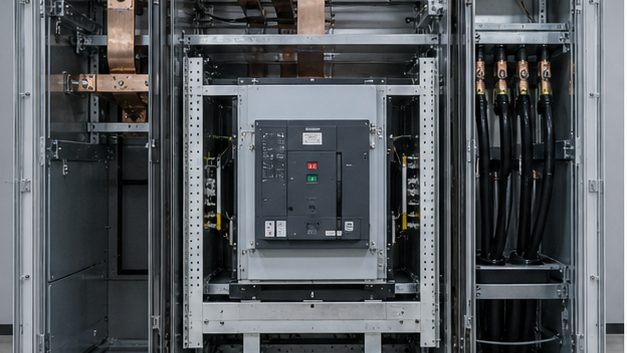
Một dãy thiết bị bọc kim loại tiêu chuẩn phân tách máy cắt dạng kéo ra, thanh cái chính, đầu cáp và các thiết bị điều khiển hạ thế bằng các vách ngăn kim loại được nối đất. Các tấm chắn che phủ các bộ phận ngắt kết nối chính khi máy cắt được kéo ra. Các biến dòng điện và biến điện áp cung cấp cho thiết bị đo lường và rơ-le, trong khi các dao nối đất hoặc xe đẩy hỗ trợ công tác bảo trì theo quy định.
Tủ điện bọc kim loại là một thuật ngữ rộng hơn và có thể cung cấp mức độ phân cách thấp hơn so với kết cấu bọc giáp kim loại. Đặc tả dự án nên nêu rõ tiêu chuẩn kết cấu và các yêu cầu dịch vụ thay vì dựa vào các tên gọi tiếp thị.
Các thông số điện kiểm soát việc lựa chọn
Điện áp định mức tối đa và khả năng chịu đựng tần số nguồn hoặc xung điện phải phù hợp với hệ thống và sự phối hợp cách ly. Dòng điện liên tục áp dụng cho thanh cái và từng khối chức năng. Khả năng chịu đựng dòng điện ngắn hạn và thời gian mô tả chế độ nhiệt; khả năng chịu đựng đỉnh mô tả lực điện động. Định mức đóng và cắt của máy cắt phải vượt quá chế độ sự cố đã nghiên cứu.
Tần số, nối đất, loại tải, dòng điện nạp cáp, đóng cắt tụ điện, dòng điện khởi phát của máy biến áp và chế độ làm việc của động cơ có thể ảnh hưởng đến việc lựa chọn máy cắt. Sự gia tăng mức sự cố trong tương lai nên được đánh giá thay vì bị che giấu bởi việc làm tròn số.
Hồ quang nội bộ, Khóa liên động và Tính liên tục của dịch vụ
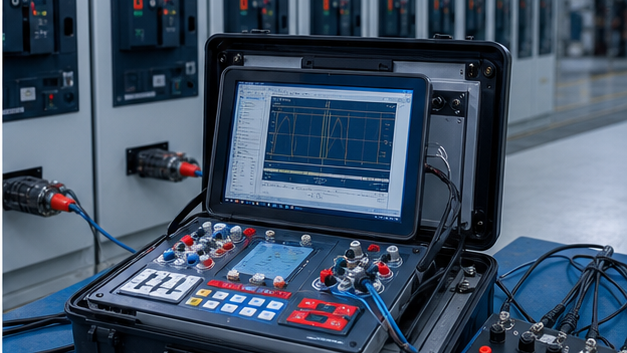
Phân loại hồ quang nội vi quy định các phía tiếp cận đã thử nghiệm, dòng điện hồ quang và thời gian dưới các điều kiện xác định. Đây không phải là sự đảm bảo rằng mọi sự cố hồ quang có thể xảy ra đều vô hại. Các đường xả áp của phòng, ống thoát khí, tình trạng gắn kết, lắp đặt và bảo trì phải phù hợp với cấu hình đã thử nghiệm.
Các khóa liên động cơ và điện phải ngăn ngừa các thao tác không an toàn như đẩy/kéo máy cắt đang đóng, tiếp cận các khoang đang có điện hoặc đóng vào dao tiếp địa không đúng vị trí. Các khóa liên động bằng chìa khóa phải được tài liệu hóa trên các thiết bị được kết nối.
Danh mục đánh giá và xây dựng AIS
| Mục | Chỉ định | Lỗi phổ biến | Xác minh |
|---|---|---|---|
| Cách điện điện áp | Điện áp tối đa, BIL/LIWV và khả năng chịu đựng tần số nguồn | Chỉ sử dụng điện áp danh định | Biển tên và báo cáo cách điện |
| Dòng cắt sự cố | Ngắn hạn, đỉnh, cắt mạch và thời gian | Bỏ qua sự phát triển lỗi trong tương lai | Nghiên cứu ngắn mạch và thử nghiệm chứng chỉ |
| Hiệu suất Arc | Khả năng tiếp cận, dòng điện, thời gian và bố trí ống xả | Coi thiết bị chống hồ quang điện là vạn năng | Báo cáo phân loại và thiết kế phòng |
| Các ngăn | Sự phân tách máy cắt, thanh dẫn, cáp và hạ thế | Giả sử tất cả thiết bị đóng cắt bọc kim loại đều là loại bọc giáp kim loại | Bản vẽ thi công |
| Môi trường | Độ cao, ô nhiễm, độ ẩm và nhiệt độ | Không có kiểm soát ngưng tụ | Dữ liệu địa điểm và hệ số giảm công suất của nhà sản xuất |
Môi trường, Bảo trì và Thử nghiệm Nhà máy
Bụi, muối, độ ẩm, sự ngưng tụ, độ cao và nhiệt độ ảnh hưởng đến khả năng cách điện và sự ăn mòn. Máy sưởi không gian, hệ thống thông gió, phòng lọc khí hoặc khoảng cách rò điện lớn hơn có thể là cần thiết. Độ cao có thể yêu cầu giảm định mức cách điện hoặc dòng điện tùy thuộc vào tiêu chuẩn và thiết kế thiết bị.
Bảo dưỡng định kỳ bao gồm làm sạch, vận hành cơ khí, kiểm tra tiếp điểm, kiểm tra cách điện, thử nghiệm rơ-le và xác minh cơ cấu kéo và cửa chớp. Việc nghiệm thu tại nhà máy phải bao gồm các thử nghiệm về điện môi, điện trở, cơ khí, đấu dây, bảo vệ và chức năng với các hồ sơ có thể truy xuất nguồn gốc.
Xác thực kỹ thuật và Giới hạn an toàn
Hướng dẫn này hỗ trợ việc lập thông số kỹ thuật và mua sắm; tài liệu này không thay thế cho nghiên cứu dự án, quy chuẩn hiện hành, hướng dẫn của nhà sản xuất hoặc công việc của nhân viên điện có chuyên môn. Hãy xác minh các nội dung sau trước khi lựa chọn thiết bị, thử nghiệm, đấu dây hoặc đóng điện:
- Sử dụng các nghiên cứu ngắn mạch, dòng chảy công suất và bảo vệ mới nhất.
- Xác nhận không gian đấu nối cáp, bán kính uốn cong, thứ tự pha và hướng đi vào.
- Phối hợp thông thoáng phòng, giảm áp và lối thoát hiểm khẩn cấp.
- Kiểm tra các khóa liên động thông qua một trình tự chức năng đã được tài liệu hóa.
- Giữ nguyên các cửa, nắp đậy và các chi tiết kẹp chặt ở trạng thái như đã kiểm tra trong quá trình sử dụng.
Thông tin cần đưa vào Yêu cầu báo giá
Một báo giá hữu ích phải dựa trên cùng một ranh giới kỹ thuật cho mọi nhà cung cấp. Hãy bao gồm các thông tin sau và yêu cầu liệt kê rõ ràng mọi sai lệch:
- Điện áp hệ thống, tần số, nối đất và dòng điện sự cố khả dụng.
- Dòng điện thanh cái và mạch nhánh, nhiệm vụ máy cắt và các chức năng bảo vệ.
- Tiêu chuẩn chế tạo, phân loại ngăn và yêu cầu chống hồ quang nội bộ.
- Môi trường trong nhà/ngoài trời, độ cao, nhiệt độ và mức độ ăn mòn.
- Sơ đồ đơn tuyến, danh sách thiết bị, bảng cáp, truyền thông, thử nghiệm và tài liệu.
Từ Dữ liệu Kỹ thuật đến một Quyết định được Phê duyệt
Sử dụng phương pháp đánh giá theo từng giai đoạn thay vì phê duyệt kết quả khớp danh mục đầu tiên. Bắt đầu với kết cấu AIS và các ngăn tủ, sau đó đối chiếu các định mức điện điều khiển việc lựa chọn với hồ quang nội bộ, các khóa liên động và tính liên tục dịch vụ. Hoàn tất việc đánh giá bằng các yếu tố môi trường, bảo trì và kiểm tra tại nhà máy. Tại mỗi giai đoạn, hãy ghi lại tài liệu nguồn, đơn vị tính, trường hợp vận hành và người chịu trách nhiệm phê duyệt. Điều này giúp ngăn chặn một giá trị được sao chép từ bản vẽ cũ, nhãn hệ thống danh định hoặc sản phẩm không liên quan trở thành đầu vào thiết kế không kiểm soát.
Trước khi nghiệm thu, hãy so sánh phản hồi của nhà thầu từng dòng một với Yêu cầu báo giá (RFQ) và đánh dấu mọi điểm ngoại lệ. Xác nhận rằng các bản vẽ, tính toán, thông số cài đặt, chứng chỉ và báo cáo thử nghiệm đều đề cập chính xác đến mẫu và phiên bản được chào thầu. Lưu giữ hồ sơ trình duyệt đã được phê duyệt, dữ liệu trên nhãn thiết bị, kết quả thử nghiệm tại xưởng và các thông số đo đạc khi chạy thử làm cơ sở bảo trì. Nếu có sự thay đổi về định mức, kết nối, môi trường hoặc điều kiện thử nghiệm, hãy lặp lại việc đánh giá đối với phần bị ảnh hưởng thay vì giả định rằng kết luận ban đầu vẫn còn giá trị.
Việc kiểm soát tài liệu phải xác định được phiên bản, trạng thái phê duyệt và các tệp bị thay thế. Các đội ngũ hiện trường phải nhận được các giá trị đã được phê duyệt giống nhau được sử dụng cho việc mua sắm, trong khi các hồ sơ chạy thử phải ghi lại mọi thay đổi được ủy quyền thực hiện trong quá trình lắp đặt. Khả năng truy xuất nguồn gốc này đặc biệt quan trọng khi thiết bị được thay thế nhiều năm sau đó: kỹ sư tiếp theo cần các giao diện đã được xác minh và lịch sử kiểm tra, chứ không phải là một mô tả chưa đầy đủ được sao chép từ đơn đặt hàng.
Thông tin bao quát dựa trên kết quả tìm kiếm hiện tại
Top 20 bài đánh giá hàng đầu trên Google tại Mỹ hiện tại đã liên tục đề cập đến các chủ đề bao gồm THIẾT BỊ ĐÓNG CẮT CÁCH ÂM KHÔNG KHÍ, danh mục thiết bị đóng cắt cách điện bằng khí (GIS), Thiết bị đóng cắt trung thế là gì?, SẢN PHẨM LIÊN QUAN, Máy cắt bình khí (LTB). Bài viết giải quyết các nhu cầu đó của người dùng theo trình tự kỹ thuật và mua sắm nguyên bản; điều hướng thương hiệu đối thủ và tài liệu bán hàng không liên quan đã bị loại trừ.
Tài liệu LBAJI liên quan
Tiếp tục với hướng dẫn thiết bị đóng cắt trung thế thiết bị đóng cắt cách điện bằng khí so với cách điện bằng không khí Thiết bị đóng cắt LBAJI. Những tài nguyên này giúp kết nối việc tính toán hoặc quyết định lựa chọn linh kiện với một bảng thông số kỹ thuật hoàn chỉnh của máy biến áp, thiết bị đóng cắt, thiết bị điều khiển hoặc thiết bị phân phối.
Tài liệu tham khảo kỹ thuật và Đọc thêm
- IEC 62271-200 Tủ điện bọc kim loại dòng điện xoay chiều và phân loại hồ quang bên trong.
- Hiệp hội Tiêu chuẩn IEEE — Tiêu chuẩn thiết bị đóng cắt và máy cắt C37.
- An toàn điện OSHA — Quy trình làm việc liên quan đến thiết bị điện.
Kết luận
Một thông số kỹ thuật AIS chất lượng kết hợp các thông số định mức điện, cấu trúc khoang, chiến lược chống hồ quang, môi trường tại chỗ và tính dễ bảo trì. Yêu cầu nhà cung cấp chứng minh từng thông số định mức và giao diện bằng bản vẽ và bằng chứng thử nghiệm thay vì mô tả trong catalogue.