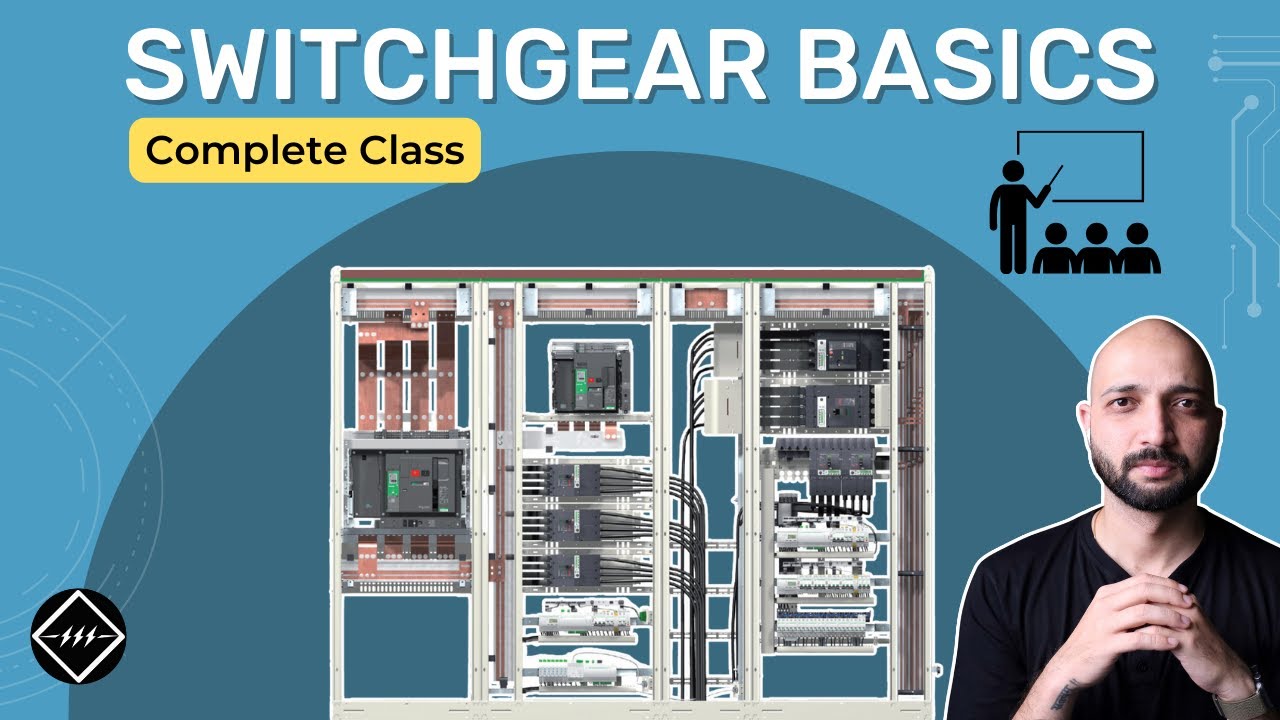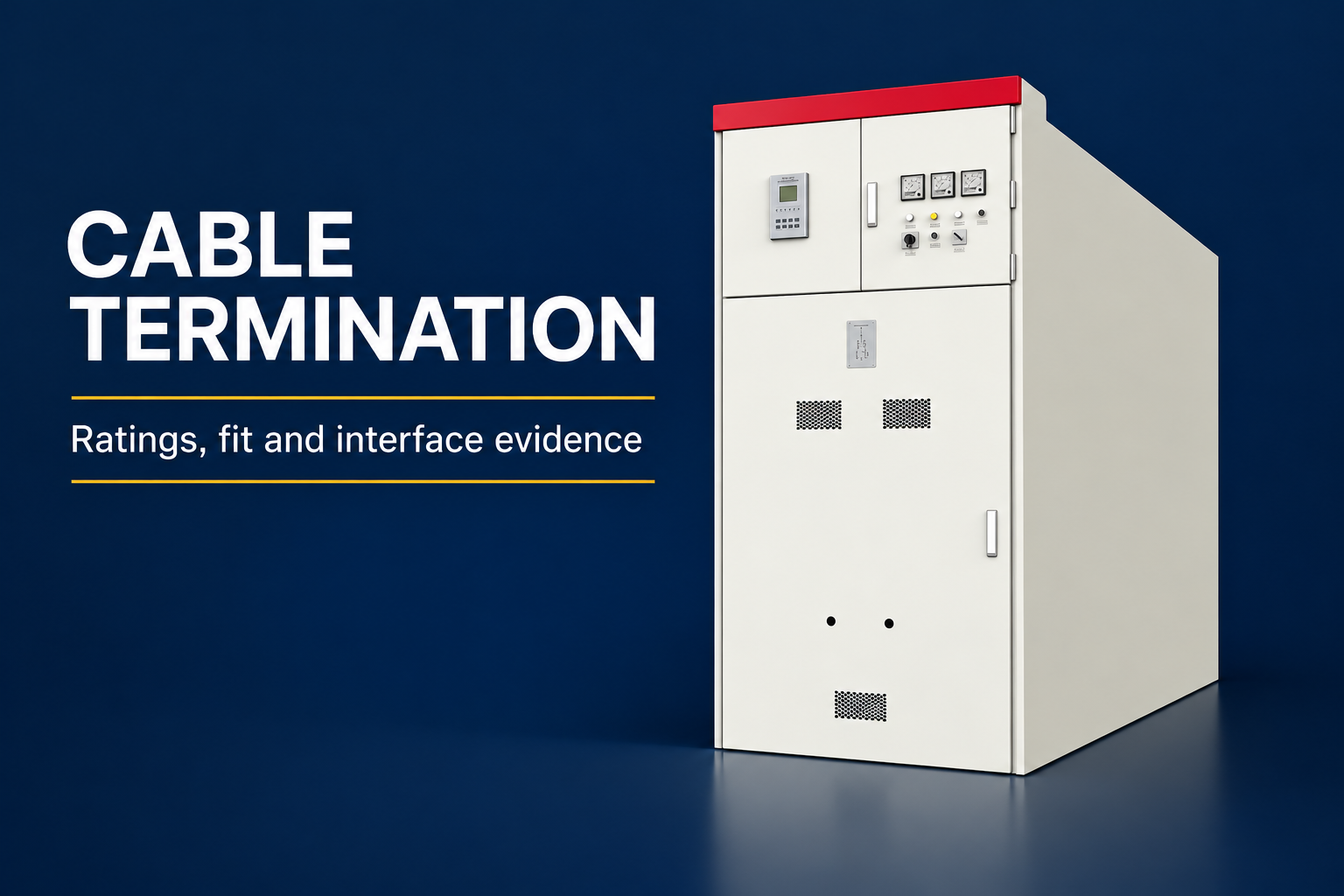

Forms of separation in switchgear describe internal boundaries between busbars, functional units and terminals in the relevant low-voltage assembly. They help a buyer specify the construction needed for particular access and maintenance tasks, but they do not automatically establish an internal-arc classification or permission to work on energized equipment. Select the form through the applicable assembly documents and project assessment, then verify the offered configuration and its interfaces. A row of drawers or separate exterior doors is not enough to identify the internal form. The specification needs a supported description of what is separated and where.
Put the classification in the correct equipment scope
This discussion concerns low-voltage switchgear and controlgear assemblies using the relevant IEC 61439 framework. Do not transfer its form terminology directly to a medium-voltage assembly with a different classification system. Confirm the equipment standard, edition and project requirements before comparing supplier offers. National application details can also affect the terminology used in a tender, so preserve the complete designation rather than reducing it to an informal number.
The BEAMA guide linked below provides an industry explanation of forms of separation within its stated British-standard context. Use it to understand the classification, while the applicable full requirements and offered assembly records establish the actual project decision. The label belongs to a defined construction, not every product sold under a general family name. Ask the supplier which circuits and compartments the declaration covers and whether the lineup contains more than one specified arrangement.
Understand the basic progression
In broad terms, Form 1 has no internal separation. Form 2 separates busbars from functional units. Form 3 also separates functional units from one another. Form 4 adds separation between terminals associated with different functional units. Subcategories address additional boundary details, including terminal location. This short overview is not a substitute for the complete definitions: confirm the precise form and any applicable national construction type in the supplier’s documentation.
The important question is which boundary a proposed task needs. A buyer reviewing a terminal area may need different information from one planning replacement of a functional unit. Do not assume that a higher number answers both questions automatically. Request the relevant drawing and a task-specific explanation of the permitted access arrangements. Keep operating procedures and safe isolation requirements separate from the construction label, even when the separation supports the intended maintenance strategy.
Identify the components of the boundary
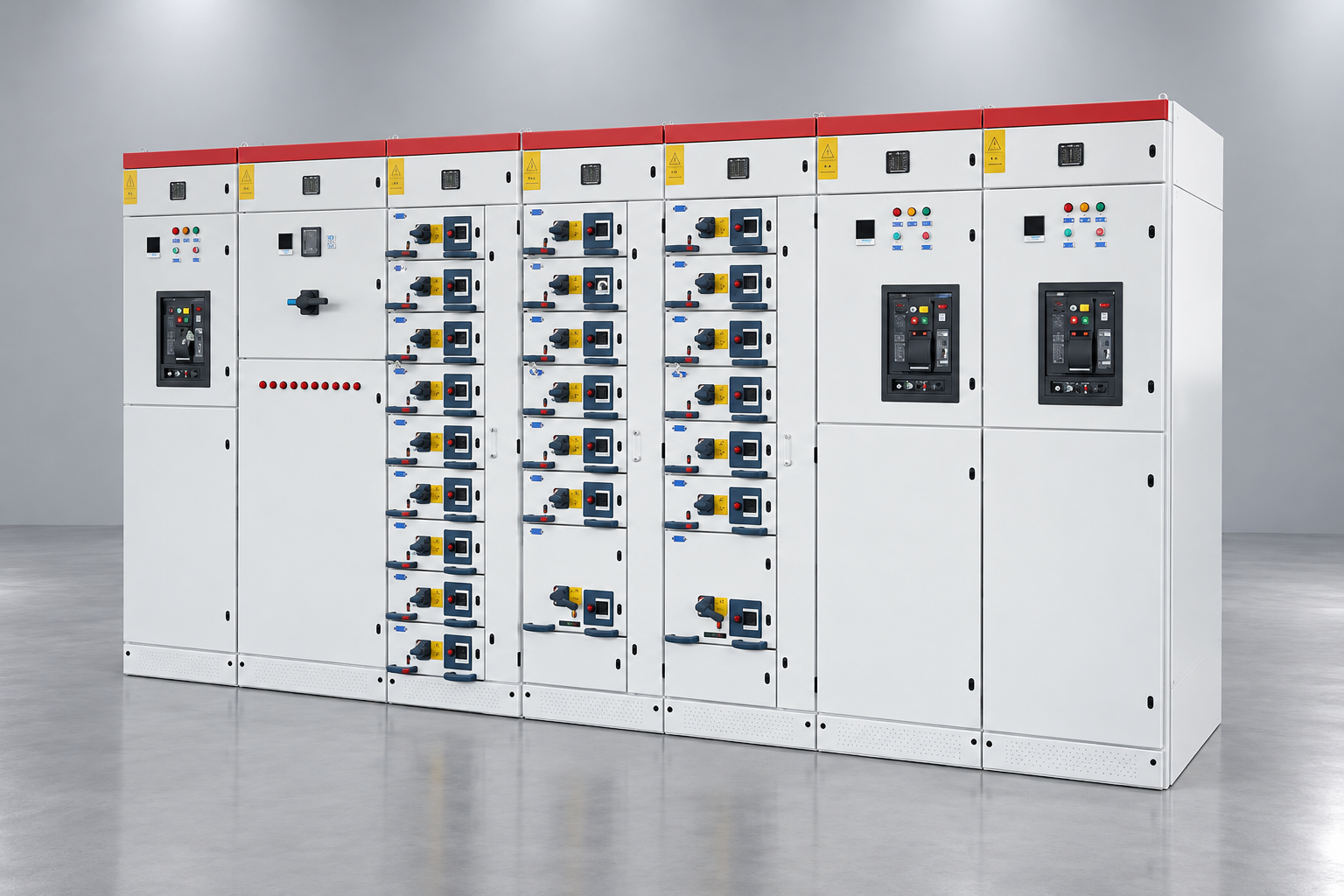
An internal boundary can involve partitions, barriers or the supported construction of a device housing, according to the actual assembly design and applicable requirements. The exterior enclosure is a different boundary. Separate external doors may conceal connected internal spaces, while a drawer front may identify a functional unit without describing every terminal arrangement behind it. Inspecting a closed cabinet photograph therefore cannot establish the declared separation form.
Ask for a drawing that identifies busbar spaces, functional-unit areas and external-conductor termination areas. The drawing should match the offered circuit schedule and supplied configuration. Avoid an illustration taken from another assembly being presented as proof for the quotation. If the supplier uses a family-level diagram, request an explanation of its applicability and any differences. This makes the design review traceable and prevents later contractors from making assumptions about concealed boundaries.
Select through the maintenance tasks
List the tasks the owner expects to perform over the service period. Examples for planning include inspecting an accessible area, replacing an approved component or working on a particular circuit interface under an authorized procedure. Identify the electrical boundary and access needed for each task. The engineer and supplier should establish whether the proposed construction supports that work and what restrictions remain. This is more useful than choosing a form solely because it appears common in another tender.
Keep the assumptions realistic. A facility with planned complete shutdowns can have different priorities from one requiring a supported service strategy for selected circuits. Neither arrangement permits an unqualified person to enter energized equipment. The separation decision should support a defined operating and maintenance plan, with trained personnel and the necessary records. If those resources are absent, the classification alone will not deliver the operational benefit implied by the procurement documents.
Use a task-and-boundary review table
The following table organizes a design review without reproducing the standard’s classification diagrams or prescribing work methods. It is an original qualitative checklist; the applicable form definition and approved procedures provide the final criteria.
Bối cảnh tham khảo: BEAMA guide to forms of separation. Danh sách kiểm tra chất lượng gốc này tổ chức các quyết định của dự án; nó không phải là một tiêu chuẩn được sao chép hoặc thay thế cho các tiêu chí đã được phê duyệt.
| Câu hỏi đánh giá | Evidence needed | Decision to record |
|---|---|---|
| Which task is intended? | Maintenance plan and defined equipment state | Scope of the work being assessed |
| Which internal area is involved? | Configuration drawing linked to circuit identities | Boundary that the task depends on |
| What remains connected? | Circuit arrangement and isolation procedure | Remaining restrictions and responsibilities |
| How are terminals arranged? | Approved termination and compartment details | Exact subcategory or construction offered |
| What happens during replacement? | Supplier-supported removal and reinstatement method | Required access and verification |
| How will later changes be controlled? | Modification and records process | Conditions for preserving the declared construction |
Keep separation distinct from withdrawal
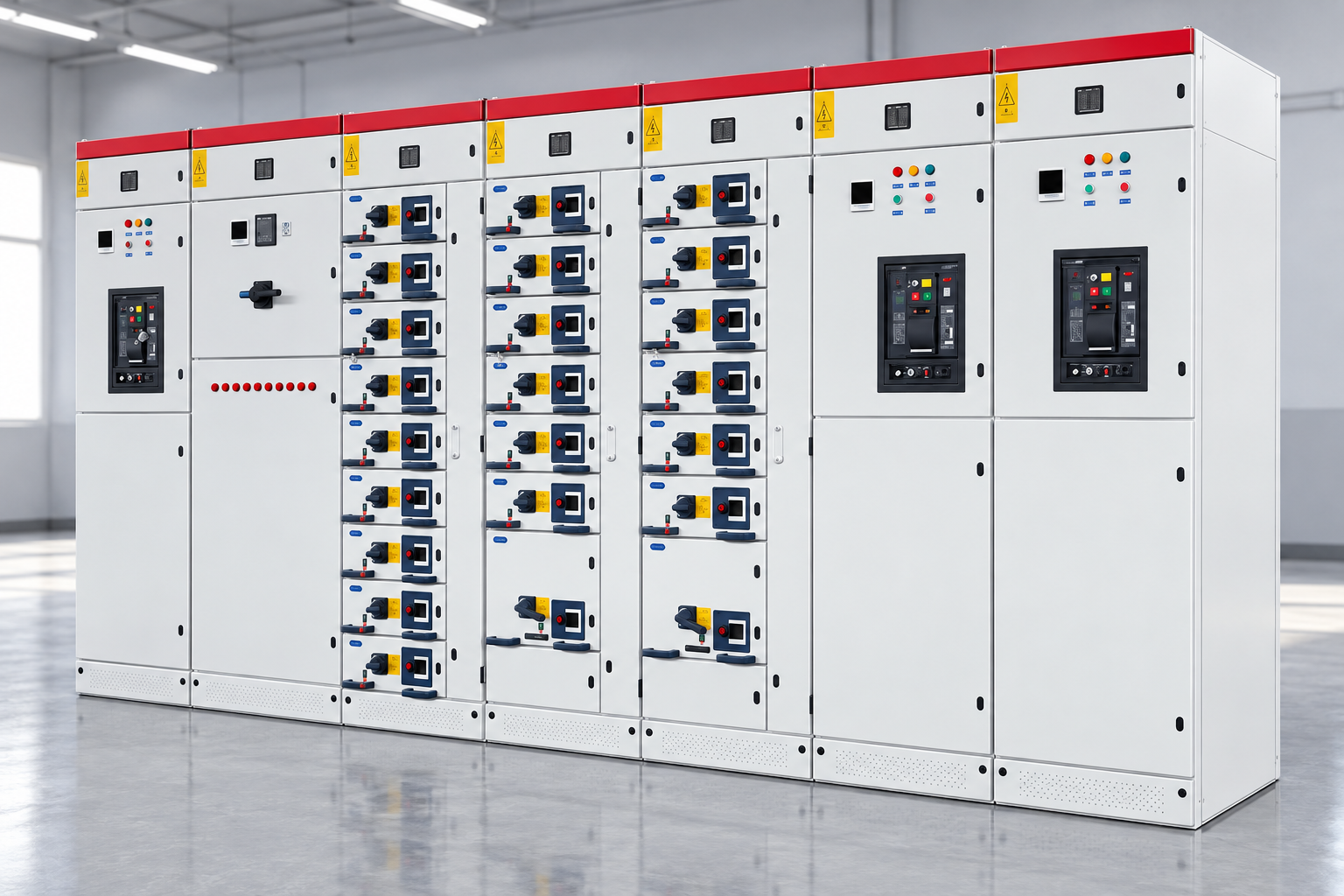
Withdrawal describes a designed movement or connection arrangement for a device or functional unit. Separation describes internal boundaries. The two may be combined in an assembly, but one term does not automatically establish the other. A fixed unit can have a documented separation arrangement, and a withdrawable unit still needs its boundaries and terminal details specified. Compare the exact offered construction instead of substituting one familiar feature for the required declaration.
This distinction matters during tender evaluation. One proposal may emphasize drawers while another describes compartment construction. Ask both suppliers to answer the same boundary and task questions. Include spare compatibility, access and reinstatement requirements where those are part of the service strategy. A favourable statement about rapid replacement does not establish that every adjacent area or circuit can remain in its normal state during the task. That conclusion requires the actual equipment and operating assessment.
Keep separation distinct from arc performance
Do not treat a separation-form designation as an internal-arc performance claim. A classification of internal boundaries and evidence of response to an internal arc concern different matters. If the project requires arc-related evidence, request the applicable assessment and its conditions separately. The assembly standard and supplier documentation should establish what has been verified, rather than allowing a construction number to imply a test result that was never provided.
The same caution applies to broad safety language. Terms such as compartmentalized or segregated do not, by themselves, describe every hazard or work boundary. Qualified personnel must follow the approved isolation and verification procedures. The official work-practice reference below supports the separation of equipment features from authorization for electrical work. Procurement should name each required property and the evidence for it, leaving no ambiguity about which claims concern construction and which concern verified performance.
Review the terminal and cable interfaces
External-conductor terminals are important to the selected arrangement. Request the actual cable and termination information needed by the supplier, and resolve entry and access details before installation. A proposed cable route can affect whether the intended boundaries can be completed and maintained. Do not leave contractors to create openings or modify partitions without an approved design. The offered assembly and site interface need to be reviewed together.
Include spare ways and future circuits if they are part of the brief. An unused space is not automatically a verified future functional unit. Ask how an addition would preserve the intended construction and what review or verification it would require. Record who supplies the relevant parts and who approves changes. This avoids a future maintenance team discovering that an apparently convenient modification has altered a boundary on which the original service plan relied.
Obtain evidence for the delivered configuration
The acceptance package should connect the declared form with the actual lineup and circuit schedule. Identify drawing revisions and any deviations from the approved offer. Inspection must follow the authorized access arrangements; this article does not instruct readers to open compartments or perform live verification. Record what was checked and what requires supplier confirmation, rather than assigning a form from an exterior observation.
Where the delivered equipment differs from the approved construction, obtain a supported technical disposition. A replacement label is not a substitute for establishing the actual arrangement. Keep the original observation, corrective action and verification evidence together. The owner should receive final records that explain the supplied boundaries and their maintenance implications. This is especially valuable when future work is performed by a contractor who did not participate in the original design review.
Write a precise procurement request
An RFQ should state the assembly scope, service tasks, required boundaries and the evidence needed to evaluate the offer. Request the complete separation designation and relevant drawings, together with the supported operating and maintenance instructions. Ask the supplier to identify exceptions and mixed arrangements explicitly. This allows proposals to be compared on the same technical basis without assuming that a headline form number describes every circuit and interface.
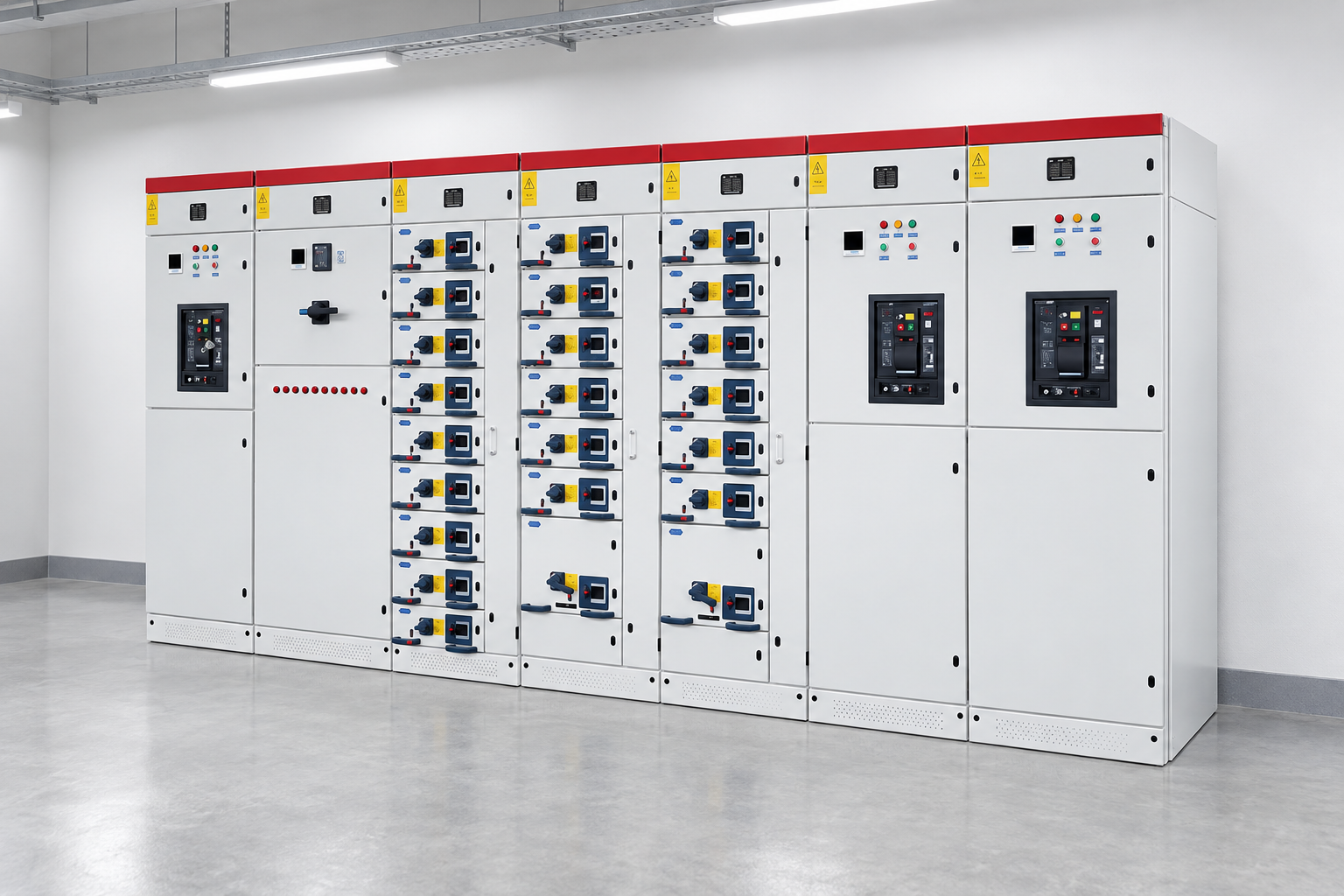
LBAJI’s MNS/GCK/GCS product reference illustrates the visible low-voltage lineup used in this guide. The images preserve its exterior structure and do not invent hidden partitions or assign a separation form to an unknown order. Request the actual configuration for the project. The useful procurement result is a traceable connection between the owner’s intended tasks, the supplied internal boundaries and the procedures and records needed to preserve them throughout the equipment’s service period.
Các câu hỏi thường gặp
Can the separation form be identified from exterior doors?
Not reliably. Exterior divisions do not establish concealed boundaries or terminal arrangements. Use supported drawings and the declaration for the actual configuration.
Does a withdrawable unit automatically establish a particular form?
No. Withdrawal and internal separation describe different features. Confirm both where they are relevant to the project.
Does a separation form prove internal-arc performance?
No. Request the relevant arc-related evidence and conditions separately instead of treating the construction designation as a test result.
Can a higher form replace safe isolation procedures?
No. Construction features support defined tasks but do not provide permission for electrical work. Qualified personnel must use the approved procedures.
What should be retained at handover?
Keep the complete declaration, configuration drawings, circuit and terminal records, accepted deviations and the supported maintenance instructions for the delivered assembly.
Nguồn thông tin kỹ thuật và thiết bị liên quan
Các trang danh mục tiêu chuẩn xác định phạm vi tài liệu; việc tuân thủ và chấp nhận yêu cầu các tài liệu đầy đủ áp dụng và việc đánh giá kỹ thuật dự án.
- BEAMA guide to forms of separation
- IEC 61439-2 power switchgear and controlgear assembly scope
- 29 CFR 1910.333 về các quy trình làm việc trong ngành điện, phiên bản chính thức năm 2025
- LBAJI MNS/GCK/GCS Low-Voltage Withdrawable Switchgear
- Những nguyên tắc cơ bản về thiết bị điều khiển
- Kiểm tra và thử nghiệm thiết bị chuyển mạch
- Sổ ghi nhận của nhân chứng khi nghiệm thu nhà máy
Tiếp tục học tập: chức năng của thiết bị
Giáo trình giáo dục độc lập này giải thích về cơ sở thiết bị. Nó không trình bày quy trình làm việc an toàn cho quá trình lắp ráp cụ thể. Nguồn: Gaurav J – TheElectricalGuy.