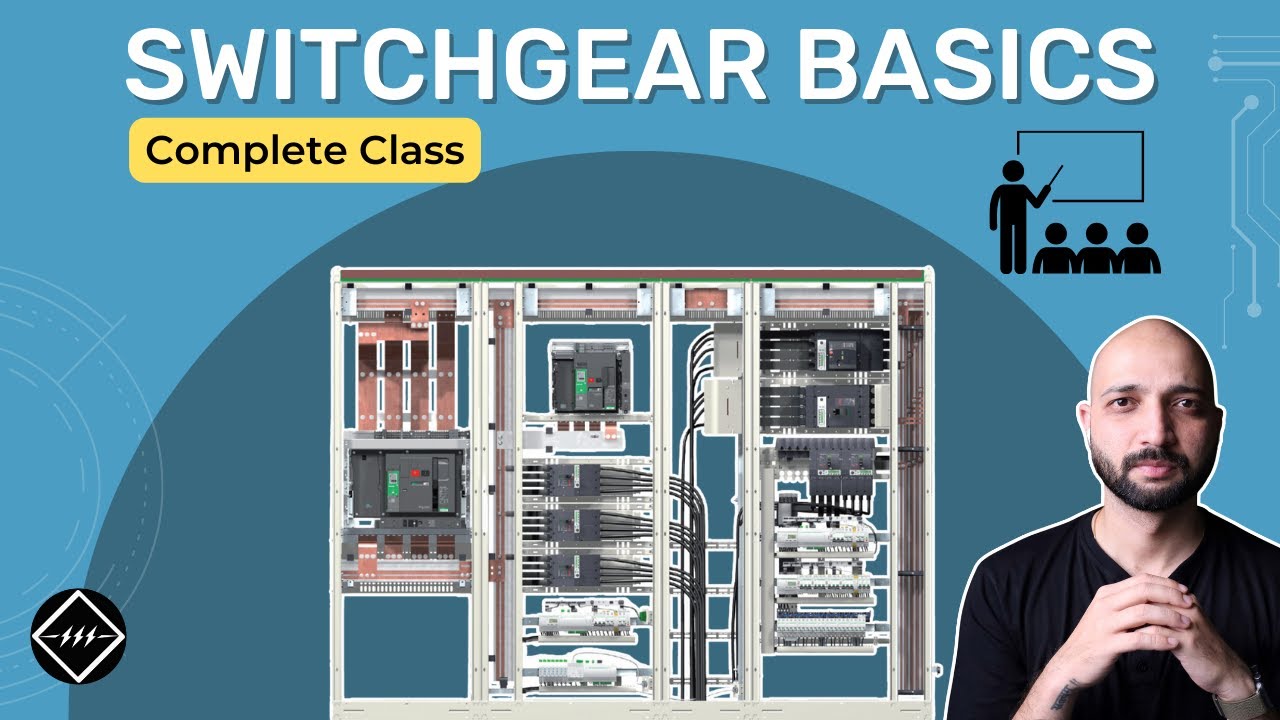

Switchgear internal arc classification, often identified by an IAC designation, describes assessed equipment behavior under specified internal-arc test conditions. It is not a promise that an internal fault cannot occur, that every installation condition is covered, or that personnel may open energized compartments safely. Buyers need the complete declaration, supporting test evidence and the installation conditions on which it depends. Review those documents against the actual assembly and room arrangement. An exterior product photograph, a strong enclosure or a statement that equipment is arc resistant cannot establish the classification for a particular order.
Establish the applicable assembly scope
The classification must be considered within the standard and equipment scope to which the evidence relates. IEC 62271-200 covers the relevant AC metal-enclosed switchgear and controlgear within its stated range and conditions. The catalogue for the 2021 edition with its 2024 amendment is linked below. Use the applicable full document and the project requirements to assess an offered declaration; do not assume that the title of a standard certifies the delivered product.
Keep other equipment scopes separate. Low-voltage assemblies, insulation-enclosed equipment and pole-mounted arrangements can involve different requirements and documents. A report supporting one scope is not automatically evidence for another. Ask the supplier to identify the assembly, configuration and applicable edition, including any restrictions. This prevents a familiar IAC abbreviation from being used as a substitute for showing that the actual project equipment is the object supported by the documentation.
Read the complete designation
An applicable declaration can identify accessibility, assessed enclosure sides and stated arc-current and duration conditions. Those elements should be preserved together. The familiar side letters F, L and R refer to front, lateral and rear in the relevant designation. A label containing those letters is still incomplete without the rest of the declaration and its supporting context. Do not compare detached current numbers or assume that a longer stated duration compensates for a different configuration or installation condition.
Request the full designation as it applies to the offered assembly. Clarify which accessible sides and equipment states the evidence addresses and how these relate to the proposed room. Keep the manufacturer’s definitions and the applicable edition available to the design team. A tender summary that says IAC yes can hide important differences between offers. The evaluation needs enough detail to distinguish the actual declared conditions rather than treat every use of the abbreviation as equivalent.
Distinguish classification from a site hazard assessment
Equipment evidence and a site’s operating-risk assessment answer different questions. The installation may contain particular energy sources, work tasks, protection settings and access conditions that must be assessed by qualified parties. An internal-arc classification does not replace that assessment or establish an appropriate work procedure for an unknown installation. The owner still needs control of electrical work, isolation and verification under the applicable requirements.
Avoid using the declaration as a general permission for energized maintenance. Test conditions and operating states matter, and opening equipment can change the relevant boundary. This article does not prescribe protective clothing, approach distances or switching steps. Those decisions require the actual installation assessment and authorized procedures. The official electrical work-practice reference below helps establish this distinction: equipment construction and test evidence support safe operation, but they do not remove the responsibilities associated with electrical work.
Identify the configuration behind the test evidence
Ask for documentation connecting the report to the supplied configuration. Relevant differences can include compartment arrangement, enclosure construction, interfaces and any supported provisions associated with the test arrangement. The supplier should explain the applicability of family-level evidence to the offered assembly. A test report bearing a related product name does not, by itself, establish that an unreviewed variation is covered.
Keep the actual circuit schedule and equipment drawings in the review package. A quotation can be revised several times before manufacture, and the relevant configuration must remain traceable through those revisions. Identify substitutions or optional features that affect the declared evidence. Where a change requires an engineering justification or further verification, record that requirement before acceptance. This is more reliable than expecting the commissioning team to resolve the relationship between the final assembly and an earlier report after delivery.
Use an evidence review table
The following original checklist organizes procurement questions. It does not reproduce an internal-arc test procedure or assign performance to the illustrated cabinet. Acceptance criteria must come from the applicable documents and project assessment.
Bối cảnh tham khảo: IEC 62271-200:2021 plus Amendment1:2024 scope. Danh sách kiểm tra chất lượng gốc này tổ chức các quyết định của dự án; nó không phải là một tiêu chuẩn được sao chép hoặc thay thế cho các tiêu chí đã được phê duyệt.
| Evidence area | Question to resolve | Record to retain |
|---|---|---|
| Assembly identity | Does the evidence support the actual offered configuration? | Configuration and report references |
| Complete declaration | What accessibility, sides and stated conditions are included? | Full designation and its definitions |
| Equipment state | What configuration and operating state were assessed? | Applicable restrictions and instructions |
| Installation arrangement | What room and interface conditions must be preserved? | Coordinated installation drawings |
| Variations | Which revisions or substitutions require review? | Supported applicability assessment |
| Bàn giao | Can the owner preserve the relevant conditions? | Final documents and maintenance responsibilities |
Coordinate the room and equipment interfaces
Installation conditions are part of the review, not a detail to be added after purchase. Obtain the manufacturer’s supported requirements and compare them with the proposed room, access arrangements and interfaces. Do not invent a universal room dimension from a product image or another installation. The equipment supplier and responsible engineers must establish the actual criteria and how the building design meets them.
Where the design includes provisions associated with the declared evidence, identify who supplies, installs and verifies them. A provision included in a factory arrangement can be omitted or altered at the site if responsibility is unclear. Record interfaces between the equipment supplier and civil or building-service contractors. The acceptance process should confirm completion against the approved revision rather than assume that a general room layout provides every condition required by the equipment documentation.
Review access and operating states explicitly
Ask which equipment states and accessible areas are addressed by the declaration and instructions. Keep normal operation, inspection and maintenance tasks separate. A closed-door condition used in the relevant evidence should not be translated into a claim about an open compartment. The owner needs clear operating restrictions and a supported response to abnormal conditions, including equipment that no longer closes or indicates its position as documented.
Interlocks and labels can help communicate the intended states, but they do not establish the absence of voltage. Qualified personnel must use the approved work procedures. If an interlock, door or enclosure feature is defective, obtain the necessary technical disposition rather than relying on an informal warning. A classification remains useful only when the conditions associated with it are understood and maintained. It cannot compensate for an installation operated outside the manufacturer’s supported arrangements.
Do not confuse other ratings with the declaration
Short-circuit characteristics, enclosure ingress protection, loss-of-service-continuity categories and internal-arc classification address different properties. A suitable current rating or a particular IP designation does not automatically establish IAC evidence. Likewise, a declared internal-arc classification should not be treated as proof of every other assembly requirement. The submittal should identify each required characteristic and the relevant supporting record.
This distinction helps prevent misleading comparisons. One supplier may provide a broad assembly statement while another supplies a detailed declaration with restrictions. Ask both to identify the same properties and evidence boundaries. Preserve full characteristic names rather than collecting attractive numbers in a single comparison column. The engineer must establish whether the complete offered configuration meets the actual project requirements, including properties that are independent of the internal-arc assessment.
Maintain the evidence through repairs and changes
Later modifications can affect the relationship between the assembly and its supporting documentation. Enclosure repairs, changes to interfaces or substitutions should be reviewed through the manufacturer’s supported process where relevant. Do not assume that a rating label left on the cabinet automatically approves the changed equipment. Keep the original configuration and the approved modification record connected so that future personnel can understand the basis of the declaration.
The maintenance package should identify the features and conditions the owner must preserve. Record defects precisely and retain the corrective assessment and verification evidence. Replacement parts that look similar may not reproduce the original construction. The owner needs an escalation route to obtain technical support when the relevant configuration is uncertain. That process should be available during an outage, rather than reconstructed from an old brochure after a consequential defect has already been discovered.
Prepare a defensible RFQ and acceptance package
An RFQ should state the applicable assembly scope, required declaration and installation information available to the supplier. Request the evidence needed to assess the offered configuration and identify deviations clearly. Include document-review and interface-completion responsibilities in the supply scope. Acceptance should reconcile the report references, final drawings and delivered equipment, with open items resolved through a supported technical decision.
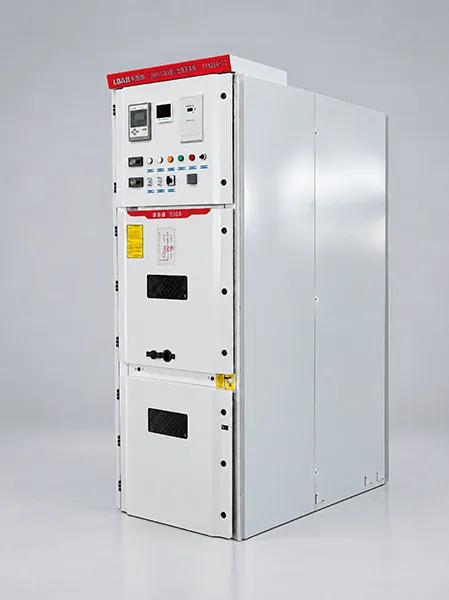
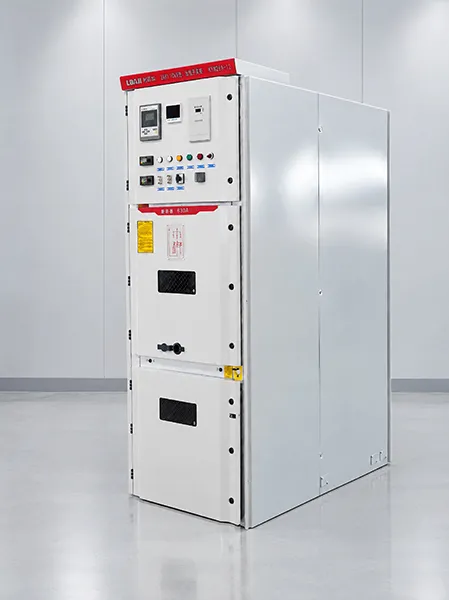
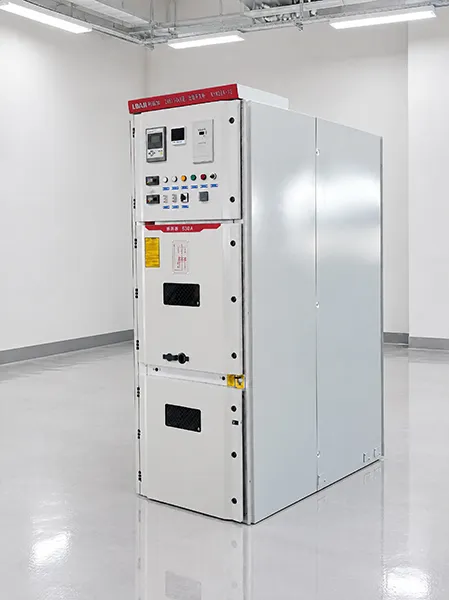
LBAJI’s KYN28A-12 reference illustrates the visible cabinet category discussed here. The images do not fabricate an internal-arc test, assign an IAC rating or show an unverified pressure-relief arrangement. Ask for the supported declaration and documents for the actual order. The meaningful result is a traceable chain from the project requirement to the supplied assembly, its assessed conditions and the completed installation, followed by operating and maintenance arrangements that preserve those conditions.
Các câu hỏi thường gặp
Does IAC mean an internal arc cannot occur?
No. It describes assessed behavior under stated test conditions. It does not eliminate fault risk or replace the site’s operating and work assessments.
Are the stated current and duration the whole declaration?
No. Preserve the complete designation, configuration, accessibility, assessed sides and relevant conditions together with the supporting documentation.
Can a closed-door classification justify open-door work?
Not automatically. Equipment states and test boundaries matter. Electrical work requires the actual assessment and authorized procedures for the installation.
Does an IP designation establish internal-arc performance?
No. Ingress protection and internal-arc classification address different properties and need their respective evidence.
What should be requested from the supplier?
Request the complete declaration, report applicability, configuration drawings, installation conditions, accepted deviations and the instructions needed to preserve the supported arrangement.
Nguồn thông tin kỹ thuật và thiết bị liên quan
Các trang danh mục tiêu chuẩn xác định phạm vi tài liệu; việc tuân thủ và chấp nhận yêu cầu các tài liệu đầy đủ áp dụng và việc đánh giá kỹ thuật dự án.
- IEC 62271-200:2021 plus Amendment1:2024 scope
- 29 CFR 1910.333 về các quy trình làm việc trong ngành điện, phiên bản chính thức năm 2025
- LBAJI KYN28A-12 Thiết bị chuyển mạch AC có vỏ bọc kim loại có thể rút ra
- Những nguyên tắc cơ bản về thiết bị điều khiển
- Kiểm tra và thử nghiệm thiết bị chuyển mạch
- Danh sách kiểm tra bảo trì thiết bị chuyển mạch
Tiếp tục học tập: chức năng của thiết bị
Giáo trình giáo dục độc lập này giải thích về cơ sở thiết bị. Nó không trình bày quy trình làm việc an toàn cho quá trình lắp ráp cụ thể. Nguồn: Gaurav J – TheElectricalGuy.