Published on June 2, 2026
|
Author: wp_kexun
An
Isolation Transformer is used to aid in the separation of one circuit from another for safety, noise reduction, and improved performance. The term “Isolation Transformer” may also be used interchangeably with other types of equipment amongst those who work within electrical systems. In this article, we will detail what an Isolation Transformer is called commonly, what it does, and how it is used in many different places.
What is an Isolation Transformer?
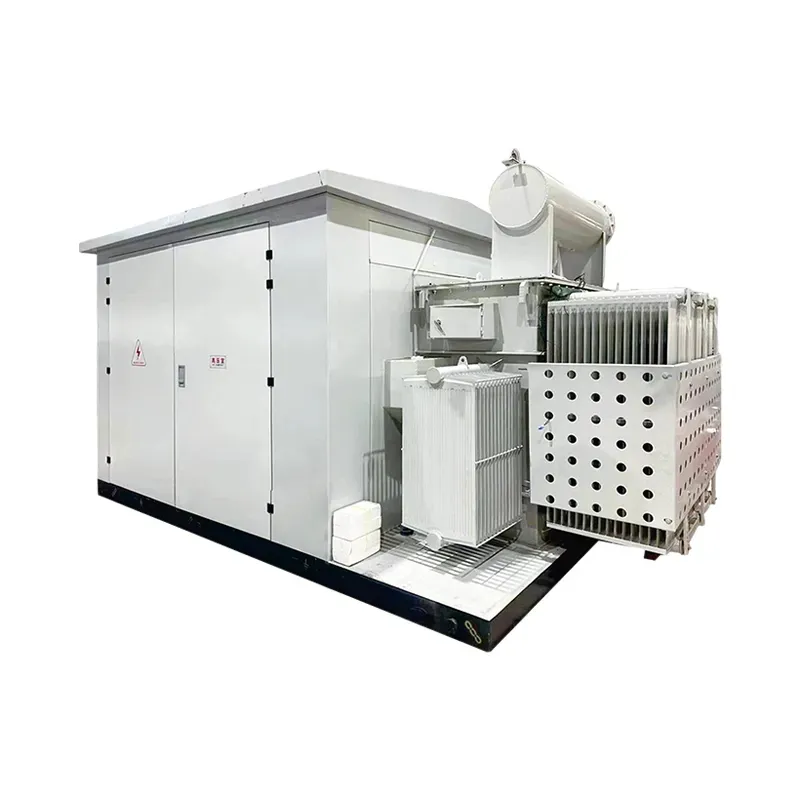
An Isolation transformer is an electrical device specifically designed to transfer electricity to a device through electromagnetic induction without connecting the device directly to the electrical system supplying power to it. As such, isolation transformers provide electrical isolation between the powered device and the electrical source supplying electricity to it. Isolation transformers can also be used to protect sensitive equipment from being damaged by electronic noise from other devices. Additionally, these devices are commonly used to provide distortion-free transmission of data through wires utilizing isolated circuits.
What is Isolation Transformer Also Known As?
Many people working in the field may call them by different names based on their function or purpose; such as, “isolation” transformers. Other common terms could be;
- Drive Isolation Transformer
- 3 Phase Isolation Transformer
- Isolation Drive Transformer
These words all describe different ways of describing products using the same technology but may differ by adding features to their standard description, such as including additional uses besides powering a particular type of device.
Understanding the Types of Transformers
There are a variety of transformers, and each has its own function in the world. Knowing these different types can help explain the place of isolation transformers among them.
- Step-Up Transformer: Increases voltage from the primary side to the secondary side.
- Step-Down Transformer: Decreases voltage from the primary side to the secondary side.
- Isolation Transformer: Provides electrical isolation between circuits.
- Autotransformer: A transformer where primary and secondary shares a single winding.
In accordance with the needs of application, each subject serves a unique purpose; thus,
isolation transformers are critical to safely and consistently meet the performance needs of your application.
Applications of Isolation Transformers
Different sectors that use isolation transformers for safety and where we can achieve best results with them include, but are not limited to:
- Medical equipment, ensuring patient safety and signal integrity.
- Data centers, minimizing data transmission errors and reducing electromagnetic interference.
- Industrial power systems, protecting against transients and surges.
Isolation transformers continue to be highly useful and widely applicable due to their adaptability.
Frequently Asked Questions (FAQ)
The main purpose of isolation transformers is to isolate electrical circuits to reduce the risk of electric shock, reduce electronic noise, and improve the quality of data transmission.
1. May an isolation transformer be employed when using AC and DC circuits?
Isolation transformers are meant for use in alternating current (AC) circuits. The reason is due to their operation being based upon the principle of electromagnetic induction, which requires that the current be alternated.
2. What is the significance of using an isolation transformer for all medical devices?
Isolation transformers are very important in any medical facility since they provide electrical safety to patients, protect against electrical shorts, and keep sensitive medical devices functioning properly.
To wrap things up,
isolation transformers are a critical element within an electrical system, providing a degree of safety to operators while also assisting the efficient operation of many complex applications. The term isolation transformer can also be referred to by other names; however, the fundamental operation of these transformers remains of equal importance to all industries. Connected devices in an electrical system are isolated from the primary electrical source by a transformer to help reduce risk, avoid degradation of signal quality, and offer continued delivery of power. Continued advancements in technology will only increase the need for effective isolation, solidifying the role of the isolation transformer as an integral part of the management of an electrical power system.