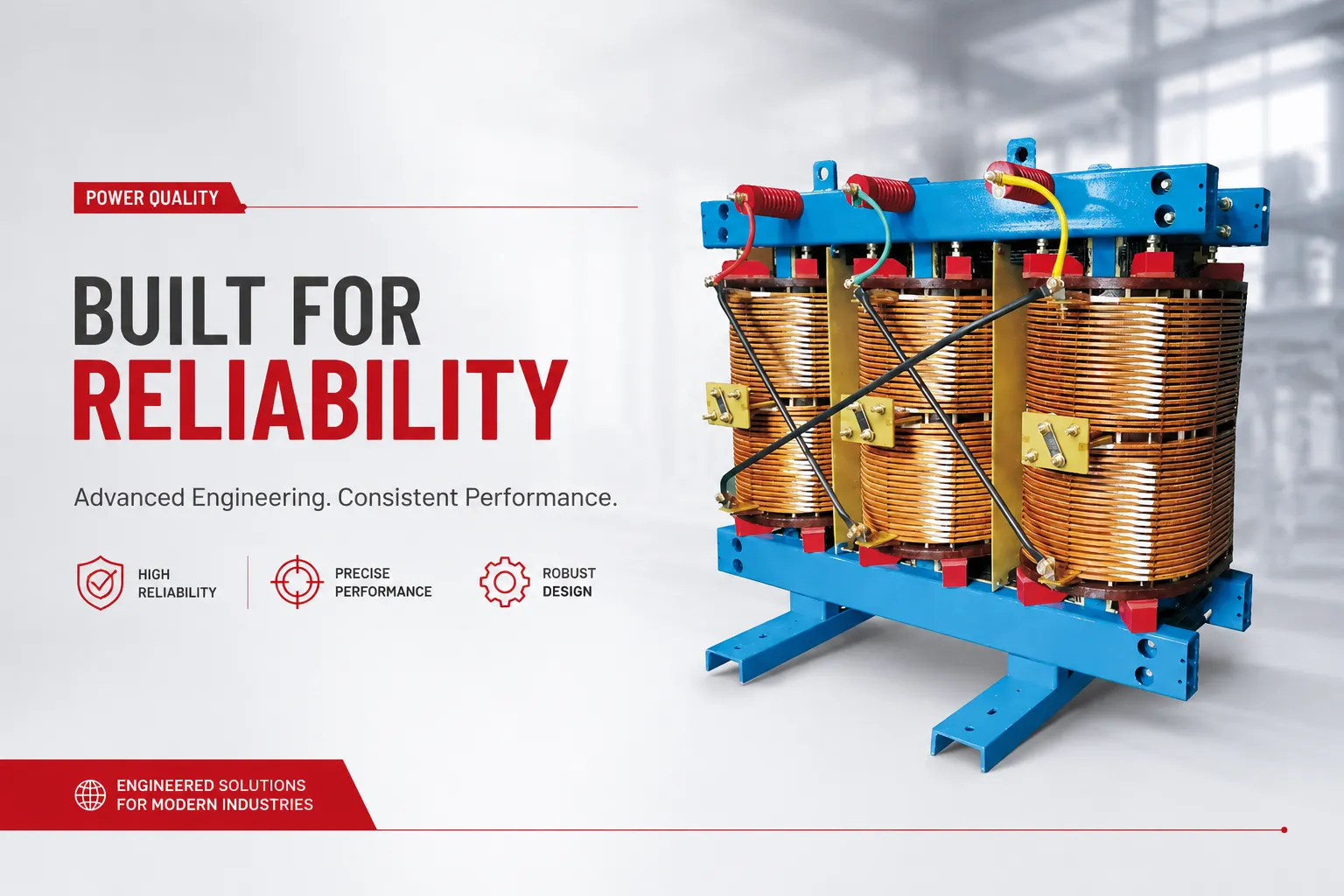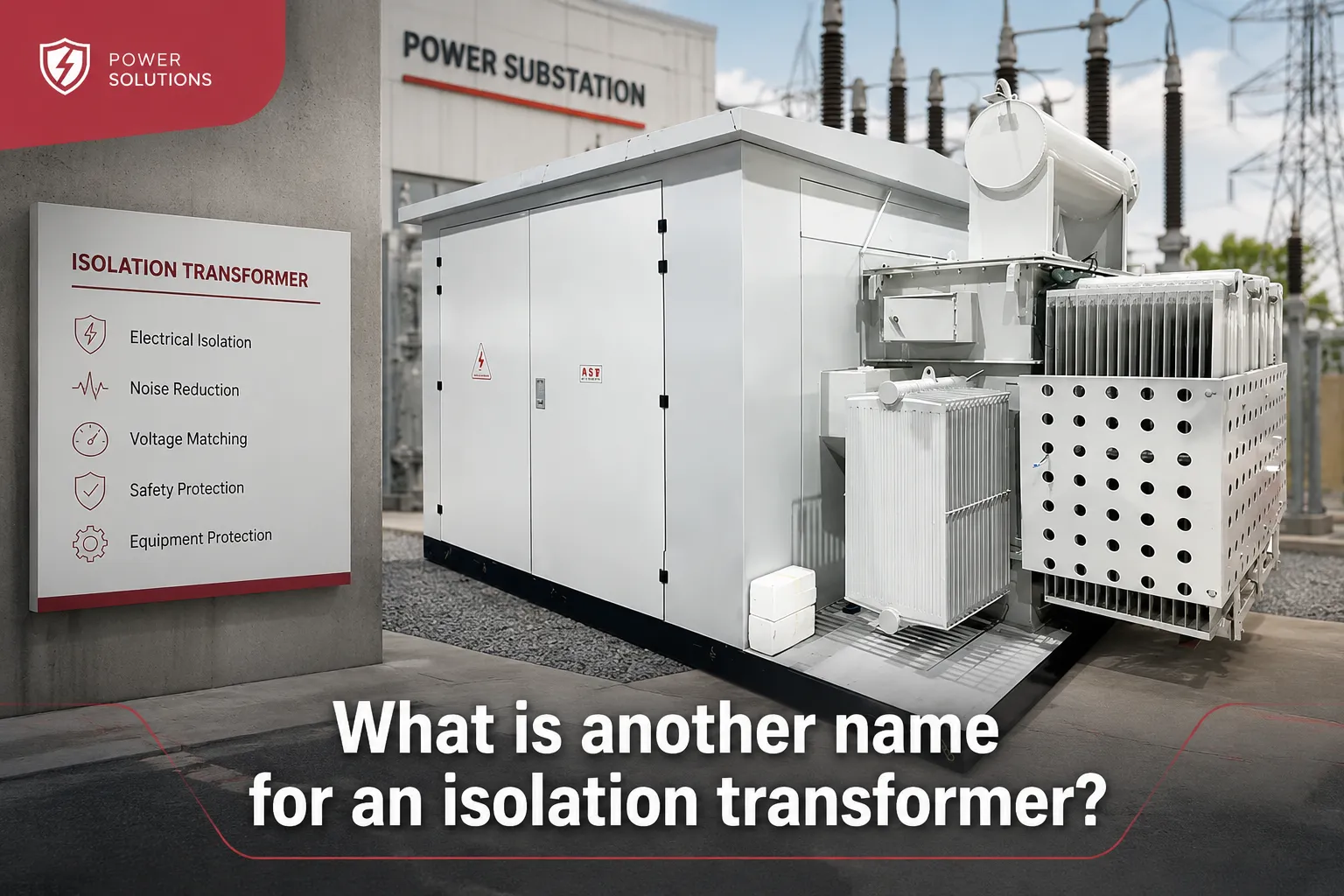
The significance of a dependable transformer in the transmission and distribution of electrical power cannot be understated. One of the many types of transformers available worldwide is the 1250KVA power transformer, which is an excellent choice for many different types of industrial uses. The purpose of this article is to offer a detailed overview of the 1250KVA power transformer, including specifications, types, uses, and more.
What Is a 1250KVA Power Transformer?
A Power Transformer with a capacity of 1250 KVA is an oversized electrical component that performs the function of the transfer of electrical power via an electromagnetic induction from one circuit to another (or more than one circuit). Power transformers are designed for medium voltage to high voltage applications and can be used as stepping up or stepping down devices to provide the required voltages. KVA is a unit of measurement used to describe the apparent power capacity of a transformer, which is why you see it referenced in the capacity of this transformer (KVA).
Key Specifications of a 1250KVA Power Transformer
To choose the right 1250KVA Power Transformer, it is very important that you have an understanding of the specifications for it. The main specifications include:
Voltage Ratings: Transformer ratings of 1250 kva will have a choice of primary and secondary voltage options to allow the transformer to operate efficiently based on load needs.
Frequency: Transformers are intended to be used with 50 and 60 Hz power. The power supply and transformer must match in frequency in order for the transformer to operate properly.
Cooling Type: Various types of transformers can employ various cooling methods to enhance thermal performance and longevity; These mainly consist of oil-immersed and dry-type, each having unique thermal performance characteristics and lifespan potential.
Types of 1250KVA Power Transformers
There are various types of 1250KVA power transformers to choose from:
Oil-Immersed Transformers: They provide great ability to cool down large volumes of air, making them suitable for outdoor placements. As well, they can be typically located in large industrial sites or at electrical utility hubs/substations.
Dry-Type Transformers: The transformers are rated for indoor use, are less flammable and require a lower level of maintenance. Most commonly, they are used in commercial applications.
Pad Mounted Transformers: Designed for outside use, a pad-mounted transformer rated at 1250 kVA can be found in both commercial and residential areas. They can be mounted on concrete pads due to their small footprint and provide safety during installation.
Common Applications of 1250KVA Power Transformers
There are many applications available using the 1250KVA power transformer due to its flexibility.
Industrial Settings: Manufacturing plants and factories often use these transformers to operate their heavy machinery and equipment.
Commercial Buildings: Offices and shopping areas typically require 1250kva transformers to meet their significant amount of energy use.
Utility Companies: For the distribution of energy to residential and commercial users, utility companies install 1250 KVA transformers within their substations.
FAQs about 1250KVA Power Transformers
What is the lifespan of a 1250KVA power transformer?
Typically, a well-maintained power transformer can last between 25 to 40 years.
How do I choose the right transformer for my application?
To determine the best transformer type for your application, you must consider the voltage, capacity and environmental conditions in which the transformer will operate.
Are there any maintenance requirements?
To perform properly and last for their entire lifespan, regular inspection of equipment in conjunction with regular engine oil and filter changes along with proper cleaning is critical to optimizing overall engine performance.
In conclusion, the 1250KVA Power Transformer is a very important part of the electrical distribution system. Knowledge of its characteristics, types and applications will allow an organisation to make the best possible choice about their investment. Excessive cost savings can be achieved by using the transformer that best suits the business’ needs. In doing so, efficient power will be managed and the ongoing costs of running the transformer will be decreased.