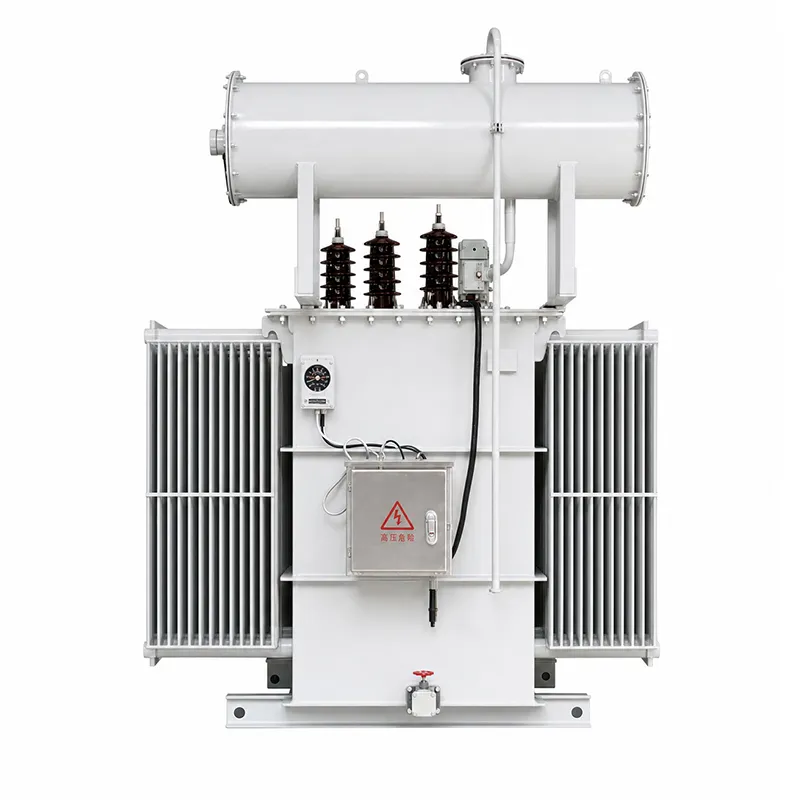

The oil immersed power transformer plays a pivotal role in the stability and efficiency of modern electrical power systems. These transformers are equipped with cutting-edge technology to handle extensive voltage levels efficiently. By utilizing insulating oil for cooling and electrical insulation, the transformer ensures optimal performance and high reliability. Whether it’s a three-phase oil immersed power transformer or a custom-designed solution, monitoring and maintaining these transformers are essential to avoid system failures and maximize efficiency.
What Is an Oil Immersed Power Transformer?
An oil immersed power transformer is a critical component in power generation and distribution networks. The transformer uses high-grade insulating oil as a cooling medium and electrical insulator, which prevents overheating and mitigates risks of short circuits. Due to their capability to carry high-voltage power, oil immersed power transformers are widely used in various sectors like manufacturing, renewable energy, and utility grids.
Moreover, these transformers are designed to withstand extreme environmental conditions, making them suitable for large-scale power applications. An oil immersed power transformer is highly efficient in transferring energy while maintaining structural and thermal integrity. With technological advancements in monitoring tools, maintaining an oil immersed power transformer is now more accessible than ever before.
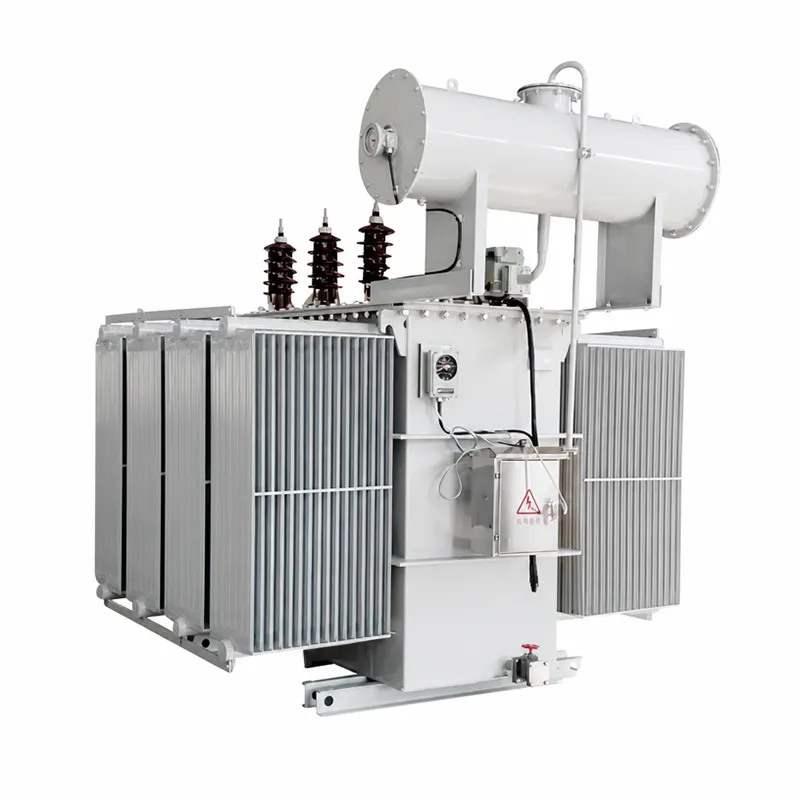
Why Monitoring an Oil Immersed Power Transformer Is Essential
Effective monitoring of an oil immersed power transformer is critical to ensure long-term performance, safety, and cost-effectiveness. Issues such as overheating, insulation failure, and excessive gas buildup can cause catastrophic failures or prolonged outages if left unnoticed. Monitoring allows asset managers and operators to proactively address problems before they escalate.
Here’s why monitoring matters:
1. Prevent Costly Failures: Real-time monitoring identifies potential faults in the transformer, preventing breakdowns that could disrupt operations or even cause blackouts.
2. Extend Lifespan: Data-driven insights on performance help optimize maintenance and extend the operational lifespan of your oil immersed power transformer.
3. Regulatory Compliance: Adhering to safety and operational standards in industries is essential, especially for a highly sensitive piece of equipment like the oil immersed power transformer.
4. Safety Assurance: Preventing leaks, fires, or explosions ensures the safety of your operating staff and the surrounding environment.
Top Monitoring Methods for Oil Immersed Power Transformers
Several advanced methods are available for the effective monitoring of oil immersed power transformers. The most widely used approaches are:
Dissolved Gas Analysis (DGA): This method detects gases dissolved in the transformer’s insulating oil, such as methane, ethylene, and acetylene. These gases can signal thermal faults, partial discharge, or overheating.
Frequency Response Analysis (FRA): FRA focuses on monitoring mechanical changes in the transformer structure, such as insulation damage or winding deformation, often caused by operational shocks or electrical faults.
Moisture Analysis: Moisture in the transformer oil can compromise its insulating properties. Periodic moisture analysis can safeguard the transformer against flashovers and reduced efficiency.
Thermal Imaging: Infrared thermal imaging is used to detect hotspots or areas of high temperature within the transformer, ensuring that cooling systems function correctly.
Monitoring one or more of these parameters ensures your oil immersed power transformer continues to perform at its best while identifying potential risks that could lead to operational downtime.
Online vs. Offline Monitoring: Which to Use for Oil Immersed Power Transformers?
When it comes to monitoring an oil immersed power transformer, you can choose between online and offline methods. Both have their own benefits and limitations, so understanding their differences will help you make informed decisions.
Online Monitoring: Real-time monitoring systems continuously track key operational parameters like oil temperature, gas levels, and load fluctuations. These systems are especially beneficial for critical infrastructure applications, where any failure in the transformer can have severe consequences. However, advanced online monitoring devices tend to be more expensive, making them more suitable for high-value transformers.
Offline Monitoring: Offline approaches, such as FRA and detailed oil analysis, are typically performed during scheduled maintenance or when the transformer is turned off. These methods enable a more thorough diagnosis of internal and structural issues, though they require downtime, which could be challenging for continuously running systems.
Hybrid Approach: Many industries are now combining online and offline monitoring systems to get a well-rounded understanding of their oil immersed power transformer health. This integrated approach ensures maximum reliability.
DGA vs. Frequency Response Analysis: Which Works Best?
When managing an oil immersed power transformer, it’s important to choose the right tools for monitoring faults and ensuring system health. Two of the most widely used methods are Dissolved Gas Analysis (DGA) and Frequency Response Analysis (FRA).
DGA: This method specializes in chemical diagnostics by analyzing dissolved gases in the transformer oil. It excels at detecting internal faults, such as overheating, partial discharges, and arcing. DGA is a primary choice for real-time monitoring systems.
FRA: FRA is better suited for identifying mechanical failures, such as distorted windings or damaged insulation, which may occur due to transportation, seismic activity, or system overloads. It is commonly utilized during manual inspections or after significant events.
Ultimately, a comprehensive monitoring solution for an oil immersed power transformer involves utilizing both DGA and FRA, as they address different but equally critical aspects of transformer health.
Emerging Trends in Oil Immersed Transformer Monitoring
As technology evolves, so do the methods and tools available for monitoring oil immersed power transformers. Some new trends include:
1. Integration with IoT Technologies: IoT allows remote and real-time monitoring systems that notify operators of anomalies using cloud-based alerts.
2. Advanced AI Analysis: Leveraging artificial intelligence for predictive maintenance helps identify trends and patterns in transformer performance data before issues arise.
3. Use of Sustainable Transformer Oils: Manufacturers are increasingly incorporating biodegradable and eco-friendly insulating oils that perform comparably to traditional ones without causing environmental damage.
Buying the Right Oil Immersed Power Transformer
If you’re in the market for an oil immersed power transformer, here are a few critical factors to consider before making a purchase:
1. Voltage Requirements: Make sure the transformer can handle the voltage and load for its intended application.
2. Longevity and Reliability: Check whether the transformer’s components have been tested for extended use, ensuring durability over time.
3. Monitoring Features: Choose a unit that either includes advanced monitoring options or can be fitted with online monitoring solutions to minimize future risks.
4. Cooling System Efficiency: Depending on the climate and operating conditions, select a system with optimal cooling efficiency, such as natural or forced oil circulation.
5. Compliance with Standards: Ensure the transformer complies with international and local regulatory standards for safety and energy efficiency.
FAQ
What Are the Most Common Monitoring Methods for Oil Immersed Transformers?
Dissolved Gas Analysis (DGA), Frequency Response Analysis (FRA), thermal imaging, and moisture analysis are the most widely utilized methods, offering diverse ways to ensure optimal performance of an oil immersed power transformer.
DGA vs Frequency Response Analysis – Which Monitoring Method Is Better?
DGA is ideal for detecting chemical degradation, while FRA specializes in identifying mechanical faults. Together, they provide a robust monitoring framework for oil immersed power transformers.
Online vs Offline Monitoring for Oil Transformers – Pros and Cons
Online monitoring provides real-time insights, ensuring immediate action during operational issues, while offline systems allow thorough inspections but at the cost of temporary downtime. A combination of both is often the best practice for oil immersed power transformers.
Can Modern Technologies Improve Oil Immersed Power Transformer Monitoring?
Absolutely! IoT sensors, AI-driven predictive analytics, and advancements in insulating oils are revolutionizing the way oil immersed power transformers are monitored and maintained.
The oil immersed power transformer is an indispensable asset for ensuring stability and efficiency in electricity distribution. With advancements in real-time and offline monitoring techniques, it’s now easier than ever to ensure the reliable operation of your transformers. Whether you’re looking to invest in your first transformer or optimize monitoring for an existing system, understanding these methodologies will help you make informed decisions and achieve long-term success.