
For a broader view, see our dry-type transformer types and ratings guide.
Dry type power transformer are a major piece of electrical equipment that is used in today’s electrical system. They were developed to provide safe and effective voltage changes from one level to another. Unlike a traditional oil-type transformer, dry-type transformers do not utilize any type of liquid coolant, but rather they cool themselves using air or any other type of gas and insulating materials such as epoxy resin and/or other types of solid materials. Dry-type transformers have an extremely long lifespan, are environmentally friendly, and are safe for many types of applications. We will look at what a dry-type transformer is, the advantages of using dry-type transformers, and where dry-type transformers can often be found in today’s industry in this article.
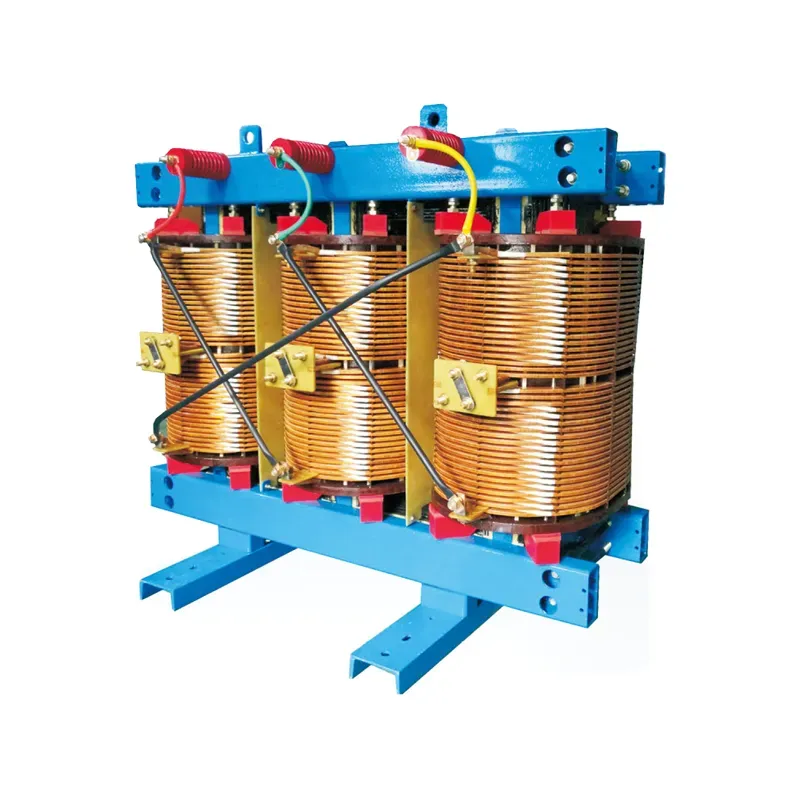
Understanding Dry Type Power Transformers
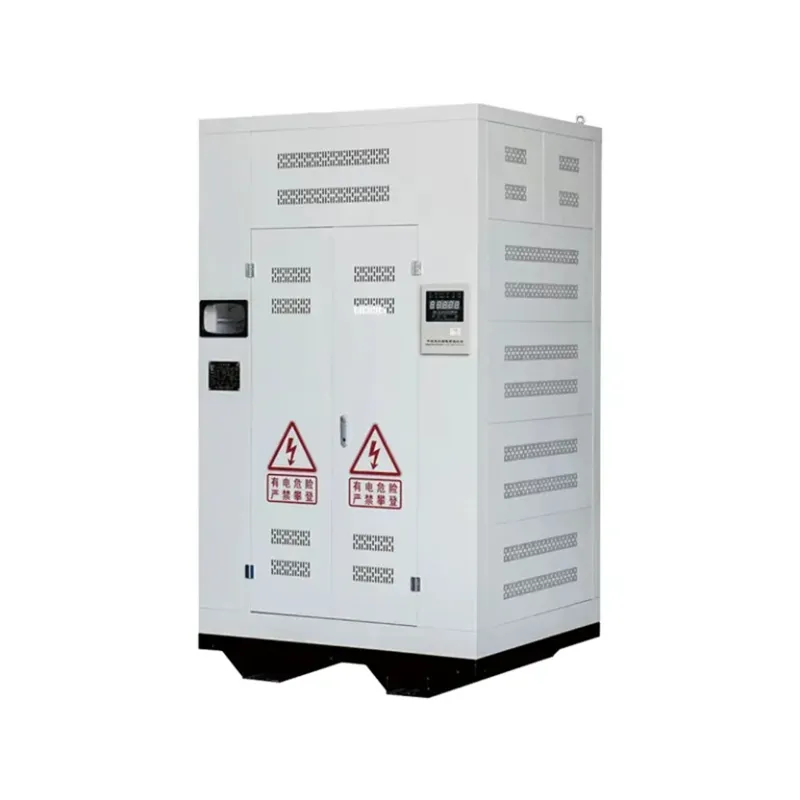
Dry type power transformersDry type transformers or cast resin transformers are considered safe, long-lasting products with a smaller carbon footprint compared to other types of transformers. Unlike conventional transformers that use oil, dry type transformers use composite solid insulation like epoxy resin or fiberglass. Because there is no oil present, there is no risk of leaking oil creating an environmental hazard and there is a considerably lower chance of a fire hazard, which makes this type of transformer preferable in areas where combustible materials are located or where people are in close proximity.
To cool down a dry transformer, there is an air flow path for air to travel through the unit. There are two main types of dry transformers: a ventilated type, where air will go through openings in the transformer for circulation and a fully enclosed type, which has all of its surfaces sealed to protect it from harsh conditions. Both types achieve the same purpose: to maintain the temperature of the transformer at acceptable levels, but each is designed to do this differently to satisfy the operational requirements of the environment.
Advantages of Dry Type Power Transformers
There are numerous aspects to take into account when selecting the appropriate transformer for one particular application, including safety, environment, and maintenance aspects. Nevertheless, the numerous benefits that dry type power transformer offers make them very widely used in many different sectors of industry.
Here are some of the key benefits:
- Fire Safety: Dry type transformers minimise the chances of fires breaking out since they do not use combustible cooling fluids, which helps keep the potential for fire occurrences to a minimum. Because of this property, dry-type transformers are highly recommended for use where many people are present (e.g., residential and commercial areas) and where the application is enclosed (e.g., indoors).
- Environmentally Friendly: The elimination of oil in dry type transformers eliminates concern of leaking oil leading to environmental damage due to leakage. The green nature of dry types is important for industries that wish to reduce their impact on the environment.
- Low Maintenance: Compared to their oil-filled counterparts, dry-type transformers require less maintenance because there’s no need to monitor oil levels or leaks, and there are typically fewer components that need routine servicing.
- Durability: The durable solid dielectric insulation materials found in these transformers have high resistance against dust, moisture and other pollutants in the environment, prolonging the life of a transformer even in a difficult installation environment.
- Space Efficiency: Due to their compact dimensions, dry-type transformers are frequently utilized in urban settings or other areas where space is restricted. Although dry-type transformers are smaller than liquid-filled or oil-filled transformers, they are equally capable of providing reliable, efficient performance over a wide range of loading conditions.
Practical Applications of Dry Type Power Transformers
Due to their multiple uses, dry-type transformers are a popular solution in different industries and applications. Below are some of the most common areas in which they are used:
1. Commercial and Residential Buildings
Due to the advantages of their small size, low maintenance requirements, and better safety, dry-type transformers are usually used in commercial buildings, shopping centres, apartment buildings, and office towers. They provide stable and reliable voltage transformation and allow different electrical systems to function correctly within those buildings.
2. Industrial Installations
The industrial applications of dry type transformers (such as manufacturing) allow for dry type transformers to be more reliable than oil-filled transformers due to their robustness and durability. Dry type transformers offer excellent insulation properties against dust and moisture, which is very beneficial in areas where equipment operated by heavy machinery (or similar types of tasks) is present.
3. Data Centers
Because of the critical nature of the data centers they support, these types of facilities must have systems that operate efficiently enough to keep operations stable while minimizing risk. These facilities rely on dry-type transformers for these applications based on their reliability and efficiency, as well as the safety features of the equipment.
4. Renewable Energy Systems
In renewable energy projects like wind farms and solar plants, the demand for reliable, low-maintenance electrical equipment is high due to the extreme weather they typically experience. Dry Type Transformers are well suited to meet this demand given their durability and efficiency.
5. Transportation Systems
Dry-type transformers are used in a wide variety of transportation facilities, such as rail systems and airports, to efficiently and safely distribute electricity. Dry-type transformers are considered reliable options in transportation centers with constant and high power usage because they can meet strict performance and safety standards.
FAQs about Dry Type Power Transformers
What is the difference between a dry type transformer and a power transformer?
There are many types of devices that are classified as a power transformer and they are used to transfer electrical energy via electromagnetic induction between two separate circuits. The main differences between dry-type and oil-type transformer is in how they are cooled and insulated. A dry-type power transformer will usually employ air or gas as a coolant and solid insulation, while an oil-type power transformer will typically use oil as a coolant and dielectric insulator.
What are the advantages of dry type power transformers?
Some benefits of dry-type power transformers include superior fire safety, environmentally friendly (cannot use oil), low repair costs, longer lifespan, greater space efficiency than other types of transformers, and limited exposure to dirt and water (less likely to be contaminated). Furthermore, they can be used in different operating environments without concern for affecting performance.
What are the uses of dry type power transformers?
In various settings, such as commercial and industrial buildings, data centers, generation facilities for renewable energy and transportation systems, there is a need for these transformer products; because of this, they have become a fundamental and dependable product in any location that needs a strong/safe electrical system.
To sum up, dry type power transformers are an ideal option for today’s power distribution system since they are dependable, efficient, and eco-friendly. Their flexibility, safety features, and low-maintenance requirements allow them to be used in many applications. Professionals in the industry will be able to choose the proper transformer based on the understanding of their benefits and application, and will comply with local, state, and national regulations when making their selection.