
Three-dimensional delta core transformer selection starts after the electrical duty is clear. Compare the architecture only when the project can define the voltage ratio, capacity basis, connection group, loss basis, impedance, installation constraints and drawings—not because a core shape alone promises a result.
The right question is not whether one geometry is universally better. It is whether the published construction and bid data fit the same project requirement used to compare alternatives.
Part 1. What is the buyer selecting besides transformer capacity?
Capacity is necessary, but it does not complete a transformer specification. The project must also establish voltage ratio, connection group, loss basis, impedance requirement, installation environment, terminals and drawings. IEC 60076-1 is useful context because transformer ratings and technical requirements need an agreed specification basis (IEC 60076-1).
That discipline matters when a buyer is comparing core architectures. Without a common duty, a compact appearance, a catalog loss line or a series label may be compared across unlike configurations.
| Decision layer | Buyer should define | Why it matters |
|---|---|---|
| Electrical duty | Voltage ratio, capacity basis and connection group | Establishes the transformer interface |
| Performance comparison | Loss basis and impedance requirement | Makes bid values comparable |
| Installation | Site envelope, environment, terminals and cable approach | Connects the unit to the physical project |
| Documentation | Drawings, datasheet and required records | Keeps catalog information in its proper role |
Use the Transformer category for product-family context, then return to the project duty before choosing a construction.
Part 2. What does a three-dimensional delta core describe?
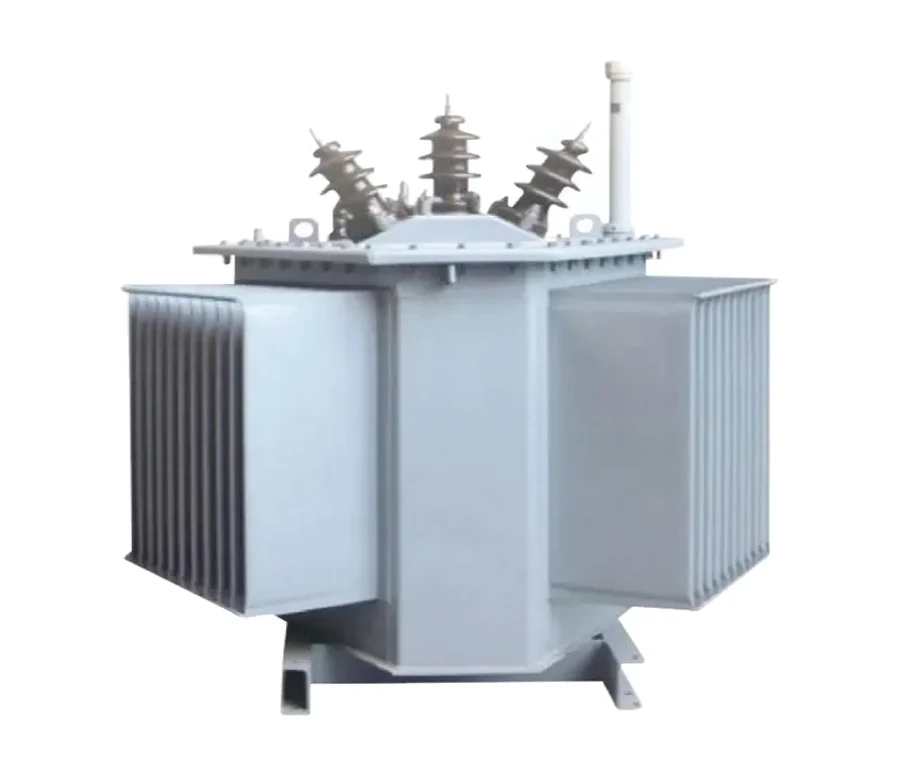
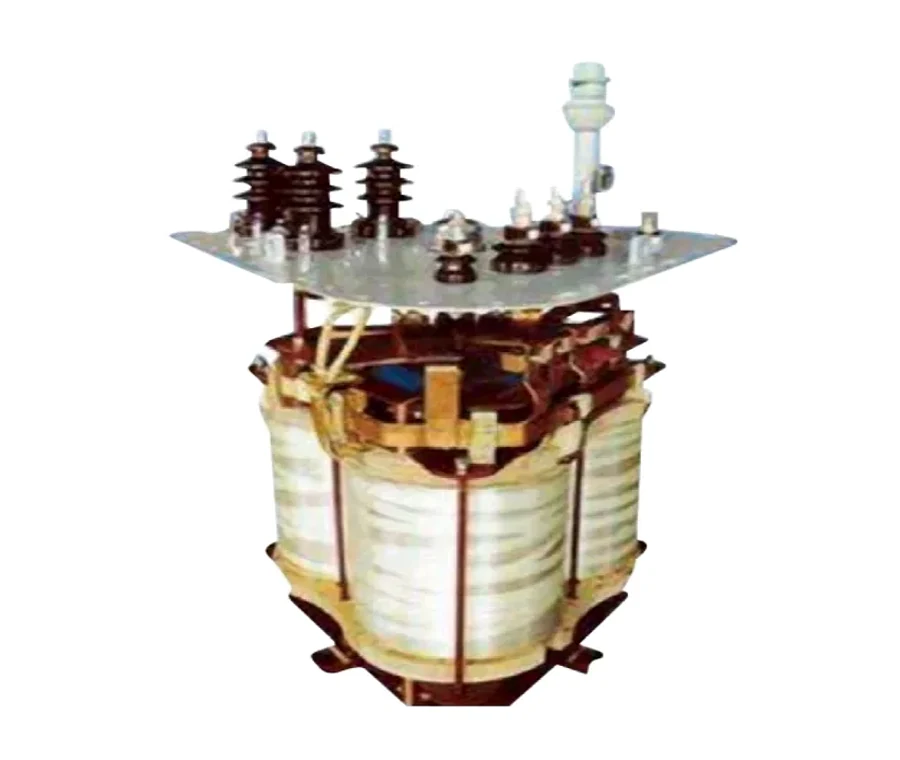
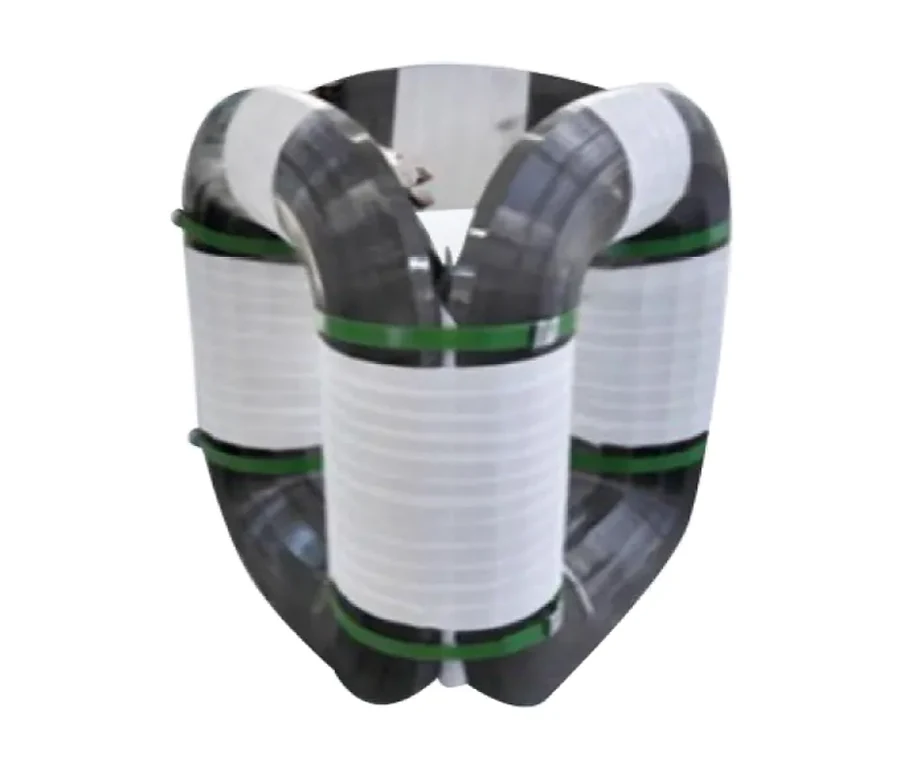
The term describes the magnetic-core construction, not a complete project configuration. LBAJI’s S-M-L three-dimensional delta transformer page describes a three-phase symmetrical three-dimensional structure and displays S11-M.L and S13-M.L catalog tables.
That description is useful for framing a comparison, but it does not replace the selected voltage ratio, connection group, impedance, insulation arrangement, accessories or issued drawings. Core geometry is one engineering attribute inside a transformer system.
The product page also shows that the published tables carry multiple fields. A selection discussion should therefore remain broader than a single statement about material saving, noise or efficiency.
Part 3. When is this core architecture worth comparing?
Compare a three-dimensional core when the buyer has a stable distribution duty and needs to evaluate more than the initial price. The comparison becomes meaningful when bidders can respond to the same voltage and capacity requirement, and when loss, impedance, installation and document conditions are all visible.
Efficiency is an important distribution-transformer performance topic in the Department of Energy appliance and equipment standards program. That public policy context does not prove a specific product outcome; it reinforces why loss values should be requested on a stated, comparable basis.
Important: Do not specify a core architecture as a substitute for the electrical requirement. State the voltage ratio, capacity basis, connection group, loss basis, impedance and site constraints first; only then can any construction be compared on a common basis (IEC 60076-1).
The distribution transformer kVA calculation guide can help establish capacity. It should not be used to infer the final core architecture by itself.
Part 4. Which S11 and S13 fields should be compared on the same basis?
The public S-M-L page provides S11-M.L and S13-M.L rows with rated capacity, voltage, connection group, loss, no-load current, impedance, weight and overall-size fields. Use these as a checklist for a bid matrix, then verify that every quoted value belongs to the same requested configuration.
| Catalog or bid field | Comparable only when | Buyer action |
|---|---|---|
| Rated voltage and connection group | The project interface is identical | Check against the single-line diagram |
| No-load and load loss | The required basis and configuration are stated | Compare like for like |
| Impedance | The same system target applies | Review against the electrical study |
| Weight and overall size | The offered design and drawing revision are identified | Use only for preliminary coordination |
The 500KVA oil immersed transformer selection guide provides a capacity-specific perspective. Keep that capacity decision separate from the architecture comparison.
Part 5. Where does the fit boundary begin?
This architecture may be relevant for a defined liquid-immersed distribution-transformer requirement where the team can compare matching technical data. It is not a shortcut for uncertain voltage interfaces, undefined loss criteria, missing impedance targets or a site layout that has not been issued.
Do not reject a conventional core solely because another construction is available. Likewise, do not move to a dry-type product merely because the site has a space constraint. Those alternatives need the same duty, environment, installation and procurement evidence before they can be judged.
The public LBAJI page says its overall size and weight are reference values subject to company drawings. That is a useful boundary: catalog dimensions should not be used to release final foundations, enclosures or cable routing.
Part 6. What should a specification package include?
Give every bidder the same architecture-independent requirement. That allows a three-dimensional core offer and an alternative construction to be compared fairly, with departures made visible.
Buyer should provide:
- single-line diagram, voltage ratio, capacity basis and connection group;
- requested no-load and load-loss comparison basis;
- impedance target or electrical-study requirement;
- expected installation environment, site envelope, terminals and cable approach;
- required accessories, documents and drawing list; and
- a request to identify every departure from the stated requirement.
For an efficiency-focused procurement discussion, see the transformer efficiency and load-factor procurement guide. Its comparison criteria should remain tied to the actual loading and specification assumptions.
Part 7. When is the S-M-L series a useful product review point?
The S-M-L three-dimensional delta transformer page is a useful product review point when a liquid-immersed distribution-transformer project has a clear electrical duty and needs to compare the published S11/S13 fields.
It is not a final recommendation when the voltage ratio, vector group, loss basis, impedance, terminals, environment or drawings remain unsettled. The final unit must follow the agreed requirement and selected drawings rather than the product table alone.
Send the project inputs through Contact Us for a configuration-specific comparison.
FAQs
What is a three-dimensional delta core transformer?
It is a transformer described by a three-dimensional magnetic-core construction. The term identifies one construction attribute; it does not define the complete voltage, capacity, connection or installation requirement.
Does core geometry alone determine transformer performance?
No. Performance must be evaluated with the same requested voltage ratio, connection group, loss basis, impedance target, operating conditions and offered configuration.
When should a buyer compare this architecture?
Compare it after the distribution duty is defined and the buyer can request matched bid data for electrical performance, installation and documents.
Which values should be compared?
Compare rated voltage, connection group, loss values on their stated basis, no-load current, impedance, dimensions and weight only when the offered configuration and drawing status are identified.
Can catalog size define the final installation?
No. The product page treats size and weight as reference values subject to company drawings. Final layout needs the selected drawing, terminals, cable approach and access requirements.
What should be supplied for quotation review?
Supply the single-line diagram, voltage ratio, capacity basis, connection group, loss and impedance requirements, installation environment, terminals, site envelope, document list and required drawings.