
Transformer efficiency class decisions look simple on a brochure and expensive when the load factor was wrong.
Buyers who compare stickers instead of declared losses and duty hours often overpay—or under-spec—relative to real operating cost. This guide shows how to put load factor into the RFQ, how to compare bids fairly, and which claims to reject.
Freeze the evaluation method before freezing the purchase order.

Part 1. When efficiency class becomes a procurement decision
Efficiency class enters the buy when energy cost, carbon reporting, or tender rules weight losses.
Without a load factor, a higher class can look better on paper and worse in service.
For related sizing and thermal notes, see the distribution transformer kVA calculation guide and the temperature rise class guide.
Important: Rank efficiency only after the RFQ locks load factor, operating hours, and the loss-evaluation formula (IEEE C57.91).
Part 2. RFQ data that make efficiency bids comparable
Ask every supplier to quote against the same evaluation package.
| RFQ item | Why it matters | Send with quote |
|---|---|---|
| Rated kVA and voltage combination | Sizing basis for losses | Yes |
| No-load and load losses | Core of efficiency ranking | Yes |
| Declared efficiency class / method | Makes labels comparable | Yes |
| Cooling method and enclosure | Thermal package with losses | Yes |
| Short-circuit impedance | Protection still applies | Yes |
| Vector group and tap range | Electrical package confirmation | Yes |
State load factor, annual hours, and the capitalization formula.
Part 3. Load factor, hours, and which loss dominates
No-load loss accumulates whenever the unit is energized; load loss scales with current.
Low load factor sites often care more about no-load loss; heavily loaded feeders weight load loss harder.
Write the assumed profile so suppliers do not invent different stories.
Part 4. Capitalization rules versus sticker rankings
A sticker class is not a substitute for a shared loss-evaluation spreadsheet.
If tenders require a specific method, paste that method into the RFQ unchanged.
Reject bids that omit the loss basis or mix test and catalog figures.
Part 5. Documents and tests to request before award
Request loss figures on a named basis, temperature rise class, and any efficiency declaration format required by the tender.
Confirm impedance and ratings on the same package used for protection studies.
Keep evaluation sheets in the controlled project file.
Part 6. Shortlist series after the evaluation rules are written
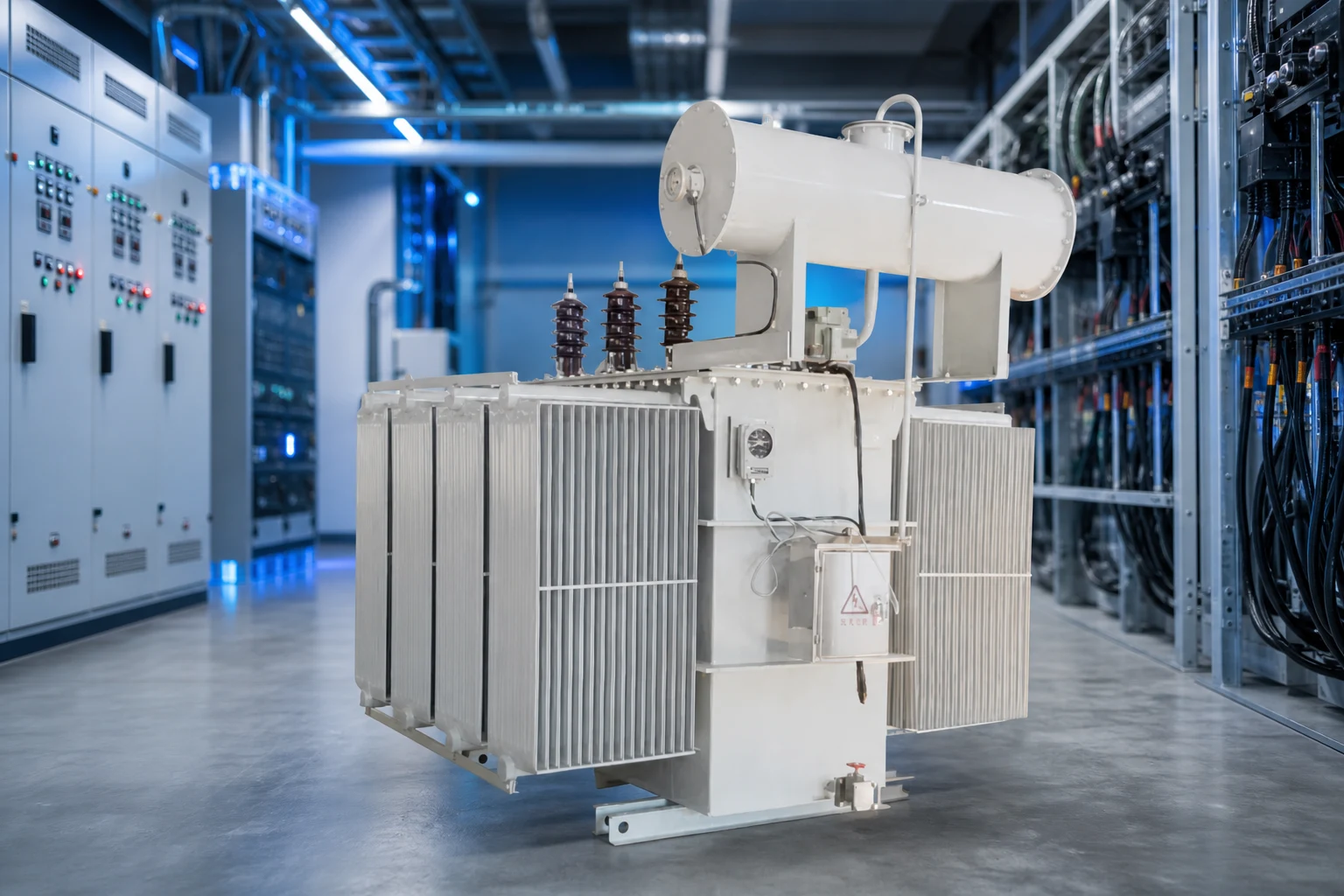
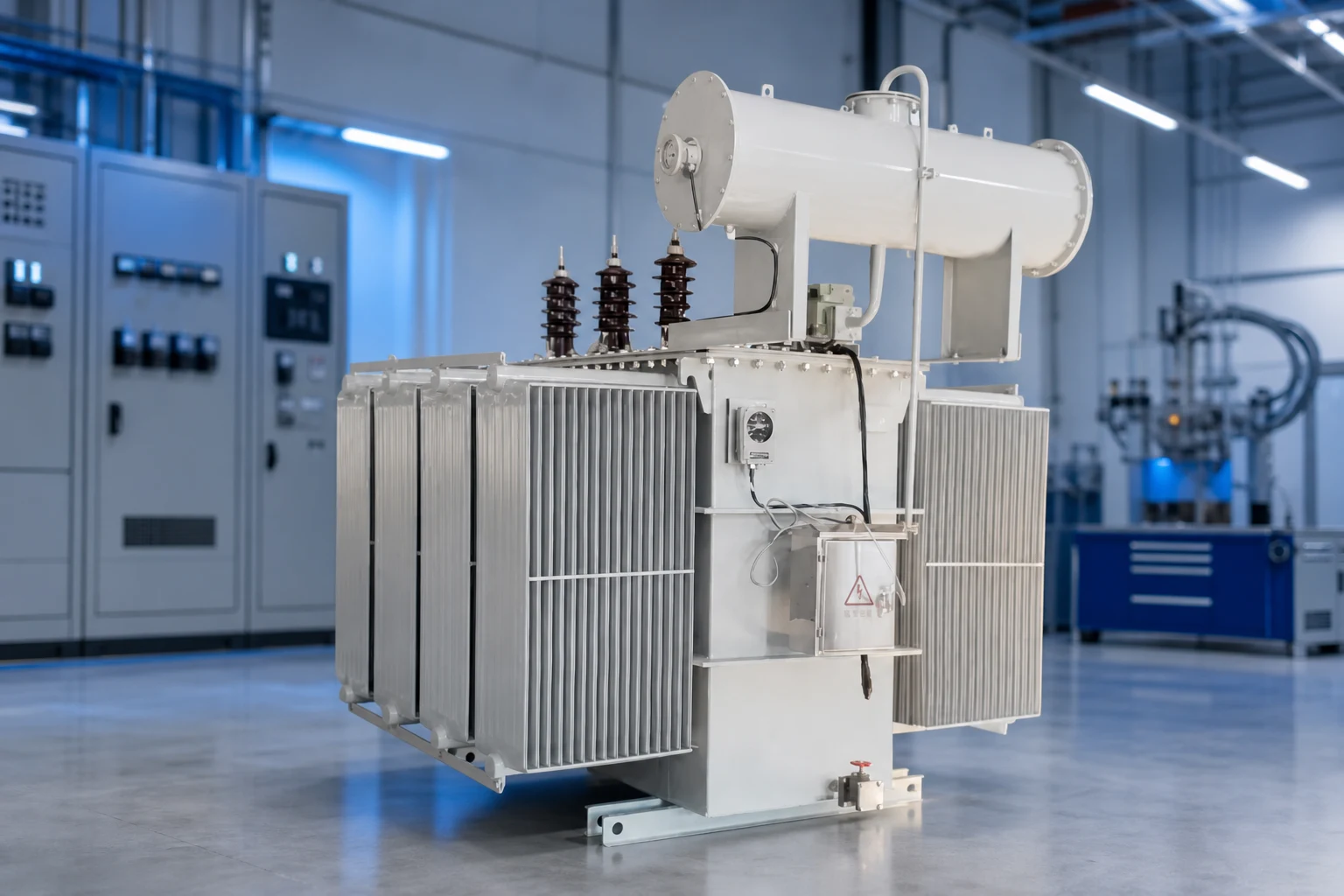
Product recommendation: After evaluation rules are written, open the transformer product category and screen the S□-M oil-immersed power transformer series and SC(B) resin insulated dry transformer series against the approved duty profile.
| Better fit | Needs more study |
|---|---|
| Load factor and hours in the RFQ | Ranking on purchase price alone |
| Shared loss-evaluation method | Mixing catalog and test bases |
| Cooling class fixed with losses | Late class changes after award |
Submit ratings and duty notes through Contact Us for catalog confirmation.
Part 7. Efficiency-procurement mistakes that distort awards
- Ranking efficiency stickers without load factor.
- Omitting annual hours from the RFQ.
- Comparing losses on different temperature bases.
- Ignoring cooling class when losses change.
- Awarding on first cost only under energy-weighted tenders.
- Changing evaluation rules after bids are opened.
FAQ
Is a higher efficiency class always better?
Only against a stated load factor and evaluation method; otherwise the premium may not match operating cost.
What load factor should I put in the RFQ?
Use the expected annual profile for the feeder—not a generic marketing default—and keep it identical across bidders.
Do no-load and load losses both matter?
Yes; which one dominates depends on energized hours versus loading intensity.
Which electrical data still belong with efficiency quotes?
Keep kVA/voltage, vector/tap data, declared losses, cooling/enclosure, and impedance on one shared bid sheet.
Can catalog loss figures be used for award?
Only when the RFQ allows catalog basis; otherwise require the tender’s declared test or guarantee basis.
How do cooling methods affect efficiency comparisons?
Cooling stages change losses and thermal limits; compare bids on the same cooling definition.
What should buyers send suppliers?
Send load factor, hours, evaluation formula, ratings needs, and required documents with the RFQ.