
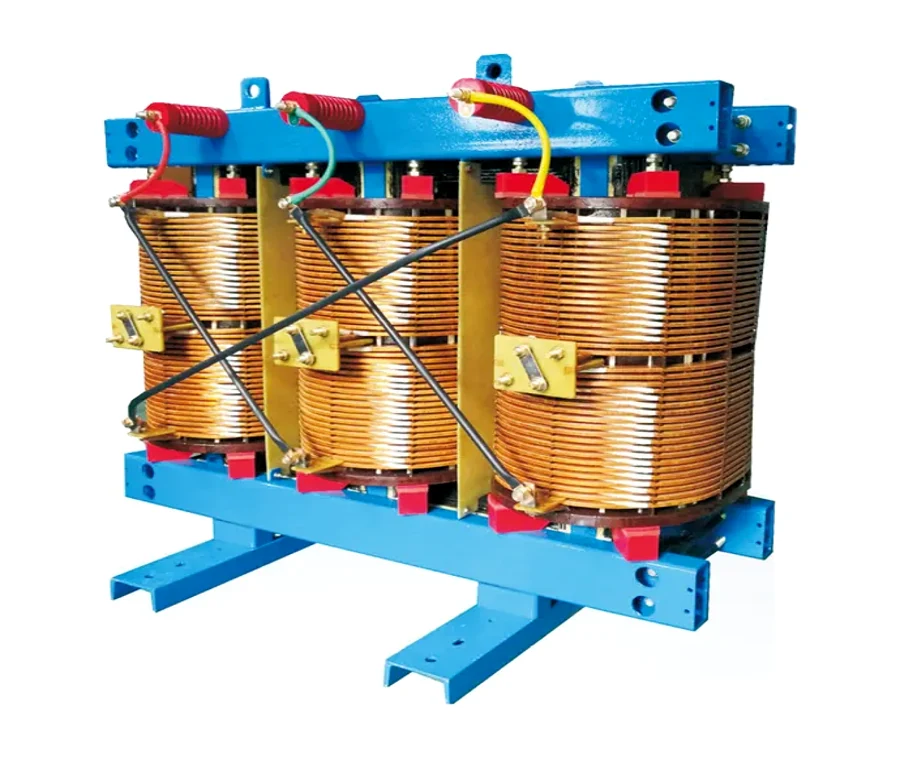
SGB environment-friendly dry type transformer selection for an indoor site begins with the room and electrical duty, not with an enclosure label. Define the voltage ratio, capacity basis, room heat-removal path, access, enclosure need, monitoring scope and drawings before bids are compared. For the broader construction and project-selection overview, see our dry-type transformer cooling and selection overview.
An indoor location does not make every dry-type configuration equivalent. The final equipment must follow the agreed requirement and selected drawings.
Part 1. What makes an indoor transformer selection different?
The transformer has to fit an electrical system and a room. IEC 60076-11 provides dry-type-transformer context, while the project still needs to define the actual operating, installation and documentation requirements (IEC 60076-11).
For an indoor project, capacity is only one input. Air paths, enclosure choice, maintenance access, terminal orientation and the way heat is managed all affect the information a supplier needs.
| Decision area | Buyer should define | Review reason |
|---|---|---|
| Electrical duty | Voltage ratio, capacity basis and vector group | Establishes the transformer interface |
| Room conditions | Ambient conditions, access and heat-removal path | Connects the product to the installation |
| Protection | Enclosure, monitoring and alarm interface | Makes the requested scope visible |
| Documentation | Drawings and required records | Keeps catalog data within its boundary |
Use the Transformer category for family context after the duty is defined.
Part 2. Which room conditions should be defined first?
Start with the room arrangement rather than a general statement that the unit is “for indoors.” Identify where fresh air enters and leaves, the expected ambient conditions, clear access paths, terminal approach and any equipment that limits the available envelope.
The dry-type installation ventilation guide offers a related planning view. It does not replace the issued room drawing or the selected manufacturer drawing.
Important: A dry-type transformer still needs an installation-specific heat-removal and access plan. Do not use an indoor label or a catalog photo as evidence that a room, enclosure or ventilation arrangement is acceptable (IEC 60076-11).
Part 3. How should enclosure and access be decided?
An enclosure choice should follow the actual exposure and access requirement. The public SG(B) page says that IP20 and IP23 enclosures can be provided if requested; it does not make either option automatic for every project (SG(B) product page).
Keep the request practical: state the required enclosure condition, how cables enter, what maintenance access is needed, and whether the room design includes a dedicated barrier or housing.
| Site input | Buyer should provide | Procurement effect |
|---|---|---|
| Exposure and access | Required enclosure approach | Avoids assumed protection scope |
| Cable entry | Terminal and cable approach | Supports interface review |
| Service access | Space and access constraints | Informs the drawing review |
| Room air path | Available intake and discharge route | Supports installation planning |
Part 4. Which electrical and monitoring inputs belong together?
The electrical request should be paired with the requested monitoring scope. LBAJI’s product page states that SG(B) 10 dry-type transformers of 315 kVA and above are equipped with a temperature-display protection device, but project interfaces and final configuration still need confirmation.
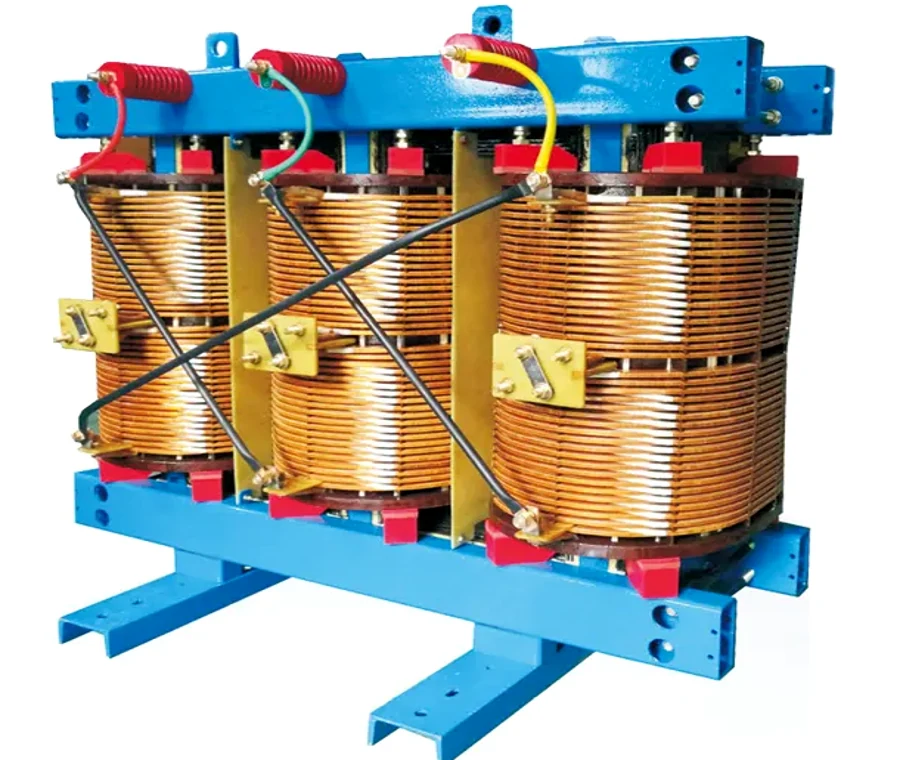
Buyer should provide the voltage ratio, capacity basis, vector group, loss and impedance requirement, plus the required temperature indication, alarm, trip and communication interfaces. The 1000KVA dry type buying guide can support a capacity discussion, but it should not be used to infer the final room arrangement.
Part 5. How should drawings and dimensions be used?
Use catalog dimensions for preliminary coordination only. The SG(B) page lists technical and enclosure-size fields, yet final placement needs the selected drawing, terminal arrangement, cable route, access and the agreed accessory scope.
IEEE’s C57.12.01 listing identifies a standard context for dry-type distribution and power transformers. It is not a statement that a particular room or product is approved.
The 3150KVA dry type selection guide provides a larger-capacity perspective. Keep capacity selection separate from the indoor room fit.
Part 6. What should the RFQ contain for an indoor site?
Give every bidder the same inputs so the response is comparable. Send:
- single-line diagram, voltage ratio, capacity basis and vector group;
- loss and impedance requirements on a stated basis;
- indoor location, ambient conditions and room heat-removal concept;
- requested enclosure, cable entry, terminals and maintenance access;
- temperature indication, alarm, trip and communication requirements; and
- general arrangement, datasheet and document requirements.
This is an RFQ record, not a promise that a particular catalog configuration meets every project condition.
Part 7. When is the SG(B) series a useful product review point?
The SG(B) environment-friendly dry-type transformer page is useful when an indoor dry-type project has already defined its electrical duty and installation inputs.
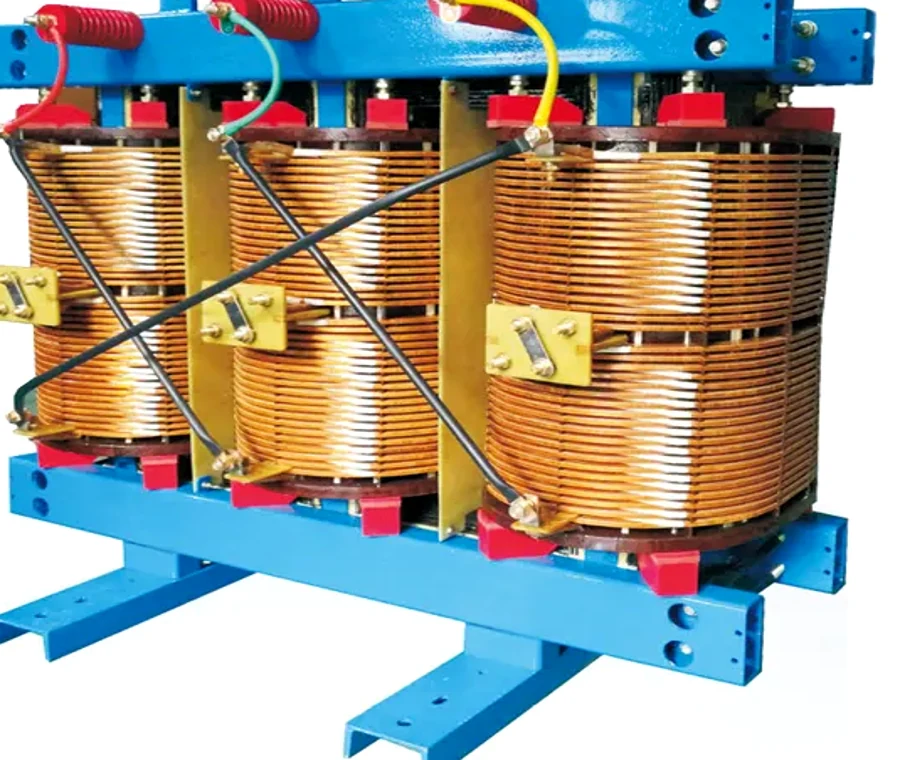
It is not a final recommendation if room air paths, enclosure, monitoring, terminals, drawings or capacity remain open. Send the specification package through Contact Us for a configuration-specific review.
FAQs
When is a dry-type transformer suitable indoors?
It can be considered when the electrical duty and room conditions are defined. The selection must include the heat-removal path, access, enclosure approach and selected drawings.
Does an indoor dry-type transformer need ventilation?
The room needs an installation-specific heat-removal plan. Confirm the air path and final equipment requirements with the selected drawings rather than assuming a universal arrangement.
Is IP20 or IP23 automatic?
No. The LBAJI page says these enclosure options can be provided if requested. The project should state the required condition and confirm the final configuration.
What should be monitored?
State the required temperature indication, alarm, trip and communication interfaces together with the electrical duty. Do not infer the complete monitoring scope from a catalog statement.
Can a catalog size fix the room layout?
No. Catalog values support preliminary coordination. Final layout needs the selected general arrangement, terminal orientation, cable route and access requirements.
What belongs in the RFQ?
Include the electrical duty, room conditions, heat-removal concept, enclosure and access needs, monitoring interfaces, terminals, drawings and document list.