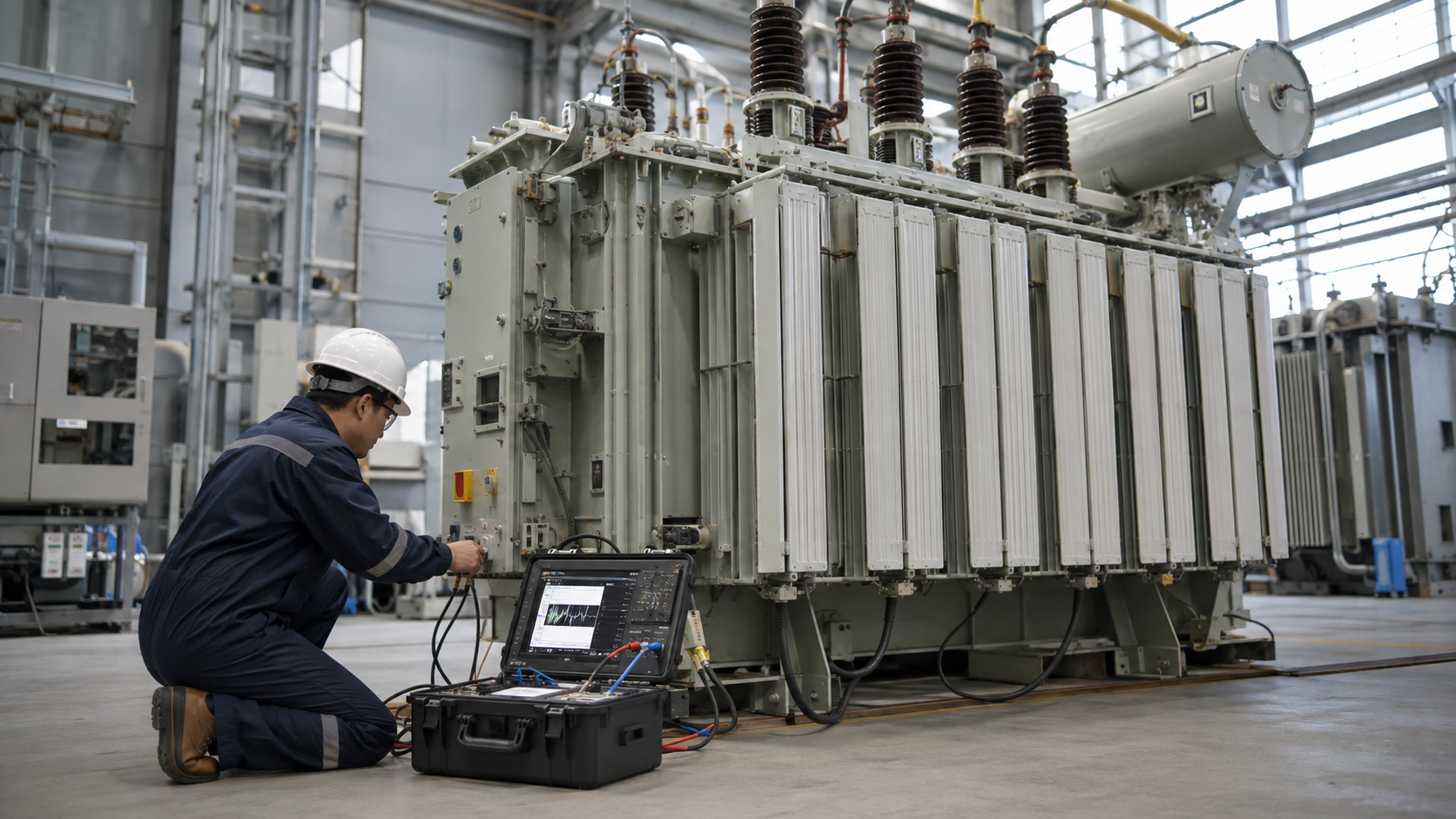

Transformer lead times affect the entire project schedule, but a credible delivery date cannot be taken from a generic online number. It depends on rating, voltage, materials, factory workload, drawing approval, special tests and logistics at the time of order. This transformer procurement guide explains how to prepare an RFQ, compare suppliers, evaluate cost and control schedule through manufacturing, FAT and shipment.
Why Transformer Lead Times Vary
Two units with the same kVA may have different schedules because of voltage, insulation, winding material, tap changer, low-loss design, enclosure, accessories and testing. Factory engineering and production queues also change. Critical components such as electrical steel, conductor, bushings, tap changers and monitoring devices can define the schedule.
For “transformer lead times 2026,” obtain dated project-specific quotations rather than relying on a market-wide estimate. Ask each supplier to state the quote date, validity, assumed approval duration, ex-works milestone and shipping basis.
Build a Complete Transformer RFQ
A complete request reduces assumptions and makes bids comparable. Include:
- quantity, kVA/MVA, phases and frequency;
- HV/LV voltage, highest voltage and insulation levels;
- vector group, impedance, taps and regulation method;
- cooling, temperature rise, ambient and altitude;
- loss capitalization or efficiency requirements;
- short-circuit, seismic, sound and fire requirements;
- bushings, cable boxes, neutral and grounding interfaces;
- protection, monitoring and communication accessories;
- standards, routine/type/special tests and witness points;
- documentation, spares, packing, delivery term and site data.
Quick Comparison and Selection Table
Use this table as a quick review of the main engineering and procurement decisions explained in the article.
| Decision area | Practical meaning | What to verify |
|---|---|---|
| Why Transformer Lead Times Vary | Two units with the same kVA may have different schedules because of voltage, insulation, winding material, tap changer, low-loss design, enclosure, accessories and testing. | Factory engineering and production queues also change. |
| Build a Complete Transformer RFQ | A complete request reduces assumptions and makes bids comparable. | Include: |
| Define the Schedule Properly | Break delivery into milestones: order, design input freeze, drawing submission, customer comments, drawing approval, material release, active-part completion, tanking, routine tests, FAT, punch-list closure, packing,… | State which activities can start before final approval and who owns delays. |
| Evaluate Total Ownership Cost | Purchase price alone ignores energy losses, outages, maintenance, spares and service life. | Apply the project’s loss capitalization to guaranteed no-load and load losses and evaluate likely loading. |
| Supplier Qualification | Assess relevant voltage/capacity references, design and manufacturing capability, quality system, short-circuit design evidence, test laboratory, traceability, nonconformance control and service support. | Audit the actual factory proposed for the order—not only a sales office. |
Define the Schedule Properly
Break delivery into milestones: order, design input freeze, drawing submission, customer comments, drawing approval, material release, active-part completion, tanking, routine tests, FAT, punch-list closure, packing, ex-works and site delivery. State which activities can start before final approval and who owns delays.
Transformer Cost Drivers
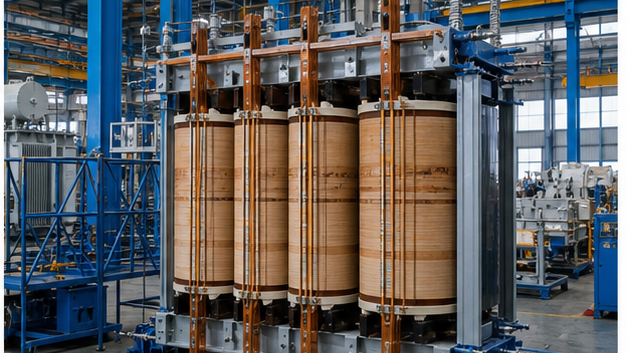
- Capacity and voltage: more material and greater insulation generally increase cost.
- Losses: lower no-load/load loss may require more core steel or conductor.
- Impedance and short-circuit strength: winding design and material change.
- Tap changer: OLTC adds equipment, controls and maintenance scope.
- Cooling and accessories: fans, pumps, monitors and cable boxes add cost.
- Testing: special/type tests, witness and external laboratory fees matter.
- Logistics: dimensions, mass, oil state, permits and route surveys can be substantial.
Evaluate Total Ownership Cost
Purchase price alone ignores energy losses, outages, maintenance, spares and service life. Apply the project’s loss capitalization to guaranteed no-load and load losses and evaluate likely loading. Compare efficiency, noise, oil preservation, monitoring, maintainability, warranty and local service.
Supplier Qualification
Assess relevant voltage/capacity references, design and manufacturing capability, quality system, short-circuit design evidence, test laboratory, traceability, nonconformance control and service support. Audit the actual factory proposed for the order—not only a sales office.
Review whether type-test evidence represents the offered design. Ask how the supplier controls core steel, winding conductor, insulation drying, clamping, oil processing and tank leak testing.
Technical Bid Comparison
Create a clause-by-clause deviation schedule. Normalize rating, losses, impedance, taps, accessories, tests, spares, documentation, warranty, delivery term and exclusions. “Complies” is not enough if the bid omits guaranteed numerical data or drawings.
Drawing and Document Review
Review outline, foundation loads, terminal arrangement, clearances, schematic, control wiring, accessory list, nameplate and test plan. Comments should be consolidated and returned on time. Approval means interfaces are acceptable; it does not transfer the manufacturer’s design responsibility.
Factory Acceptance Testing
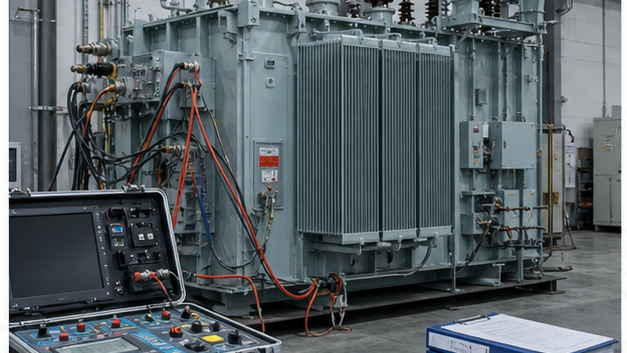
Routine tests typically include winding resistance, ratio/vector group, impedance/load loss, no-load loss/current and dielectric tests according to the standard. FAT also checks dimensions, accessories, controls, alarms and documents. Agree witness/hold points, acceptance criteria and report format before production.
Logistics and Site Delivery
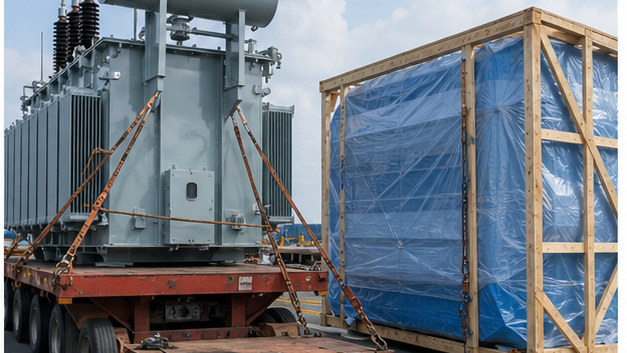
Confirm shipping dimensions/weight, center of gravity, lifting/lashing points, oil shipping condition, accessory packing and preservation. Heavy transformers may need route studies, permits and special trailers. Use shock/tilt recorders when appropriate and define receiving inspection and storage responsibilities.
Commercial Terms and Risk
Clarify Incoterms, taxes, payment milestones, performance security, warranty start, delay terms, inspection rights, title/risk transfer, storage and change control. Tie payments to objective deliverables rather than calendar dates alone. Define spare-part prices and post-warranty support.
LBAJI Procurement Options
Projects can request a standalone 35 kV oil-immersed transformer, an integrated 35 kV new-energy box substation, or a YBM-12 prefabricated substation. For comparable quotations, provide the single-line, load/fault data, environment and interfaces.
Why transformer lead times remain a planning constraint
Lead time is influenced by core steel, conductor, bushings, tap changers, engineering capacity, test-bay availability and logistics. Large or unusual ratings reserve scarce factory resources long before assembly begins. A quoted duration is credible only when its start event and approval assumptions are defined.
Managing shortage and schedule risk
Standardize ratings where practical, issue complete technical data early, qualify alternatives, reserve production slots and track long-lead subcomponents. Separate drawing approval, manufacturing, FAT, transport and site dates. For critical projects, evaluate temporary units, compatible spares and phased energization before delay becomes an emergency.
Technical references and further reading
The following independent sources support the standards, terminology, calculations, and safety context discussed in this guide:
- IEC 60076-1 power transformer standard — Scope, terminology, ratings, connection symbols, testing, safety, and general requirements for power transformers.
- U.S. Department of Energy: Distribution Transformers — Official definitions, efficiency requirements, test procedures, and regulatory resources for distribution transformers.
- OSHA electric power transmission and distribution requirements — Safety requirements relevant to construction and work around electric power transmission and distribution equipment.