
A mini circuit breaker, more formally a miniature circuit breaker (MCB), protects low-voltage final circuits against overload and short circuit. It can be reset after the fault is corrected, but it must be selected for conductor ampacity, voltage, poles, trip curve and available fault current. This guide compares MCBs with MCCBs, AFCI, DC and motor-protection breakers and explains safe panel integration.
How a Miniature Circuit Breaker Works
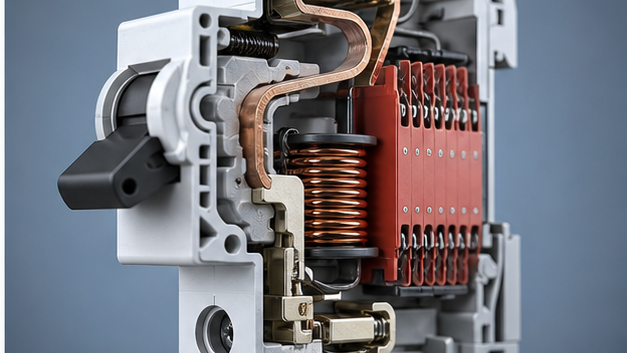
A thermal bimetal bends during sustained overcurrent and releases the mechanism after a time delay. A magnetic solenoid operates rapidly when current rises far above rating. Opening contacts create an arc, which is driven into an arc chute and divided until extinguished.
The toggle is an operating interface, not the protection sensor. A trip-free mechanism should open even if the handle is held on during a fault.
MCB vs MCCB
MCBs are compact modular devices with fixed trip characteristics for final circuits. MCCBs cover higher currents and breaking capacities and may provide adjustable thermal-magnetic or electronic trips. Physical appearance or amp rating alone does not establish interchangeability.
Quick Comparison and Selection Table
Use this table as a quick review of the main engineering and procurement decisions explained in the article.
| Decision area | Practical meaning | What to verify |
|---|---|---|
| How a Miniature Circuit Breaker Works | A thermal bimetal bends during sustained overcurrent and releases the mechanism after a time delay. | A magnetic solenoid operates rapidly when current rises far above rating. |
| MCB vs MCCB | MCBs are compact modular devices with fixed trip characteristics for final circuits. | MCCBs cover higher currents and breaking capacities and may provide adjustable thermal-magnetic or electronic trips. |
| Rated Current and Cable Protection | Select breaker current so normal load is carried and the conductor remains protected after ambient, grouping and installation correction factors. | Continuous-load rules depend on the applicable code. |
| Trip Curves | Common IEC instantaneous curves include B, C and D. | B operates at a lower multiple of rated current and suits low-inrush loads; C tolerates moderate inrush; D tolerates higher inrush such as some motors or transformers. |
| Breaking Capacity | The MCB’s rated short-circuit capacity must equal or exceed prospective fault current at its installation. | Fault current depends on transformer impedance, upstream network and conductor impedance. |
Rated Current and Cable Protection
Select breaker current so normal load is carried and the conductor remains protected after ambient, grouping and installation correction factors. Continuous-load rules depend on the applicable code. A larger breaker must never be installed merely to stop nuisance trips without checking load and cable ampacity.
Trip Curves
Common IEC instantaneous curves include B, C and D. B operates at a lower multiple of rated current and suits low-inrush loads; C tolerates moderate inrush; D tolerates higher inrush such as some motors or transformers. Exact limits come from the standard and manufacturer curves. Selection must also ensure sufficient minimum fault current for prompt operation.
Breaking Capacity
The MCB’s rated short-circuit capacity must equal or exceed prospective fault current at its installation. Fault current depends on transformer impedance, upstream network and conductor impedance. A 6 kA device is not acceptable at a bus with higher prospective duty unless a tested backup/cascading combination applies.
Poles and Neutral Switching
Single-pole devices protect one conductor. Multipole breakers operate phases together. 1P+N and 3P+N arrangements switch neutral according to their design, but neutral protection may differ. The grounding system and local rules determine whether neutral is switched and which pole makes first or breaks last.
AC vs DC Circuit Breakers
DC arcs are harder to extinguish because current lacks a natural zero crossing. Use a breaker with an explicit DC voltage rating and required pole series arrangement. Observe polarity where marked. An AC-only MCB must not be assumed safe on PV, battery or control DC circuits.
AFCI and Residual-Current Protection
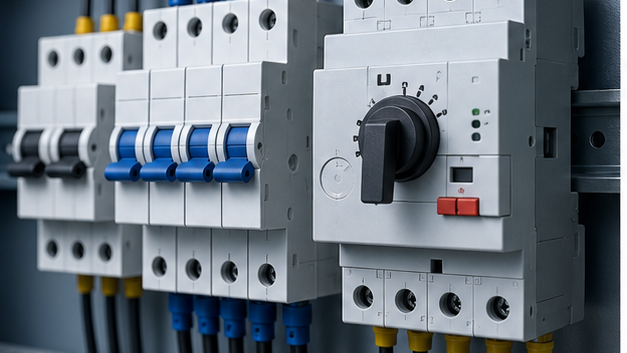
An AFCI circuit breaker detects characteristic arcing patterns. An RCD/RCCB responds to residual earth-leakage current. An RCBO combines residual-current and overcurrent protection. These functions address different hazards and may be required together by local code. They are not substitutes for medium-voltage protective relays.
Motor Protection Circuit Breaker
An MPCB combines adjustable overload and short-circuit protection for a motor and often coordinates with a contactor. It accounts for motor starting and phase loss differently from a general-purpose MCB. Coordination type and contactor/fuse/breaker combination should be verified.
Shunt Trip and Accessories
A shunt-trip accessory opens the breaker when control voltage is applied. Other accessories include undervoltage release, auxiliary contacts, alarm contacts and motor operators. Use only accessories approved for the exact breaker model and control voltage.
Smart Circuit Breakers
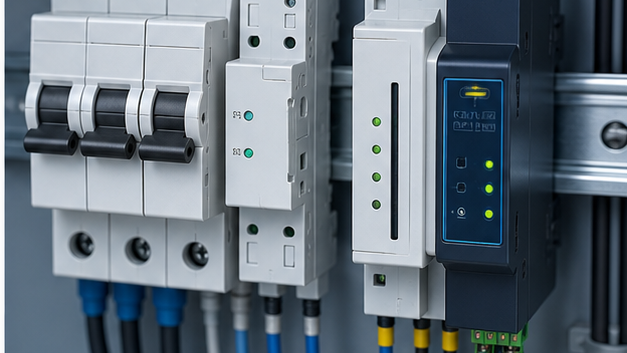
Smart breakers may measure current/energy, report status or permit remote control. Cybersecurity, fail-safe behavior, auxiliary power, communications loss and manual operation should be evaluated. Monitoring does not change the need for certified overcurrent performance.
Circuit Breaker Panel Compatibility
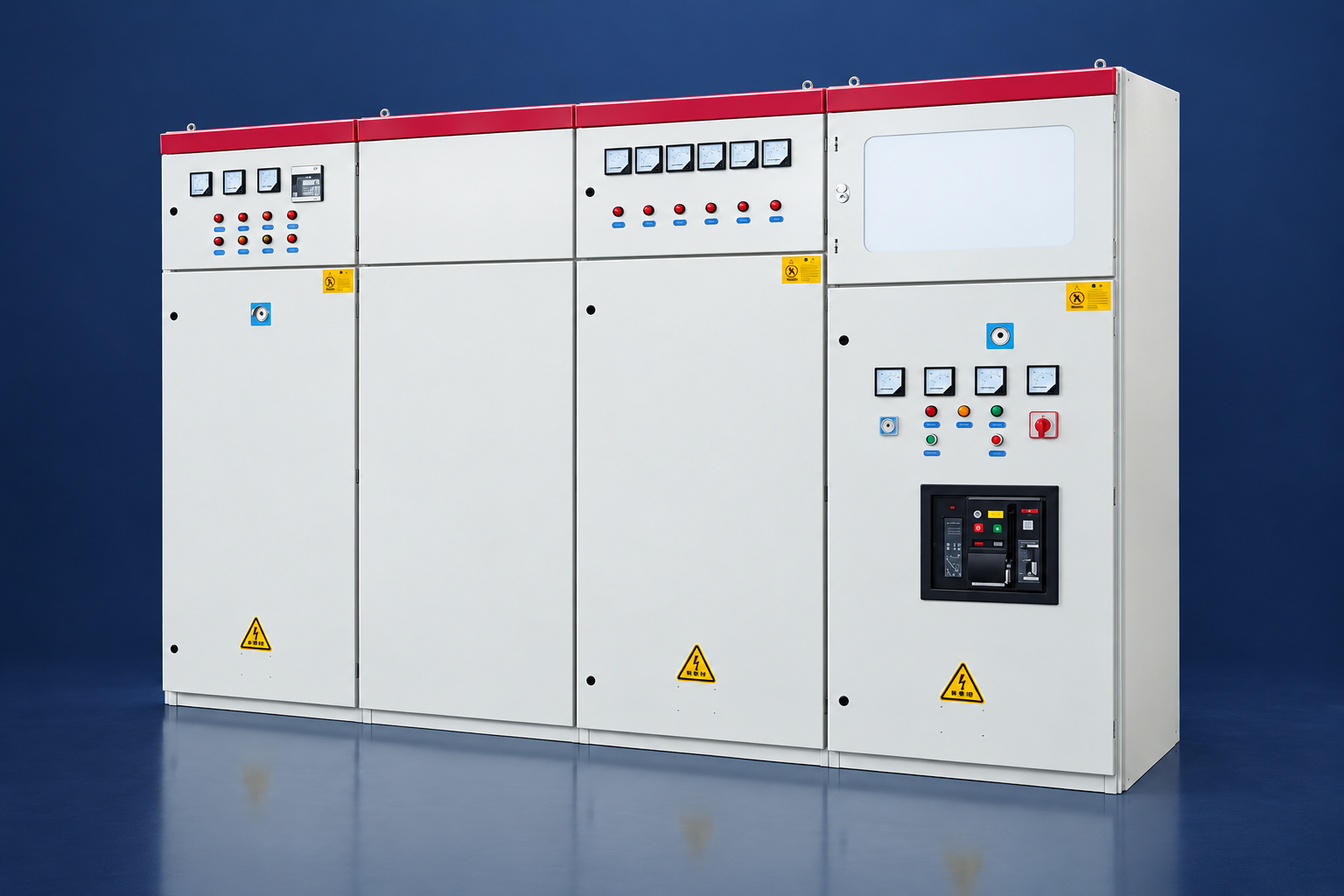
Breaker brands and product families are not generically interchangeable. Bus connection, mounting, enclosure, listing and short-circuit rating depend on the approved panel system. Replacement must match the panel manufacturer’s allowed device and rating, not only width and handle appearance.
Industrial System Context
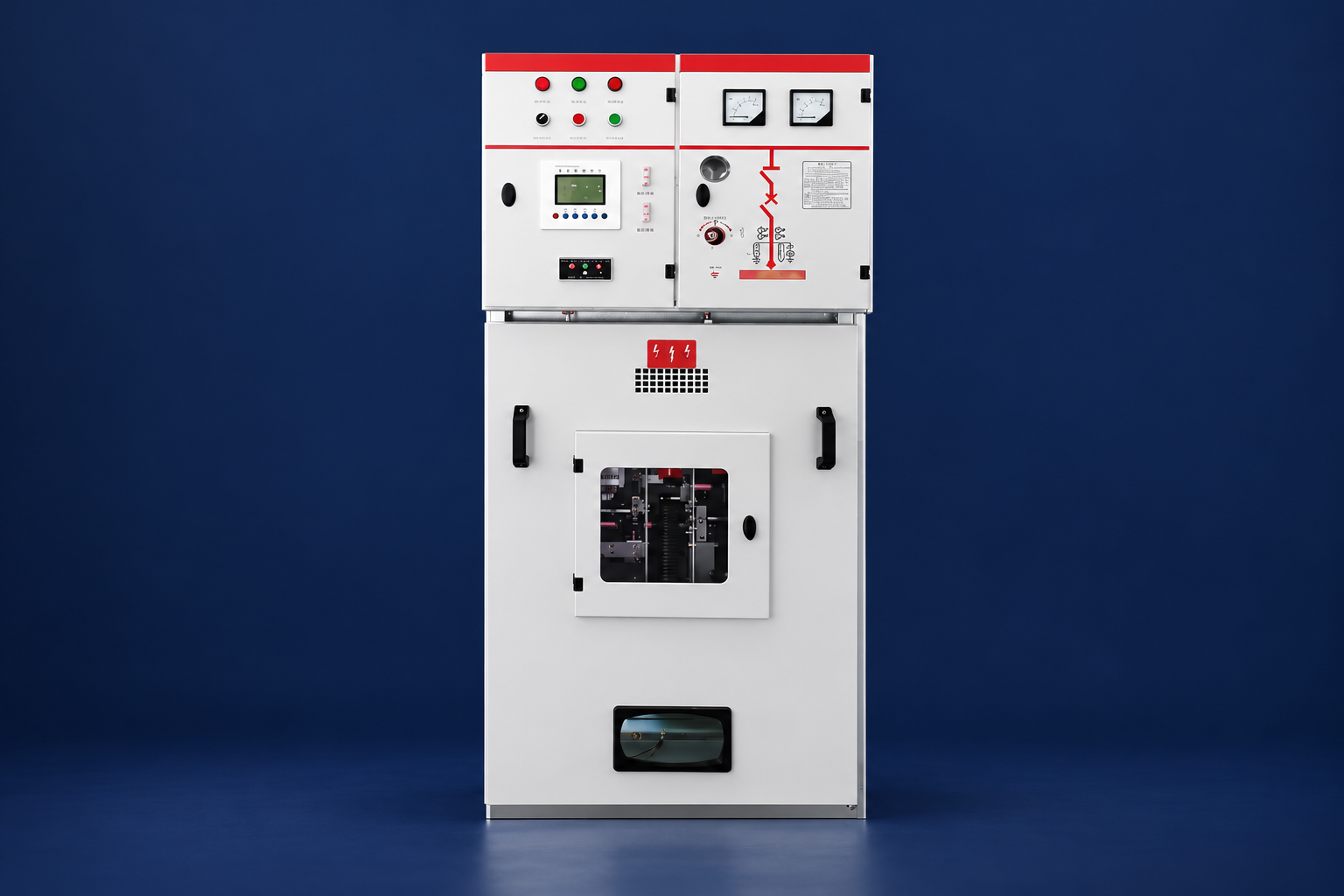
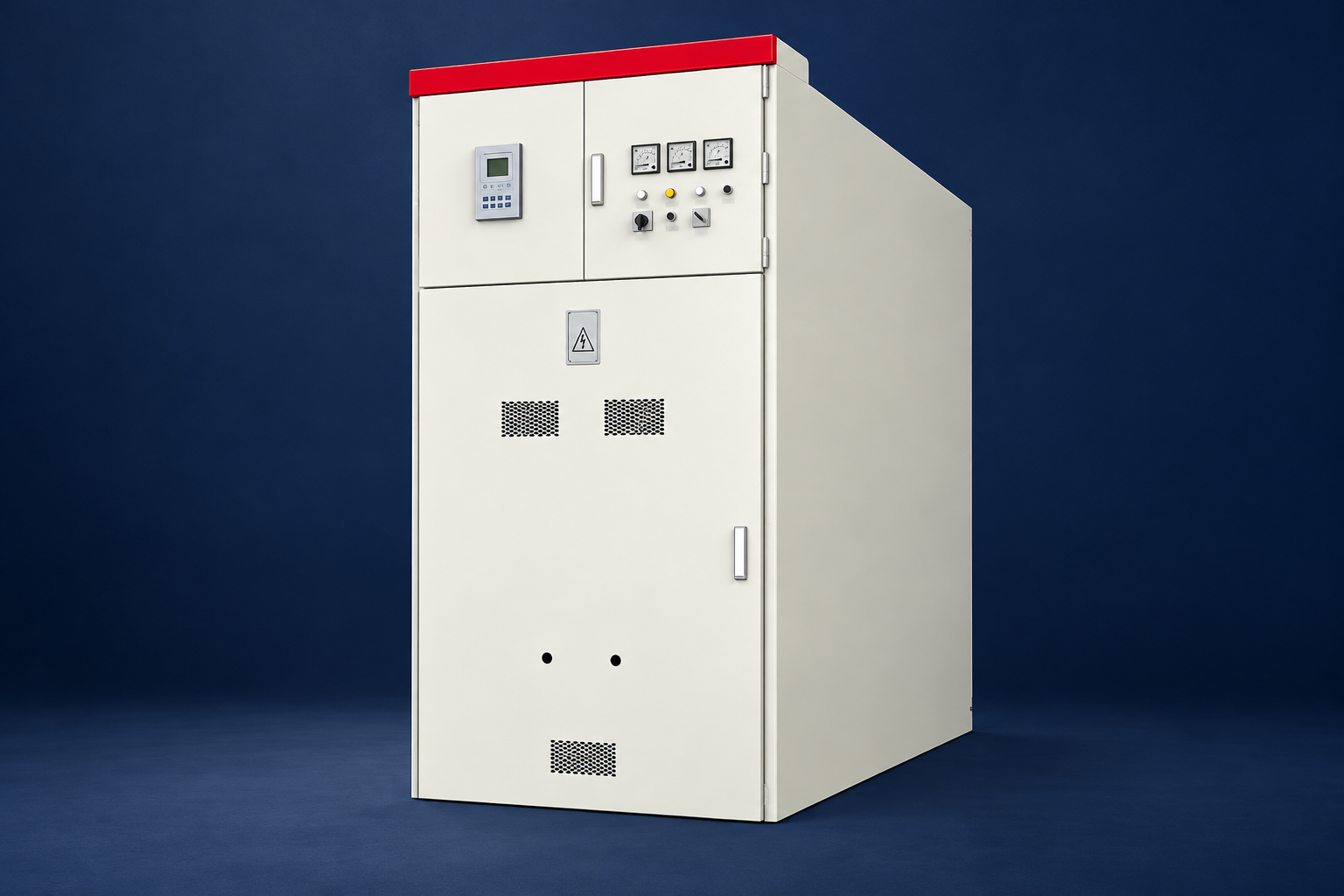
MCBs protect final low-voltage circuits downstream of main distribution equipment. The upstream system may originate at a YBM-12 prefabricated substation and be protected by KYN28A-12 MV switchgear. The whole protection chain should be coordinated from MV feeder to final MCB.
Selection Checklist
- System voltage, AC/DC and frequency.
- Load and conductor ampacity.
- Poles, neutral and grounding arrangement.
- Trip curve/inrush requirement.
- Prospective fault current and breaking capacity.
- Panel compatibility and enclosure.
- Residual-current/AFCI requirements.
- Accessories and coordination with upstream devices.
Replacement Safety
Opening a breaker panel exposes shock and arc-flash hazards. Qualified personnel should isolate, lock out, verify absence of voltage and follow the applicable safety procedure. Investigate why the old breaker tripped or failed before replacement.
MCB applications and accessories
MCBs protect lighting, receptacle, control and small equipment circuits when their rating and curve suit the load. Auxiliary contacts, alarm contacts, shunt trips and undervoltage releases add status or remote action, but compatibility and mounting space must be confirmed for the exact device family.
Quick selection and maintenance checks
Record load current, conductor ampacity, inrush, prospective fault current, poles, AC/DC duty and required coordination. Inspect for heat damage, loose terminals and repeated trips. An MCB that has interrupted a severe fault or shows mechanical damage should be assessed according to manufacturer instructions rather than repeatedly reset.
Technical references and further reading
The following independent sources support the standards, terminology, calculations, and safety context discussed in this guide:
- IEC 62271-200 metal-enclosed switchgear standard — Scope, classifications, service conditions, internal-arc testing, interlocks, and requirements for AC metal-enclosed switchgear up to 52 kV.
- IEEE C37.121 guide for switchgear-unit substations — Coordination guidance for switchgear and transformer sections in three-phase unit substations.
- OSHA electrical power safety requirements — Safety requirements for construction involving electric power transmission and distribution equipment.