
Switchgear IP rating describes specified enclosure protection against access and ingress under a defined classification and test arrangement. It does not, by itself, establish outdoor suitability, resistance to condensation, corrosion performance or the safety of every operating condition. Select the required protection from the site’s actual exposure and then verify the offered assembly, its interfaces and its installed condition. A sealed-looking cabinet or a high number in a quotation is insufficient evidence. Buyers need a documented protection requirement tied to the complete assembly and the conditions in which it will operate.
Start with the exposure rather than the rating
Describe where the switchgear will be installed and what can reach it. Indoor equipment may encounter construction dust, roof leaks, pipework failures, cleaning activities or humid air from adjacent spaces. Outdoor installations may face rainfall, wind-driven contamination, solar heating and site-specific corrosion. These are different mechanisms requiring different design questions. A tender that asks only for a high IP rating can leave the most important environmental risks undefined.
Record whether the intended condition includes a completed building or a temporary construction environment. Equipment selected for the finished electrical room may need separate preservation measures before commissioning. Identify who controls water, dust and unauthorized access during that period. If the environment changes after procurement, review the equipment suitability with the manufacturer rather than assuming the original rating absorbs every new exposure. Environmental assumptions belong beside the electrical specification, not in an informal email after delivery.
Read the code within its actual scope
IEC 60529 provides the enclosure-protection classification commonly described as the IP Code. The published catalogue scope establishes the document’s purpose, but applying a particular classification requires the relevant full document and the actual test evidence. The familiar code separates aspects of protection; it is not a single overall quality score. A specification should state the complete required designation and the equipment condition to which it applies, rather than reducing the requirement to a marketing adjective.
Do not infer a certified designation from a photograph, a generic family brochure or a component fitted inside the cabinet. Protection can depend on covers, doors, seals, ventilation provisions and interfaces being in their defined condition. Ask whether the documented designation describes the offered assembly, a particular compartment or only an empty enclosure. Those are different objects. The quotation should make the boundary clear enough that the installer can preserve it and the owner can inspect it later.
Distinguish related environmental properties
Ingress classification is one part of environmental suitability. Condensation can arise from humid air already inside an enclosure, and corrosion can affect surfaces and mechanisms without being resolved by an ingress designation. Solar heat, cooling needs and ventilation also interact with enclosure design. A cabinet selected to exclude contamination may still need an approved strategy for removing heat. These requirements must be considered together for the actual assembly.
Avoid treating IP and other enclosure-classification systems as automatically interchangeable. Different systems can include different assessment conditions and additional properties. If a project accepts an alternative designation, request a supported explanation and approval from the responsible engineer. A simple conversion chart is not a substitute for demonstrating that the offered equipment meets the site’s required conditions. Keep any additional requirements, such as materials or environmental treatment, explicit in the purchase scope.
Build an enclosure-protection review table
Use this table to organize questions before approving an offered assembly. It deliberately avoids assigning a universal rating to any location: the correct designation depends on the actual exposure, applicable requirements and equipment design.
Reference context: IEC 60529 enclosure protection classification. This original qualitative checklist organizes project decisions; it is not a reproduced standard or a substitute for approved criteria.
| Site condition | Protection question | Evidence to request |
|---|---|---|
| Dry completed indoor room | What access and contamination conditions were assumed? | Assembly designation and relevant documentation |
| Construction dust nearby | How will temporary contamination be controlled? | Preservation and installation protection plan |
| Water from above | Can the room eliminate the source before service? | Building correction and equipment suitability review |
| Humid environment | How will internal condensation be addressed? | Environmental assessment and manufacturer measures |
| Cable interfaces | Who completes and verifies penetrations and entries? | Approved interface details and site inspection record |
| Ventilated enclosure | How is protection maintained with the cooling arrangement? | Verified complete enclosure configuration |
Examine the boundary of the verification
Ask for evidence linked to the equipment being supplied. A report for a different enclosure size, ventilation pattern or arrangement may require an engineering explanation before it can support the offer. Identify the test object, the configuration and any restrictions stated in the documentation. This does not mean every project needs a new test, but it does mean that the claimed protection must be traceable to a justified design rather than an unsupported sentence.
The manufacturer should explain what the installer must do to preserve the protection. If the assembly is shipped in sections, certain interfaces may be completed on site. If equipment is modified to suit cable entry or building constraints, the modification needs approval. Make responsibility visible at these transitions. A factory-established enclosure condition can be lost if a contractor creates an unreviewed opening or omits a specified closure, even where the original supplied parts were suitable.
Coordinate cable entries and external interfaces
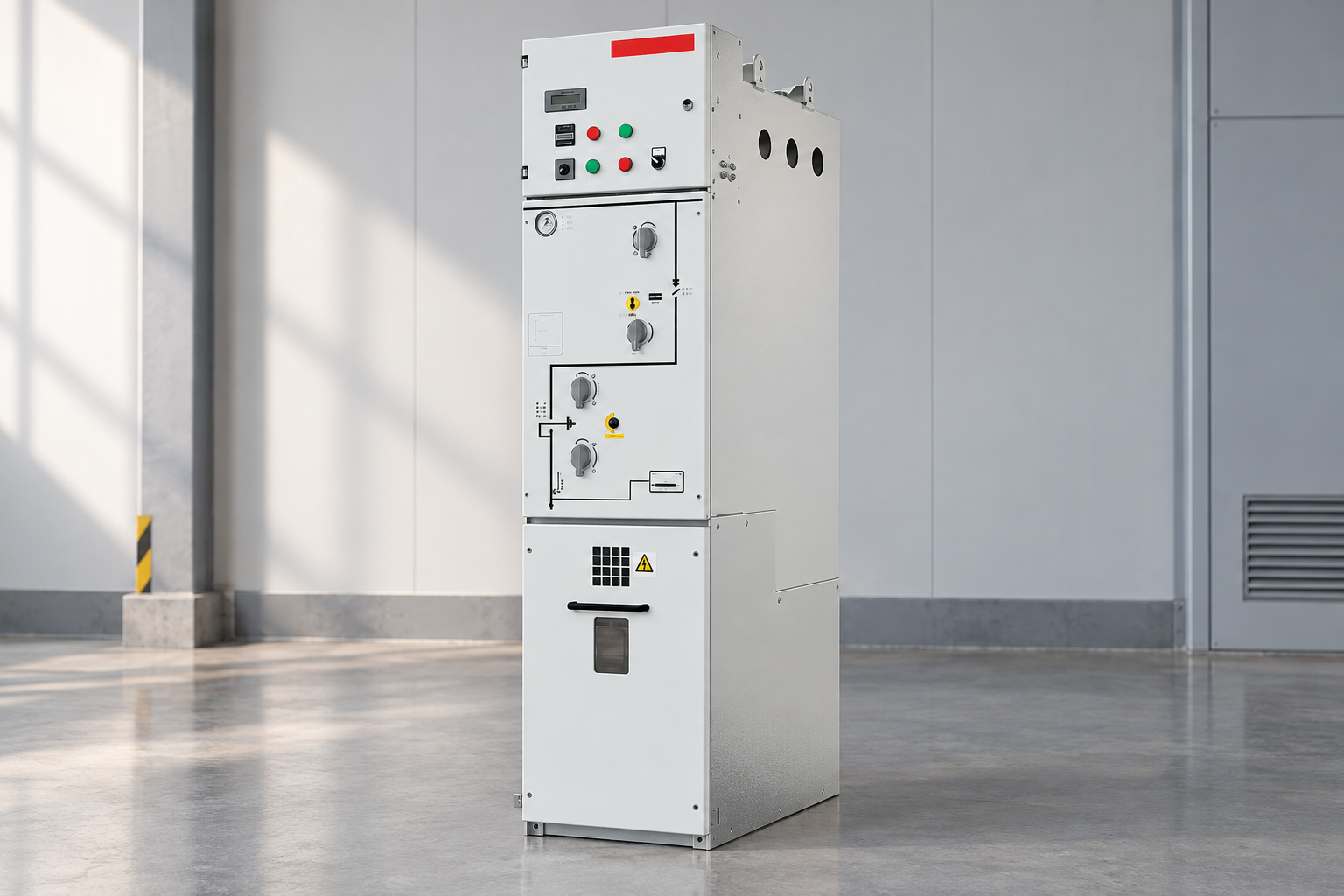
Cable entries are part of the installed boundary. Their arrangement depends on the cable system, gland or termination design, environmental requirements and the assembly’s verified construction. Submit the actual cable and interface information before fabricating penetrations. Do not assume that an installer can drill an opening anywhere convenient without affecting the intended enclosure performance, clearances or other assembly characteristics. The supplier’s approved details should guide the interface work.
Include unused openings, spare cable positions and future extension interfaces in the review. Temporary tape or an improvised cover should not be treated as a permanent verified closure. Record who supplies the specified interface parts and who inspects completion. The owner should receive enough information to maintain the boundary when cables are replaced or added. This is particularly important where later modifications are performed by a different contractor who did not participate in the original design review.
Consider doors, removable covers and access states
An enclosure designation generally relates to a defined equipment condition, so operating and maintenance access can change what protection is available. Request the manufacturer’s explanation of the relevant door and cover states. Do not interpret a closed-door rating as permission to work with a compartment open. Access also raises electrical hazards that cannot be reduced to dust or water ingress. Those tasks require the applicable electrical work procedures and qualified personnel.
For routine inspection, define how personnel recognize damaged seals, loose covers or abnormal door closure without creating an unsafe access condition. Record defects through the maintenance process. Replacing a damaged gasket or adjusting a door should follow the supplier’s instructions; a visually similar substitute may not preserve the verified condition. Keep the enclosure boundary in the equipment maintenance record so that repairs are assessed against the intended protection rather than merely against cosmetic appearance.
Avoid a higher-number-is-better specification
A more demanding ingress requirement may affect ventilation, access, materials and cost. That can be appropriate where the environment requires it, but a high designation should not replace a site assessment. Compare designs that satisfy the actual exposure and operating needs. Asking for unnecessary protection while ignoring heat removal or service access can produce an equipment mismatch even when the quotation meets the requested code.
Discuss alternative ways to control exposure. Correcting a roof leak, separating dusty work or improving the room environment may be essential regardless of the enclosure designation. These building measures should not be used to excuse an inadequate equipment requirement, but equipment should not be expected to compensate indefinitely for unresolved construction defects. A coordinated decision assigns responsibilities to the building designer, equipment supplier and installer, with evidence that their combined design meets the operating conditions.
Verify the delivered and installed condition
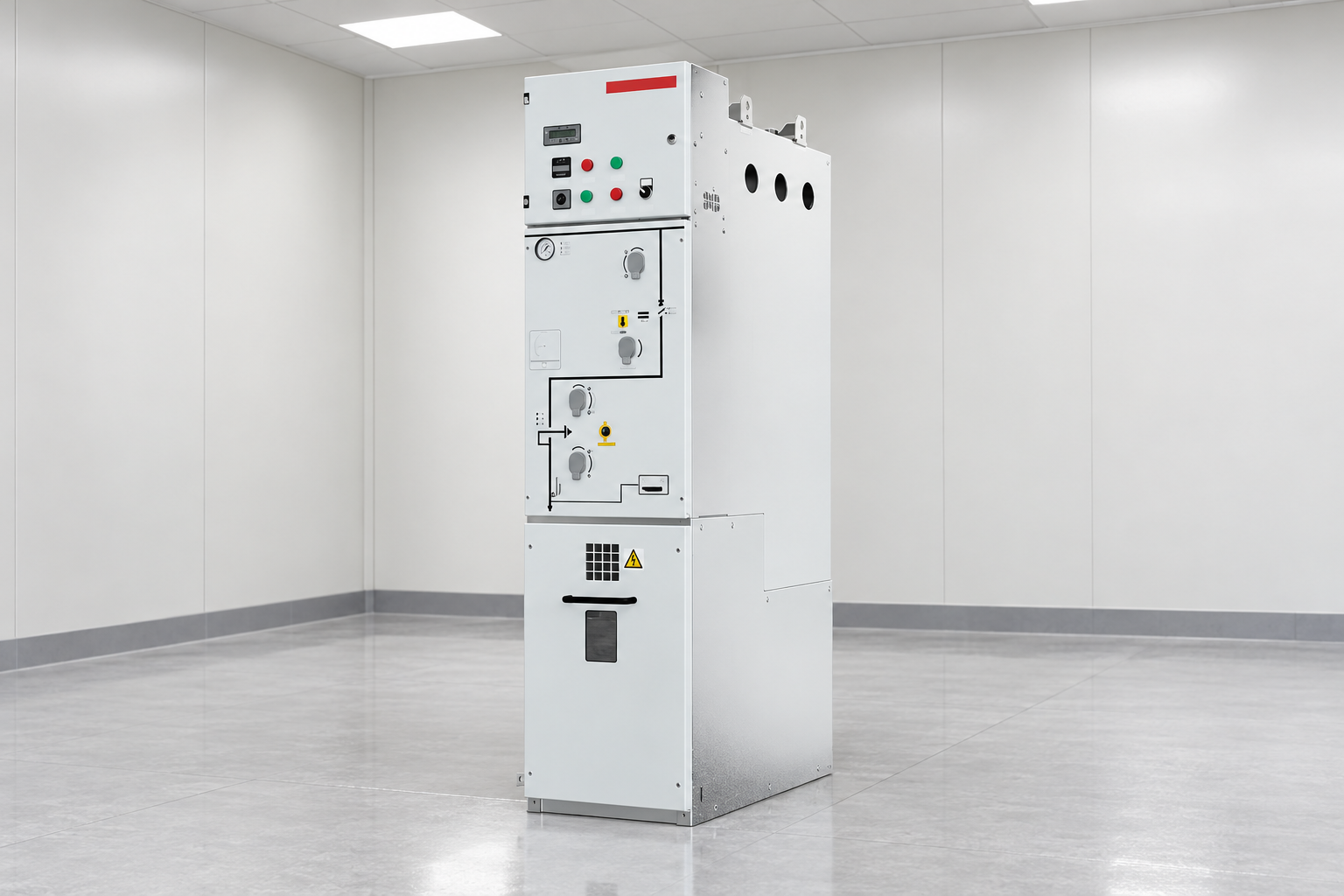
At delivery, identify the exact assembly and compare the enclosure features with the approved documentation. Inspect accessible surfaces for shipping damage and record discrepancies through the receiving process. During installation, check completion of approved entries, closures and interfaces. Do not replace specified parts with whatever is available at the site. An inspection record should identify the equipment, the applicable drawing revision and any remaining defects rather than simply reporting that the cabinet looks sealed.
Before handover, obtain a clear statement of the environmental assumptions and the maintenance requirements that preserve the intended protection. The owner needs to know which modifications require review and which parts affect the enclosure boundary. Where conditions have changed, request a formal suitability assessment. A final photograph is useful evidence of installation condition, but it cannot replace the manufacturer’s documented classification or the engineer’s acceptance of the actual interfaces and exposure.
Apply the review to a real product reference
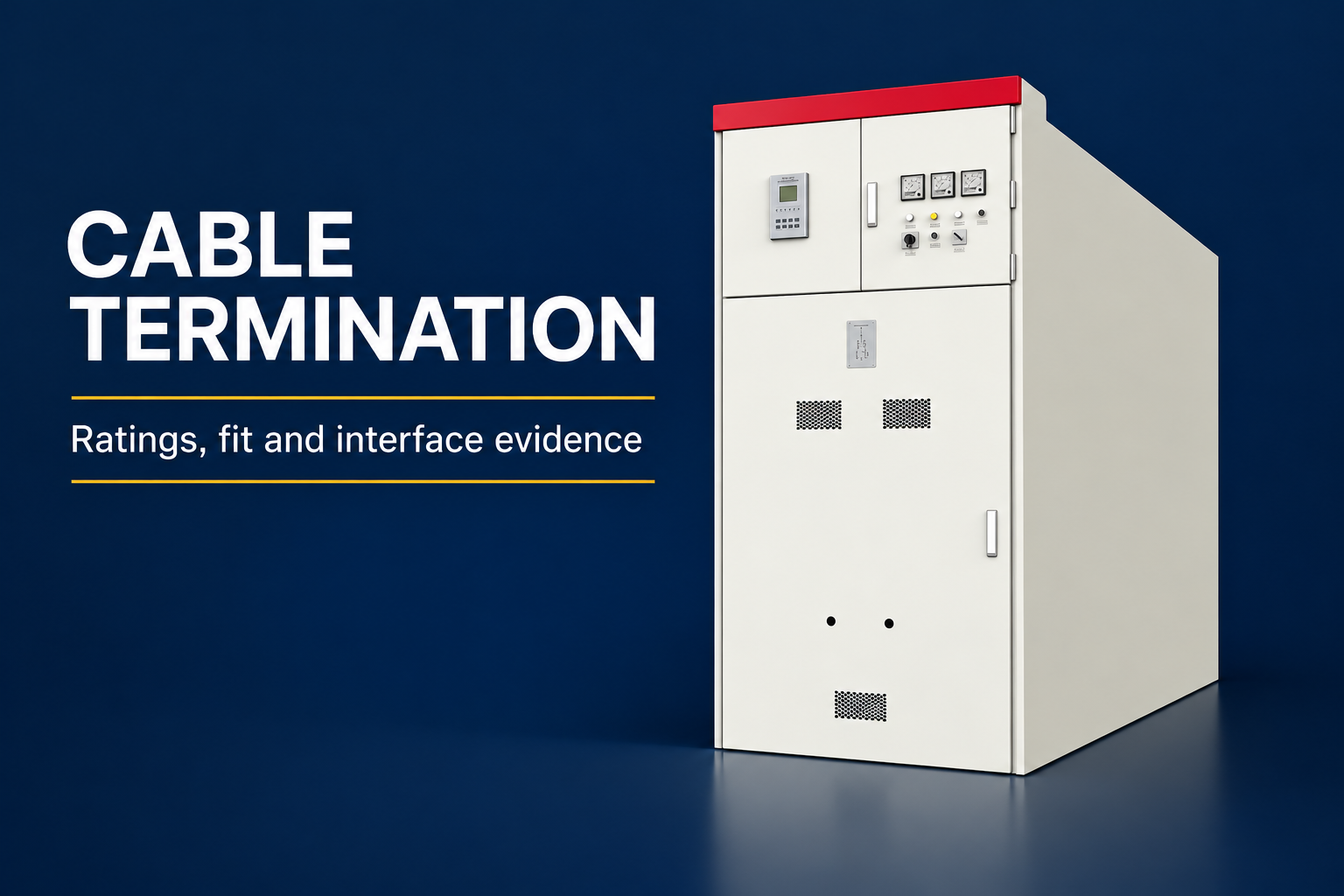
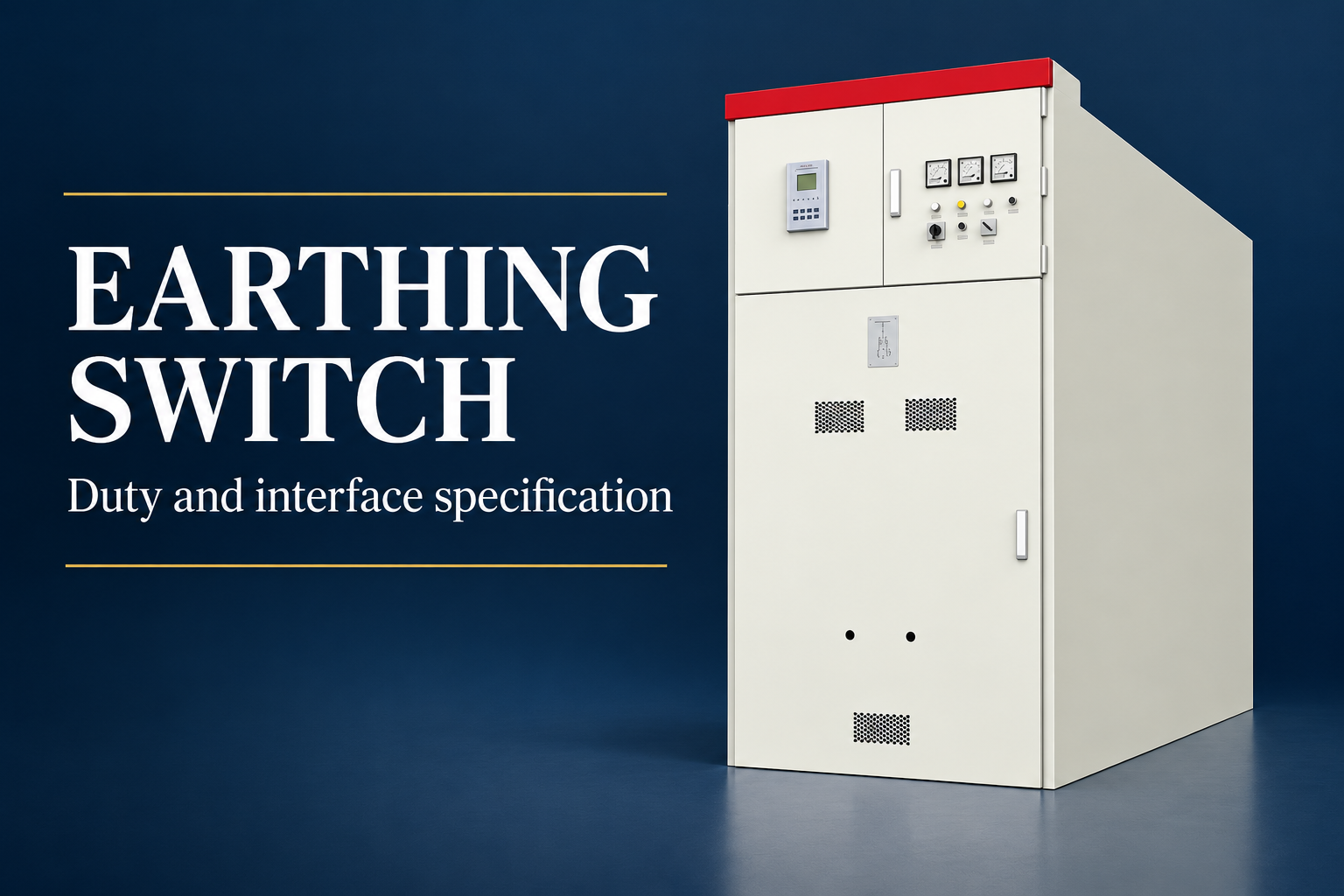
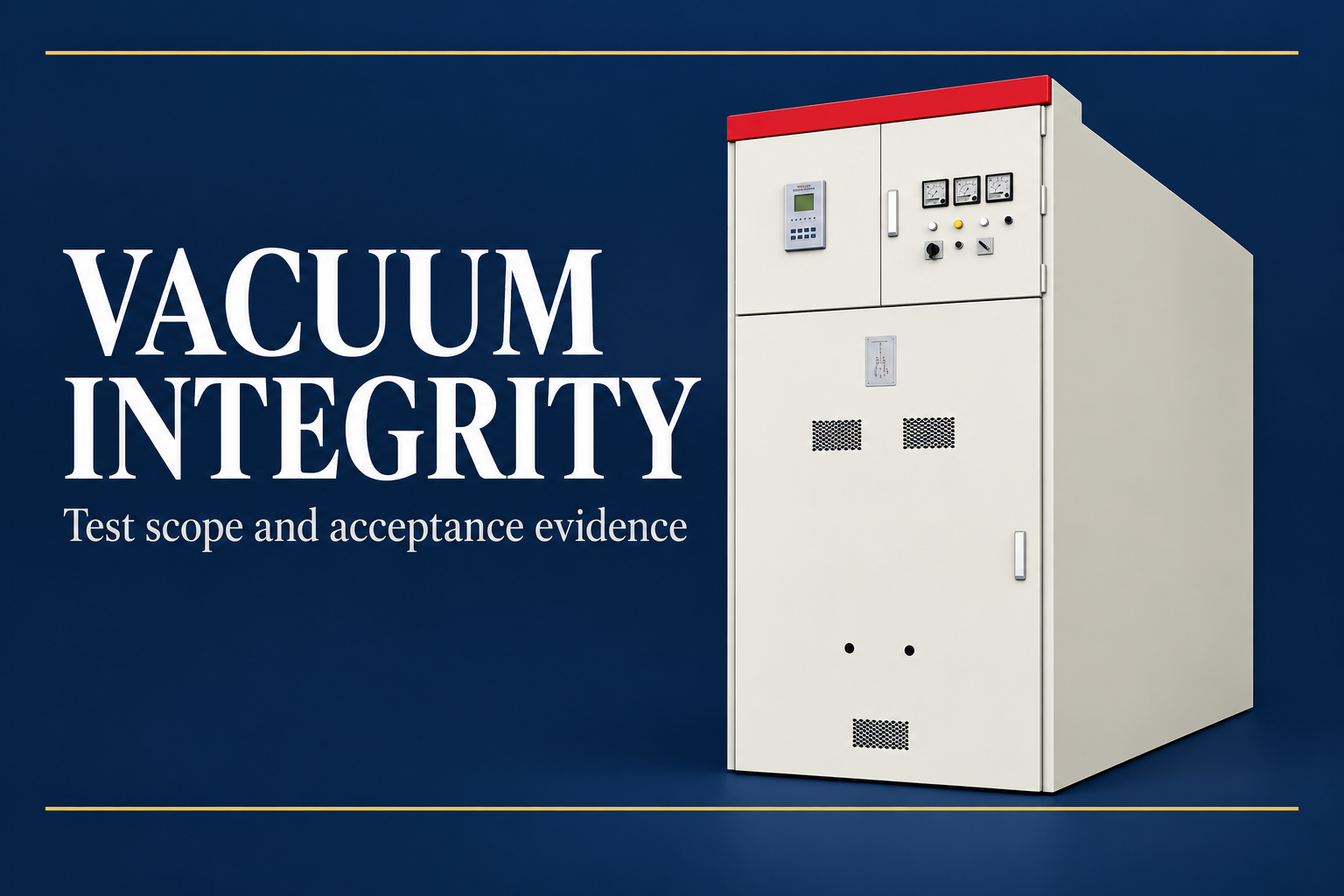
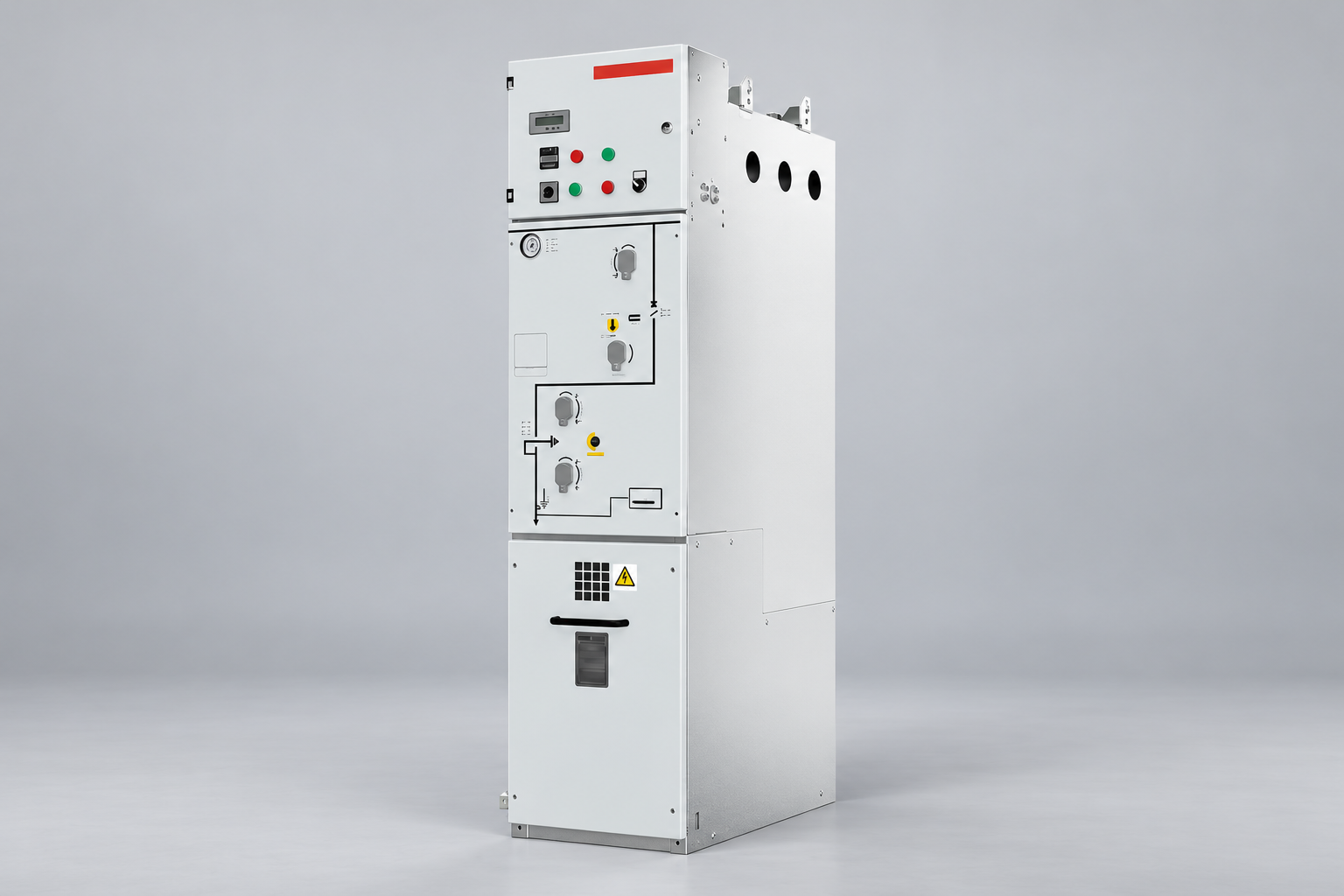
The HC-40.5 cabinet illustrated here is a real LBAJI product reference used to show equipment category and visible exterior interfaces. Its name and appearance do not establish a particular IP designation for the ordered configuration. Request the project-specific protection declaration, relevant evidence and installation instructions from the supplier. Keep the required voltage class and environmental conditions aligned with the actual product, rather than selecting an image first and inventing a rating afterward.
An effective RFQ includes site exposure, installation stage, cable-entry responsibilities, cooling assumptions and required evidence. The final comparison should identify unresolved conditions and who will close them. This approach turns the IP requirement into an auditable equipment decision, while preserving the distinction between enclosure protection, environmental management and electrical safety. Each must be addressed on its own evidence and then coordinated in the completed installation.
Frequently asked questions
Does an IP rating prove that switchgear can be installed outdoors?
Not by itself. Outdoor suitability also depends on the actual equipment design, environmental exposure, materials, temperature conditions and the manufacturer’s stated application.
Does a sealed enclosure prevent condensation?
Not necessarily. Condensation can arise from humidity inside the enclosure and temperature changes. Assess moisture sources and approved environmental controls separately.
Can a component rating be used for the complete cabinet?
Only with justified assembly documentation. A rating for a device or empty enclosure does not automatically establish protection for the complete installed switchgear.
Can cable-entry modifications affect protection?
Yes. Entries, closures and interface parts form part of the enclosure boundary. Follow approved details and document completion and any later modifications.
Should buyers always request the highest IP designation?
No. Specify protection that meets the actual environment while coordinating cooling, access and maintenance. A higher designation is not a complete equipment-quality assessment.
Technical sources and related equipment
Standard catalogue pages establish document scope; compliance and acceptance require the applicable full documents and project engineering review.
- IEC 60529 enclosure protection classification
- IEC 62271-200 metal-enclosed AC switchgear scope
- LBAJI HC-40.5 Fully Insulated And Fully Sealed Ring Network Metal Switchgear
- switchgear equipment fundamentals
- switchgear verification and testing
- switchgear maintenance checklist
Further learning: equipment functions
This independent educational introduction explains the equipment background. It does not demonstrate a safe work procedure for the specific assembly. Source: Gaurav J – TheElectricalGuy.
Watch Switchgear Basics: Complete Beginner's Guide | TheElectricalGuy